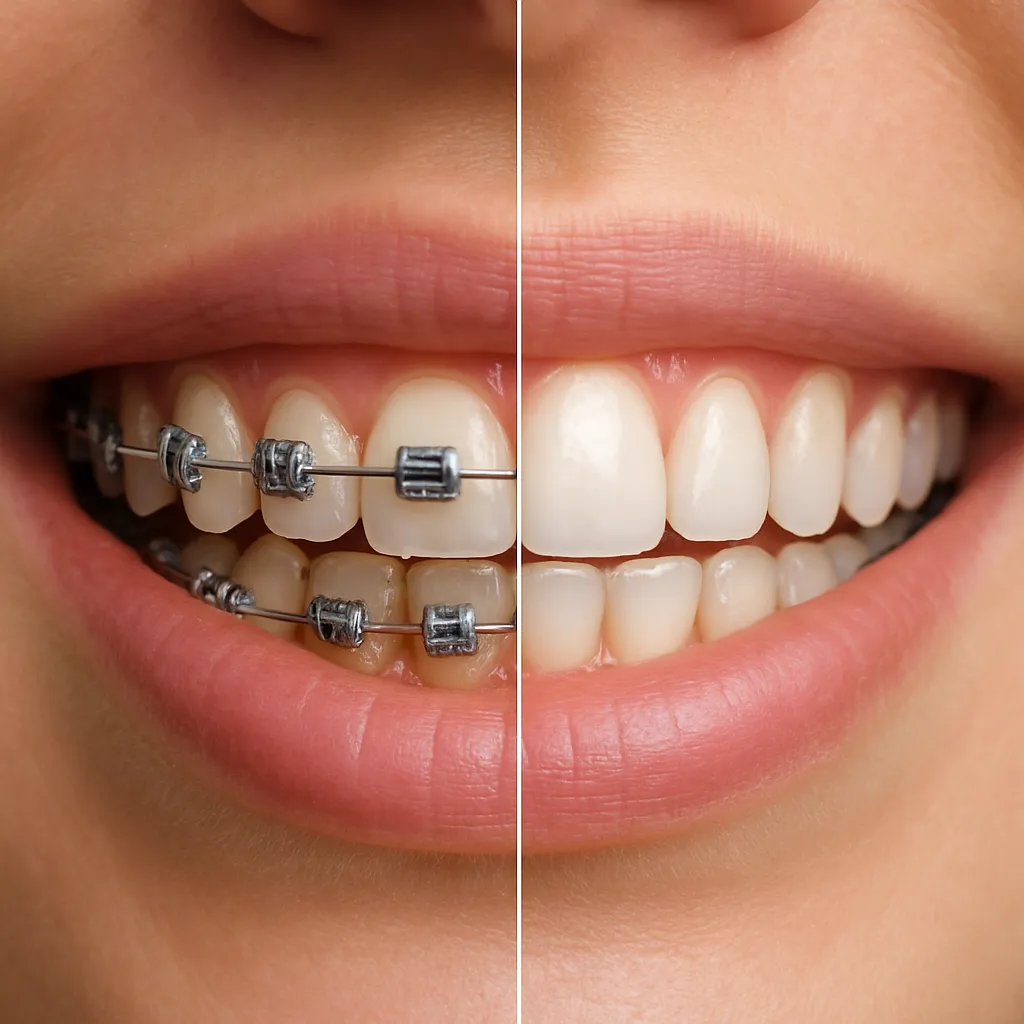
Orthodontic therapy plays a pivotal role not only in achieving a beautiful smile but also in promoting excellent hygiene and long-term oral health. Proper tooth positioning and bite correction can transform the oral environment, making it easier to remove harmful deposits and protect the supporting structures of the teeth. This article explores how modern orthodontic interventions benefit patients by enhancing cleaning access, reducing plaque and biofilm buildup, improving periodontal health, and fostering better patient compliance for lasting success.
Improved Cleaning Access through Alignment
Malpositioned teeth create narrow crevices and overlapping surfaces that trap debris and bacteria. By straightening teeth and aligning arches, an orthodontic specialist can dramatically simplify daily oral care routines. When teeth are properly aligned, toothbrush bristles and interdental tools can reach previously inaccessible areas, significantly lowering the risk of cavities and gum disease.
- Easier brushing: Even contact points allow bristles to sweep away food particles more effectively.
- Enhanced flossing: Straightened contact areas facilitate floss glide, reducing the chance of tearing and incomplete plaque removal.
- Better use of adjunctive devices: Interdental brushes and water flossers can clean spaces with greater efficiency when teeth are not crowded.
Optimal alignment sets the foundation for a cleaner oral environment, minimizing hidden niches where bacteria thrive.
Reduction of Plaque and Harmful Biofilm Formation
The accumulation of plaque and biofilm on tooth surfaces is the primary driver of tooth decay and gingival inflammation. In cases of severe crowding, patients often struggle to remove these adherent layers, leading to demineralization and periodontal attachment loss. Orthodontic treatment that corrects crowding and occlusal discrepancies helps interrupt this destructive cycle.
Key Mechanisms
- Surface smoothing: Aligned teeth create smoother proximal areas that discourage bacterial adhesion.
- Improved saliva flow: Even arch forms promote optimal cleansing action by saliva, enhancing natural antimicrobial effects.
- Better self-cleansing: Corrected overbites and underbites reduce trauma to gingival tissues, lowering inflammation that can trap more plaque.
When brackets and wires are optimized for minimal plaque retention, routine professional cleanings become more effective. Patients experience less frequent pocket formation and reduced risk of calcified deposits.
Enhanced Periodontal Health and Gum Stability
Chronic plaque accumulation in crowded or misaligned dentitions often leads to gingivitis and progressive periodontal disease. Untreated malocclusion can exacerbate inflammation, causing attachment loss and bone resorption. By guiding teeth into their ideal positions, orthodontic care aids in the regeneration of healthy periodontal tissues.
Gingival Benefits
- Even pressure distribution: Proper occlusion prevents trauma from uneven chewing forces, protecting gingival margins.
- Recession correction: In some cases, controlled tooth movement can improve bone support and reduce gingival recession.
- Decreased pocket depth: Aligned roots allow for more effective scaling and reduced periodontal pocketing.
Moreover, early orthodontic intervention can arrest bone defects, creating a stable foundation for both natural teeth and future restorative procedures.
Boosting Patient Compliance and Maintenance
Long-term success of any dental therapy hinges on patient compliance with oral care instructions and recall visits. When patients notice that their teeth look and feel cleaner after orthodontic adjustments, they are more motivated to maintain strict hygiene standards. This positive feedback loop reinforces daily brushing, flossing, and the use of prescribed mouth rinses.
Practical Strategies
- Customized oral hygiene plans: Tailoring tool selection and techniques to each patient’s bracket system enhances comfort and effectiveness.
- Regular motivation: Visual progress charts and photographic comparisons help patients appreciate incremental changes, boosting adherence.
- Supportive technologies: Mobile apps and digital reminders encourage consistent use of hygiene aids and appointment attendance.
When ongoing maintenance is combined with clear communication from the orthodontist, the risk of relapse and disease recurrence decreases significantly.
Synergy between Aesthetics and Function
Beyond cleaning benefits, orthodontics harmonizes aesthetics and function, ensuring that patients enjoy both a radiant smile and efficient mastication. Well-aligned teeth distribute biting forces evenly, reducing wear and minimizing the chance of fractures. In addition, improved facial proportions can contribute to better self-esteem and overall satisfaction with treatment outcomes.
- Functional efficiency: Balanced occlusion reduces undue stress on temporomandibular joints.
- Enhanced longevity: Teeth in ideal positions demonstrate lower rates of chipping and abrasion over time.
- Psychosocial impact: Patients with straighter smiles often report increased confidence and social engagement.
By integrating both health and visual goals, orthodontic care addresses the comprehensive needs of dentistry.