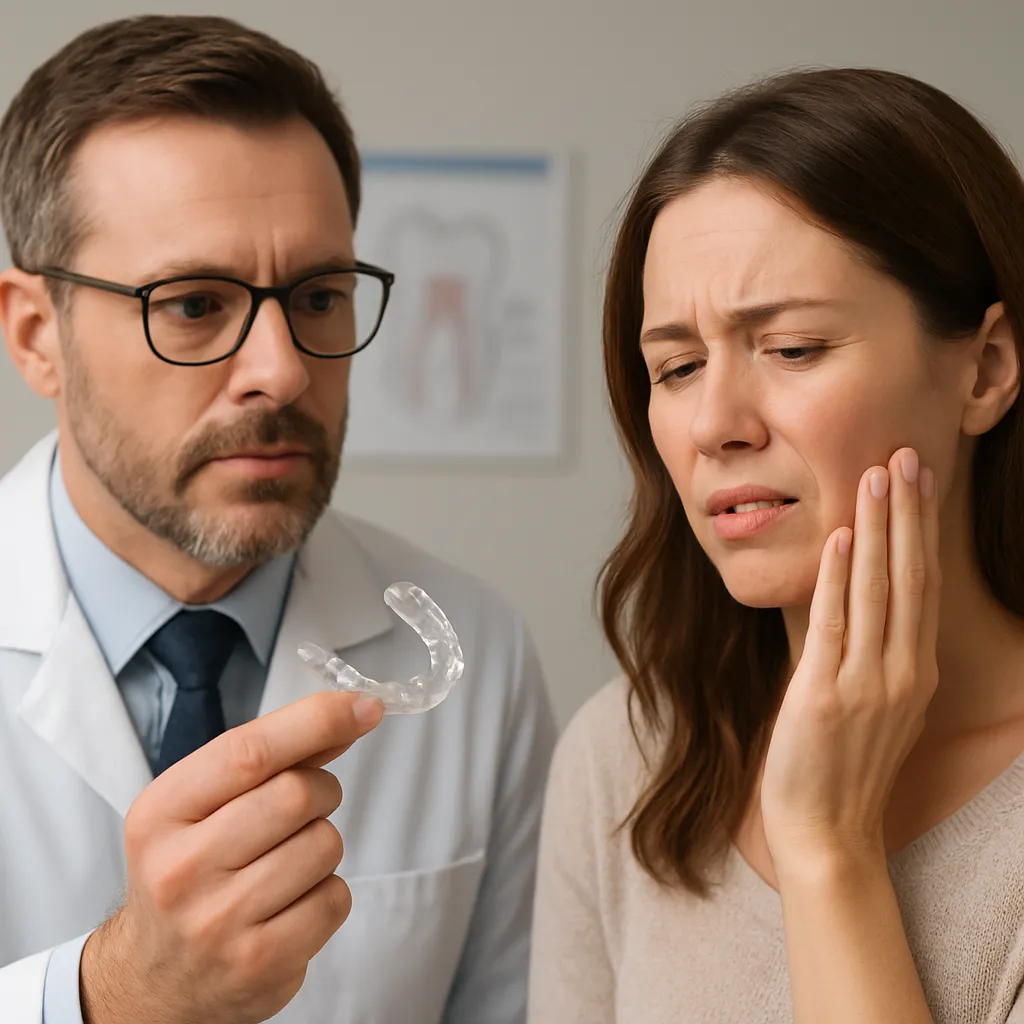
Many patients wonder why a dentist would suggest wearing a night guard, especially if they haven’t experienced significant tooth pain. Understanding the reasoning behind this recommendation can help you appreciate the appliance’s role in preserving your oral health. A night guard is more than just a dental accessory; it serves as a vital barrier against harmful forces that can damage enamel, strain the jaw muscles, and lead to long-term complications.
Understanding Teeth Grinding and Night Guards
Definition of Bruxism
Bruxism refers to the habitual grinding or clenching of teeth, often occurring during sleep. While occasional grinding is common, chronic bruxism can wear down tooth surfaces, damage restorations, and even alter the alignment of your bite over time. A night guard is designed to sit between the upper and lower teeth, absorbing the intense pressures generated by unconscious grinding and thereby protecting the dental structures.
How Night Guards Work
A custom-fitted night guard is made from durable, yet comfortable, materials that conform to the shape of your teeth. By creating a smooth surface between the upper and lower arches, the guard prevents direct tooth-to-tooth contact. This not only reduces the force transmitted through the dentition but also helps distribute pressure evenly, minimizing the risk of microfractures and sensitivity. The appliance can also provide a subtle change in occlusion, guiding the jaw into a less stressful position.
Signs You May Need a Night Guard
Tooth Wear and Enamel Damage
Visible wear facets, flattened cusps, or chipped enamel are clear indicators that grinding is taking a toll on your dentition. As the protective outer layer of the tooth becomes compromised, you might experience increased sensitivity to hot or cold stimuli. By wearing a night guard consistently, you shield the remaining enamel from further erosion, helping to maintain the natural tooth structure.
Jaw Pain and Muscle Fatigue
Frequent headaches, soreness around the temples, and tenderness in the jaw joints can all signal excessive strain. This discomfort is often linked to overactive masticatory muscles that work overtime during sleep. A well-fitted night guard acts as a cushion, relieving tension on the temporal muscles and the temporomandibular joint. Over time, many patients notice a significant reduction in morning stiffness and related pain.
Fractured Restorations
Dental crowns, bridges, and fillings are not immune to the forces of grinding. Repeated stress can cause cracks or dislodgment of these restorations, leading to costly repairs. A night guard can serve as your first line of defense, absorbing up to 90% of the damaging pressure and prolonging the lifespan of previous dental work.
Advantages of Using a Night Guard
- Protective Barrier: Prevents direct tooth-to-tooth contact and reduces wear.
- Pain Relief: Alleviates jaw discomfort and decreases muscle fatigue.
- Preservation of Restorations: Safeguards crowns, veneers, and fillings from fracture.
- Alignment Support: Encourages proper jaw positioning to reduce strain on the jaw.
Regular use of a night guard can also improve sleep quality by reducing disturbances caused by grinding sounds or discomfort. This, in turn, can enhance daytime alertness and overall well-being.
Selecting the Right Night Guard
Over-the-Counter vs. Custom-Made
Over-the-counter “boil-and-bite” guards offer a less expensive, temporary solution. However, they may not fit precisely, leading to discomfort, a loose fit, or even increased clenching. In contrast, custom-made guards are fabricated from impressions or digital scans of your teeth, ensuring a snug, tailored fit. Dentists recommend custom appliances for the highest level of protection and comfort.
Material Options
Night guards can be crafted from various materials, from soft thermoplastics to hard acrylics. Soft guards may feel more comfortable initially, but they can wear out faster and might not withstand severe grinding. Harder materials, while slightly more rigid, provide superior durability and better long-term results for heavy grinders. Your dentist will evaluate your grinding severity and oral anatomy to recommend the most suitable material.
Design Considerations
Some guards are full-coverage, while others may only cover the upper teeth. Depending on your bite patterns and any existing orthodontic appliances, your dentist may suggest a specific design. Sophisticated models can even include features such as built-in channels to guide the jaw or small ramps that discourage sliding movements.
Proper Care and Maintenance
Maintaining your night guard is critical to its effectiveness and hygiene. Rinse it with cool water each morning, then gently brush it with a soft toothbrush and non-abrasive toothpaste or mild soap. Avoid hot water, as it can warp the appliance. Store the guard in a ventilated case to prevent bacterial growth. Periodically, have your dentist inspect the guard for signs of wear and ensure it still fits correctly. A well-maintained night guard can last anywhere from one to five years, depending on usage and material quality.
Complementary Strategies for Better Outcomes
Stress Management
Since stress and anxiety often exacerbate bruxism, incorporating relaxation techniques—such as meditation, deep breathing exercises, or yoga—can help reduce nighttime clenching. Establish a calming bedtime routine to signal to your brain that it’s time to unwind.
Jaw Exercises
Simple stretching and strengthening exercises can promote flexibility and resilience in the masticatory muscles. Your dentist or a physical therapist can recommend specific routines to relieve tension and maintain joint health.
Dietary Adjustments
Avoid stimulants like caffeine and alcohol in the evening, as they can increase muscle activity during sleep. Opt for softer foods if you already experience jaw soreness, giving your muscles a chance to recover.
When to Follow Up
Regular dental checkups are essential to monitor the condition of both your teeth and your night guard. If you notice new areas of wear, persistent discomfort, or if the guard feels loose, schedule an appointment promptly. Adjustments can be made chairside to ensure optimal protection and comfort.
By understanding the mechanics of grinding and the protective role of a custom night guard, you can take proactive steps toward preserving your smile and promoting overall oral health. When recommended by your dentist, a night guard is not merely an accessory—it is a preventive measure to safeguard your teeth, joints, and peaceful sleep.