Mouth bacteria are not just harmless guests inhabiting our oral cavity; they form a dynamic ecosystem that influences both dental health and overall well-being. Recent studies have established strong connections between oral microbial communities and a range of systemic conditions. Dentists and healthcare professionals are increasingly recognizing the importance of understanding this interplay to devise better preventive and therapeutic approaches.
The Oral Microbiome: A Complex Ecosystem
Composition and Diversity
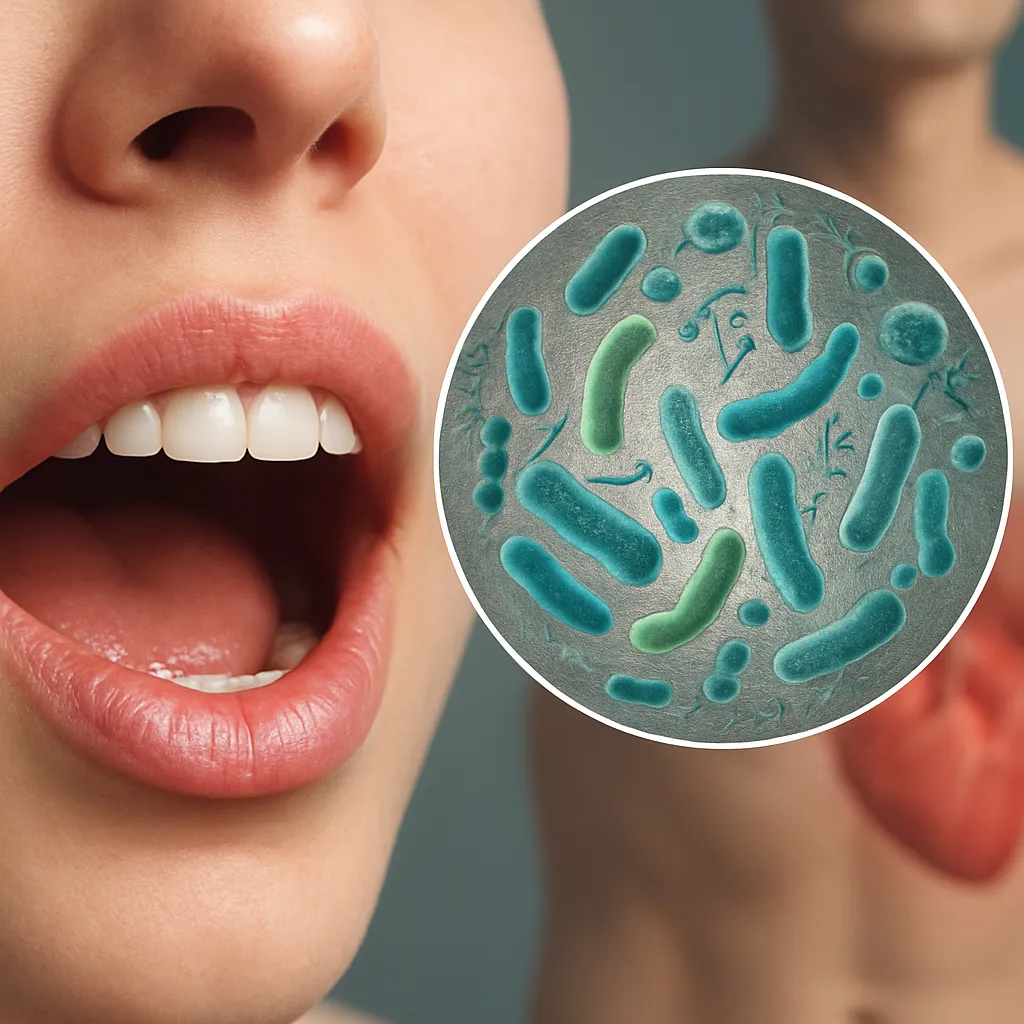
The human mouth hosts over 700 species of microorganisms, including bacteria, fungi, and viruses. This intricate network is collectively referred to as the oral microbiome. Under healthy conditions, a balanced microbial community contributes to the maintenance of mucosal integrity and the regulation of local immunity. When this balance is disrupted, a state called dysbiosis can emerge, predisposing individuals to various oral diseases.
Biofilm Formation and Dental Plaque
Biofilms are structured microbial communities embedded in a protective matrix. In the oral environment, biofilms manifest as dental plaque. As bacteria adhere to tooth surfaces and gingival tissues, they secrete extracellular polymers that facilitate colonization. Over time, plaque calcifies into tartar, which must be removed by professional cleaning to prevent the proliferation of pathogenic species such as Porphyromonas gingivalis and Streptococcus mutans.
- Initial adherence of pioneer species (e.g., Streptococci).
- Co-aggregation of secondary colonizers.
- Maturation into complex, multi-species biofilm.
Impact on Systemic Health
Periodontal Disease and Inflammation
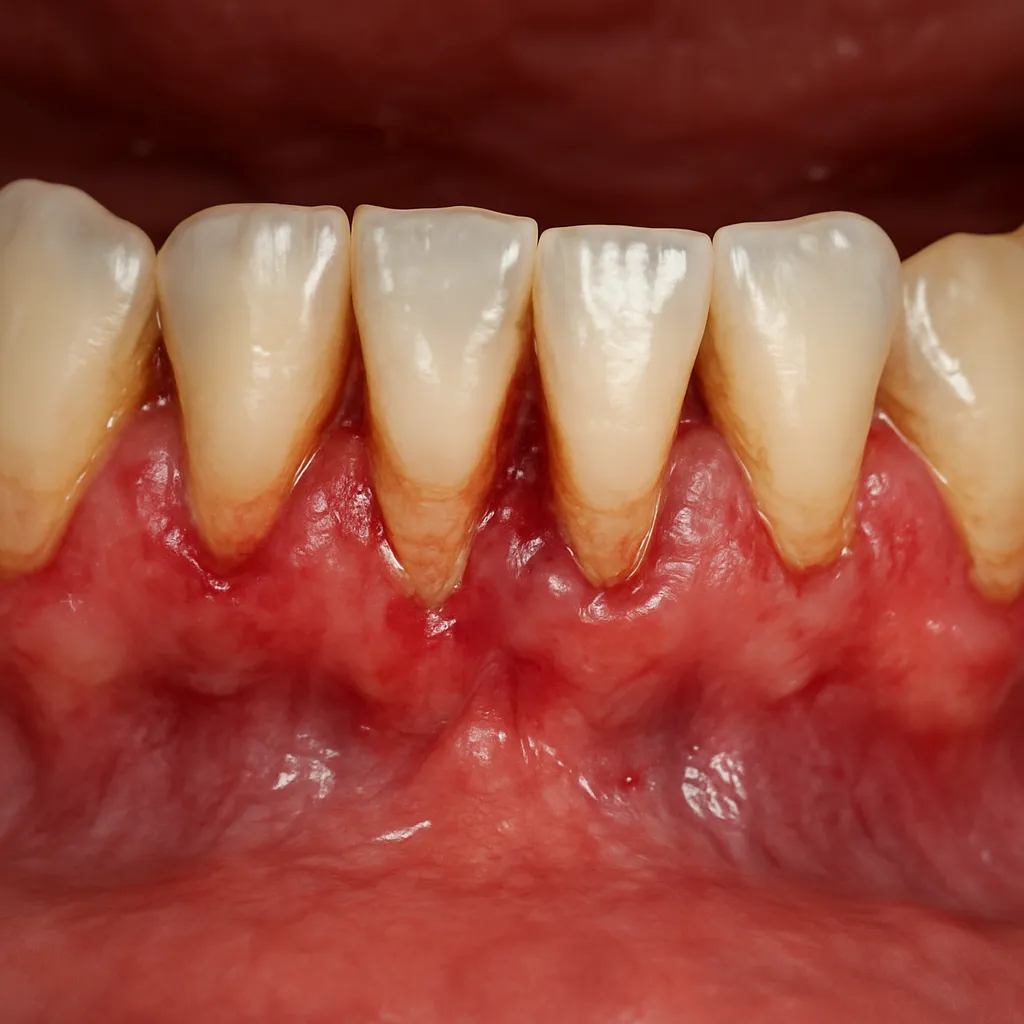
Chronic inflammation in the gums, known as periodontitis, is characterized by tissue destruction and alveolar bone loss. This condition not only compromises oral function but also releases inflammatory mediators into the bloodstream. Elevated levels of C-reactive protein and interleukins have been detected in patients with severe gum disease, indicating a systemic inflammatory burden.
Dentists play a pivotal role in early detection and management of periodontitis. Through regular examinations and periodontal charting, they can identify pockets of infection and prescribe targeted interventions such as deep cleaning (scaling and root planing) or adjunctive antimicrobial therapy.
Connections to Cardiovascular Health
Emerging evidence suggests a bidirectional relationship between oral infections and cardiovascular diseases. Bacteria from periodontal pockets can enter the bloodstream, adhere to damaged endothelium, and contribute to atherosclerotic plaque formation. Research has detected oral pathogens within arterial plaques, underscoring the importance of preventive dental care in reducing cardiovascular risk.
- Increased risk of myocardial infarction in patients with untreated periodontitis.
- Possible mechanisms: bacterial translocation, systemic inflammation, molecular mimicry.
Diabetes Mellitus and Glycemic Control
Individuals with poorly controlled diabetes often experience accelerated periodontal breakdown due to impaired immune response and changes in collagen metabolism. Conversely, severe gum disease can worsen glycemic control by increasing systemic inflammation and insulin resistance. Collaborative care between dentists and endocrinologists facilitates better outcomes for diabetic patients.
Preventive Strategies and Treatment Modalities
Oral Hygiene Practices
Maintaining optimal oral hygiene is the foundation of disease prevention. Dentists recommend a combination of mechanical and chemical methods:
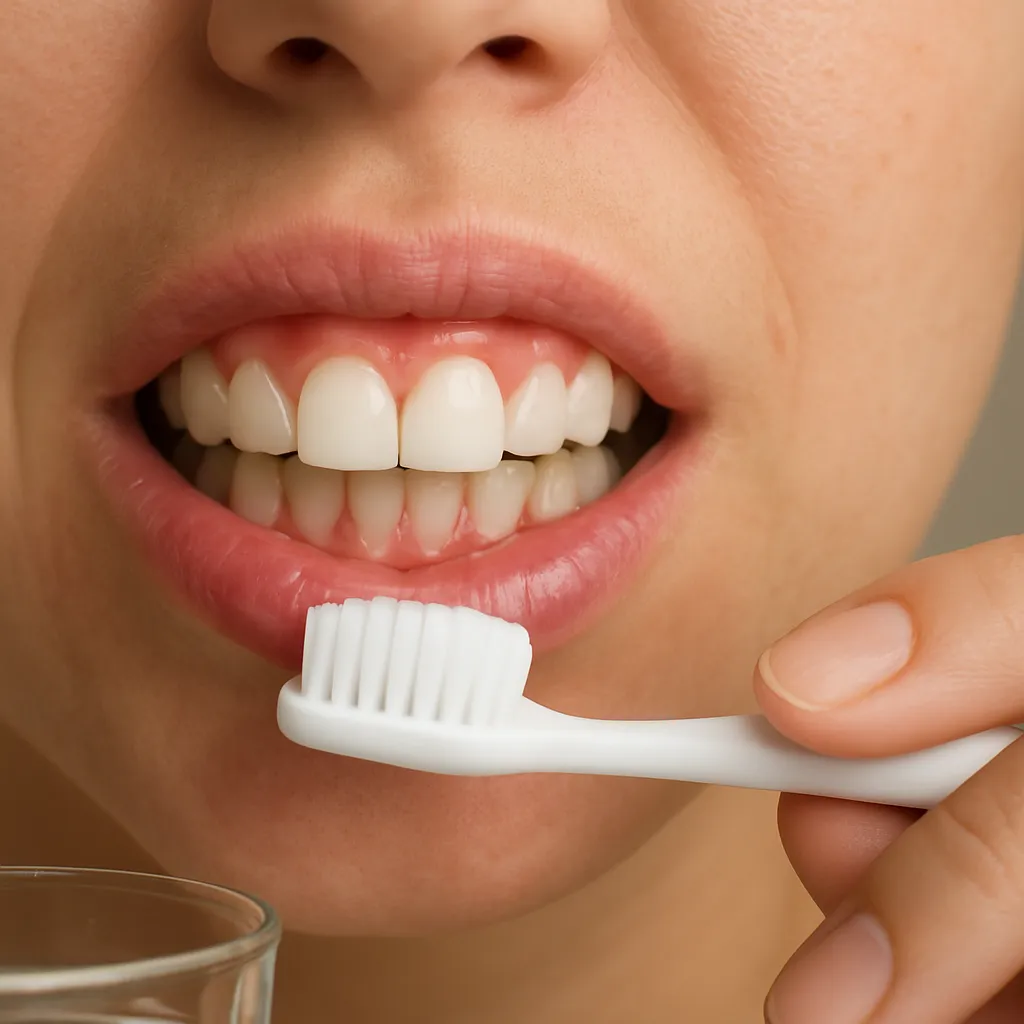
- Brushing twice daily with fluoride toothpaste to disrupt biofilms.
- Interdental cleaning (floss, interdental brushes) to remove plaque between teeth.
- Use of antimicrobial mouthwashes containing chlorhexidine or essential oils.
Saliva serves as a natural defense mechanism by buffering acids, supplying minerals for remineralization, and carrying antimicrobial peptides. Encouraging adequate hydration and sugar-free chewing gum can enhance salivary flow.
Professional Interventions
Routine dental check-ups and professional cleanings are critical for the early detection of pathological changes. Dentists may employ:
- Scaling and root planing to remove subgingival deposits.
- Local delivery of antibiotics or antiseptics into periodontal pockets.
- Laser therapy to reduce bacterial load and inflammation.
In more advanced cases, surgical procedures such as flap surgery or guided tissue regeneration can restore lost periodontal structures and improve long-term prognosis.
Probiotics and Novel Therapeutics
Recent research has explored the use of oral probiotics to modulate the microbiome. Strains of Lactobacilli and Bifidobacteria have shown promise in reducing pathogenic species and enhancing mucosal immunity. Other experimental approaches include bacteriophage therapy, quorum sensing inhibitors, and targeted antimicrobial peptides designed to spare beneficial bacteria.
Future Perspectives and Research Directions
Personalized Dentistry
Advancements in metagenomic sequencing and salivary diagnostics are paving the way for personalized dental care. By profiling an individual’s unique microbial signature, clinicians can predict disease susceptibility and tailor interventions accordingly.
Interdisciplinary Collaboration
The interface between oral health and systemic medicine underscores the need for interdisciplinary collaboration. Integrating dental assessments into routine medical evaluations can facilitate early identification of risk factors and promote holistic patient care.
Emerging Biomarkers
Studies are underway to validate salivary biomarkers for systemic conditions such as rheumatoid arthritis, Alzheimer’s disease, and certain cancers. If successful, saliva testing could become a non-invasive tool for early disease detection, with dentists playing a central role in specimen collection and analysis.