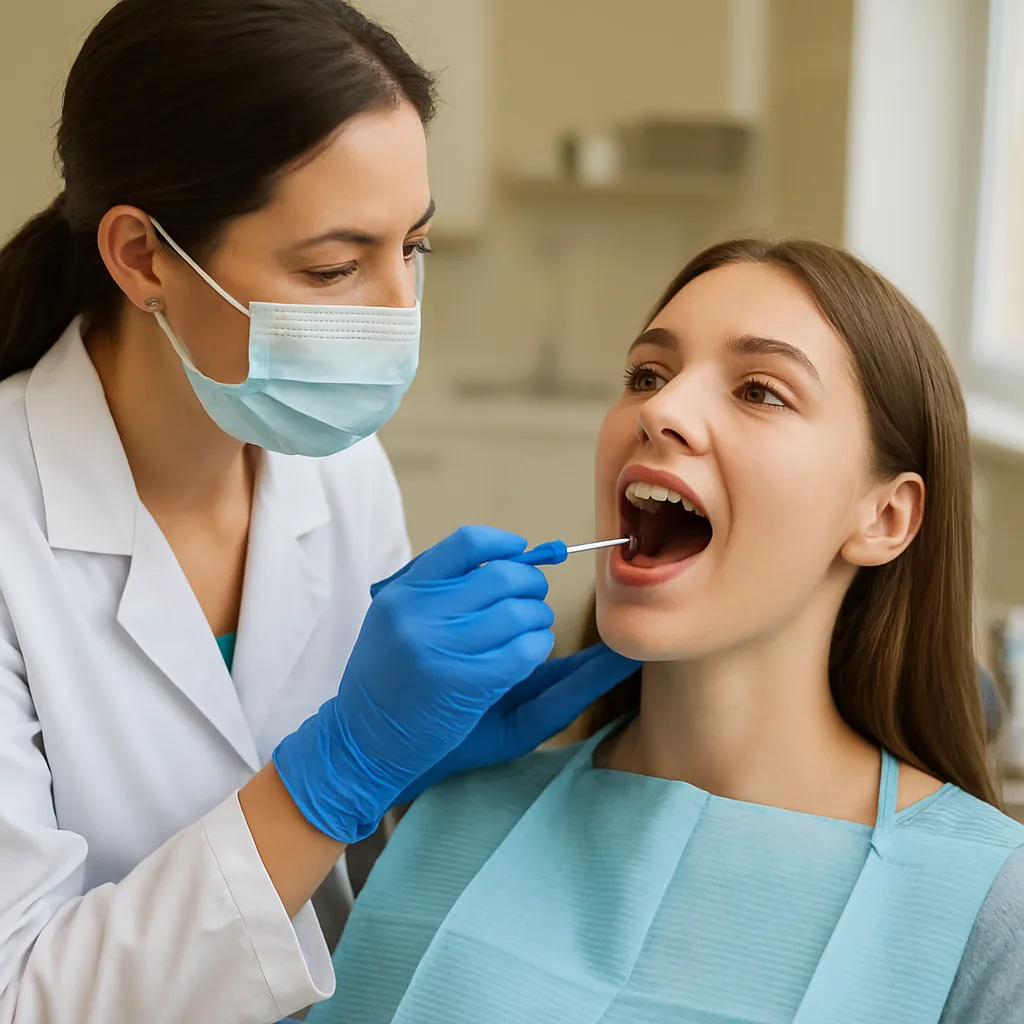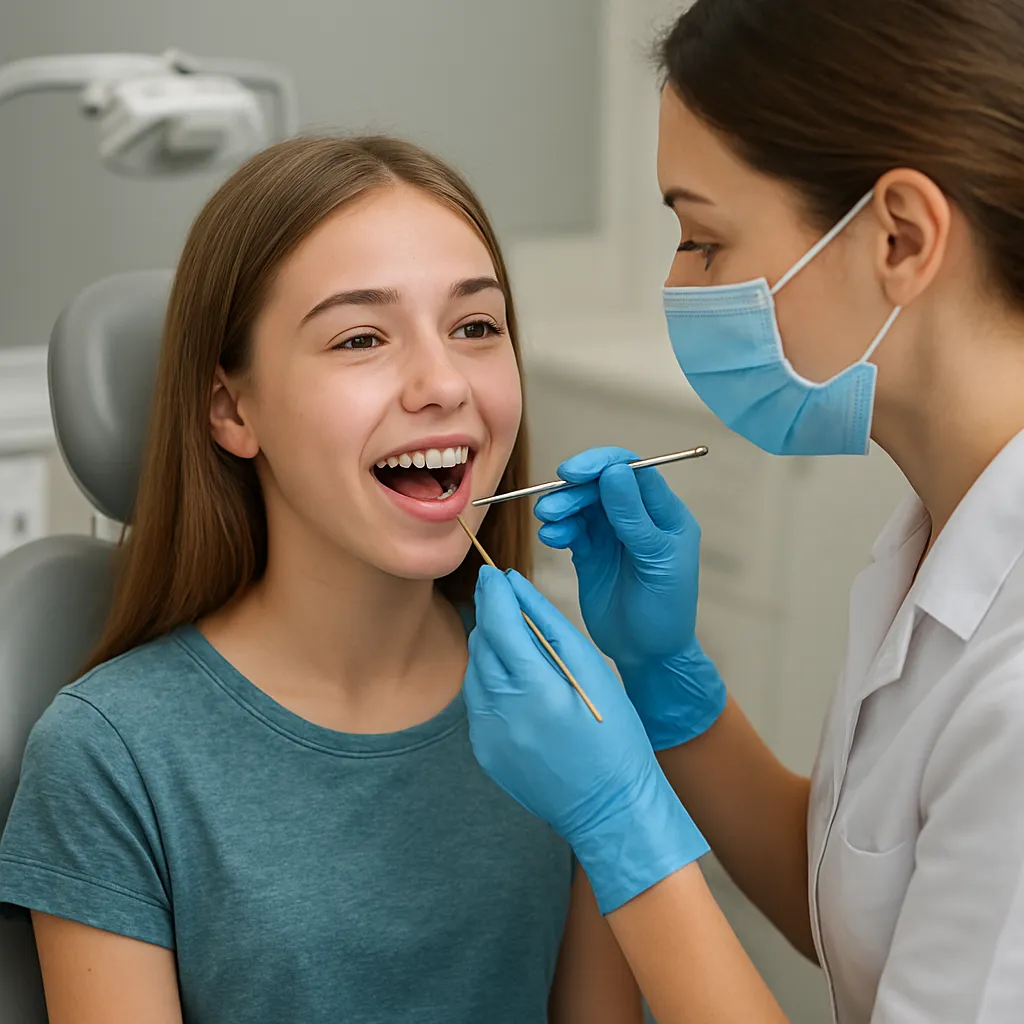
Addressing oral health during the teenage years lays a solid foundation for a lifetime of confident smiles and overall wellness. Regular dental visits not only prevent minor issues from escalating into complex problems but also empower adolescents with knowledge and habits that last well beyond their teenage years. This article explores key considerations in adolescent dentistry, the significant benefits of routine checkups, strategies to overcome common barriers, and the latest innovations helping teens embrace proactive oral care.
Understanding the Adolescent Oral Landscape
Teenagers face a unique set of dental challenges as their bodies and habits evolve. Rapid development of jaws and teeth, hormonal fluctuations, and changing dietary patterns can all influence oral health. For many adolescents, the eruption of third molars or wisdom teeth brings discomfort and sometimes impaction, making professional supervision crucial. Additionally, increased consumption of acidic beverages, sugary snacks, and energy drinks can promote the accumulation of plaque and accelerate enamel erosion. Without regular evaluation, these factors may result in early onset decay, gum inflammation, or even more serious periodontal issues.
Moreover, lifestyle habits commonly adopted during adolescence—such as experimenting with tobacco products, vaping, or piercings around the mouth—carry significant risks. Tobacco use is linked to tooth discoloration, gum recession, and a higher incidence of oral cancers, while oral piercings can lead to chipped teeth, infections, and gum tissue damage. Professional guidance from a dentist provides teens and their caregivers with clear, personalized advice on how to maintain optimal hygiene and minimize long-term harm.
Key Benefits of Regular Dental Checkups
Routine dental appointments offer more than just cavity detection. They play a pivotal role in fostering preventive care strategies, customizing treatment plans, and monitoring growth patterns. Below are some of the most significant advantages:
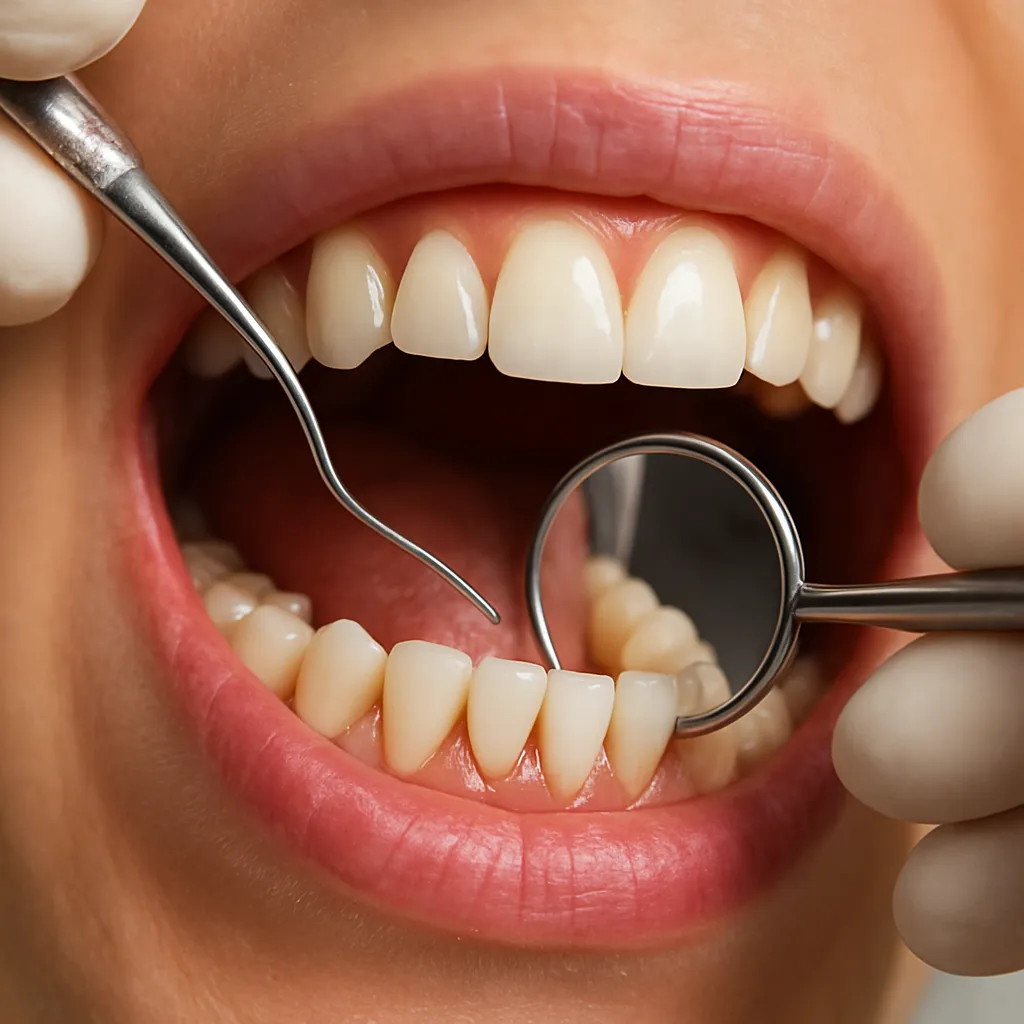
- Early Problem Detection: Dentists can identify signs of decay, misalignment, or gum disease before they escalate, reducing the need for invasive procedures later on.
- Monitoring Orthodontic Needs: As teeth shift and jaws develop, regular exams determine the ideal timing for braces or other orthodontic interventions, ensuring efficient and effective correction.
- Professional Cleaning: Even with diligent home care, dental cleaning removes hardened tartar and stubborn stains, promoting healthier gums and a brighter smile.
- Fluoride Treatments: Topical fluoride applications strengthen enamel, boost resistance against acid attacks, and significantly lower cavity risk.
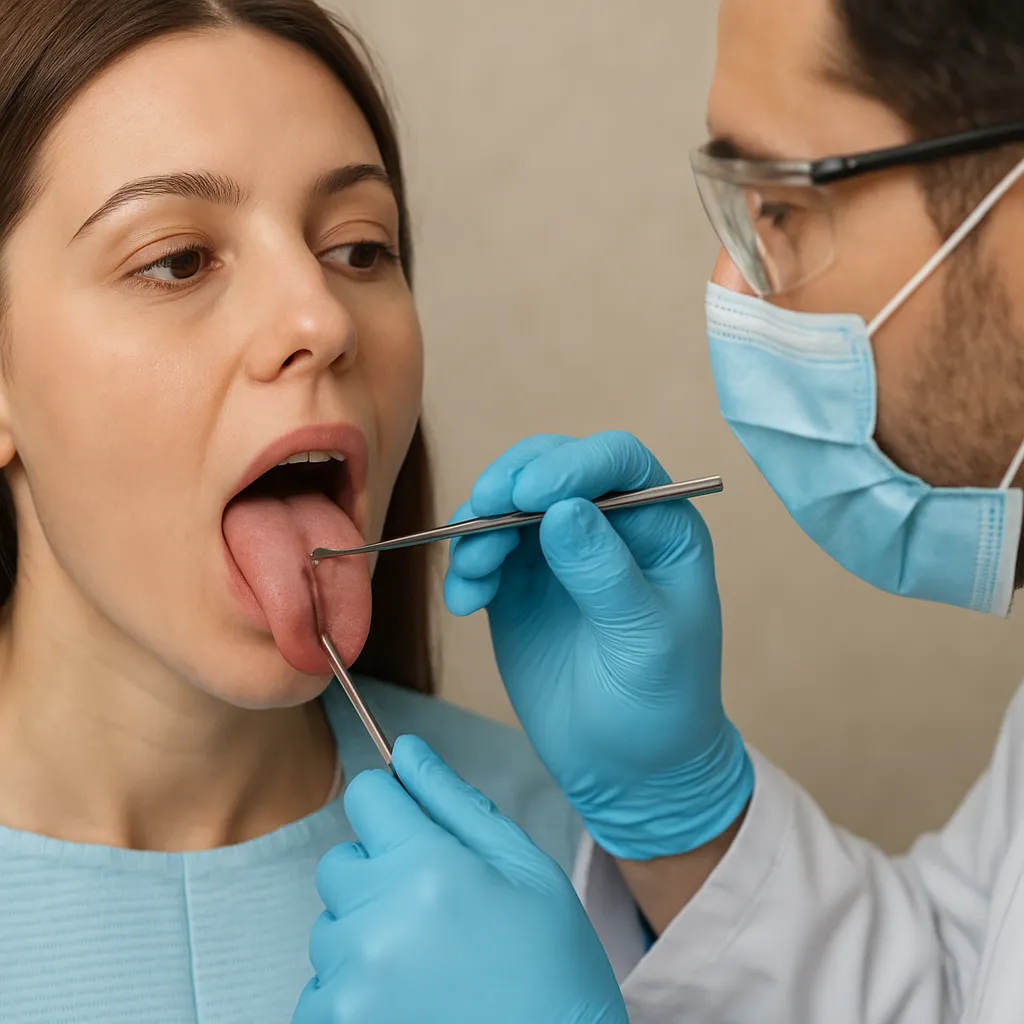
- Oral Cancer Screening: Early detection of abnormal lesions or tissue changes can be lifesaving and is an integral part of a comprehensive checkup.
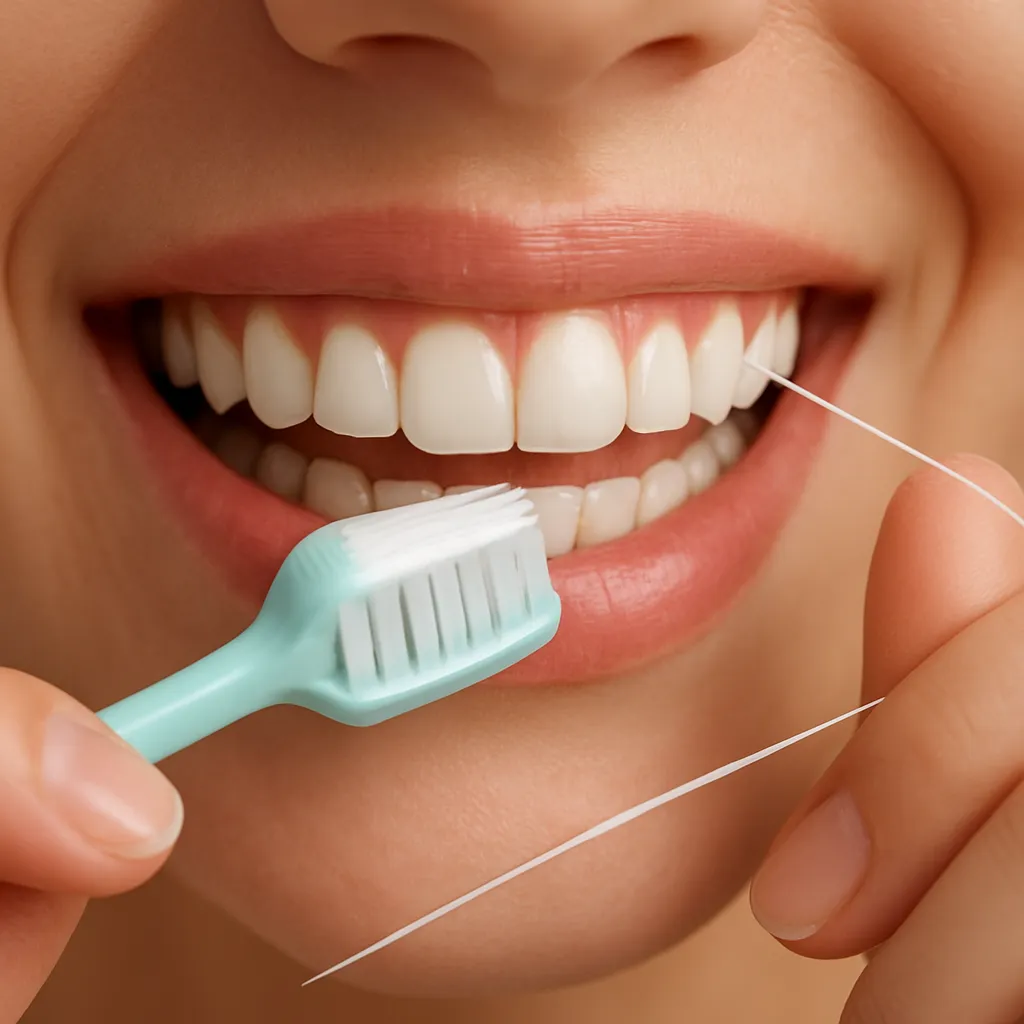
- Education and Motivation: Face-to-face sessions with a dental professional reinforce proper brushing and flossing techniques, dietary recommendations, and habit counseling.
Through these services, adolescents develop a deeper appreciation for oral care and gain the tools needed to maintain their well-being independently.
Common Barriers and How to Overcome Them
Despite clear benefits, some teenagers and families encounter obstacles that lead to irregular dental visits. Understanding these barriers and implementing targeted solutions can enhance attendance and compliance.
Fear and Anxiety are widespread, with some teens dreading needles, drills, or potential discomfort. Dentists can address these concerns by offering a welcoming environment, explaining each step of the procedure, and using modern pain management techniques like topical anesthetics or nitrous oxide sedation.
Time Constraints due to busy school schedules, sports practices, and social activities may cause teens to postpone appointments. Flexible scheduling—after school hours, weekends, or virtual reminders—helps accommodate a teen’s dynamic lifestyle.
Financial Concerns often discourage regular checkups, especially for families without robust insurance coverage. Many practices offer sliding scale fees, payment plans, or membership programs that make preventive care more accessible and affordable.
Finally, peer Influence can either promote healthy habits or cultivate neglect. Schools and community programs that incorporate oral health education, peer-led workshops, and social media campaigns can transform attitudes, making dental visits a normalized and even “trendy” part of teen life.
Innovations and Tools for Teen Dental Care
Advances in dental technology have revolutionized the teenager’s experience, making visits quicker, more comfortable, and more effective. Digital X-rays expose patients to less radiation while providing high-resolution images for accurate diagnoses. Intraoral scanners eliminate the need for messy impression materials, creating precise 3D models of the mouth used for designing retainers or aligners.
Clear aligner therapy has soared in popularity among teens seeking esthetic alternatives to metal braces. Customized, removable trays gradually shift teeth with minimal impact on daily life, sports, or oral hygiene routines. Complementary smartphone apps help patients keep track of wear time, care instructions, and appointment reminders, fostering accountability and better outcomes.
Preventive innovations include silver diamine fluoride treatments, which arrest early cavities without drilling, and sealants that create a protective shield over molars’ chewing surfaces. Teledentistry platforms also allow remote consultations, enabling dentists to triage urgent issues and offer immediate guidance when in-person visits aren’t possible.
By embracing these cutting-edge tools and techniques, dental professionals can ensure that adolescents receive care that is not only clinically effective but also tailored to their modern expectations and busy lives.