Maintaining a healthy mouth goes far beyond a bright smile. Emerging research highlights how compromised dental conditions can influence the onset and progression of serious respiratory complications. By understanding the interplay between the oral cavity and the lungs, dental professionals play a pivotal role in safeguarding overall patient well-being.
The Connection Between Oral Microbiota and Lung Health
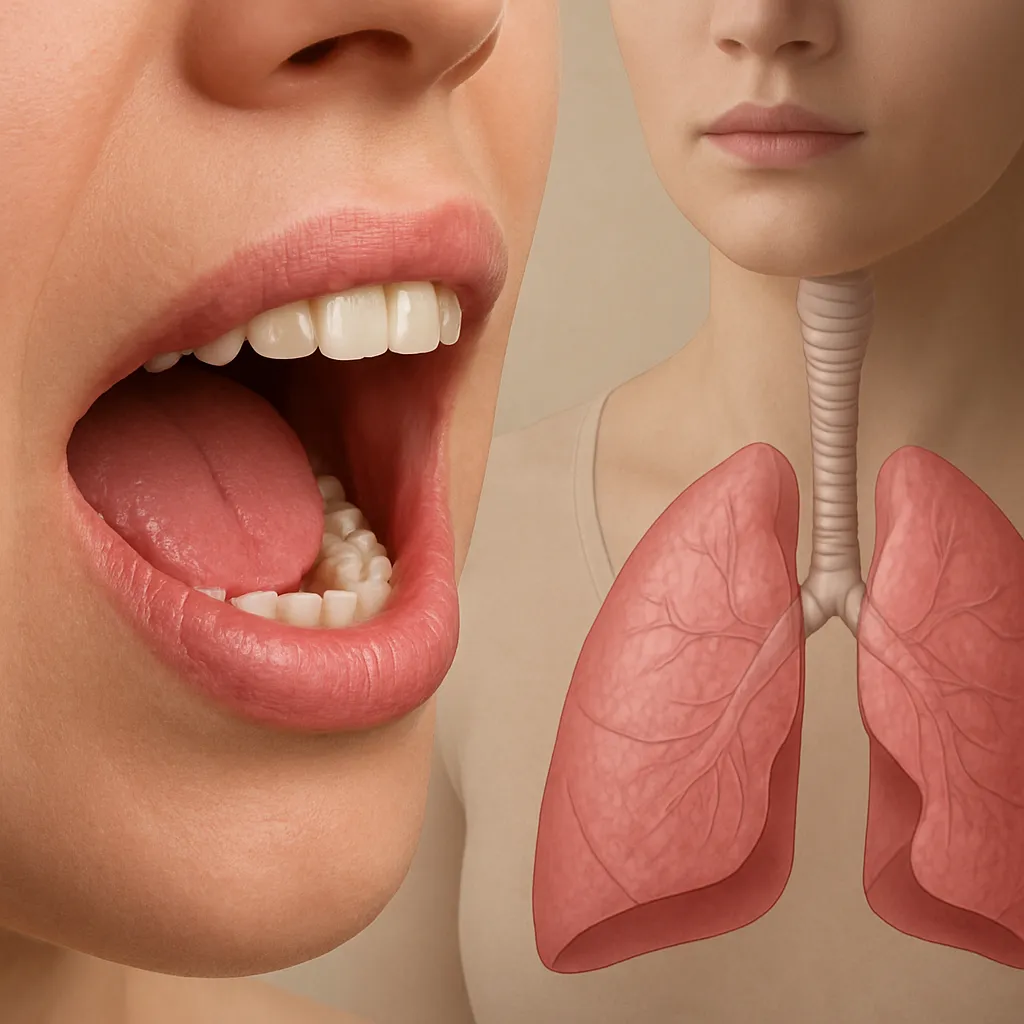
The oral cavity hosts a complex ecosystem of microorganisms, balancing between harmless commensals and potentially pathogenic species. Disruption of this balance—through poor dental hygiene or untreated cavities—allows harmful bacteria to proliferate. When these microbes are aspirated into the lower respiratory tract, they can colonize the lung tissues and trigger harmful processes.
Studies have demonstrated that certain periodontal pathogens share virulence factors with common respiratory agents, indicating a direct mechanistic pathway. Microaspiration during sleep or in patients with swallowing difficulties often transports oral pathogens into the bronchial tree. This migration sets off localized immune reactions, resulting in tissue damage and increased susceptibility to infections.
Mechanisms of Aspiration
- Microaspiration of saliva laden with bacterial biofilm
- Colonization of tracheobronchial epithelium by oral pathogens
- Triggering of systemic inflammation and cytokine release
When aspiration events are frequent, the risk for aspiration pneumonia escalates, especially in individuals with poor neuromuscular control or those requiring mechanical ventilation.
Periodontal Disease as a Contributing Factor
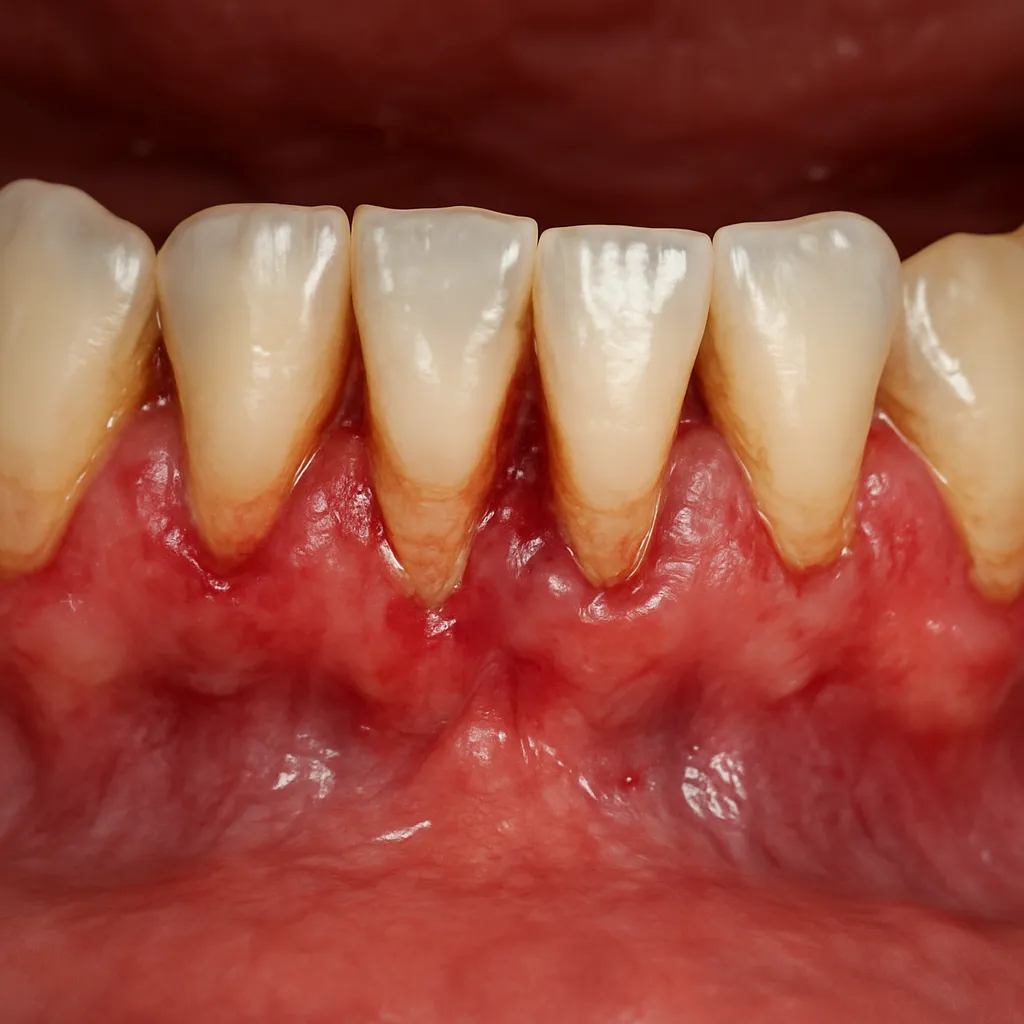
Chronic periodontal disease creates pockets between the gums and teeth, making it a reservoir for pathogens. The deepening of these pockets fosters an anaerobic environment where aggressive bacteria thrive. Without proper intervention, periodontal pockets become persistent sources of infection and systemic inflammation.
- Elevated levels of Porphyromonas gingivalis linked to respiratory colonization
- Gum ulceration facilitating direct bacterial access into the bloodstream
- Release of pro-inflammatory mediators that impair lung defenses
Additionally, periodontal bacteria can modulate the immune response, weakening alveolar macrophage activity and promoting lung tissue damage. This process highlights how oral pathologies contribute to the severity of conditions like chronic obstructive pulmonary disease (COPD) and hospital-acquired pneumonia.
Clinical Evidence Linking Dental Pathogens to Respiratory Infections
Multiple epidemiological studies report higher incidences of respiratory infections in patients with untreated oral diseases. Meta-analyses reveal that individuals with poor oral status are more prone to develop hospital-acquired pneumonia, particularly in intensive care settings. Key findings include:
- Correlations between dental plaque accumulation and ventilator-associated pneumonia
- Increased mortality rates in ventilated patients lacking regular oral care
- Higher frequency of pneumonic events among elderly nursing-home residents with severe periodontal breakdown
These observations underscore the necessity for integrated protocols in both dental and medical wards to monitor oral conditions. Proactive dental assessments can significantly reduce respiratory complications in high-risk cohorts.
Risk Profiles and Vulnerable Populations
Certain groups are disproportionately affected due to underlying health status or lifestyle factors. Identifying and managing these risk factors enables timely interventions:
- Elderly patients with diminished salivary flow and impaired swallowing reflex
- Individuals with neuromuscular disorders affecting cough efficiency
- Immunosuppressed patients, including those undergoing chemotherapy or organ transplantation
- Smokers and chronic alcohol users exhibiting compromised mucosal defenses
By recognizing these high-risk categories, dental practitioners can tailor care plans to incorporate specialized cleaning regimens, antimicrobial mouth rinses, and frequent follow-ups.
Prevention and Management Strategies in Dental Practice
Implementing rigorous oral care protocols is essential for minimizing the incidence of respiratory complications. Dental teams should adopt a multifaceted approach that includes:
- Routine professional cleaning to disrupt biofilms
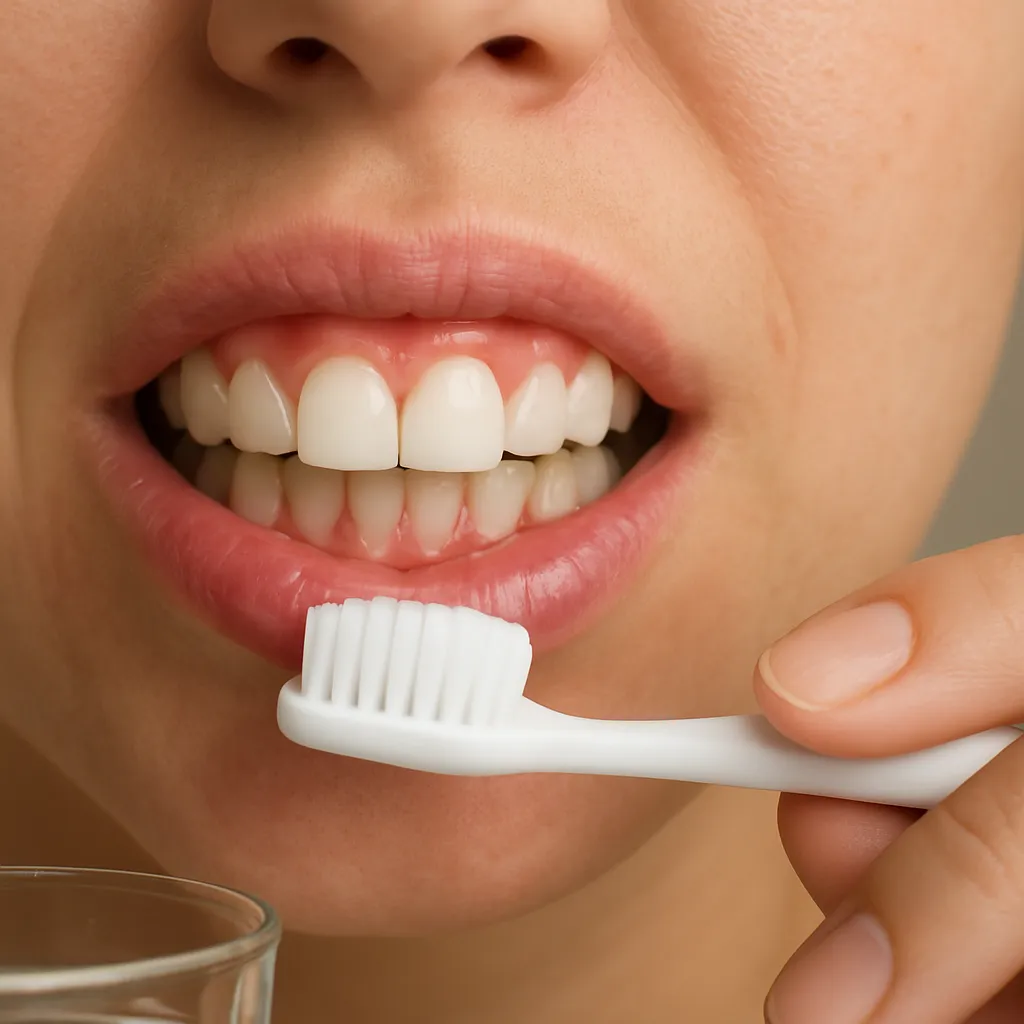
- Patient education focused on correct brushing and interproximal cleaning techniques
- Prescription of chlorhexidine or other antiseptics when indicated
- Coordination with medical staff to manage patients on ventilators or with swallowing disorders
Beyond in-office measures, empowering patients with home care routines enhances long-term outcomes. A strong emphasis on preventive measures—such as proper brushing, flossing, and periodic dental exams—strengthens the oral barrier against pathogenic invasion.
Collaborative Care Models
Effective communication between dental professionals and healthcare providers forms the cornerstone of comprehensive patient management. Joint protocols might include:
- Standardized oral health screenings upon hospital admission
- Shared electronic records documenting periodontal status and ongoing treatments
- Coordinated discharge plans detailing both medical and dental follow-up needs
Such collaborative strategies ensure that patients, especially those who are immunocompromised, receive continuous monitoring and timely interventions to prevent respiratory sequelae.
Innovations and Future Directions
Emerging technologies offer promising avenues to refine preventive and therapeutic practices. Salivary diagnostics can detect markers of both periodontal pathology and systemic inflammation, allowing for early identification of at-risk individuals. Laser therapies and photodynamic disinfection are being evaluated for their efficacy in decreasing microbial loads without contributing to antibiotic resistance.
Furthermore, ongoing research into probiotic applications aims to restore a healthy microbial balance within the oral cavity, potentially reducing the colonization of respiratory pathogens. Such innovations may revolutionize traditional paradigms in oral care and respiratory disease prevention.
Conclusion of Key Insights
Maintaining oral health is integral to preventing a spectrum of respiratory diseases. By identifying pathogenic interactions, implementing targeted hygiene protocols, and fostering interprofessional collaboration, dental practitioners can significantly mitigate risks, safeguard vulnerable populations, and enhance overall patient quality of life.