Dental crowns and bridges are fundamental components in restorative dentistry, designed to **restore** both the **functionality** and **aesthetics** of a patient’s smile. While both treatments serve to replace or strengthen missing or damaged teeth, they differ significantly in their indications, design, and long-term implications. Dentists often weigh multiple factors—such as the condition of adjacent teeth, patient preferences, and overall oral health—when recommending one solution over the other.
Understanding Dental Crowns
Definition and Purpose
A dental **crown** is a custom-made cap placed over a compromised tooth to improve its shape, size, strength, and appearance. Crowns can be used to:
- Protect a weakened tooth after a large filling or root canal therapy
- Cover a severely **damaged** or fractured tooth
- Enhance dental **aesthetics** by masking discoloration
- Anchor a dental **bridge** or cover a dental implant
By enclosing the entire visible portion of a tooth above the gum line, crowns provide robust **support** and restore proper **occlusion** (bite alignment).
Materials Used
The choice of crown **materials** influences its strength, appearance, and suitability for different areas of the mouth. Common options include:
- Porcelain-fused-to-metal (PFM): Combines the **durability** of metal with a porcelain exterior for a more natural look.
- All-ceramic or all-porcelain: Offers superior **aesthetics**, especially for front teeth, but may be less fracture-resistant.
- All-metal (gold or alloys): Exhibits exceptional **strength** and longevity, though metallic color may be less desirable cosmetically.
- Zirconia: Provides a balance of high **strength**, biocompatibility, and pleasing appearance.
Procedure and **Preparation**
The crown placement process typically spans two dental visits:
- Visit 1: Tooth preparation involves removing a thin layer of enamel and dentin to shape the tooth into an ideal **structure** for the crown. An impression or digital scan is then taken.
- Temporary crown: A provisional crown protects the prepared tooth while the final restoration is fabricated in a dental laboratory.
- Visit 2: The final crown is permanently cemented onto the prepared tooth, restoring its **function** and **appearance**.
Exploring Dental Bridges
Definition and Function
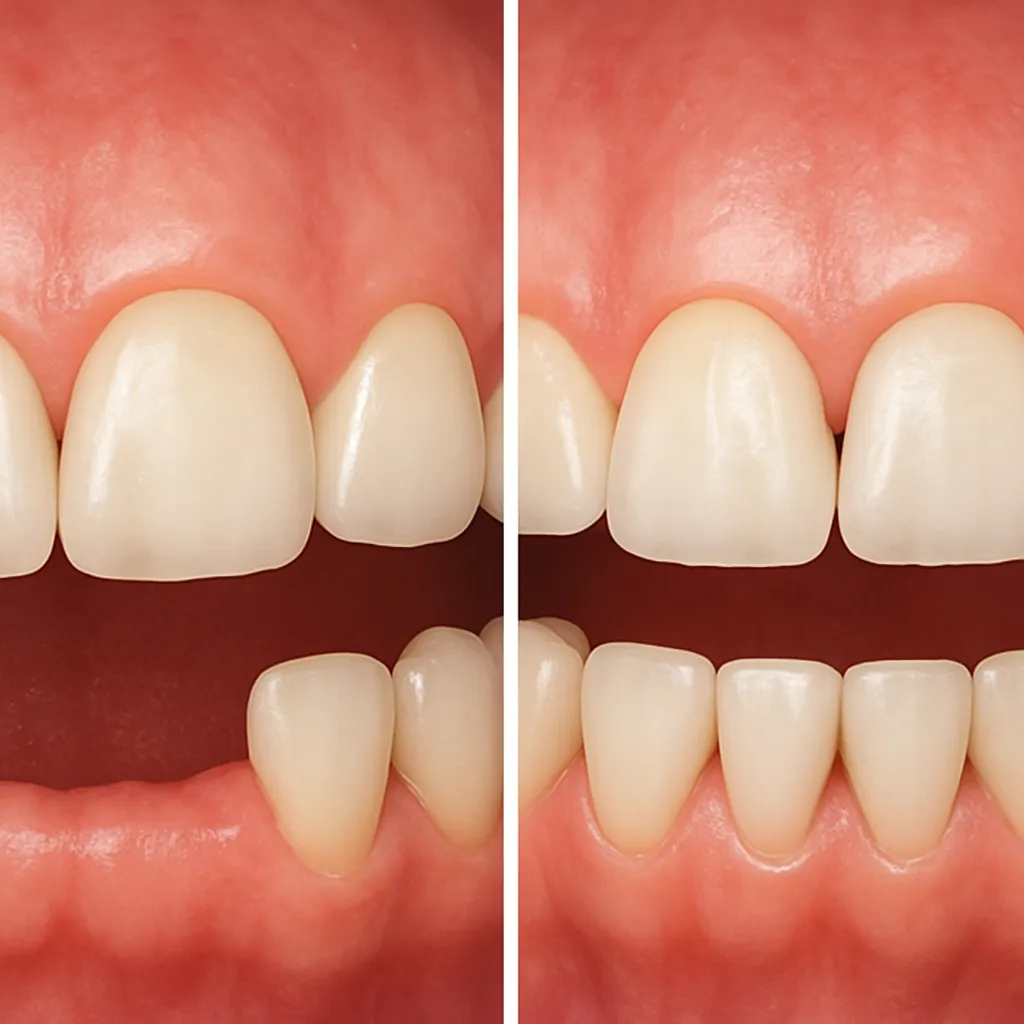
A dental **bridge** replaces one or more missing teeth by “bridging” the gap with prosthetic teeth (pontics) anchored to adjacent natural teeth or implants. Bridges help:
- Maintain proper **bite** alignment by preventing neighboring teeth from shifting
- Restore efficient chewing and speech
- Preserve facial **contours** and prevent bone loss in the jaw
Types of Bridges
Different bridge designs cater to varying clinical situations:
- Traditional fixed bridge: Utilizes crowns on abutment teeth on either side of the gap, with pontics in between.
- Cantilever bridge: Anchored on a single abutment tooth, suitable when only one side of the gap has a strong supporting tooth.
- Maryland (resin-bonded) bridge: Uses metal or ceramic wings bonded to the back of adjacent teeth, preserving more tooth structure.
- Implant-supported bridge: Supported by dental implants rather than natural teeth, offering excellent **stability** and avoiding stress on existing teeth.
Step-by-Step Placement
The bridge placement process generally involves:
- Tooth preparation of abutment teeth, including enamel reduction to accommodate crowns
- Taking detailed impressions or digital scans for precise fit
- Fabrication of the bridge framework and pontics in a dental lab
- Trial fitting to ensure proper **bite** and **fit**, followed by final cementation
In implant-supported bridges, additional steps include surgical placement of implants and a healing period for **osseointegration** before the final restoration.
Key Differences Between Crowns and Bridges
- Purpose: Crowns protect or restore a single damaged tooth, while bridges replace one or more missing teeth by linking multiple units.
- Dependency on Adjacent Teeth: Bridges rely on healthy neighboring teeth or implants for **support**, whereas crowns rely solely on the treated tooth or implant beneath.
- Extent of Tooth Preparation: Bridge placement often requires more extensive **preparation** of adjacent teeth compared to a single crown.
- Span of Restoration: Crowns are limited to individual teeth; bridges span gaps and involve multiple prosthetic units.
- Cost Considerations: Bridges typically incur higher overall costs due to the involvement of multiple crowns or implants.
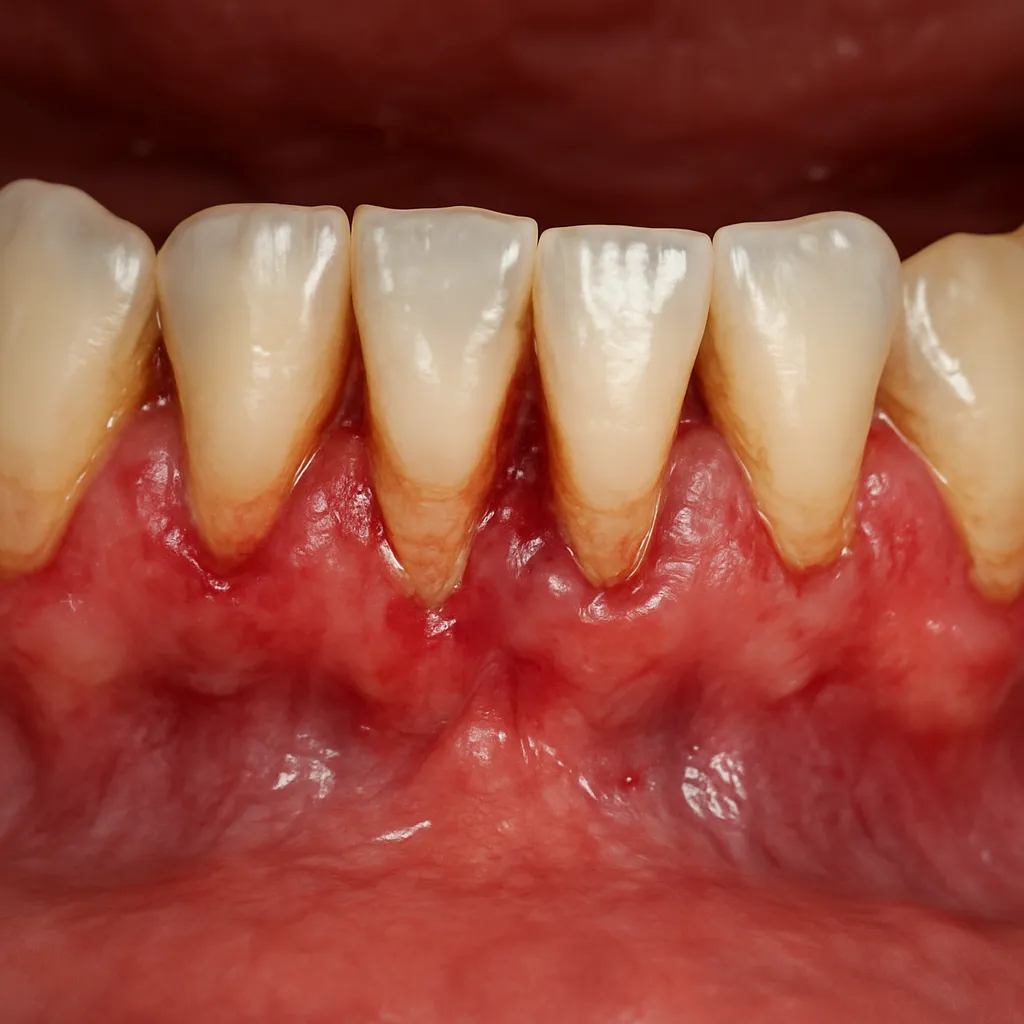
- Long-Term Maintenance: Bridges demand meticulous cleaning beneath pontics and around abutment teeth to prevent decay, while crowns require routine care similar to natural teeth.
Choosing the Right Option for Your Smile
Several factors influence the decision between a crown and a bridge:
- Condition of adjacent teeth: Are they healthy enough to serve as abutments?
- Desired **longevity** and strength: Implants plus crowns may last longer than traditional bridges.
- Budget and insurance coverage: Bridges can be more cost-effective upfront but may require replacement sooner.
- Oral hygiene capabilities: Some patients may find it challenging to clean beneath a bridge pontic.
- Aesthetic demands: Crowns on implants can mimic natural teeth individually, while bridges may show limitations at pontic margins.
Consultation with a qualified dentist or prosthodontist ensures a tailored treatment plan that meets both clinical requirements and personal preferences. Detailed evaluation through clinical exams, imaging, and digital scans helps formulate the most appropriate approach for each patient’s unique needs.
Maintenance and Care
Proper post-restoration care is vital to preserve both crowns and bridges over the years:
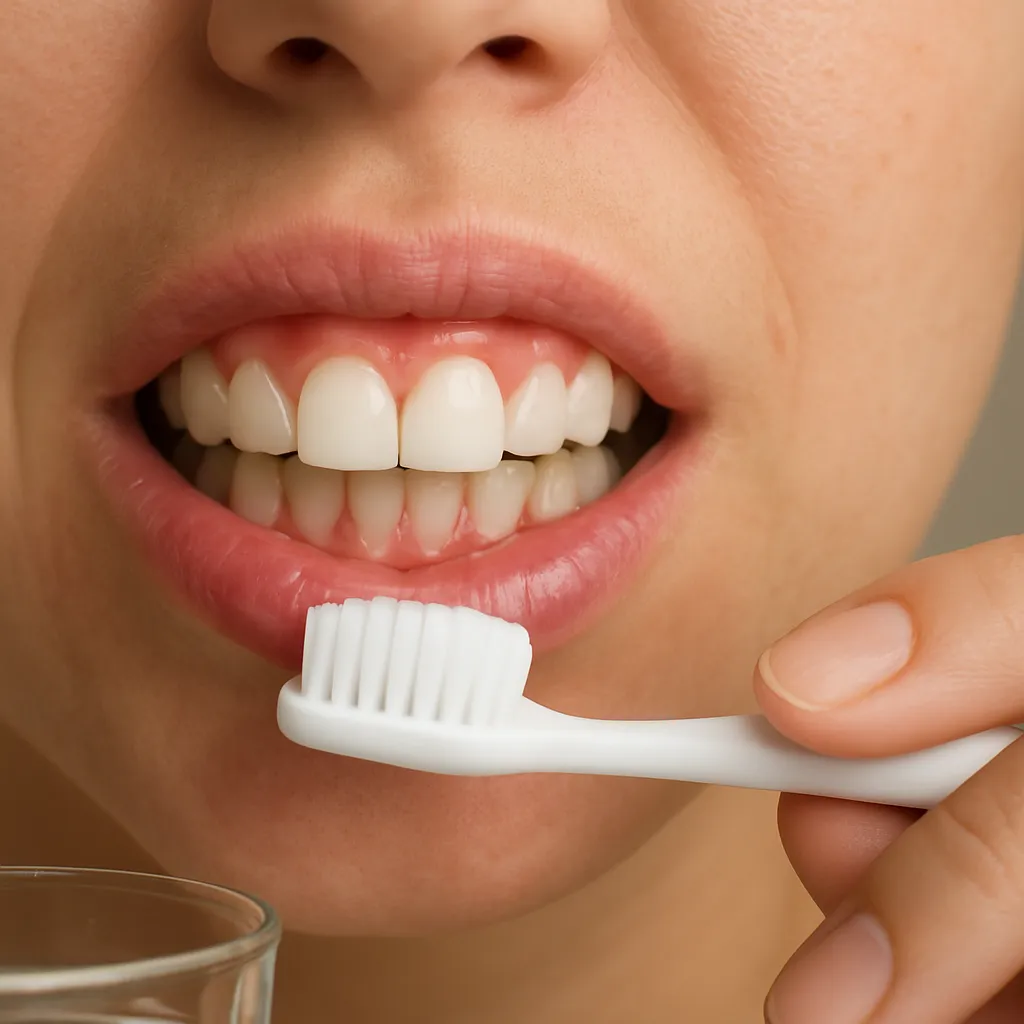
- Brush twice daily with a soft-bristled toothbrush and non-abrasive toothpaste
- Floss carefully around crowns and under bridge pontics using floss threaders or specialized interdental brushes
- Attend regular dental checkups and professional cleanings to monitor for signs of wear or decay
- Wear a nightguard if you grind or clench your teeth to protect your restorations from excessive force
- Avoid chewing on hard objects like ice or hard candy that can chip porcelain or damage metal frameworks
With consistent home care and professional oversight, both crowns and bridges can deliver years of reliable function, restoring your confidence and oral health.