Gum bleeding can be alarming, but understanding its root causes and applying the right natural strategies can help restore healthy, vibrant gums. This article explores the main factors behind bleeding gums, provides proven home remedies, and outlines preventive measures to maintain optimal oral health.
Understanding the Causes of Gum Bleeding
Gingivitis and Periodontal Disease
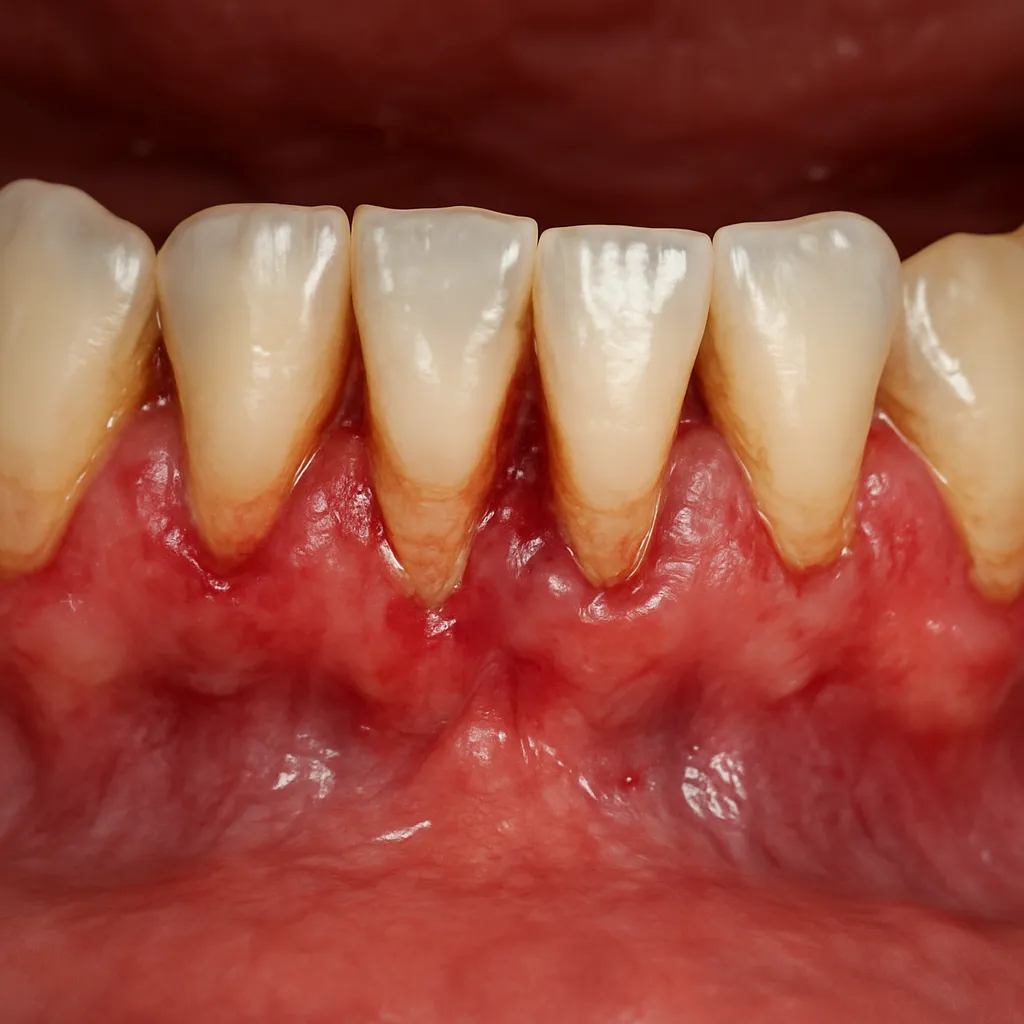
Gingivitis is the initial stage of gum disease characterized by red, swollen gums that bleed easily, especially when brushing or flossing. If left untreated, it can progress to periodontitis, causing gum recession and bone loss. The primary trigger is the accumulation of plaque—a sticky film of bacteria that irritates gum tissue. Proper identification of gingivitis versus more advanced periodontal issues is crucial for selecting appropriate natural interventions.
Other Contributing Factors
- Poor Oral Hygiene: Irregular brushing and flossing allow harmful bacteria to thrive.
- Hormonal Changes: Pregnancy, menstruation, and menopause can increase gum sensitivity due to fluctuating estrogen and progesterone levels.
- Deficiencies: Insufficient intake of vitamin C and vitamin K can weaken gum walls, making them prone to bleeding.
- Medications: Blood thinners and certain prescriptions may cause gums to bleed more easily.
- Systemic Conditions: Diabetes, blood disorders, and cardiovascular disease often manifest oral symptoms, including bleeding gums.
Effective Natural Remedies
Oil Pulling
Oil pulling involves swishing a tablespoon of coconut or sesame oil in the mouth for 10–15 minutes, then spitting it out. This ancient Ayurvedic practice helps reduce harmful bacteria in the oral cavity, lowers inflammation, and strengthens gums. The lauric acid in coconut oil has natural antimicrobial properties that combat plaque build-up and soothe irritated tissues.
Herbal Rinses and Infusions
Herbs contain bioactive compounds that help calm inflammation and support gum repair. Popular choices include:
- Chamomile: Its anti-inflammatory and antiseptic properties calm swelling and reduce bleeding.
- Clove Oil: Eugenol, the active ingredient, provides analgesic relief and antimicrobial action.
- Aloe Vera: Known for its soothing effects, aloe helps heal gum tissues and inhibits bacterial growth.
- Sage: A potent astringent that tightens gum fibers and reduces bleeding.
- Green Tea: Rich in catechins, it reduces inflammation and strengthens gum attachment.
Vitamin and Mineral Supplements
Ensuring adequate nutrient intake is vital for gum repair and resilience. Consider supplementing with:
- Vitamin C: Essential for collagen synthesis, it strengthens capillaries and speeds healing.
- Vitamin K: Supports blood clotting and reduces bleeding tendency.
- Zinc: Enhances immune response and fights bacterial infection.
- Calcium: Maintains strong jawbone and gum attachment.
- Probiotics: Beneficial strains such as Lactobacillus can rebalance oral microbiota, inhibiting harmful bacteria.
Prevention and Long-Term Maintenance
Oral Hygiene Best Practices
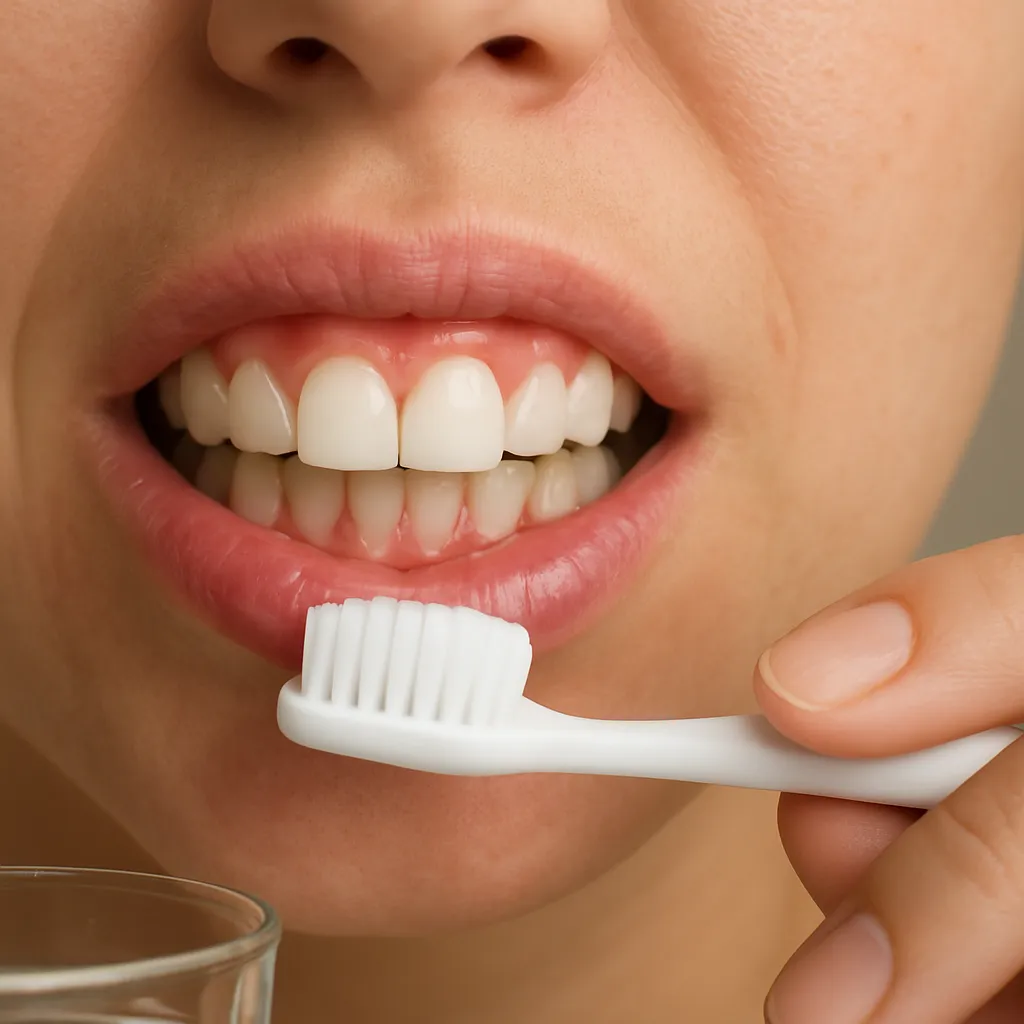
- Brush twice daily with a soft-bristle toothbrush to avoid gum abrasion.
- Floss gently once per day to remove interdental plaque.
- Use an antimicrobial mouthwash to rinse away residual bacteria.
- Replace your toothbrush every three months or after illness.
- Consider an electric toothbrush for more consistent plaque removal.
Lifestyle and Dietary Adjustments
- Maintain a balanced diet rich in fresh fruits, vegetables, and lean proteins to supply essential nutrients.
- Limit sugary snacks and acidic beverages that erode enamel and irritate gums.
- Stay hydrated to promote saliva production, which naturally flushes bacteria.
- Quit smoking to improve circulation and immune response in gum tissues.
- Manage stress levels through meditation or exercise, as stress hormones can weaken gum defenses.
When to Seek Professional Help
If bleeding persists after two weeks of consistent home care, schedule a dental examination. A professional cleaning can remove hardened tartar that home remedies can’t reach. In cases of advanced periodontitis, targeted therapies such as scaling and root planing are necessary to halt disease progression and protect overall health. Regular check-ups ensure early detection of potential issues and reinforce effective gum care routines.