Dental bonding is an increasingly popular cosmetic procedure that can transform a smile with minimal intervention. By applying a tooth-colored material to repair chips, gaps, or discolorations, dentists enhance the overall appearance and function of teeth. This technique offers a cost-effective and time-efficient solution for patients seeking subtle improvements or quick touch-ups to their dental aesthetics.
What Is Dental Bonding and How Does It Work?
Dental bonding involves the application of a pliable, tooth-colored mixture known as composite resin directly onto the surface of a tooth. After preparing the tooth by etching its enamel to increase adhesion, the dentist sculpts the resin to the desired shape, ensuring a natural look that blends with surrounding teeth. A specially designed light then cures the material, hardening it and forming a durable bond. Final polishing gives it a smooth, glossy finish that mimics the look of natural enamel. This minimally disruptive process usually takes less than an hour per tooth and often requires no anesthesia unless extensive repair work is needed.
Advantages and Potential Limitations of Dental Bonding
Understanding the benefits and challenges of dental bonding can help patients make informed decisions. Some of the key advantages include:
- Minimally invasive technique with little to no removal of healthy tooth structure.
- Fast treatment time, often completed in a single visit.
- Ability to improve aesthetics by covering stains, closing gaps, and repairing chips.
- Cost-effective compared to crowns, veneers, or orthodontic treatments.
- Easy to repair if the bonded surface becomes chipped or worn.
However, there are also considerations to keep in mind:
- Composite resin may stain over time, necessitating regular stain removal and polishing.
- The overall durability is less than that of porcelain veneers or crowns; bonding typically lasts between 4 to 10 years.
- Not suitable for extensive tooth damage or severely misaligned teeth without additional procedures.
- Exact shade matching can be challenging, requiring skill to blend the composite seamlessly with natural dentition.
Step-by-Step Examination of the Bonding Procedure
To better appreciate how dentists execute the bonding process, it helps to examine each stage carefully:
1. Initial Assessment and Treatment Planning
The dentist begins with a thorough examination of oral condition and patient expectations. Digital photographs or mock-ups may be used to preview results. Discussion of potential risks and benefits ensures informed consent.
2. Tooth Preparation
No anesthesia is usually required unless the bonding area is near the pulp. The enamel surface is slightly roughened using a mild acidic solution to create micro-grooves, enhancing mechanical adhesion.
3. Application of Bonding Agent
A specialized bonding liquid is painted onto the tooth. This agent seeps into the micro-grooves and forms a strong interface between the natural tooth and the composite.
4. Layering Composite Resin
The dentist applies the composite resin in layers, sculpting each increment to achieve ideal contours and anatomical detail. Pigments may be added to match adjacent teeth.
5. Curing with Blue Light
A curing lamp emitting blue light activates photoinitiators in the resin, rapidly hardening the material. Each layer is cured separately to ensure complete polymerization.
6. Shaping and Polishing
Once hardened, the bonded area is trimmed, refined, and polished to a high shine. This step ensures a smooth surface that resists staining and blends seamlessly into the overall smile.
Maintenance Tips for Long-Lasting Results
To maximize the lifespan of bonded restorations and maintain optimal oral health, patients should follow these guidelines:
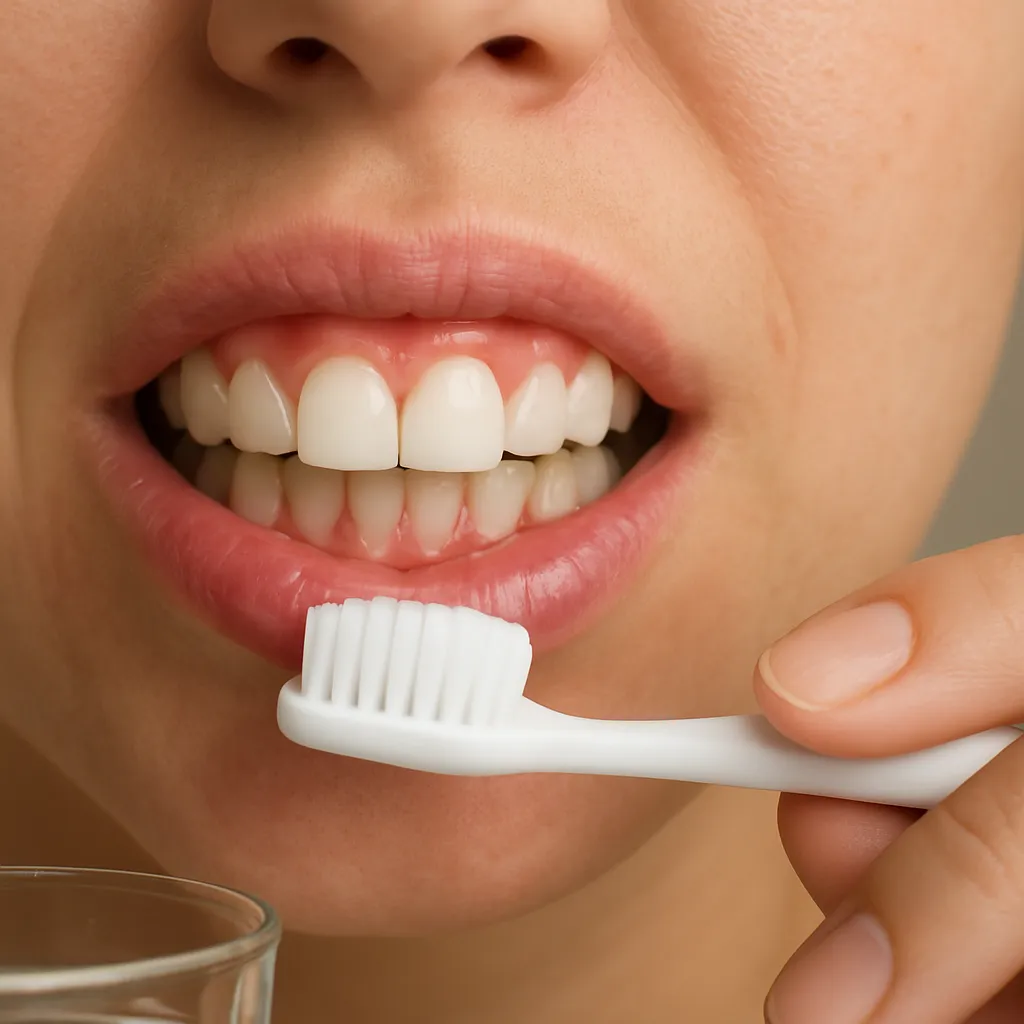
- Brush twice daily with a soft-bristle toothbrush and nonabrasive toothpaste.
- Floss daily to prevent plaque accumulation at the gumline and around bonded areas.
- Avoid biting hard objects—ice, pens, or fingernails—to reduce the risk of chipping.
- Limit consumption of staining substances such as coffee, tea, red wine, and tobacco products.
- Schedule professional cleanings and check-ups every six months to monitor the bonded surfaces and overall dental condition.
- Consider occasional touch-up appointments for minor polish adjustments or repairs to maintain optimal restoration appearance.
By adhering to these recommendations, many patients experience attractive smiles for years before needing additional cosmetic updates. Dental bonding remains a versatile and patient-friendly option for those seeking a swift enhancement of their dental aesthetics.