Maintaining a bright smile and robust oral health goes beyond aesthetics; it represents a **preventive** approach to well-being that can deliver significant **savings** over a lifetime. Allocating time and resources to **regular visits** with a dental professional is more than a routine chore—it’s an **investment** in comfort, confidence, and financial stability. Exploring the multifaceted benefits of scheduled checkups makes one fact clear: the path to cost-effective care lies in consistent attention to your teeth and gums.
The Significance of Preventive Care
Adopting a prevention-focused mindset transforms each dental appointment into an opportunity to thwart problems before they escalate. Routine cleanings and examinations help remove stubborn plaque, discouraging the formation of **cavities** and halting the progression of **periodontal disease**. While the expense of a routine visit may seem unnecessary to some, the reality is that early interventions often cost a fraction of what major restorative or emergency procedures demand.
- Scheduled cleanings remove tartar and biofilm that brushing alone can’t eliminate.
- Professional assessments detect enamel erosion, bite misalignments, and gum recession in their infancy.
- Fluoride treatments and sealants act as fortifications against decay, prolonging tooth integrity.
By consistently reinforcing good oral habits under professional supervision, patients build resilience against chronic issues—turning each visit into a strategic step toward durable, cost-effective care.
How Early Detection Saves Money
Swift identification of minor issues avoids the need for complex procedures later on. A small fissure in a molar might only warrant a bonding treatment if caught promptly. Left unchecked, that fissure could deepen, necessitating a root canal or even extraction followed by implant placement. This scenario illustrates how **early detection** drastically reduces the complexity—and expense—of treatment.
Spotlight on Diagnostic Tools
- Digital X-rays reveal hidden decay and bone loss with minimal radiation.
- Intraoral cameras magnify subtle lesions, enabling precise, targeted care.
- Periodontal probes measure gum pocket depths to gauge infection risk.
These advanced instruments transform routine checkups into powerful defenses against costly emergencies, emphasizing that the slightest warning sign can be addressed swiftly and economically.
Reducing the Need for Extensive Procedures
When patients skip appointments, minor discomforts often evolve into major health concerns. A neglected cavity may spread infection through the root canal system, requiring a series of appointments, specialized equipment, and more expensive materials. By comparison, a small filling applied during a preventive visit is expedient and budget-friendly.
- Simple fillings versus crowns or onlays
- Gum scaling versus surgical flap procedures
- Night guards for bruxism versus complex restorative work from worn dentition
Regular maintenance curtails the domino effect of neglected oral issues, safeguarding both your smile and your wallet from the ripple of escalating treatments.
The Role of Patient Education and Home Care
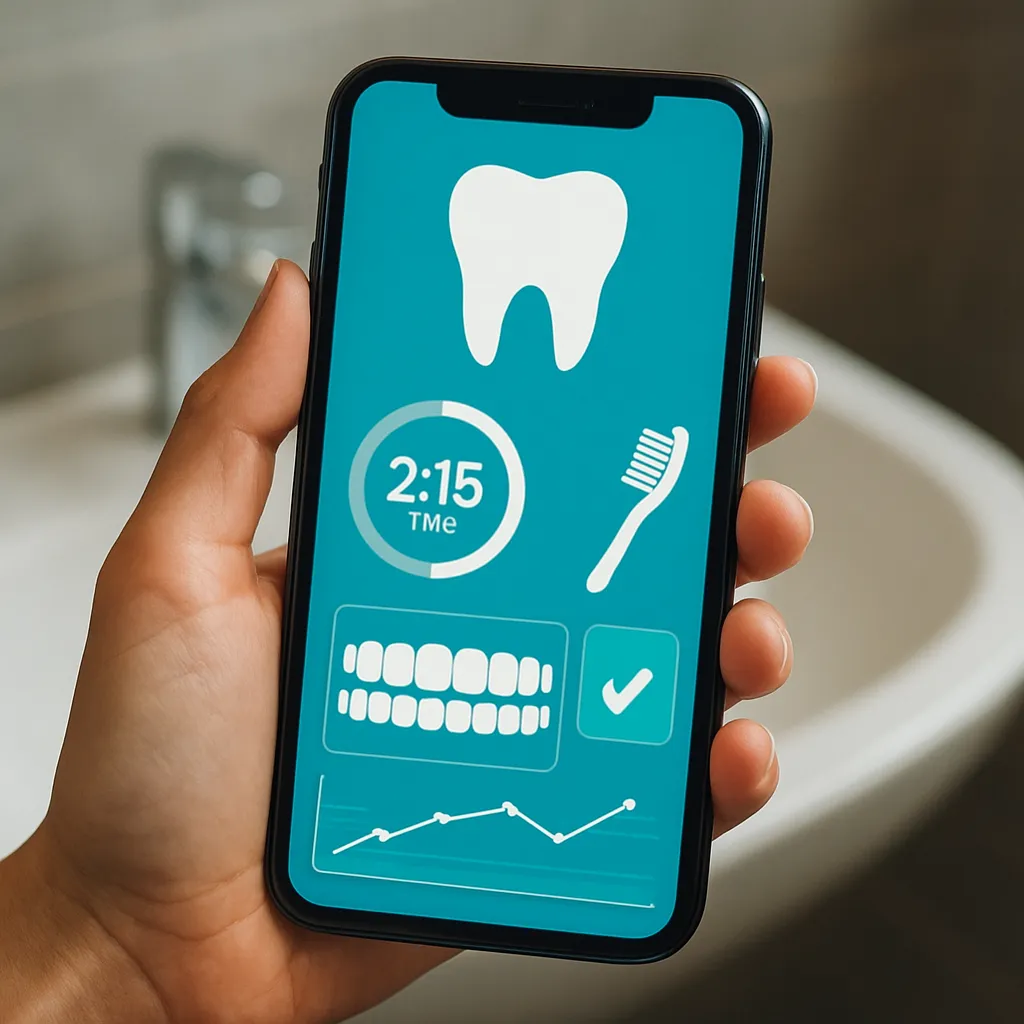
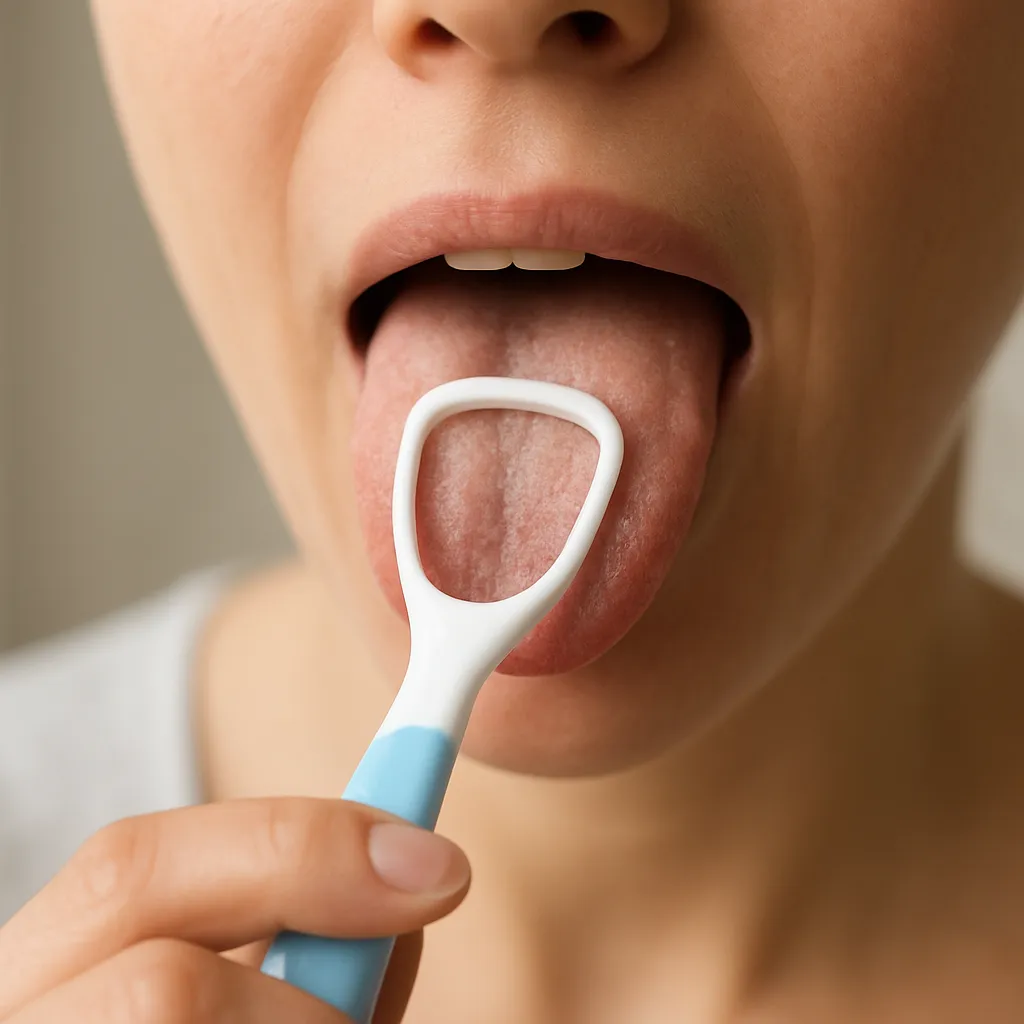
Professional visits are only part of the puzzle. Effective long-term cost reduction also relies on patient commitment to daily routines and informed lifestyle choices. During consultations, dentists and hygienists offer personalized guidance on brushing techniques, flossing strategies, and dietary adjustments that minimize acid exposure and bacterial growth.
- Selecting the right toothbrush and toothpaste for enamel protection
- Implementing interdental cleaning tools to reach stubborn debris
- Understanding the impact of sugar, acidity, and tobacco on oral tissues
Equipping patients with the knowledge to care for their teeth at home multiplies the value of each **dentistry** appointment, ensuring that professional efforts aren’t undermined by inadequate follow-through.
Cost Comparison: Routine Care Versus Emergency Treatments
Consider two hypothetical scenarios over a five-year span. Patient A attends biannual appointments and adheres to recommended home care. Patient B skips dental visits until acute pain strikes. The financial outcomes diverge sharply:
- Patient A: Two cleanings and exams per year, minor fillings as needed. Estimated total cost: moderate, predictable, and spread evenly.
- Patient B: Emergency tooth extraction, infection management, temporary prosthesis, eventually an implant-supported restoration. Estimated total cost: up to five times higher, concentrated in large lump sums.
This comparison underscores how regular attention prevents the cascade of complications that drive up long-term expenditures.
Conclusion of Strategic Oral Health
Embracing a proactive dental ethos—anchored in **regular visits**, thorough home care, and collaborative communication—delivers both health and fiscal benefits. Each appointment serves as a bulwark against disease progression, while patient education fosters daily habits that reinforce professional efforts. By prioritizing routine care, individuals secure not only a radiant smile but also a cost-effective approach to lifelong oral wellness.