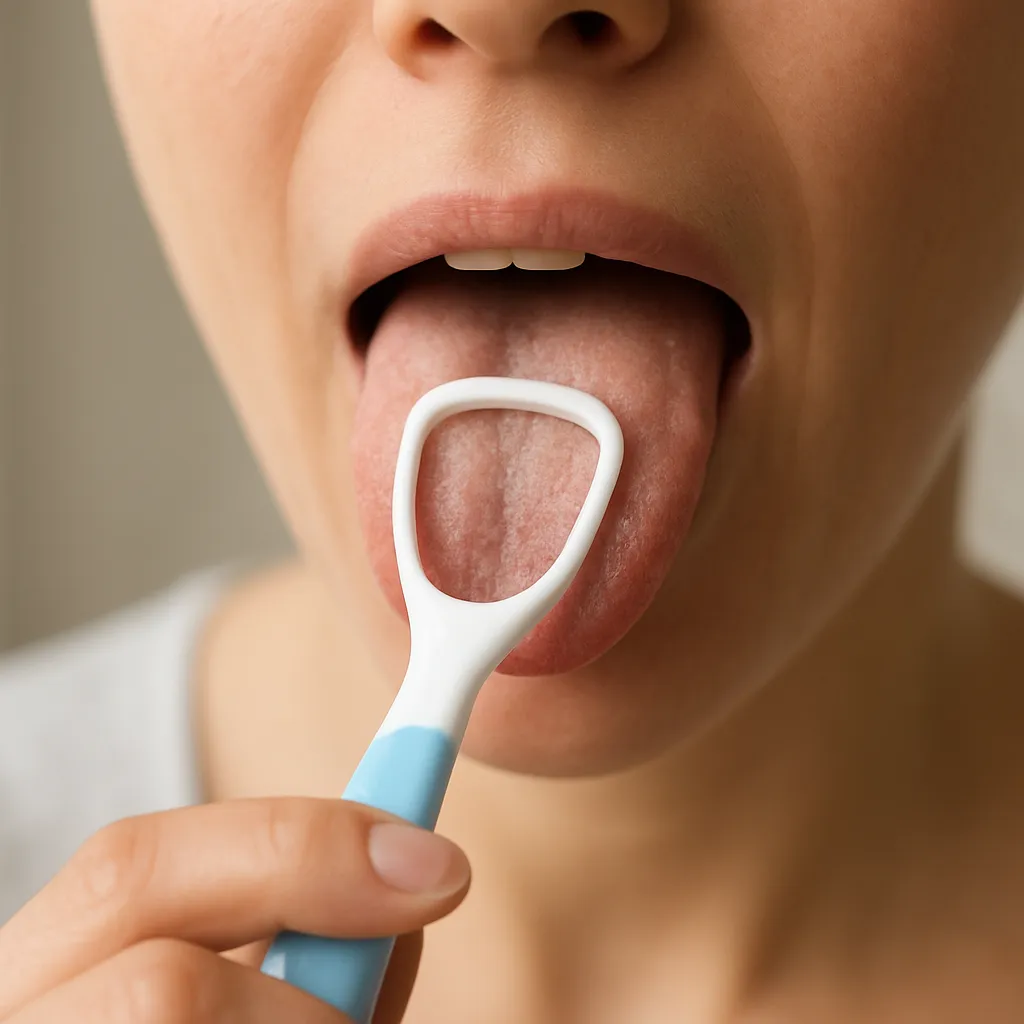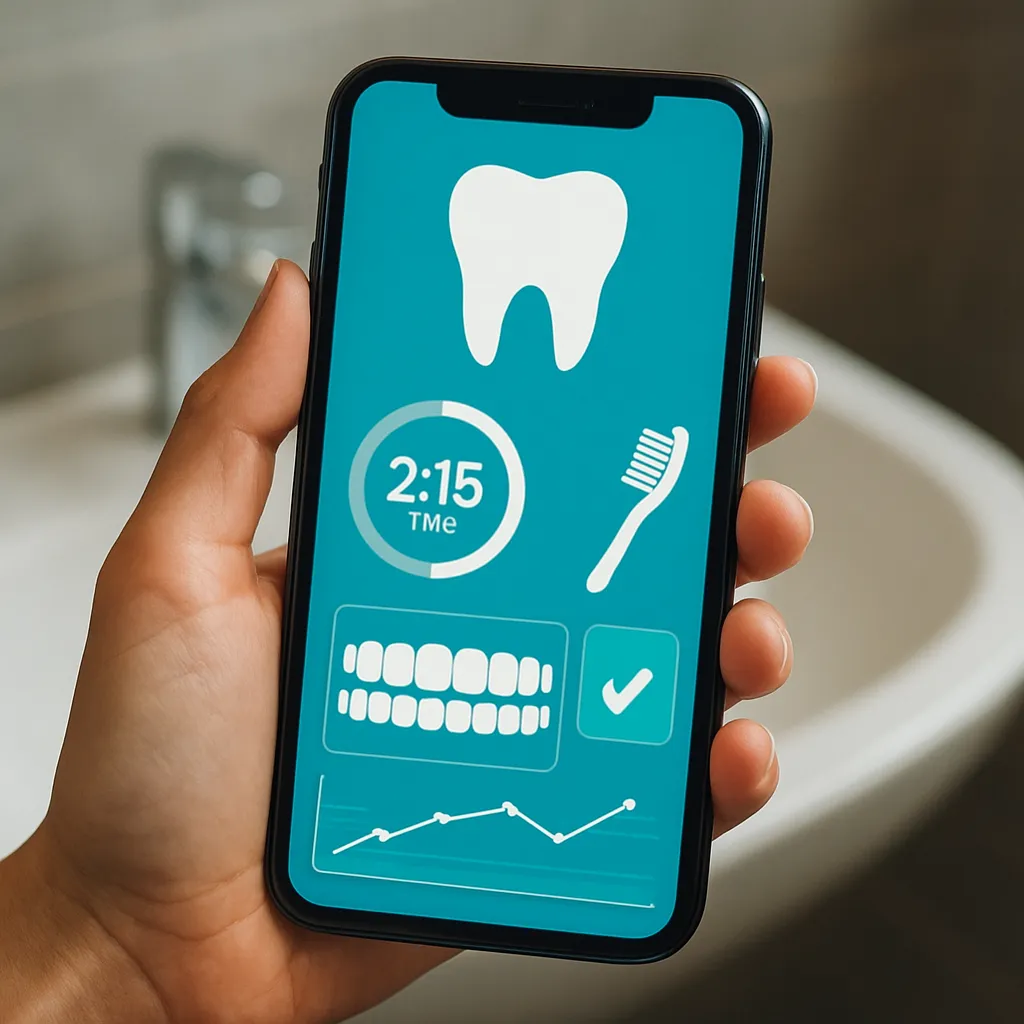
Maintaining a healthy smile has never been easier thanks to the latest smartphone applications designed for oral hygiene and tracking daily habits. These tools have revolutionized the way dentists and patients collaborate on preventive care. By offering personalized tips, timely reminders, and data-driven insights, these apps boost motivation and help monitor progress toward ideal dental health. This article explores the top apps, their features, and how they foster greater compliance with recommended routines, as well as the role of professional involvement in maximizing benefits.
Benefits of Dental Apps for Patients and Dentists
Digital solutions have brought a paradigm shift to preventive dentistry by placing powerful tools directly in the hands of patients. With interactive timers for brushing, flossing guides, and daily checklists, these applications help users follow the dentist’s recommendations more consistently. Real-time data sharing allows practitioners to review a patient’s habits between appointments, identify potential issues early, and tailor advice based on empirical evidence rather than recollection alone.
For patients, the convenience of logging visits, treatments, and symptoms in one centralized platform reduces appointment anxiety and increases engagement. Customizable alerts ensure that no essential step—such as rinsing or interdental cleaning—is skipped. Many apps gamify the experience, awarding badges or virtual rewards for streaks of ideal performance, which enhances adherence. From the clinician’s perspective, remote monitoring permits more efficient workflow: only those requiring immediate attention need in-office visits, freeing chair time and improving practice profitability.
Moreover, patient education modules embedded within these apps can cover topics like dietary impacts on enamel, proper technique for fluoride application, and post-operative care instructions. By empowering users with accessible, bite-sized content, dentists can reinforce key concepts without extending consultation times. Overall, the synergy between user-centric design and evidence-based dentistry leads to healthier outcomes, fewer emergency treatments, and heightened satisfaction on both sides of the chair.
Top Dental Apps to Enhance Your Routine
-
Brush DJ
Brush DJ plays two minutes of your favorite music while you brush, encouraging optimal timing. A built-in timer, calendar, and flossing reminder ensure every session meets professional guidelines. Automatic notifications can prompt you to replace your toothbrush head, log dental check-ups, and track fluoride use. Data export features help share progress with your dentist.
-
Quip App
Paired with a sleek electric toothbrush, Quip’s app delivers timed pulses, visual tutorials, and progress charts. Users can join brushing challenges, compare scores with friends, and unlock achievements. Clean, minimalist design focuses on ease of use, while premium subscribers enjoy exclusive video content from dental experts.
-
Dental Monitoring
Designed for orthodontic and restorative care, Dental Monitoring leverages AI to assess teeth movement and oral health from smartphone photographs. Patients upload weekly scans, and the platform flags issues like bracket debonding, plaque buildup, or gingival inflammation. Coaches and dentists receive real-time alerts to intervene promptly.
-
myDental
myDental acts as a patient portal, centralizing treatment records, appointment scheduling, and secure messaging. Custom care plans can be synced to daily checklists, ensuring users follow pre-surgery or post-op protocols accurately. Rainy-day reminders keep patients on track, and two-way chat enables quick clarifications about symptoms or side effects.
-
MouthWatch Teledentistry
This platform integrates intraoral camera images with video conferencing, allowing remote exams and consultations. Patients capture high-resolution photos of suspicious lesions or post-treatment sites, and dentists annotate concerns directly on the images. The seamless exchange of visual data expedites diagnoses and reduces unnecessary office visits.
Integrating Apps into Professional Dental Care
Successful adoption of digital tools requires alignment between patient expectations and clinical protocols. Dentists should introduce recommended apps during routine visits, demonstrate key features, and set measurable goals—such as two minutes of brushing twice daily or spotting early signs of gum recession. Providing patients with written or digital guides on app setup fosters confidence and reduces technical barriers.
On the practice side, secure APIs and Health Level Seven (HL7) interfaces allow direct import of app-collected metrics into electronic health records. Through data analytics dashboards, clinicians can visualize trends across their patient population, identify individuals at risk for caries or periodontal disease, and allocate resources for targeted education programs. Group workshops or virtual webinars can further reinforce best practices, ensuring everyone benefits from the latest advancements.
Tele-dentistry also gains momentum as practitioners use app-generated visuals and logs to triage emergencies, prescribe interventions remotely, and monitor healing. By leveraging these capabilities, dental teams cultivate stronger relationships, minimize treatment delays, and foster a sense of shared responsibility for health outcomes.
Tips and Future Directions for Digital Oral Care
To maximize the impact of dental apps, users should:
- Sync devices regularly to avoid data gaps.
- Review progress reports with your dentist at each visit.
- Engage in community features or forums for peer support.
- Customize reminders to match your daily routine and lifestyle.
- Secure accounts with strong passwords and enable two-factor authentication.
Looking ahead, integration of augmented reality (AR) will introduce interactive brushing tutorials projected in real time, and advanced machine learning models will provide even more precise risk assessments. Blockchain-based solutions may empower patients to own and share their dental data selectively, enhancing privacy while facilitating research collaborations. Gamification strategies will evolve with virtual reality (VR) experiences, turning oral care into immersive adventures that sustain long-term engagement.
As technology continues to converge with clinical expertise, the collaborative ecosystem between patients, apps, and dental professionals promises to deliver unprecedented levels of preventive care, early detection, and personalized treatment. Embracing these innovations today lays the groundwork for healthier smiles tomorrow.