Every individual strives for a dazzling smile and optimal hygiene, yet the importance of timely toothbrush head replacement often remains overlooked. A seemingly minor detail, the lifespan of a brush head can directly impact the removal of plaque, prevention of cavities, and overall gum health. This article examines professional guidelines, warning signs, and practical tips to ensure you’re not unknowingly compromising your oral care routine.
Understanding Toothbrush Head Wear
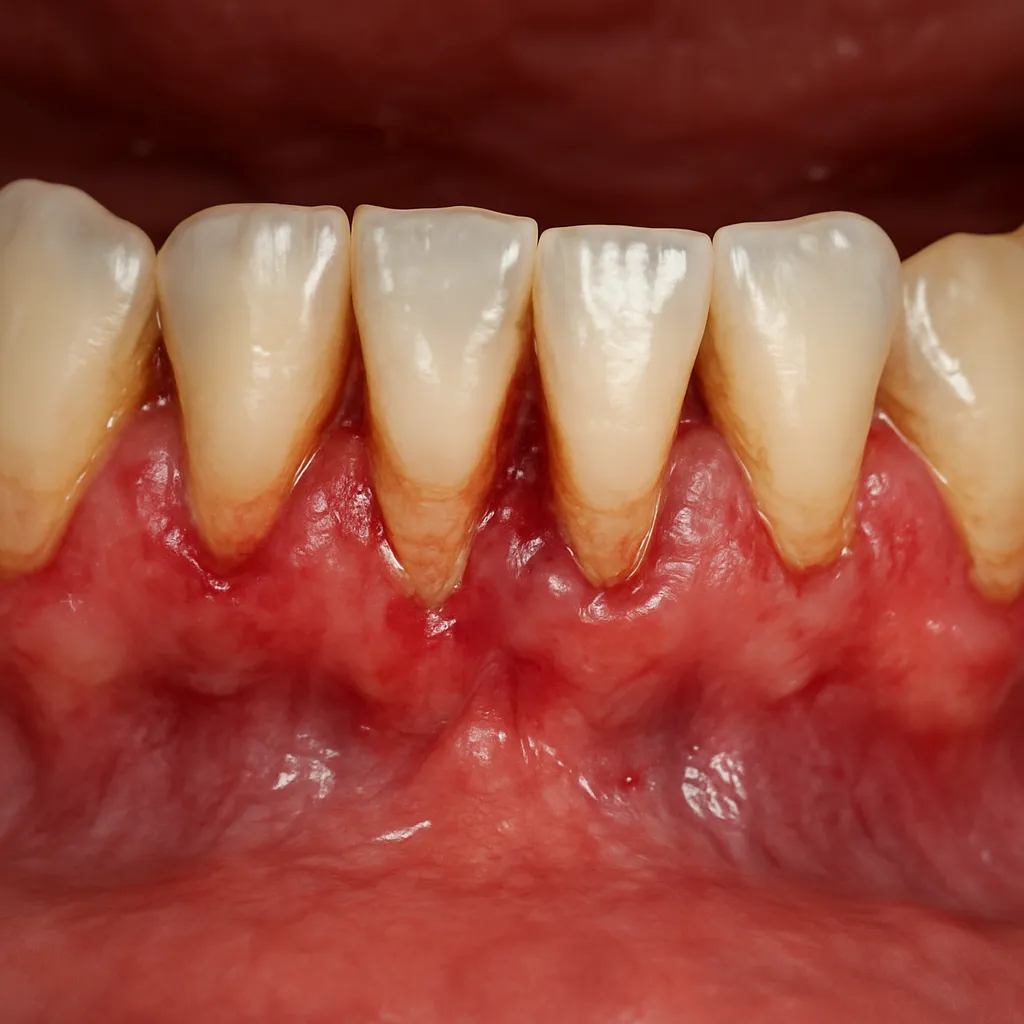
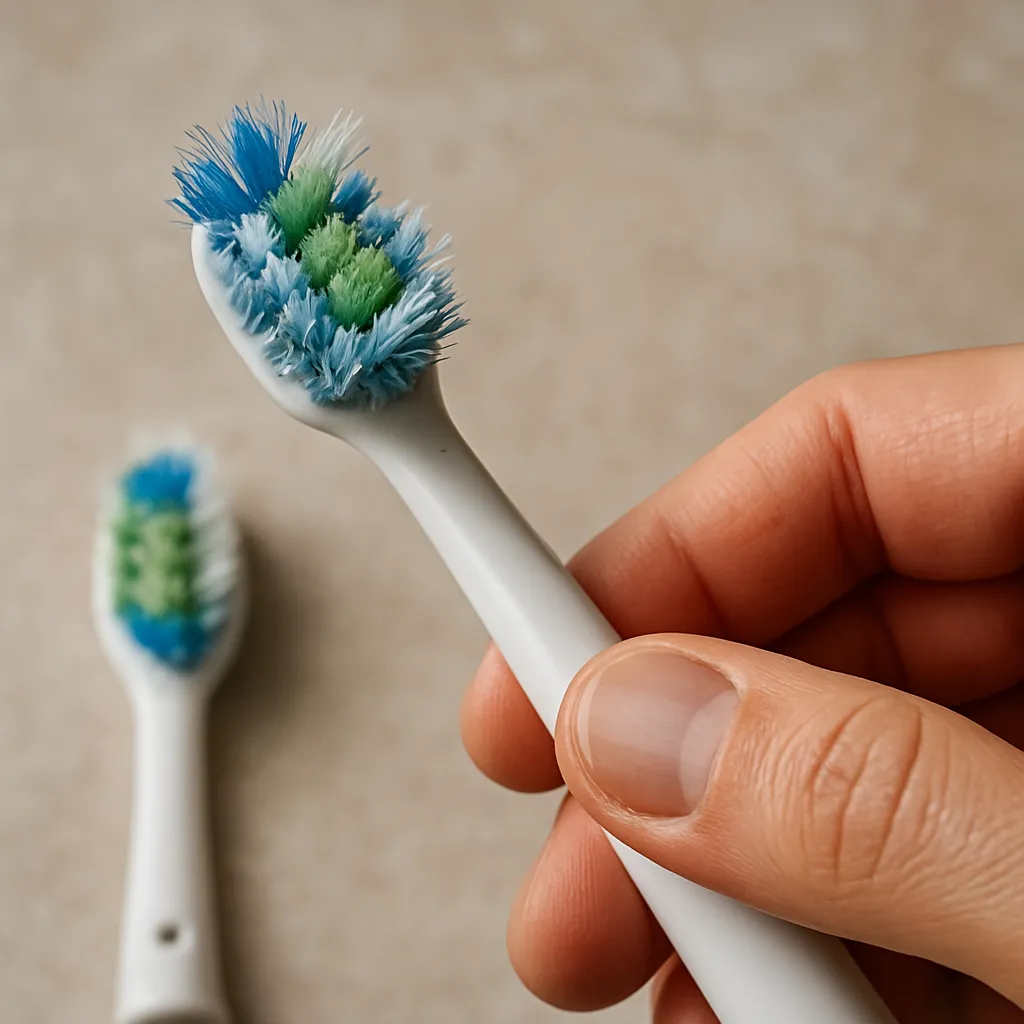
Over time, the bristles on a toothbrush head lose their structural integrity. Frayed or splayed bristles reduce brushing efficiency, leaving behind residue that fosters the growth of bacteria. Dental professionals emphasize that worn-out bristles can fail to reach the tight spaces between teeth and along the gumline, where harmful germs thrive. Without an effective cleaning edge, you may unknowingly contribute to contamination of your mouth, increasing the risk of gingivitis, periodontitis, and decay.
- Physical wear: After countless strokes, bristles bend outward and can no longer provide the firm, uniform contact needed.
- Microbial buildup: Damp environments promote the proliferation of germs that cling to toothbrush heads, turning the tool itself into a reservoir.
- Material fatigue: Low-quality nylon bristles break down faster, losing shape and resilience within weeks.
Recommended Replacement Intervals
Dental associations worldwide converge on the recommendation that toothbrush heads be replaced every three months at a minimum. This guideline applies whether you use a manual brush or an electric handle with detachable heads. However, certain circumstances may necessitate more frequent changes:
- After recovering from an infectious illness, such as influenza or strep throat, to avoid reinfection.
- If bristles appear worn or visually distorted before the three-month mark.
- When multiple users share the same handle (even with separate heads), cross-contamination risk increases.
Some electric toothbrush brands integrate color-changing bristle tips or built-in timers that alert users when it’s time for a new head. While these features can be useful reminders, visual and tactile inspection remains essential, especially for those without advanced indicator technology.
Signs It’s Time for a New Toothbrush Head
Being attentive to subtle cues can help you identify when replacement is overdue. Among the most reliable indicators are:
- Splayed bristles: When bristle clusters spread apart rather than standing upright.
- Discoloration: Yellowing or staining that regular rinsing fails to remove.
- Unpleasant smell: Lingering odor despite thorough cleaning and drying.
- Reduced cleaning feel: A sensation that teeth aren’t as clean or smooth after brushing.
Ignoring these signs can lead to diminished brushing performance, allowing plaque to accumulate and harden into tartar, which often requires professional dentist intervention for removal.
Factors Influencing Replacement Frequency
While the three-month rule serves as a general guideline, individual habits and conditions can demand adjustments:
- Brushing intensity: People who apply heavy pressure or brush aggressively may fluff bristles faster.
- Oral health status: Individuals with gum disease or orthodontic appliances often need more frequent head changes for optimal cleaning performance.
- Storage environment: Humid or enclosed spaces trap moisture, fostering microbial growth on the brush head.
- Quality of materials: Premium brush heads with higher-grade nylon and antimicrobial coatings may maintain bristle shape longer than basic models.
Adjust your replacement schedule according to these variables. For instance, if you notice bristle separation after six or seven weeks of intensive cleaning around braces or bridges, don’t wait for the three-month mark to pass before swapping heads.
Tips for Maintaining Optimal Oral Care
Beyond timely replacement, proper toothbrush head maintenance can extend lifespan and ensure maximum efficacy:
- Rinse thoroughly under running water after each use to remove toothpaste residue and debris.
- Store the brush head upright in a well-ventilated area to accelerate drying and limit bacterial growth.
- Avoid covering the head or placing it in a closed container unless fully dry, as enclosed moisture encourages microbial proliferation.
- Consider alternating between two brush heads: use one while the other airs out completely, switching every few days.
- Regularly inspect bristles for early signs of wear and plan ahead so you always have replacements on hand.
In addition, maintaining a consistent routine that includes flossing, mouthwash, and professional cleanings every six months empowers you to detect issues early. Your dentist can advise on specialized brush heads—such as those designed for sensitive gums, interdental cleaning, or electric toothbrush compatibility—further personalizing your care regimen.
Choosing the Right Toothbrush Head
Selecting an appropriate head involves evaluating bristle texture, head size, and compatibility with your handle:
- Soft bristles are generally recommended to protect enamel and prevent gum recession.
- A compact head design may reach back molars more effectively and accommodate smaller mouths.
- Specialty heads—such as tapered-tip bristles, angled rows, or micro-texture zones—target specific needs like plaque in tight spaces.
- Ensure genuine manufacturer replacements or high-quality aftermarket brands to guarantee proper fitting and performance.
Incorrectly fitting heads can wobble, reduce control, and deliver suboptimal cleaning. Always verify the model number and handle compatibility when purchasing replacements.
Professional Perspectives on Toothbrush Replacement
Dental researchers have studied the correlation between toothbrush condition and plaque removal efficacy. A well-maintained, moderately used brush can remove up to 90 percent of plaque on accessible surfaces, whereas a worn head may remove less than half. Such findings underscore the importance of routine replacement for preventative care. Furthermore, clinicians note that patients often underestimate the rapid decay of bristle integrity, making regular reminders and education crucial to maintaining efficacy in home care.
- During check-ups, your dentist evaluates brush head condition and offers hands-on demonstrations for proper inspection.
- Hygienists can recommend antimicrobial or charcoal-infused options for patients prone to bacterial buildup.
- Periodontists stress frequent replacement for those in periodontal maintenance to avoid exacerbating existing gum issues.
By partnering with your dental team, you make informed decisions about timing and type of replacements, ensuring a proactive approach to oral health.