Regular consumption of coffee, tea, energy drinks, and soft drinks exposes your teeth to varying levels of acidity and pigments. This article explores how caffeine interacts with dental tissues, affects saliva production, and contributes to both cosmetic and structural challenges in the oral cavity. By examining the scientific evidence and clinical observations, we aim to inform patients and dental professionals about responsible habits and targeted preventive measures.
Understanding Caffeine and Oral Health
Caffeine is a natural stimulant found in beans, leaves, and seeds of more than 60 plants worldwide. While its effects on the central nervous system are well-documented—promoting alertness and reducing fatigue—its impact on oral structures requires deeper analysis. When ingested, caffeine travels through the bloodstream, influencing systemic functions. Within the mouth, the most immediate players are the saliva glands, which regulate the buffering capacity and clear away food debris and bacteria.
Saliva forms a protective film over the enamel, helping neutralize acids and supply essential minerals. However, certain sources of caffeine, like coffee and energy drinks, also carry organic acids and dark pigments that can undermine this protective function. Over time, repeated exposure alters the balance between demineralization and remineralization on the tooth surface.
Impact of Caffeine on Dental Structures
Enamel Erosion
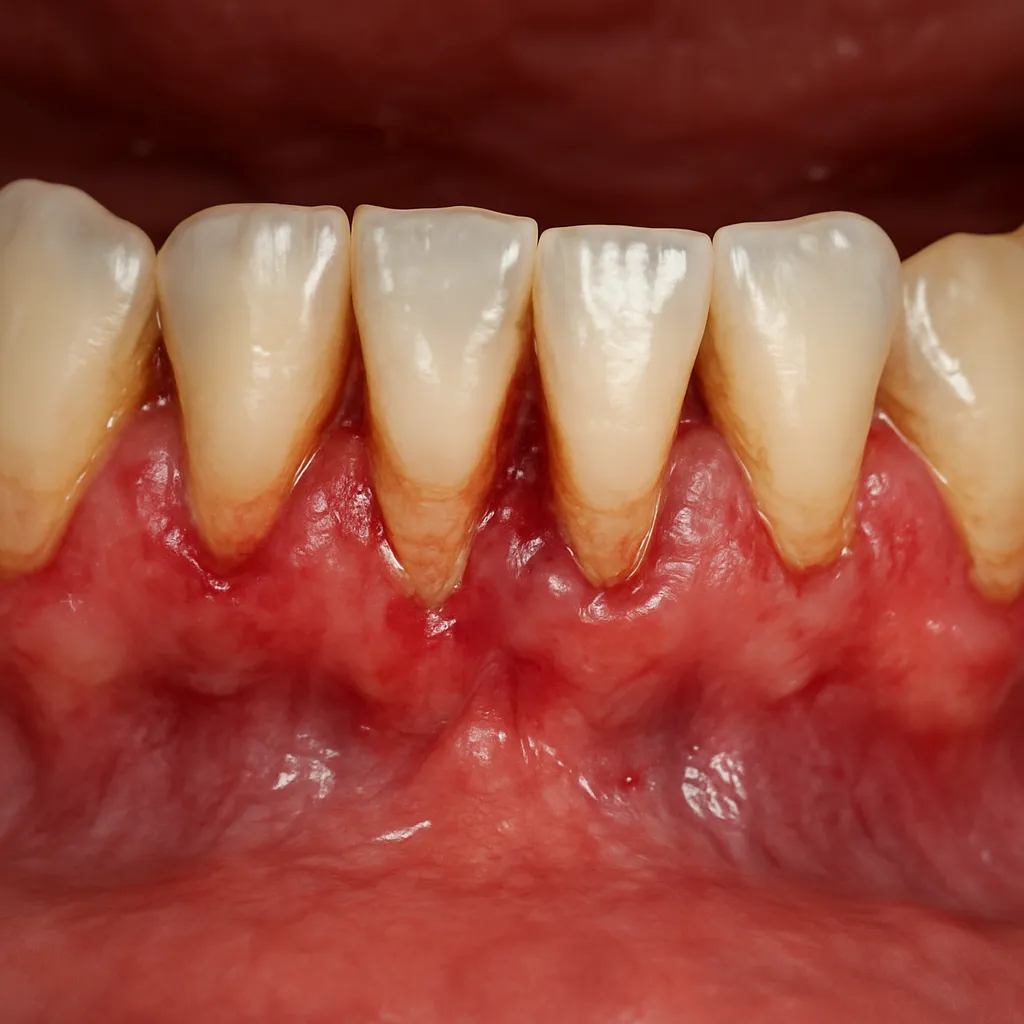
The outermost layer of the tooth, the enamel, is highly mineralized and designed to withstand significant mechanical and chemical challenges. Nonetheless, exposure to acids found in many caffeinated beverages can lead to gradual erosion. Acids lower the pH in the mouth, promoting mineral loss. Enamel softening often manifests as increased sensitivity to temperature changes or sweet stimuli.
Key factors influencing erosion include:
- Frequency of beverage intake
- Poor oral hygiene habits
- Absence of sufficient post-consumption hydration
- Concurrent intake of other acidic foods
Individuals who sip coffee slowly over extended periods expose enamel surfaces to low-pH environments for longer, increasing risk of mineral depletion. The microscopic pits and lesions that form over months or years are often visible only upon close inspection with advanced imaging tools.
Staining and Discoloration
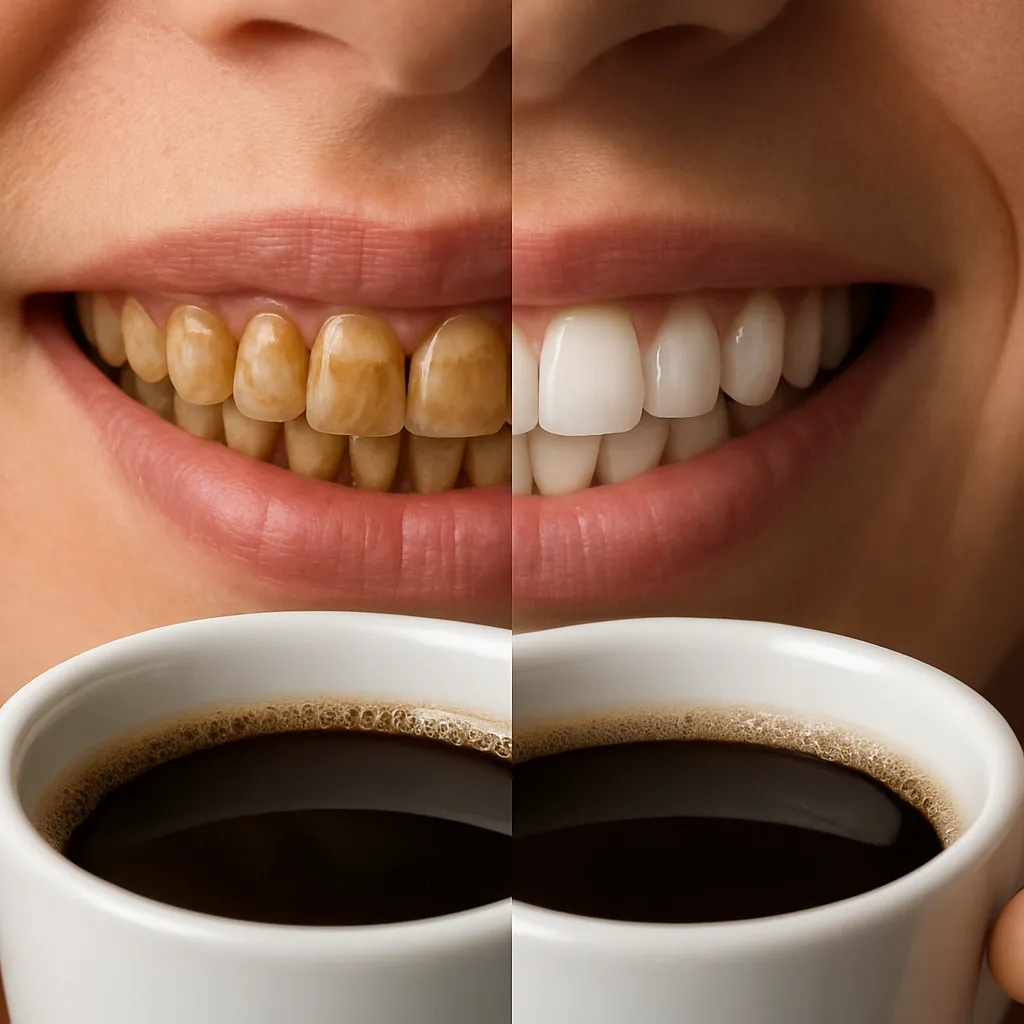
Dark pigments in coffee and tea bind to the porous surface of enamel, resulting in extrinsic staining. These molecules, such as tannins, attach to the microscopic cracks and irregularities that develop through daily wear and enamel weakening. Patients often complain about a yellowish or brownish tinge, which can be challenging to remove with standard brushing alone.
Professional dental cleanings and whitening treatments can restore brightness, but the cycle of staining resumes if consumption habits remain unchanged. Dentists often recommend:
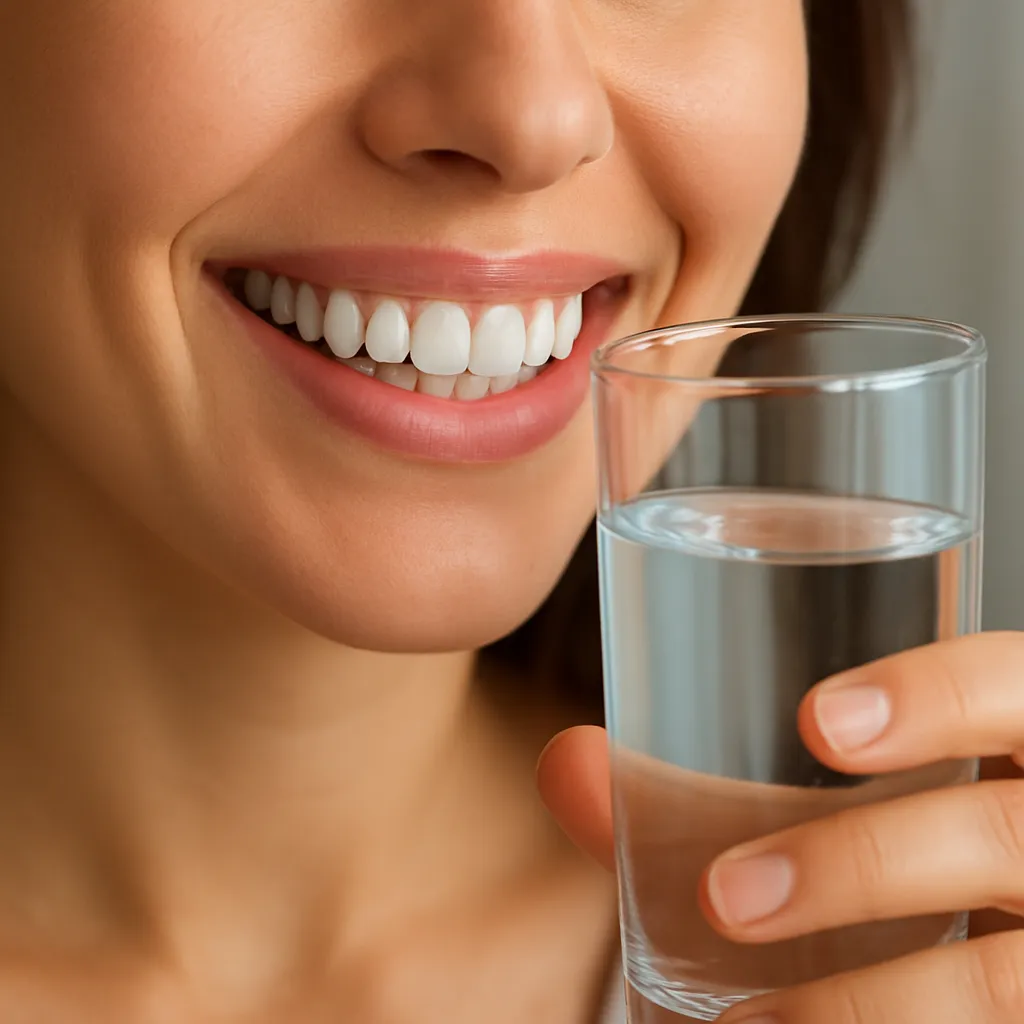
- Rinsing with water immediately after drinking
- Using a straw to minimize contact with anterior teeth
- Applying desensitizing fluoride gels to strengthen enamel
Effects on Salivary Flow and pH
Acidity and Dry Mouth
Caffeinated drinks can impose a dual challenge by combining acidic constituents with mild diuretic effects. As a result, patients may experience reduced saliva flow or subjective dryness, commonly referred to as xerostomia. A dry environment hinders natural remineralization and allows plaque bacteria to thrive, producing further acids that attack enamel and underlying dentin.
Lower salivary flow also compromises the mouth’s ability to clear sugars and acids, extending the time teeth remain under acidic assault. Compounded over time, this can contribute to higher incidence of root caries and increased sensitivity in the cervical regions of the teeth.
Role of Oral Microbiome
Frequent acid exposure shifts the oral microbiome toward acidogenic and aciduric bacterial species. These microorganisms metabolize carbohydrates and produce lactic acid, accelerating demineralization. Studies suggest that habitual caffeine consumers may harbor a microbial profile more prone to decay. Effective management involves restoring microbial balance through meticulous daily care and lifestyle modification.
Preventive Strategies and Best Practices
Managing the oral effects of caffeinated beverages does not necessarily mean complete abstinence. Instead, dentists advocate for measured consumption combined with targeted protective measures.
- Timed Rinsing: Encourage patients to rinse their mouths with water or a neutral pH mouthwash immediately after finishing their drink to help restore optimal pH levels.
- Hydration Maintenance: Suggest alternating each caffeinated beverage with a glass of water to enhance natural remineralization and reduce the likelihood of erosion.
- Chewing Sugar-Free Gum: Saliva-stimulating gum containing antioxidants and xylitol can boost flow and combat bacterial growth between meals.
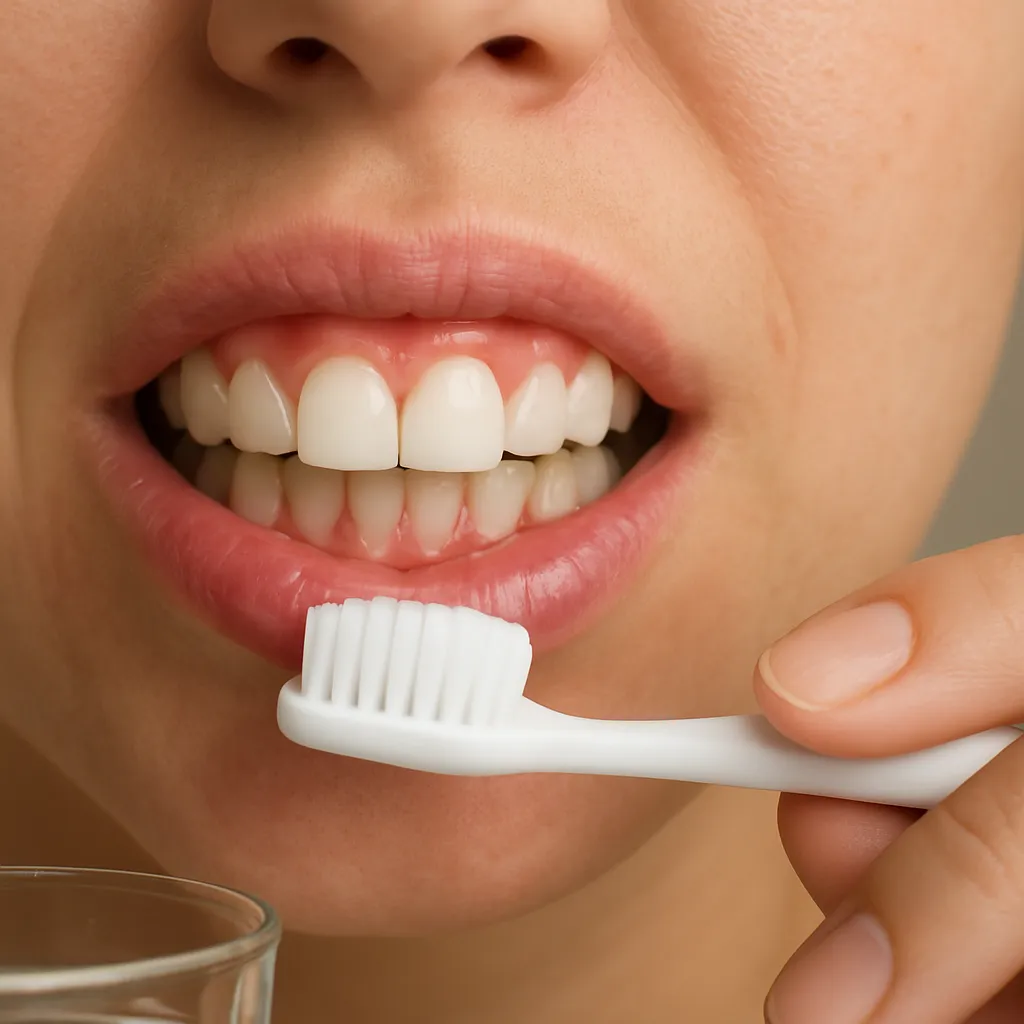
- Fluoride Applications: Regular use of high-fluoride toothpaste or gel strengthens enamel and dentin surfaces, making them more resistant to acid challenges.
- Professional Monitoring: Schedule biannual check-ups that include enamel thickness assessments, digital imaging for early erosion detection, and personalized care plans.
- Dietary Counseling: Limit simultaneous intake of other acidic foods such as citrus fruits or vinegar-based dressings during caffeinated sessions.
Educating patients about the interplay between their favorite beverages and oral health fosters compliance and encourages sustainable habits. Customized advice—rooted in clinical evidence—enables both practitioners and patients to mitigate risks associated with acidity, staining, and structural compromise.