Diabetes mellitus exerts profound effects on the oral cavity, creating unique challenges for both patients and dental professionals. High blood sugar levels can compromise the body’s ability to fight infection, slow healing, and alter normal oral functions. This article explores the multifaceted relationship between diabetes and dental care, outlining risk factors, clinical presentations, and strategies to optimize treatment outcomes.
Impact of diabetes on Oral Tissues
Pathophysiology and Immune Response
Elevated blood glucose impairs white blood cell function, weakening the immune response. Neutrophils, macrophages, and other defense cells become less efficient at eliminating bacteria that colonize the periodontal tissues. As a result, diabetic patients are more susceptible to chronic infections and exhibit more severe periodontal breakdown.
Alterations in Saliva Composition
Metabolic changes in diabetes affect salivary glands, leading to reduced flow and altered composition. Decreased saliva volume contributes to a dry mouth sensation, elevating the risk of dental caries, oral candidiasis, and mucosal lesions. Saliva normally provides antimicrobial peptides and buffers that neutralize acids; when this protective layer is compromised, the oral environment becomes hostile to healthy tissues.
Impaired Healing and Tissue Repair
Diabetes disrupts microvascular circulation, reducing oxygen and nutrient delivery to the gingiva and oral mucosa. This impaired blood flow, combined with glycation of collagen fibers, slows the healing process after dental procedures. Postoperative infections and dehiscence of surgical sites occur more frequently in individuals with poor glycemic control.
Common Dental Complications
Periodontal Disease and Gum Disease
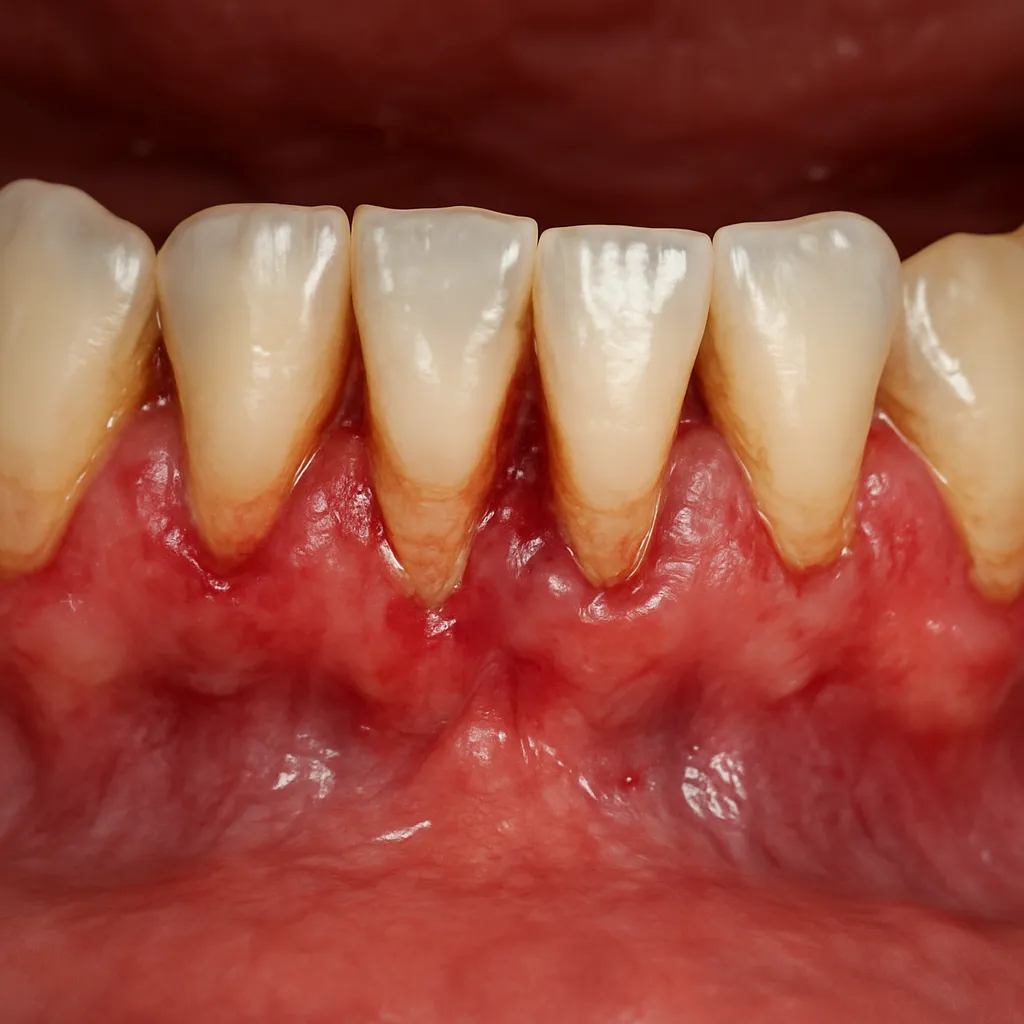
Periodontitis ranks among the most prevalent complications for diabetic patients. Advanced inflammation leads to attachment loss, alveolar bone resorption, and eventually tooth mobility. Studies demonstrate a bidirectional relationship: severe gum disease can worsen glycemic control, while poorly managed diabetes accelerates periodontal breakdown.
Oral Infections
Diabetic individuals are prone to several infections, including:
- Fungal overgrowth, particularly candida species causing oral thrush
- Herpetic lesions due to impaired cell-mediated immunity
- Persistent ulcerations and angular cheilitis resulting from reduced tissue repair
Dental Caries and Enamel Demineralization
High glucose levels in saliva serve as a substrate for cariogenic bacteria. When coupled with dry mouth and poor oral hygiene, this creates an environment conducive to enamel demineralization. Diabetic patients often exhibit increased rates of root caries, especially in those with gingival recession.
Preventive Strategies in Dental Practice
Comprehensive Risk Assessment
Prior to any procedure, dentists should obtain a detailed medical history, including type of diabetes, duration, current medications, and glycemic control metrics such as HbA1c. Understanding these factors helps tailor treatment plans and anticipate potential complications.
Optimizing Glycemic Control
Close collaboration with the patient’s endocrinologist or physician is essential. Recommendations may include:
- Scheduling appointments in the morning when blood glucose levels tend to be more stable
- Confirming pre-procedural glucose readings within an acceptable range (typically 80–200 mg/dL)
- Ensuring availability of fast-acting carbohydrates to manage hypoglycemic events during long appointments
Enhanced Oral Hygiene Protocols
Educating patients on meticulous home care is critical. Strategies include:
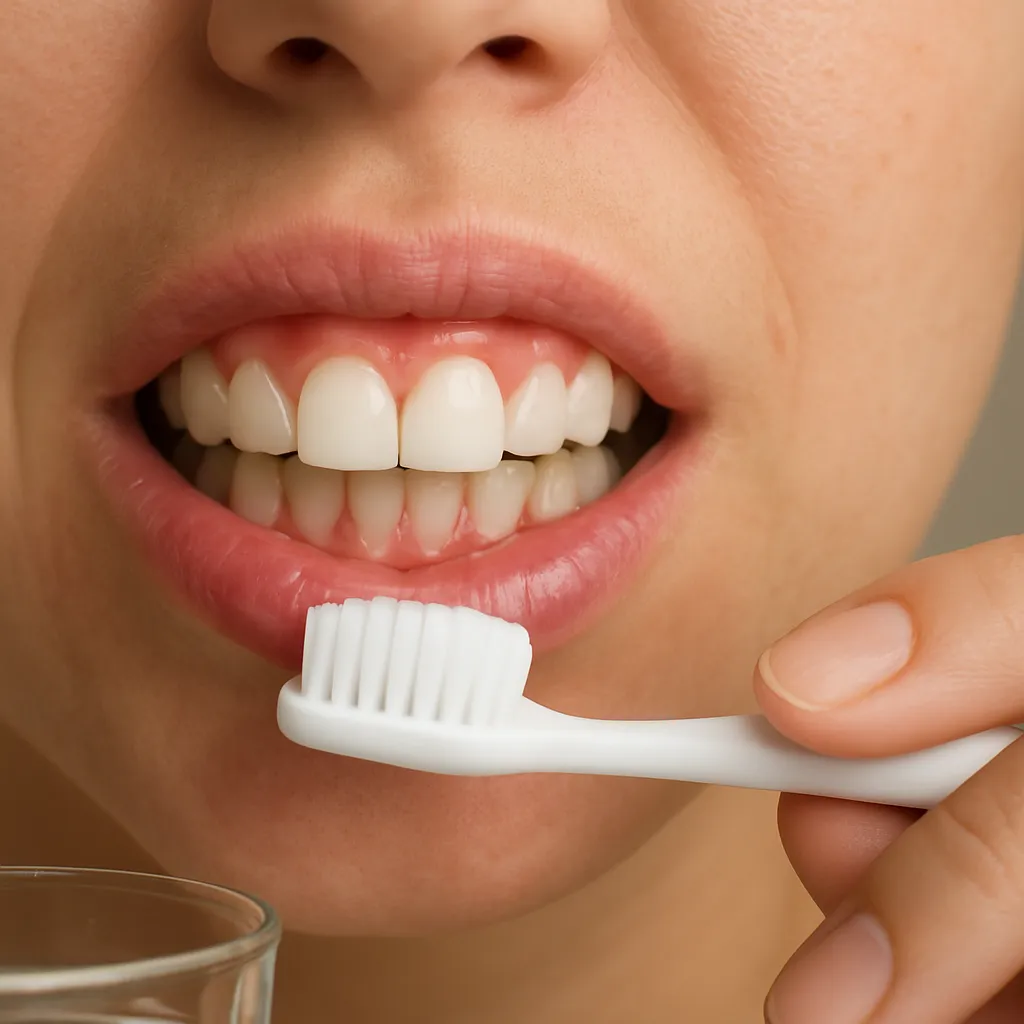
- Use of soft-bristled toothbrushes with oscillating-pulsating action to minimize tissue trauma
- Daily interdental cleaning with floss or interdental brushes
- Antimicrobial mouth rinses containing chlorhexidine or essential oils to reduce bacterial load
- Sugar-free chewing gum or saliva substitutes to counteract dry mouth
Regular Professional Maintenance
Frequent recall visits, generally every three to four months, enable early detection of periodontal changes and carious lesions. Professional cleanings should focus on thorough debridement and personalized reinforcement of home care techniques.
Clinical Management of Dental Procedures
Preoperative Considerations
Before invasive treatments, assess the patient’s blood glucose and ensure they are within a safe range. For complex surgeries, consider antibiotic prophylaxis, particularly if the patient has a history of poor wound healing or advanced periodontal disease.
Surgical and Restorative Interventions
Minimally invasive techniques and atraumatic protocol can mitigate healing delays. Use of magnification loupes, precision instruments, and hemostatic agents helps maintain soft tissue integrity. In implant dentistry, careful planning and staged loading protocols reduce the risk of implant failure in diabetic patients.
Pain Control and Anti-Inflammatory Therapy
Postoperative management should focus on adequate analgesia and inflammation reduction. Nonsteroidal anti-inflammatory drugs (NSAIDs) may be employed, but use caution in patients with renal complications. Acetaminophen can be a safer alternative for pain control.
Collaborative Care Between Dentists and Physicians
Interdisciplinary Communication
Consistent interaction with the patient’s healthcare team promotes holistic management. Sharing periodontal indices, radiographic findings, and treatment outcomes helps physicians adjust diabetic regimens. Conversely, updates on systemic health allow dentists to adapt oral care plans.
Patient Education and Self-Management
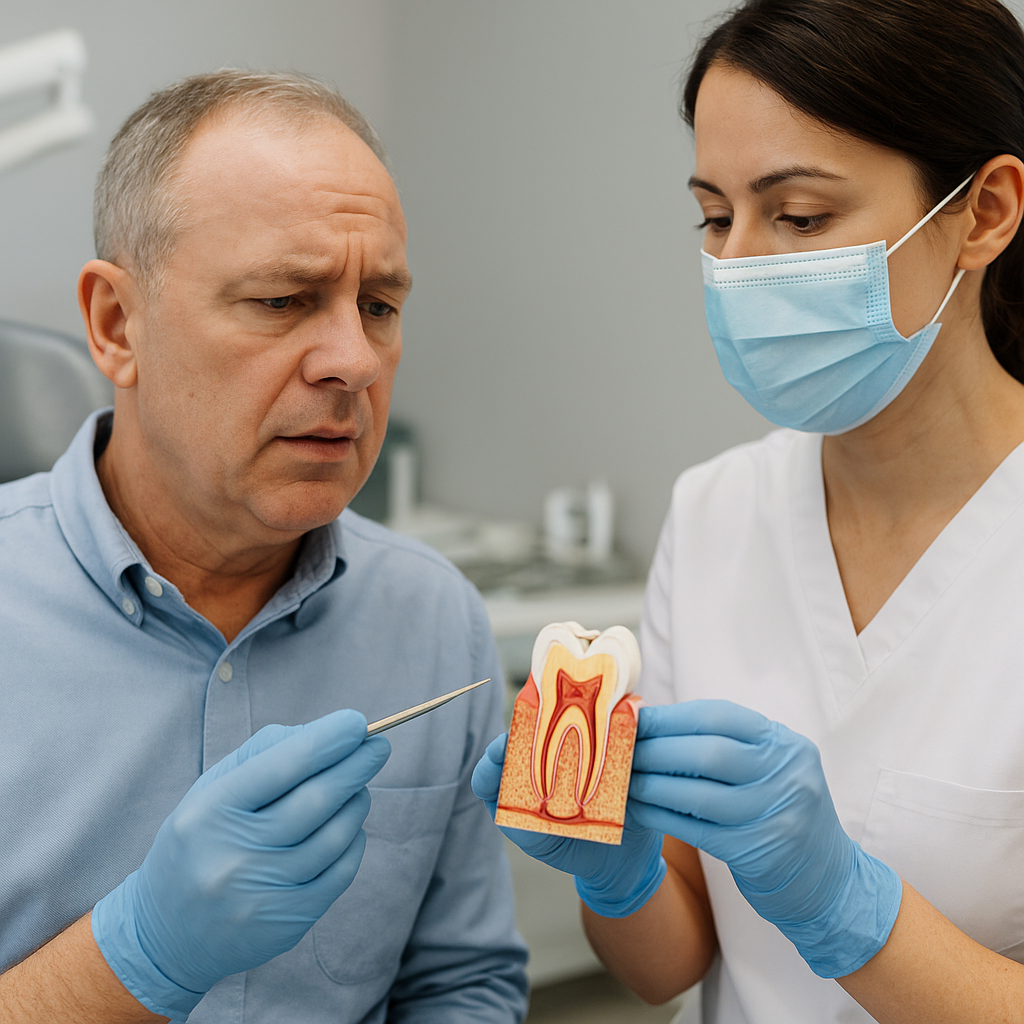
Empowering patients with knowledge about the link between diabetes and oral health fosters better compliance. Educational efforts should cover:
- Signs of periodontal deterioration, such as bleeding gums and loosening teeth
- The importance of daily glucose monitoring around dental visits
- Lifestyle modifications, including smoking cessation and balanced nutrition, that support both metabolic and oral well-being
Long-Term Monitoring and Follow-Up
Effective management requires ongoing evaluation of both glycemic control and periodontal stability. Tools such as digital photography, standardized periodontal charting, and salivary diagnostics can track progress and detect early signs of relapse or complications.