Waking up with halitosis can be an unwelcome experience, but understanding its root causes and applying targeted strategies can turn your mornings from embarrassing to refreshing. This article delves into the science behind morning breath, outlines practical oral hygiene routines, explores helpful dietary and lifestyle adjustments, and highlights when it’s time to seek professional care.
Understanding the Causes of Morning Breath
Oral Bacteria Activity
During sleep, the mouth’s natural defenses slow down, creating an ideal environment for anaerobic bacteria to thrive. These microbes feed on leftover food particles, producing volatile sulfur compounds (VSCs) that are responsible for that characteristic stale odor. In the absence of regular swallowing and cleansing actions, bacterial populations can surge.
Reduced Saliva Flow
Saliva plays a crucial role in washing away debris and neutralizing acids. At night, the salivary glands produce less fluid. This saliva reduction allows odor-causing compounds to accumulate. Conditions like mouth breathing, certain medications, or underlying health issues can exacerbate dryness, aggravating morning breath.
Diet and Lifestyle Factors
Certain foods—onions, garlic, and pungent spices—are well-known culprits in odorous breath. Beyond that, dehydration and tobacco use can impair saliva production and promote bacterial growth. Alcohol consumption also dries out the mouth, while sugary snacks feed bacteria, intensifying the odor.
Effective Oral Hygiene Practices
Brushing Techniques
Brushing your teeth twice daily with a fluoride toothpaste is fundamental. Use a soft-bristled brush and gentle circular motions to avoid damaging enamel. Pay special attention to the gum line where plaque tends to accumulate. Replace your toothbrush every three months or after recovering from illness.
Importance of Tongue Cleaning
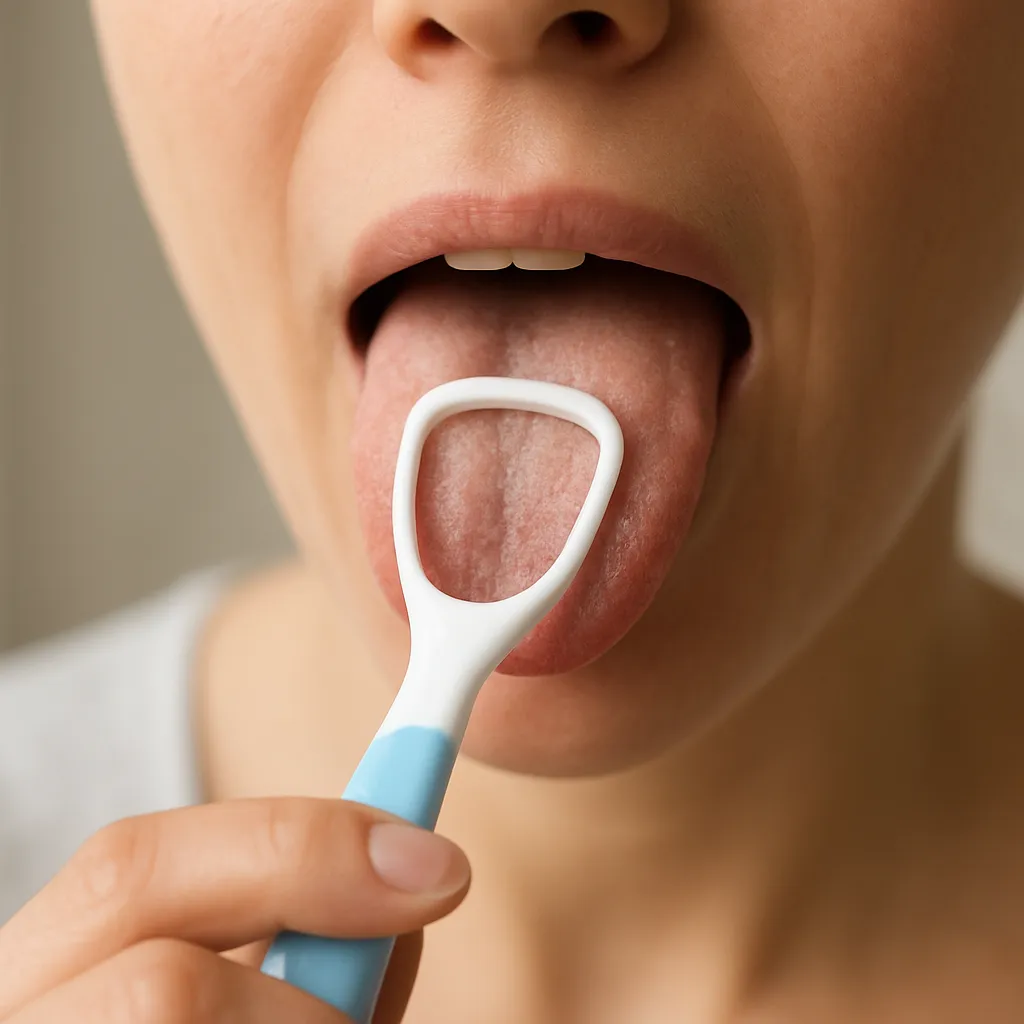
A significant proportion of odor-causing bacteria lodges on the tongue’s textured surface. Incorporating tongue cleaning—either with a scraper or a toothbrush—can remove this bacterial layer. For best results, clean the tongue both in the morning and before bed, rinsing the scraper under running water after each pass.
Flossing and Interdental Cleaning
Brushing alone addresses only about 60% of tooth surfaces. Daily flossing or the use of interdental brushes reaches hidden areas between teeth, removing trapped food particles and plaque. Make it a habit: gentle, back-and-forth motions, hugging the tooth surface without snapping the floss downwards, protect your gums.
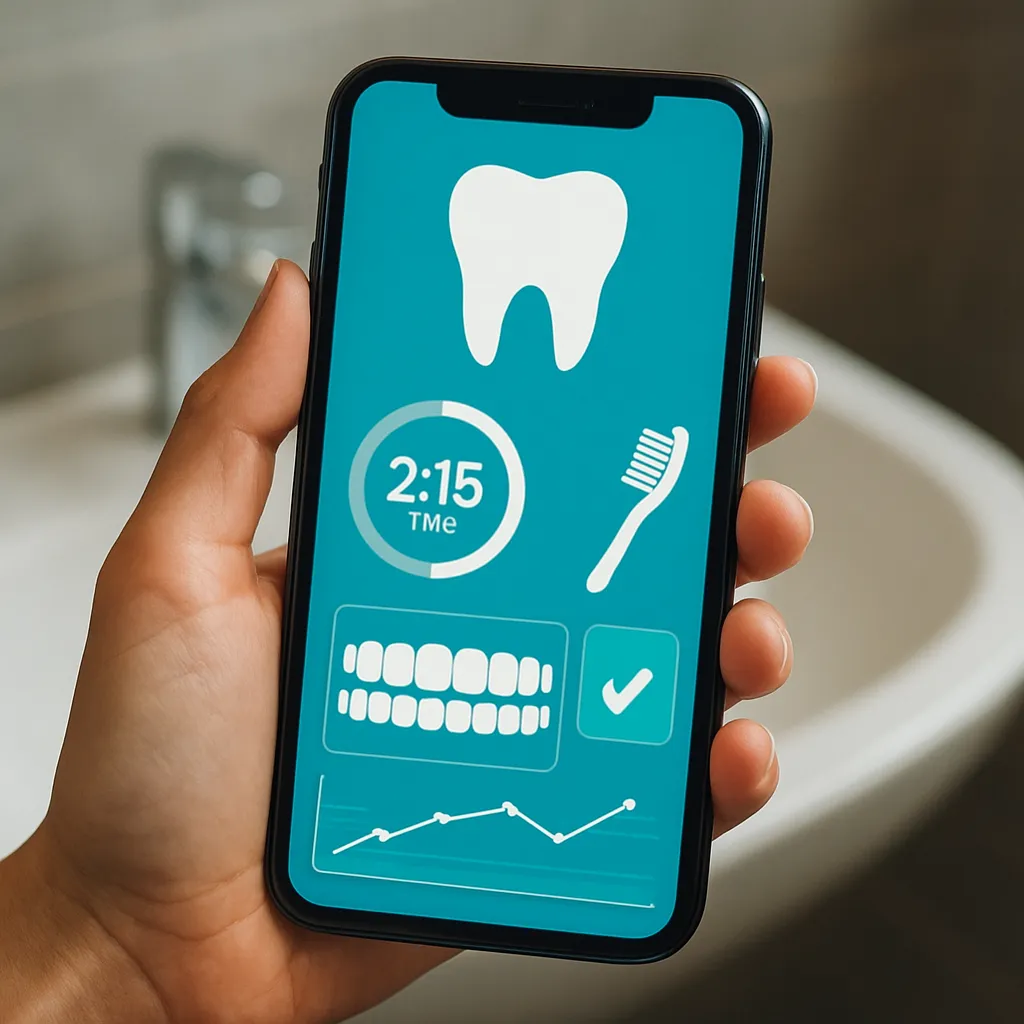
- Electric toothbrushes with timers can enhance brushing consistency.
- Water flossers help flush out bacteria from periodontal pockets.
- Antiseptic mouthwash can temporarily reduce VSC levels, but should complement—never replace—brushing and flossing.
Dietary and Lifestyle Adjustments
Hydration Strategies
Maintaining optimal hydration stimulates saliva flow. Aim for at least eight glasses of water daily. Sipping water between meals and opting for sugar-free herbal teas can keep your mouth moist and help rinse away food debris.
Mindful Eating Habits
Include crunchy fruits and vegetables—apples, carrots, celery—that act as natural toothbrushes, scrubbing teeth surfaces and stimulating saliva. Limit high-sugar foods, acidic beverages, and late-night snacking. If you do indulge, follow up with a quick rinse or a piece of sugar-free gum to encourage saliva production.
Use of Probiotics
Emerging research suggests that oral probiotics may rebalance microbial communities in the mouth, reducing bad-breath bacteria. Strains like Streptococcus salivarius K12 have shown promise in clinical trials. Consult with your dentist before adding supplements to ensure compatibility with your oral health regimen.
Professional Interventions
Regular Dental Check-Ups
Biannual visits to your dentist are essential. During these appointments, your oral healthcare provider will perform thorough cleanings, remove tartar buildup, and screen for conditions—such as gum disease or dry mouth syndromes—that contribute to chronic breath issues.
Specialized Treatments
If home care and routine visits fail to alleviate persistent morning breath, your dentist may recommend:
- Medical-grade mouth rinses targeting specific bacteria or neutralizing odors.
- Prescription moisturizers for severe dry mouth (xerostomia).
- Salivary stimulants or medications that boost gland function.
- Referral to a periodontist if underlying gum infection is suspected.
By combining science-based oral care, strategic dietary tweaks, and professional guidance, you can transform those dreaded first moments of the day into a confident, fresh-breath experience every morning.