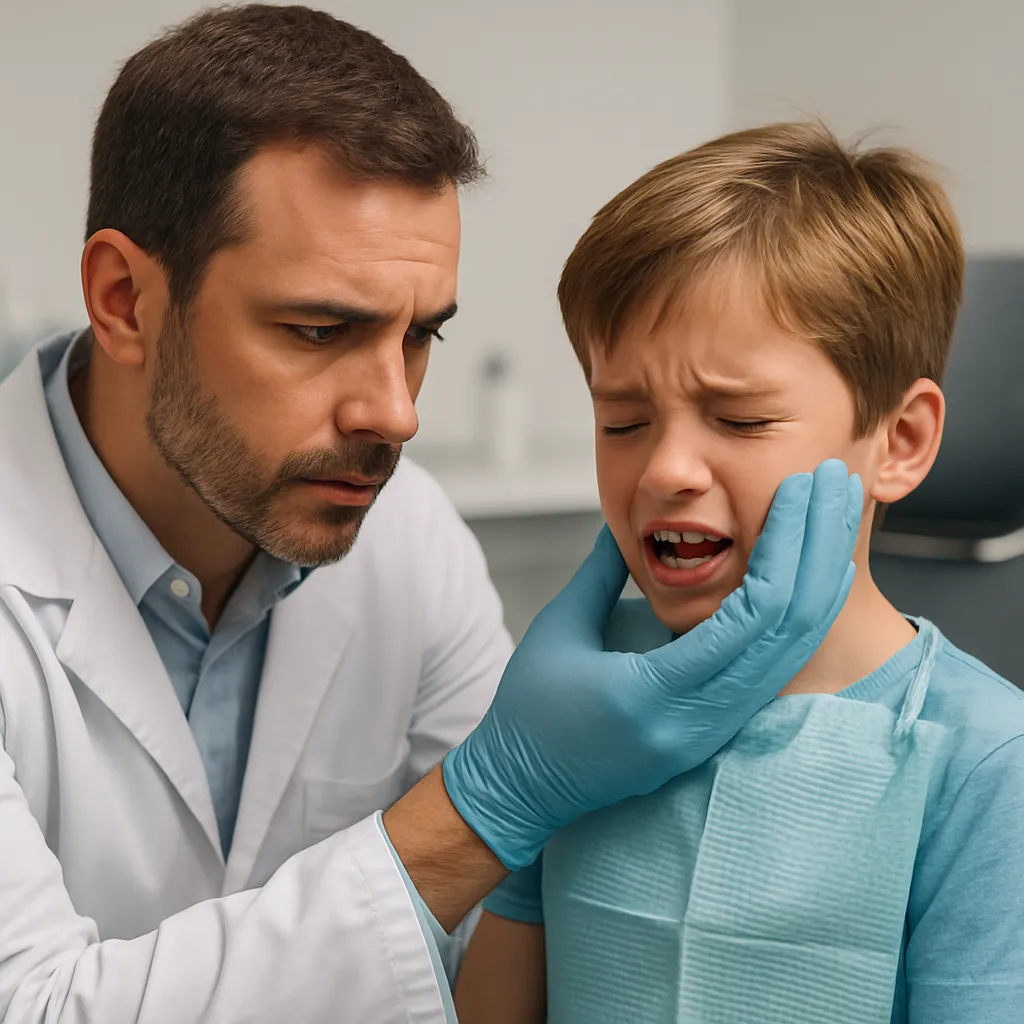
Dental injuries in young patients require swift attention and a calm approach to minimize long-term complications. An accurate understanding of the types of trauma, combined with correct immediate management, can preserve both the function and appearance of developing teeth. This guide outlines key principles for parents, caregivers, and dental professionals to effectively handle emergency situations and support optimal oral health in children.
Recognizing Types of Dental Injuries
Identifying the precise nature of an injury is the first step toward appropriate care. Common categories include:
- Concussion – The tooth is tender but not displaced or loosened.
- Luxation – The tooth is shifted within its socket, often appearing loose.
- Avulsion – Complete displacement of the tooth from the socket.
- Fractures – Ranging from minor enamel chips to complex crown-root breaks.
Each injury type demands a tailored response. For example, a minor chip may only need smoothing and observation, while an avulsed tooth constitutes a true emergency requiring immediate action.
Immediate First-Aid and Emergency Management
Time is of the essence when treating dental trauma. The following steps outline critical first-aid measures:
- Stay calm and reassure the child to reduce anxiety.
- Control bleeding by applying gentle pressure with a clean gauze or cloth.
- For loose or displaced teeth, do not force repositioning; stabilize with light pressure.
- If a permanent tooth is avulsed, handle it by the crown (never the root), rinse briefly under water, and attempt replantation within 15–20 minutes if possible.
- If replantation is not feasible, store the tooth in a suitable medium such as cold milk or a specialized first-aid solution.
Prompt arrival at a dental facility significantly increases the likelihood of successful reattachment and healing. Always contact a pediatric dentist or emergency clinic immediately.
Role of the Pediatric Dentist in Diagnosis and Treatment
Once the child arrives at a dental office, a comprehensive diagnosis involves:
- Detailed medical and dental history to assess risk factors.
- Clinical examination under good lighting to evaluate soft tissue and tooth status.
- Radiographs to detect root fractures, alveolar bone damage, or unerupted permanent successors.
Based on these findings, treatment options may include:
- Splinting of luxated or avulsed teeth using flexible wires or composite resin.
- Endodontic therapy for teeth with pulpal involvement.
- Restorative procedures such as crowns or bonding for fractures.
- Monitoring of developing permanent teeth in the case of injuries to primary (baby) teeth.
Regular follow-up visits are crucial to assess healing, monitor pulp vitality, and detect any potential sequelae such as root resorption or developmental disturbances.
Preventive Strategies and Parental Education
Prevention remains the best approach to reduce trauma incidence. Key strategies include:
- Encouraging the use of mouthguards during sports and recreational activities.
- Maintaining good supervision and a safe environment to minimize falls.
- Implementing home safety measures, such as gating staircases and cushioning sharp corners.
Parental education is vital for empowering caregivers with the confidence to act decisively in urgent situations:
- Teaching how to recognize signs of serious dental injury.
- Providing clear instructions on proper storage media for avulsed teeth.
- Ensuring knowledge of local emergency dental services and after-hours contacts.
Collaborative Care and Long-Term Outlook
Management of dental trauma in young patients often involves a team approach:
- General dentists and pediatric specialists coordinating on complex cases.
- Orthodontists monitoring alignment issues resulting from early injuries.
- Oral surgeons handling severe facial or jaw traumas.
- Behavioral specialists ensuring cooperation of anxious or uncooperative children.
Long-term prognosis depends on the prompt nature of the initial response, the extent of the injury, and continuous follow-up care. With proper intervention, many children experience complete recovery and maintain healthy dentition into adolescence and adulthood.