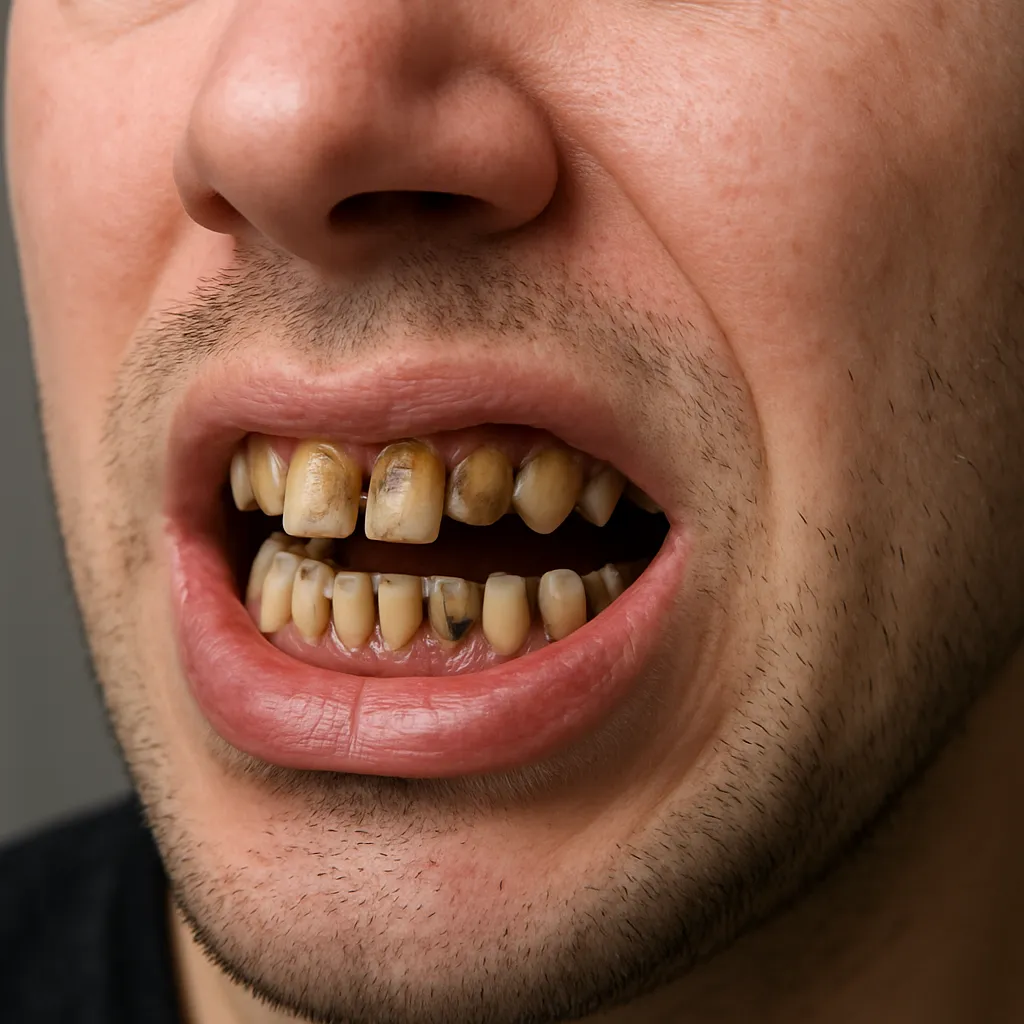
Visiting a dental office can trigger intense anxiety in many individuals, leading to postponed appointments and untreated oral health issues. Recognizing the impact of fear and developing a plan to face it are essential for maintaining a healthy smile. This article explores practical steps for overcoming dental anxiety, empowering patients to feel more confident and in control during dental care.
Understanding the Roots of Dental Anxiety
What Is Dental Anxiety?
Dental anxiety refers to the high level of nervousness or fear associated with dental visits. It can range from mild unease to severe dread that prevents someone from seeking care. Factors such as previous painful experiences, fear of needles, or a perceived lack of control can exacerbate these feelings.
Common Triggers
Identifying specific triggers is the first step toward managing fear. Common sources of dental anxiety include:
- Expectation of pain during procedures
- Unfamiliar sounds of drilling and suction
- Sensation of loss of control in the dental chair
- Fear of injections or needles
- Negative stories shared by friends or family
By pinpointing these triggers, patients and dental teams can work together to create a more comfortable environment.
Preparing for Your Dental Appointment
Choosing the Right Dental Practice
Selecting a practice that specializes in patient comfort can make a significant difference. Look for dentists who offer:
- Patient-friendly office design with calming décor
- Clear explanations of procedures to build trust
- Flexibility in scheduling to reduce waiting times
- Options for sedation or specialized anxious-patient protocols
Reading reviews or asking for recommendations can help you find a dentist who prioritizes a gentle, supportive approach.
Building Open Communication
Establishing honest communication with your dental team is crucial. Before any treatment, discuss your fears openly and:
- Describe previous negative experiences and what you fear most
- Agree on a signal (such as raising a hand) if you need a break
- Ask the dentist to walk you through each step before it happens
- Confirm that instruments will be used gently and with care
Clear dialogue helps reduce the unknown, transforming the experience into a collaborative effort rather than a passive one.
Techniques and Strategies to Manage Anxiety
Behavioral Approaches
Cognitive-behavioral techniques can reframe negative thought patterns. Common strategies include:
- Progressive Muscle Relaxation: Tensing and then releasing muscle groups to reduce physical tension
- Systematic Desensitization: Gradually exposing yourself to dental stimuli, starting with simple office visits and moving toward actual procedures
- Visualization Exercises: Imagining a peaceful scene or recalling a comforting memory during treatment
Working with a therapist or counselor can reinforce these methods, making them more effective during dental appointments.
Relaxation and Breathing
Simple relaxation exercises performed before and during an appointment can calm both mind and body. Examples include:
- Deep breathing: Inhale slowly through the nose for a count of four, hold for four, and exhale for four
- Mindful Awareness: Focus attention on the sensation of air entering and leaving the lungs, noticing each breath
- Guided Audio: Use headphones to listen to calming music or a guided relaxation track
Consistent practice of these techniques can lower heart rate and reduce muscle tension in the face and neck.
When to Seek Professional Support
Options for Sedation Dentistry
For patients with intense phobias, sedation can provide a safe way to receive necessary care. Sedation methods range from:
- Oral Sedation: Pills taken before the appointment to induce drowsiness
- Inhalation Sedation: Nitrous oxide (“laughing gas”) that helps patients stay conscious but relaxed
- Intravenous Sedation: Administered through a vein for deeper sedation, often used for complex procedures
Choosing the right level of sedation depends on your medical history and the complexity of the dental work. Always discuss risks and benefits with your dentist before proceeding.
Additional Support and Resources
Beyond the dental office, several resources can help patients cope with persistent anxiety:
- Support Groups: Connecting with others who share similar fears can reduce feelings of isolation
- Educational Workshops: Learning more about oral health and procedures demystifies the process
- Mobile Apps: Apps focused on mindfulness and relaxation offer guided sessions to practice anywhere
- Therapy: Consulting a mental health professional for specialized cognitive-behavioral therapy
Combining these resources with good oral hygiene at home ensures that appointments remain as quick and comfortable as possible.