Regular visits to a dental clinic lay the foundation for a lifetime of healthy smiles and robust health. By adhering to a consistent checkup schedule, patients can tap into the power of modern dentistry, benefiting from comprehensive assessments that go well beyond a simple teeth cleaning. This proactive approach empowers individuals to catch potential issues before they become painful problems, ensuring comfort and confidence in everyday life.
The Role of Regular Dental Checkups
Routine appointments with a qualified dentist serve multiple critical functions. First, they facilitate early detection of dental concerns such as cavities, cracks, or infections. By identifying these issues in their infancy, interventions tend to be less invasive and more cost-effective. Second, checkups reinforce the importance of professional guidance in maintaining oral health. While daily brushing and flossing are essential, they cannot replace the specialized tools and techniques that dental teams employ to remove hardened plaque and tartar.
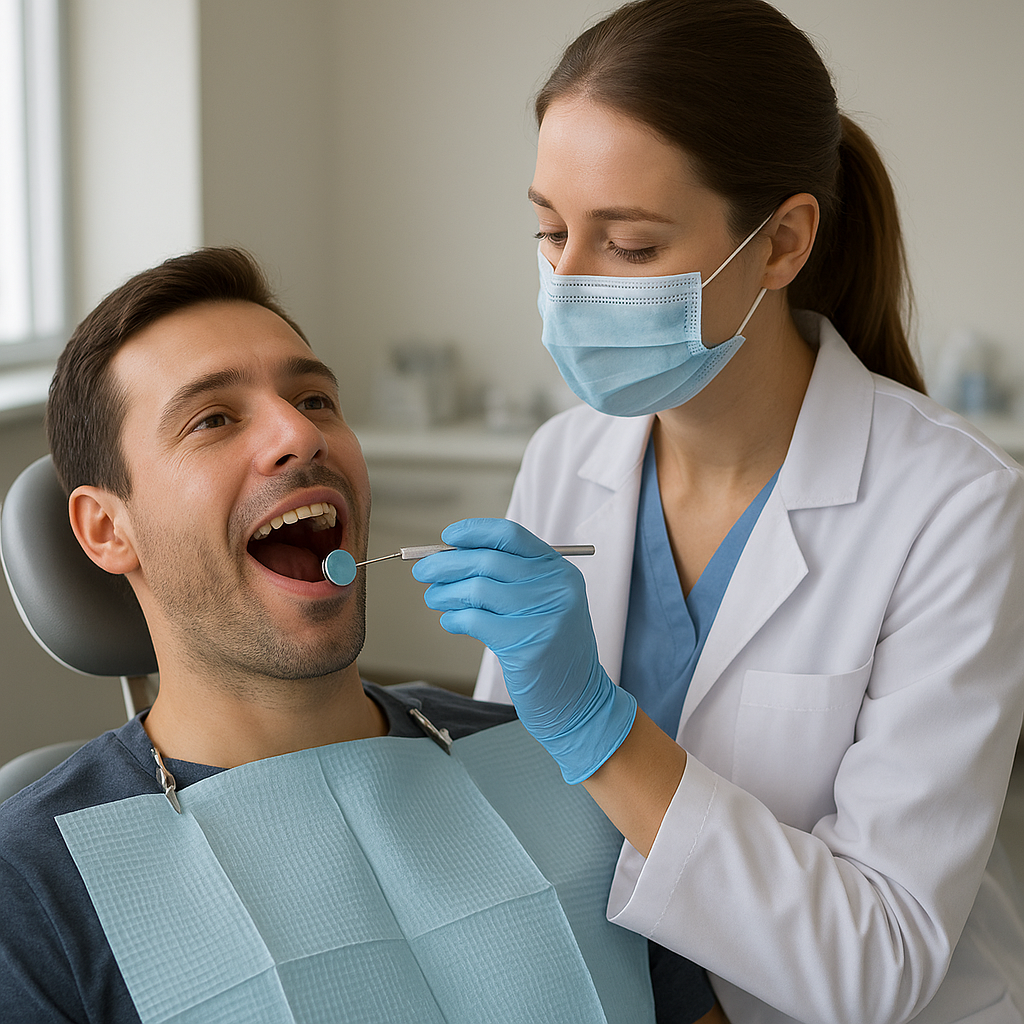
During a standard visit, a dentist or dental hygienist will perform a thorough examination of your teeth, gums, and supporting bone structure. This evaluation often includes:
- Visual inspection for signs of decay or wear
- X-rays to detect hidden issues between teeth and under the gum line
- Assessment of gum health to spot early signs of gum disease
- Oral cancer screening to identify any unusual lesions or tissue changes
Protecting your smile starts with regular visits. Establishing a six-month checkup routine allows your dentist to track changes over time and adapt preventive strategies to your unique needs.
Common Procedures During Checkups
While each appointment is tailored, several procedures consistently appear across most checkup visits:
- Professional cleaning (scaling and polishing) to remove plaque and surface stains
- Fluoride treatments that strengthen enamel and reduce the risk of decay
- Dental sealants for children or adults prone to cavities in molars
- Examination of existing restorations—such as fillings, crowns, and bridges—to ensure integrity
Scaling involves the meticulous removal of plaque deposits that cling stubbornly to enamel, especially in hard-to-reach areas. Polishing then smooths the tooth surfaces, creating an environment less hospitable to new bacterial colonies. Fluoride applications offer an extra layer of protection by promoting remineralization of weakened enamel crystals.
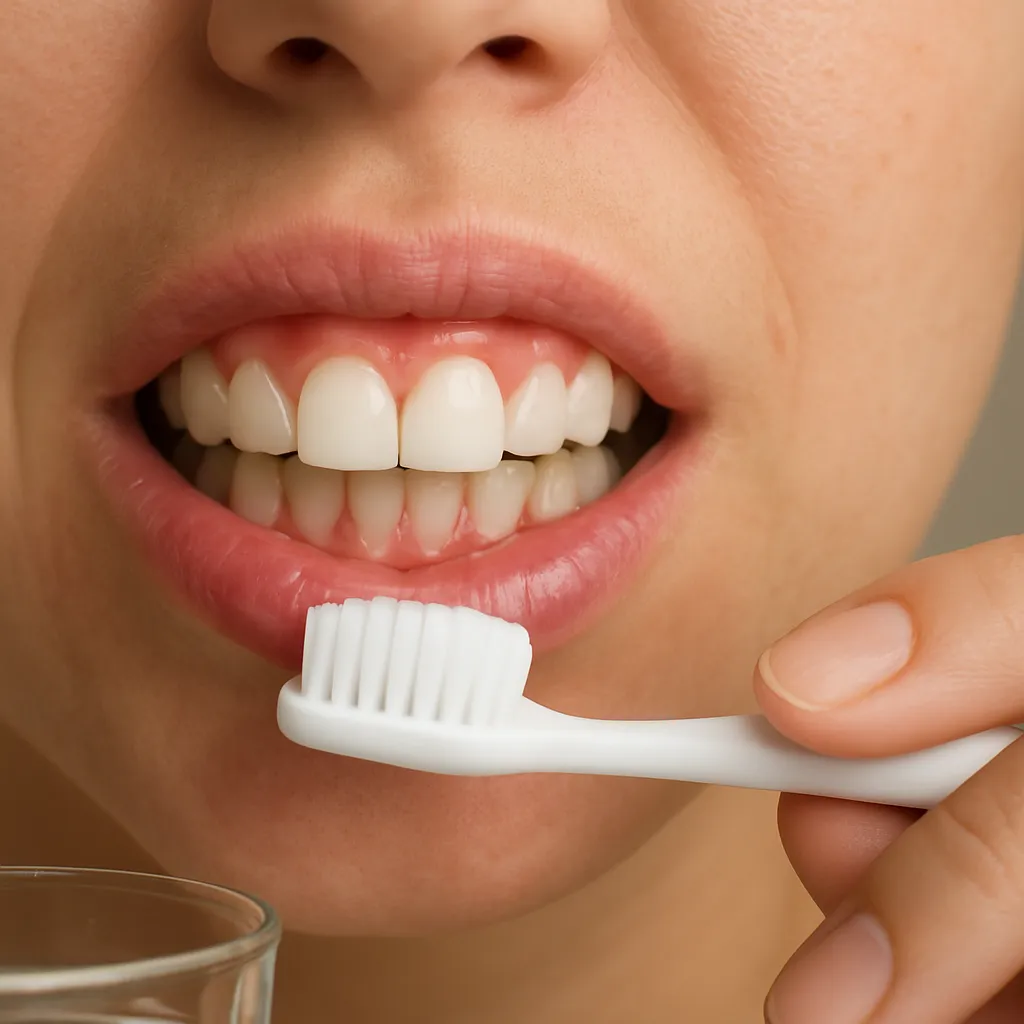
These procedures, combined with detailed discussions about your daily hygiene habits, form a holistic care plan. Dentists often demonstrate improved brushing and flossing techniques, recommend specialized tools like interdental brushes or water flossers, and suggest diet modifications to minimize acid attacks on tooth structure.
The Connection Between Oral and Systemic Health
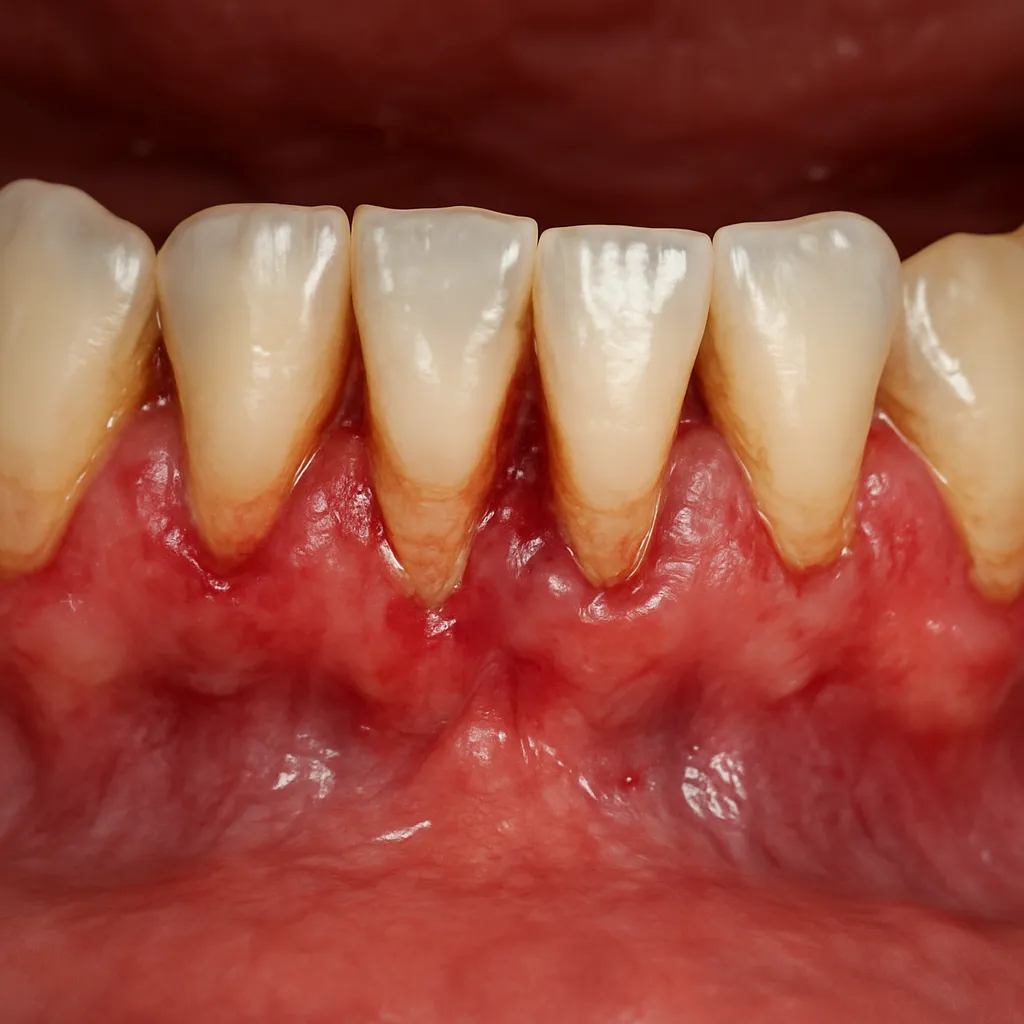
Emerging research underscores the intricate links between dental wellness and overall physiology. Chronic gum inflammation, left untreated, can act as a gateway for harmful bacteria to enter the bloodstream. This may contribute to conditions such as cardiovascular disease, respiratory infections, and complications in diabetes management.
Key factors include:
- Release of inflammatory markers that influence blood vessels
- Bacterial travel from periodontal pockets into systemic circulation
- Impact on immune response, potentially exacerbating chronic illnesses
By scheduling regular appointments, patients actively reduce systemic inflammation and support better health outcomes. Dentists collaborate closely with medical providers when necessary, ensuring any oral-systemic concerns receive timely attention.
Benefits Beyond Oral Health
The advantages of consistent dental checkups extend into many facets of daily life:
- Enhanced self-confidence from a bright, healthy smile
- Financial savings by avoiding complex treatments that arise from neglect
- Improved speech and chewing efficiency
- Prevention of bad breath and related social discomfort
- Promotion of healthy lifestyle habits under professional guidance
Moreover, the relationship you build with your dental team fosters an environment of trust. Open communication allows for personalized advice on subjects like bruxism (teeth grinding), orthodontic options, and cosmetic enhancements—each contributing to your overall well-being and longevity of dental structures.
Tips for Preparing Your Dental Visit
To make the most of every appointment, consider the following recommendations:
- Maintain a log of any symptoms or changes in your mouth, such as new sensitivities or unexplained soreness.
- Gather a list of medications, vitamins, and supplements you take regularly to inform your dentist of potential interactions.
- Brush and floss thoroughly before your visit; this allows the dental team to gain accurate insights into your baseline hygiene practices.
- Prepare questions in advance—whether about preventive strategies, restorative options, or cosmetic procedures.
- Arrive a few minutes early to complete any necessary paperwork without stress.
Effective communication and preparedness ensure that your dentist can deliver targeted care. Each visit becomes an opportunity to fine-tune your regimen, reinforce healthy habits, and address any concerns promptly.
Choosing the Right Dental Professional
Not all dental practices are identical; finding a provider whose philosophy aligns with your expectations is crucial. Look for clinics that emphasize a patient-centered approach, invest in state-of-the-art equipment, and maintain transparent pricing. Consider reading reviews, asking for referrals, or scheduling an introductory consultation to gauge the team’s demeanor and expertise.
When evaluating a potential dentist:
- Confirm credentials and continuing education activities
- Observe the cleanliness and organization of the facility
- Inquire about sedation options if you experience dental anxiety
- Ask how emergency care is handled outside regular hours
Your comfort and trust are fundamental. A lasting partnership with a skilled dental professional ensures your oral health remains a priority, adapting to each stage of life.