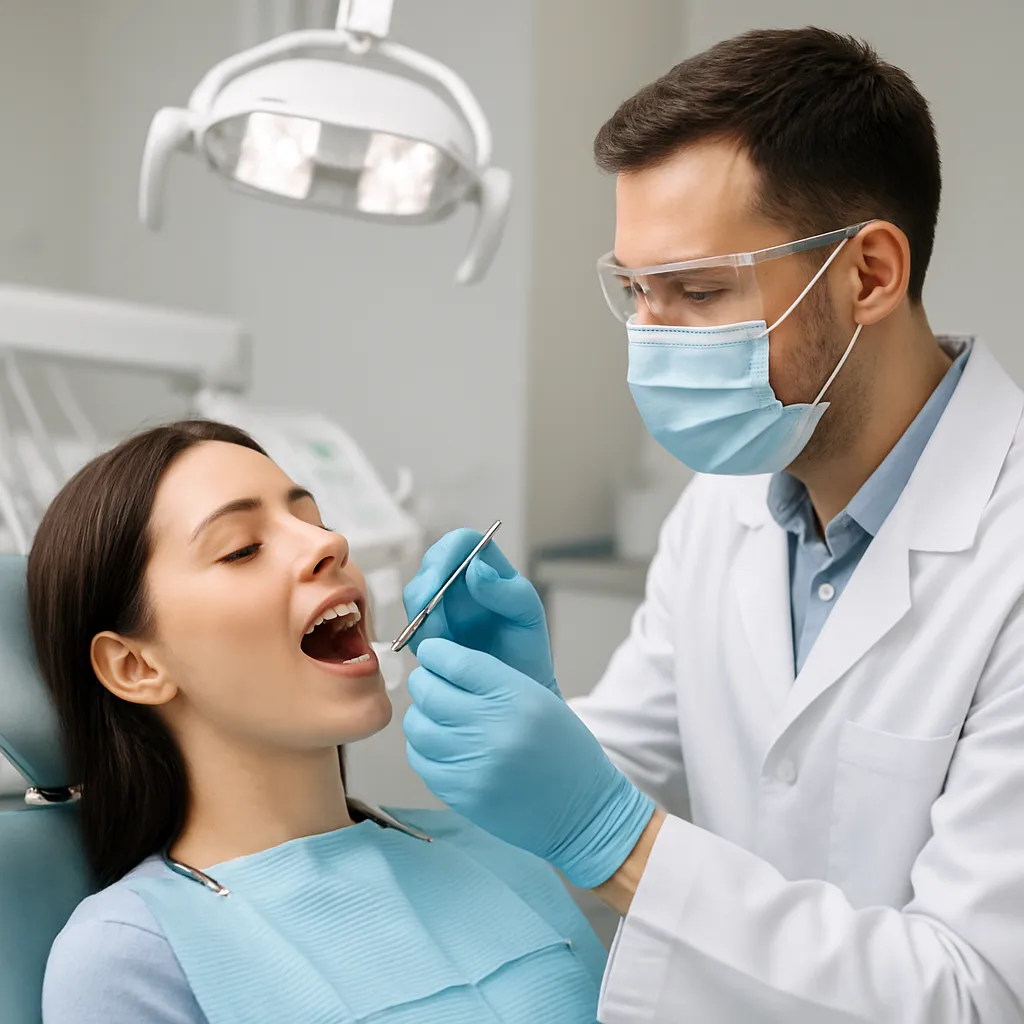
Many people are convinced they take excellent care of their teeth, yet everyday habits are often based on half‑truths and outdated advice. As a result, even diligent brushing and flossing may not protect you from cavities, bad breath or gum disease. Modern dentistry clearly shows that some popular beliefs can actually be harmful to your oral health, or at least make your efforts much less effective. If you want to care for your smile in an evidence‑based way rather than follow myths, it is worth confronting what you “know” with the current state of knowledge. On samarytanka.pl you can find professional dental care and reliable support, but understanding the most common misconceptions will help you ask better questions, recognize problems earlier and use your dental visits more effectively.
Myth 1: If nothing hurts, my mouth is healthy
One of the most widespread misconceptions is that the absence of pain means everything is fine. In reality, tooth decay and gum disease can progress for months or years without causing noticeable discomfort. Small cavities usually do not hurt, and early inflammation of the gums often manifests only as subtle bleeding when brushing or flossing. Many people ignore this sign, treating it as something normal.
Pain appears most often when the problem is already advanced: decay has reached the nerve, a deep pocket has formed around the tooth, or an abscess has developed. At this point, treatment becomes more complicated, time‑consuming and expensive. Regular check‑ups allow the dentist to detect changes that you do not see or feel yet: tiny cavities visible only on X‑ray, early enamel demineralization or the first signs of periodontitis. Therefore, the lack of symptoms should never be treated as a reliable indicator of health.
Myth 2: Hard brushing cleans teeth better
Another common myth is that the harder you brush, the cleaner your teeth will be. In fact, using excessive pressure or a hard‑bristled toothbrush can damage the very structures you are trying to protect. Strong scrubbing can abrade the enamel, especially near the gumline, where it is thinner. It may also cause gum recession, exposing the sensitive root surface and increasing the risk of hypersensitivity and root caries.
What matters more than force is the technique and time spent on brushing. A soft or medium‑soft brush used for about two minutes, with small, gentle motions at a 45‑degree angle to the gumline, removes plaque effectively without harming tissues. Electric and sonic brushes often have pressure sensors that signal when you are pressing too hard. If you notice that the bristles of your manual brush spread quickly, it is a sign you are brushing too aggressively and should reduce the pressure.
Myth 3: Sugar is the only cause of cavities
While sugar is a major factor in the development of caries, it is not the only one and does not work in isolation. Cavities are the result of the interaction between bacteria living in dental plaque, fermentable carbohydrates from the diet, the tooth surface and time. Bacteria break down sugars and starches to produce acids, which gradually demineralize the enamel. The problem is not only how much sugar you eat, but how often and in what form.
Frequent snacking, especially on sticky or slowly dissolving products, keeps the pH in the mouth low for a long time, giving acids more opportunity to attack. Sipping sweetened drinks throughout the day is particularly harmful. On the other hand, the protective effect of saliva, the use of fluoride and good oral hygiene can significantly reduce the risk of cavities even in people who occasionally eat sweets. So sugar is important, but the bigger picture includes diet patterns, hygiene habits and individual susceptibility of the enamel.
Myth 4: Chewing gum can replace brushing
Sugar‑free chewing gum, especially that containing xylitol, can be a useful addition to daily oral care, but it is not a substitute for brushing and flossing. Chewing stimulates saliva flow, which helps neutralize acids, rinse away food particles and support enamel remineralization. Xylitol also limits the growth of certain cavity‑causing bacteria. However, gum cannot mechanically remove plaque that adheres to the tooth surface, especially along the gumline and between teeth.
If you cannot brush after a meal, chewing sugar‑free gum for 10–20 minutes is a better choice than doing nothing, but it should be seen as a temporary solution. Plaque begins to form again shortly after cleaning and, if not disrupted twice a day with a brush and floss or interdental brushes, it matures into a structure that is more aggressive to the gums. Only proper mechanical cleaning can effectively prevent this process and reduce the risk of both cavities and gum disease.
Myth 5: Bleeding gums mean you should stop flossing
Many people are discouraged from flossing because their gums start to bleed when they introduce this habit. They often interpret it as a sign that flossing is harmful. In most cases, however, bleeding gums are actually a symptom of existing inflammation caused by plaque accumulated along and under the gumline. When inflamed tissue is touched, it bleeds easily, which is why the first days of flossing can be unpleasant.
If the technique is correct and you are not forcefully cutting into the gums, regular flossing usually reduces inflammation, and the bleeding gradually subsides. Stopping flossing only allows plaque to accumulate again and keeps the gums chronically irritated. Persistent or heavy bleeding, especially accompanied by swelling or bad breath, requires a professional examination, as it may indicate more advanced periodontal problems. Nevertheless, in the vast majority of everyday situations, flossing is part of the solution, not the cause of the trouble.
Myth 6: Whitening damages enamel irreversibly
There is a widespread belief that professional teeth whitening always weakens enamel and leads to permanent damage. Properly conducted whitening, using products approved by dental authorities and supervised by a dentist, affects mainly pigments inside the tooth, not the structure of enamel crystals. The active substances, usually hydrogen or carbamide peroxide, break down color molecules, lightening the tooth shade.
Temporary sensitivity after whitening is a relatively common side effect but does not mean irreversible harm. It results from transient changes in the tooth’s fluid balance and increased permeability, which usually normalize within days or weeks. Problems arise mainly with overuse of whitening products, unsupervised home mixtures or repeated procedures without sufficient intervals. Then the risk of irritation of the gums and pulp increases. To minimize potential complications, it is worth consulting a dentist, choosing professional methods and avoiding aggressive do‑it‑yourself solutions.
Myth 7: Baby teeth do not matter, they fall out anyway
Some caregivers underestimate the importance of primary teeth, assuming that they are only temporary and do not require much attention. Meanwhile, milk teeth play key roles: they help a child chew properly, speak clearly and maintain space for erupting permanent teeth. Untreated decay in baby teeth can cause pain, infections, difficulties in eating and sleeping, and affect the general health and well‑being of the child.
Premature loss of a primary tooth can lead to shifting of neighboring teeth, narrowing the space available for the permanent tooth and increasing the risk of malocclusion. In addition, bacteria from decayed milk teeth can colonize the mouth and increase the risk of early caries in permanent dentition. Early education about brushing, limiting sweets and regular dental visits builds habits that significantly affect oral health in adulthood. Taking care of primary teeth is therefore an investment in the future smile.
Myth 8: Mouthwash is necessary for a healthy mouth
Colorful bottles of mouthwash create the impression that rinsing is an indispensable part of oral care. In reality, for many people, a well‑chosen toothpaste, a toothbrush and tools for cleaning between teeth are enough. Antiseptic rinses can be helpful in certain situations, such as after surgery, in advanced gum disease or with specific medical indications, but they are rarely needed permanently for everyone.
The main task of mouthwash is to freshen breath and occasionally reduce the number of bacteria for a short time. It does not replace brushing and flossing, which physically remove the biofilm from tooth surfaces. Excessive or long‑term use of strong antiseptic rinses may, in some cases, disturb the balance of the oral microbiome, cause discoloration of the teeth or irritation of the mucous membranes. If you want to use mouthwash daily, it is worth discussing it with your dentist and choosing a product that matches your specific needs rather than relying on advertising promises.
Myth 9: Dental treatment is always painful
The fear of pain is one of the main reasons why people postpone dental visits, often until problems become severe. Modern dentistry, however, offers a wide range of effective local anesthetics and minimally invasive techniques. Properly administered anesthesia usually makes procedures such as filling cavities, root canal therapy or tooth extraction virtually painless. For anxious patients, dentists may also use sedative methods or special communication approaches that reduce stress.
What is more, the earlier you report a problem, the simpler the procedure tends to be. A small cavity can often be treated quickly and comfortably, while neglect leads to complicated interventions that take longer and require deeper anesthesia. Openly informing your dentist about fears and past experiences allows them to adjust the treatment plan, explain steps in detail and ensure maximum comfort. Avoiding check‑ups out of fear usually increases, rather than decreases, the chance of future discomfort.
Myth 10: Strong teeth are only a matter of genetics
Genetic factors do influence the thickness and composition of enamel, saliva quality or tooth morphology, but they are only part of the story. Lifestyle and daily habits have a huge impact on the durability of teeth and gums. Systematic plaque removal, a balanced diet rich in minerals and vitamins, fluoride use, regular dental visits and limiting harmful behaviors such as smoking or frequent sipping of acidic drinks are elements you can control.
Even people with less favorable genetic conditions can maintain good oral health if they carefully manage risk factors. Conversely, excellent genetic starting points will not protect teeth from chronic neglect, frequent sugar intake or lack of hygiene. Treating heredity as destiny often becomes an excuse to ignore everyday choices. In practice, genetics set the initial conditions, while long‑term prevention and conscious habits determine the final outcome.
Myth 11: Natural products are always safer for your mouth
The trend towards “natural” solutions leads some people to use homemade mixtures or herbal products in place of proven dental preparations. While certain plant‑based ingredients can support oral health, “natural” does not automatically mean safe or effective. For example, brushing with baking soda and lemon juice is a popular home recipe that can seriously damage enamel due to high abrasiveness and acidity.
On the other hand, regulated products containing fluoride or clinically tested active substances undergo rigorous safety and efficacy assessments. They are designed to provide a specific therapeutic effect while minimizing side effects. Using untested pastes, oils or powders can delay proper treatment of cavities or gum disease. If you wish to incorporate more natural options, it is wise to consult a professional and choose products that combine plant ingredients with scientific verification rather than relying on random online advice.
Myth 12: Once gums recede, nothing can be done
Gum recession, often associated with aging, aggressive brushing or periodontal disease, is commonly considered irreversible. In fact, while lost tissue does not restore itself spontaneously, there are several ways to manage and often improve the situation. The first step is to identify and eliminate the cause: correcting brushing technique, treating inflammation, adjusting dentures or orthodontic appliances and managing occlusal overloads.
In many cases, stabilizing the condition prevents further recession and reduces sensitivity. Dentists can use special desensitizing preparations, fluoride varnishes or composite fillings to protect exposed root surfaces. In more advanced cases, periodontal surgery, such as connective tissue grafts or flap procedures, can partially cover the exposed area and enhance both function and aesthetics. The earlier you react, the easier it is to control the problem, so recession should be treated as a signal to seek help, not as an unchangeable fate.
Conclusion: Building healthy habits beyond myths
Oral health is influenced by a complex combination of factors: diet, hygiene, lifestyle, general medical conditions and regular professional care. Relying on simplified statements or unverified advice often leads to neglect or ineffective routines. By questioning common myths, you gain the chance to adjust daily habits so that they truly protect your teeth and gums. Gentle but thorough brushing, cleaning between teeth, mindful eating, attending check‑ups and discussing any doubts with your dentist are practical steps that make a real difference.
A well‑informed patient can better understand recommendations, recognize warning signs early and participate actively in treatment decisions. Dispelling false beliefs does not require advanced knowledge, only a willingness to verify information and adapt to current scientific understanding. Thanks to this, a healthy, lasting smile becomes less a matter of luck and more the result of conscious, consistent care.