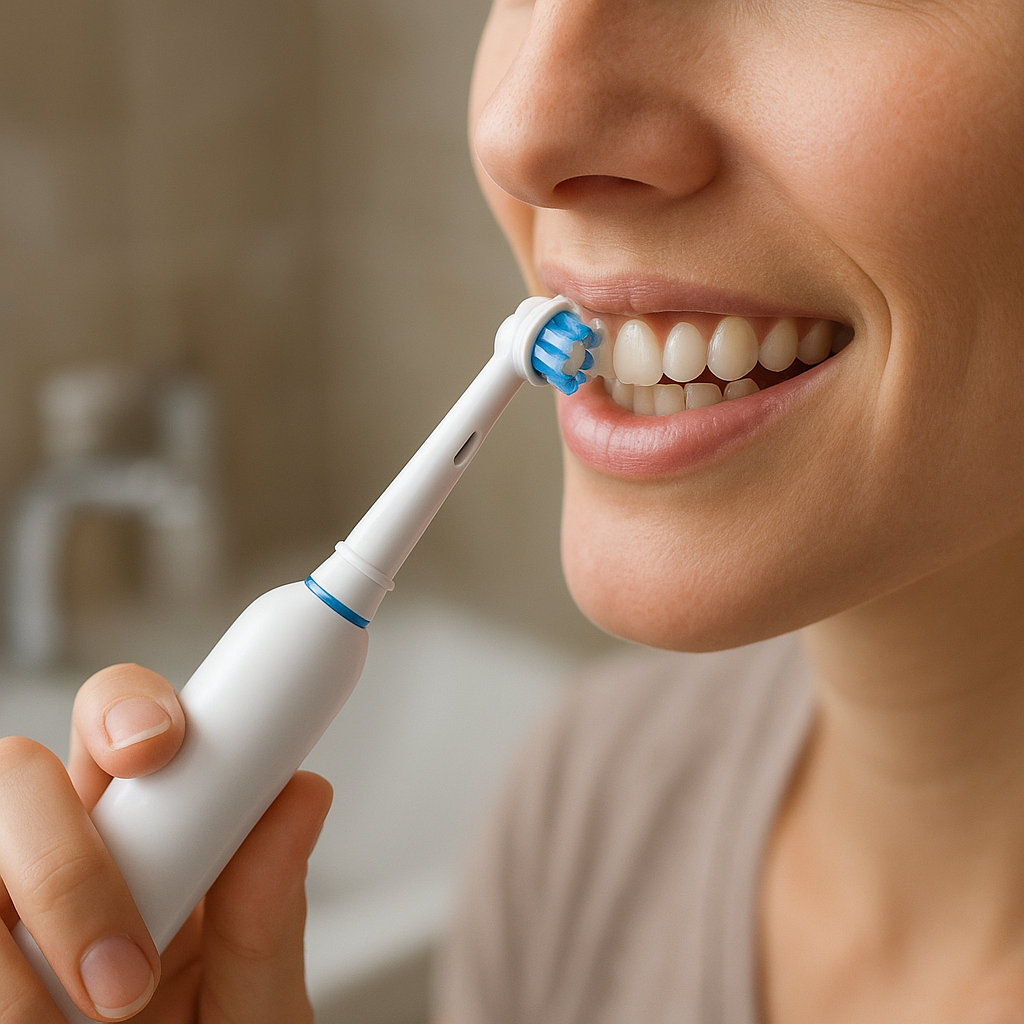
An electric toothbrush has revolutionized daily oral care by combining cutting-edge technology with proven dental science. Many patients find that upgrading from a manual brush to a powered model improves their brushing routine, enhances oral hygiene outcomes, and contributes to long-term dental wellness. This article explores the multiple advantages of using an electric toothbrush based on insights from dental professionals, clinical studies, and user experiences. We will examine how these devices can optimize plaque removal, protect gum health, offer smart features for better compliance, and address special needs such as orthodontic appliances, dental implants, and pediatric care.
Improved Plaque Removal and Brushing Technique
One of the most compelling reasons dentists recommend an electric toothbrush is its superior ability to remove plaque compared to manual brushing. The rapid oscillations, rotations, or sonic vibrations of the brush head generate thousands of strokes per minute, which can dislodge stubborn biofilm more effectively. Clinical trials have demonstrated that electric toothbrushes can reduce plaque by up to 21% more than manual brushes after three months of use.
- Consistency in motion: The automated movements ensure each tooth surface receives uniform attention.
- Built-in timers: Many models include 2-minute timers to encourage brushing for the dentist-recommended duration.
- Pressure sensors: These features alert users when excessive force is applied, preventing enamel abrasion.
Proper brushing technique is often overlooked with manual brushes. Electric toothbrushes guide patients to hold the brush at a 45-degree angle along the gumline and let the device do the work, reducing the risk of poor coverage. This methodical approach benefits those with limited dexterity, such as elderly individuals or people with arthritis.
Enhanced Gum Health and Prevention of Periodontal Disease
Gum health is a critical aspect of overall oral wellness, and regular use of an electric toothbrush can significantly lower the risk of gingivitis and more severe forms of periodontal disease. Studies have shown that after one month, users of powered brushes experience up to 11% fewer bleeding sites and less inflammation than manual brush users.
Key Factors for Gum Protection
- Plague disruption: High-frequency bristle movements effectively sweep away bacteria lurking in sulcus areas.
- Pressure regulation: Built-in alerts prevent hard scrubbing that can damage tender gum tissue.
- Soft bristle options: Models designed for sensitive gums offer ultra-soft replacement heads to minimize irritation.
Adopting an electric toothbrush as part of a daily routine can be especially beneficial for individuals prone to gum recession or those undergoing periodontal therapy. The gentle yet thorough cleaning mechanism helps maintain a healthy gingival margin, supporting tissue regeneration and reducing pocket depths around the teeth.
User-Friendly Features and Smart Technology
Modern electric toothbrushes have graduated from simple vibration plates to fully integrated smart devices, bridging oral care with digital health tracking. These innovations help patients stay engaged, informed, and motivated to uphold excellent brushing habits.
Popular Smart Features
- Bluetooth connectivity: Syncs with mobile apps to monitor brushing time, frequency, and coverage.
- Multiple cleaning modes: Options include daily clean, whitening, gum care, and deep clean settings.
- Quadpacer intervals: Encourages equal attention to each quadrant of the mouth by providing 30-second prompts.
These intelligent capabilities allow dentists to review patient brushing data remotely, tailor home-care instructions, and reinforce proper technique. Furthermore, feedback from the brush and app can reduce missed spots, ultimately lowering the incidence of cavities and keeping enamel strong.
Special Applications: Orthodontics, Implants, and Pediatric Care
Electric toothbrushes are versatile tools that cater to a variety of dental conditions and life stages. From braces to baby teeth, powered brushes offer targeted designs and brush head shapes to enhance outcomes in specialized scenarios.
Orthodontic Patients
- Brackets and wires trap food particles, but narrow brush heads glide around hardware for thorough cleaning.
- Sonic vibrations help dislodge debris from beneath archwires and between brackets.
Dental Implants and Restorations
- Peri-implantitis prevention: Soft, round brush heads gently clean around implant margins without scratching the titanium surfaces.
- Customizable settings: Low-intensity modes minimize trauma to newly placed restorations.
Pediatric Oral Care
- Kid-friendly designs: Smaller handles and colorful characters encourage children to brush.
- Playful timers and reward apps: Transform brushing into a fun activity, improving daily compliance.
- Extra-soft brush heads: Protect tender gums and developing enamel in primary dentition.
By selecting the appropriate brush head and mode, patients with special dental needs can achieve superior hygiene outcomes without compromising comfort or safety.