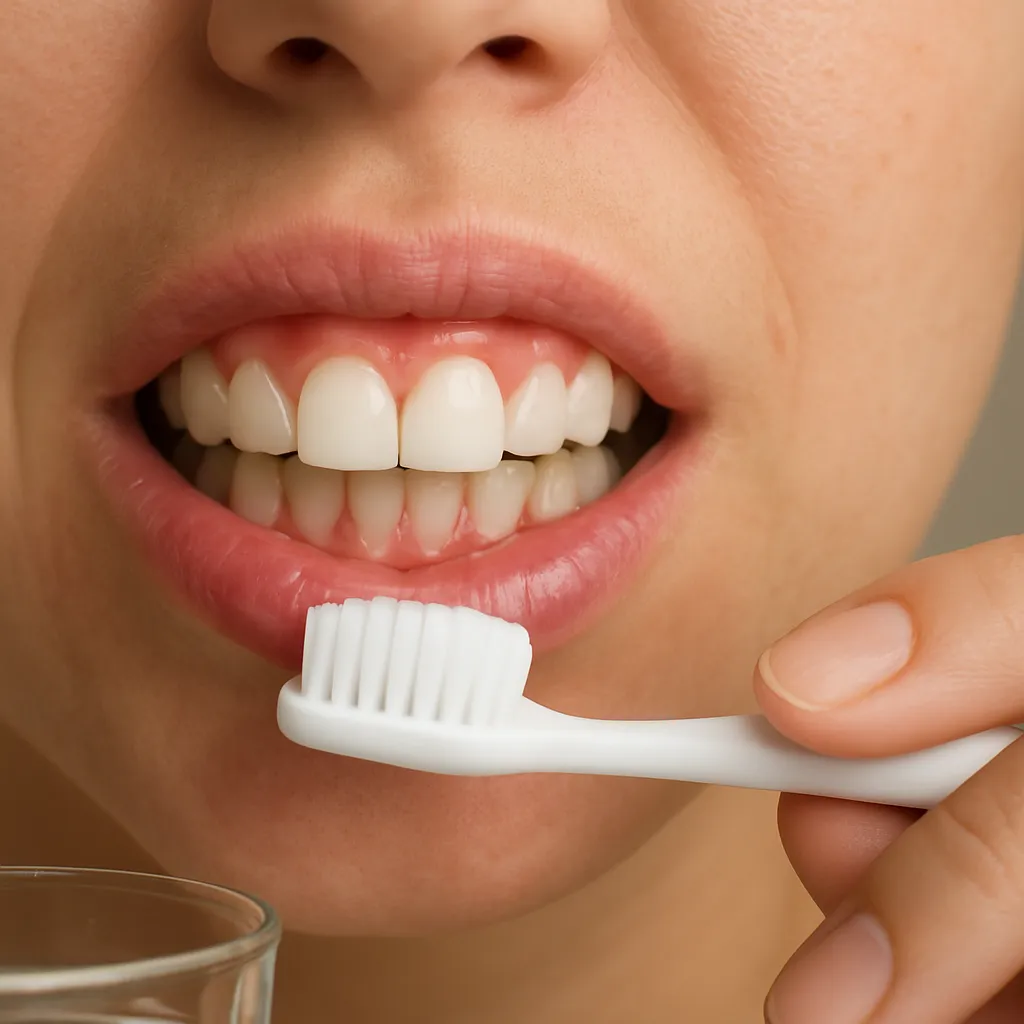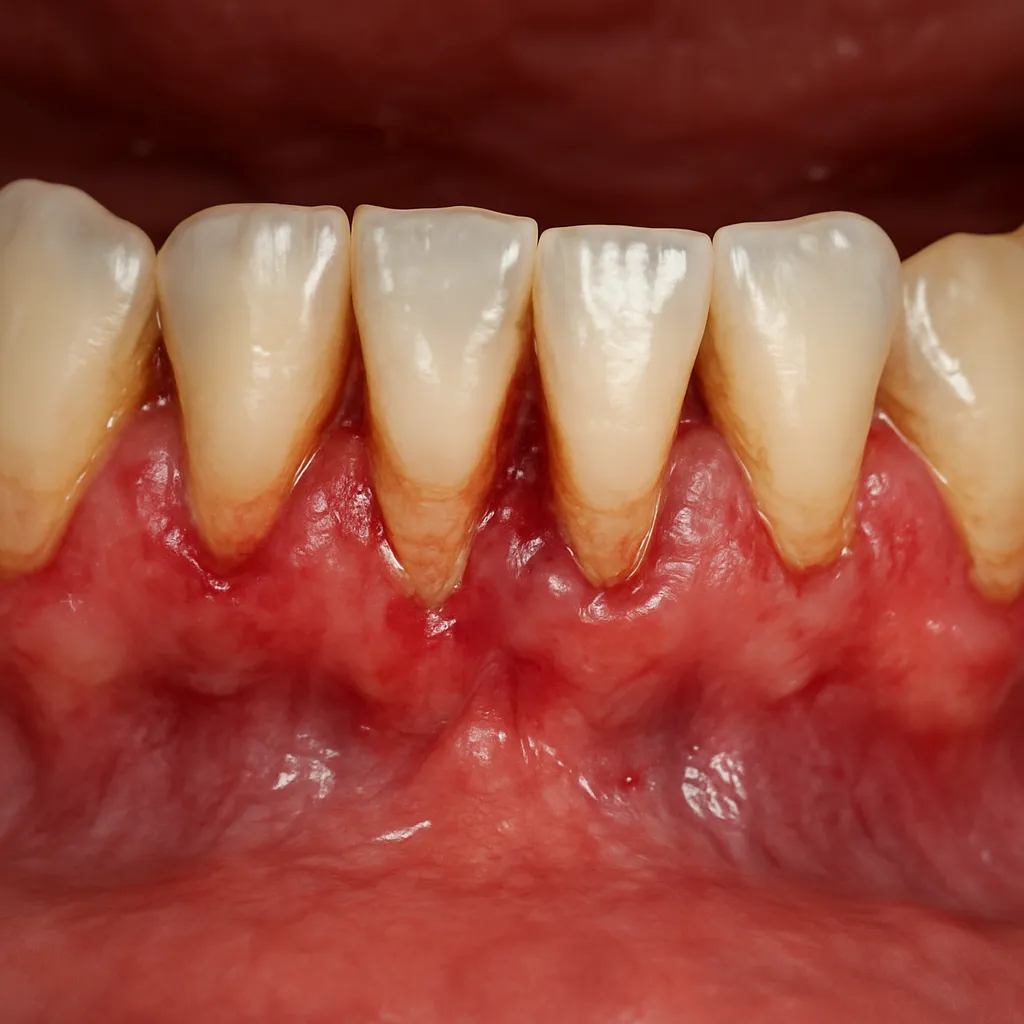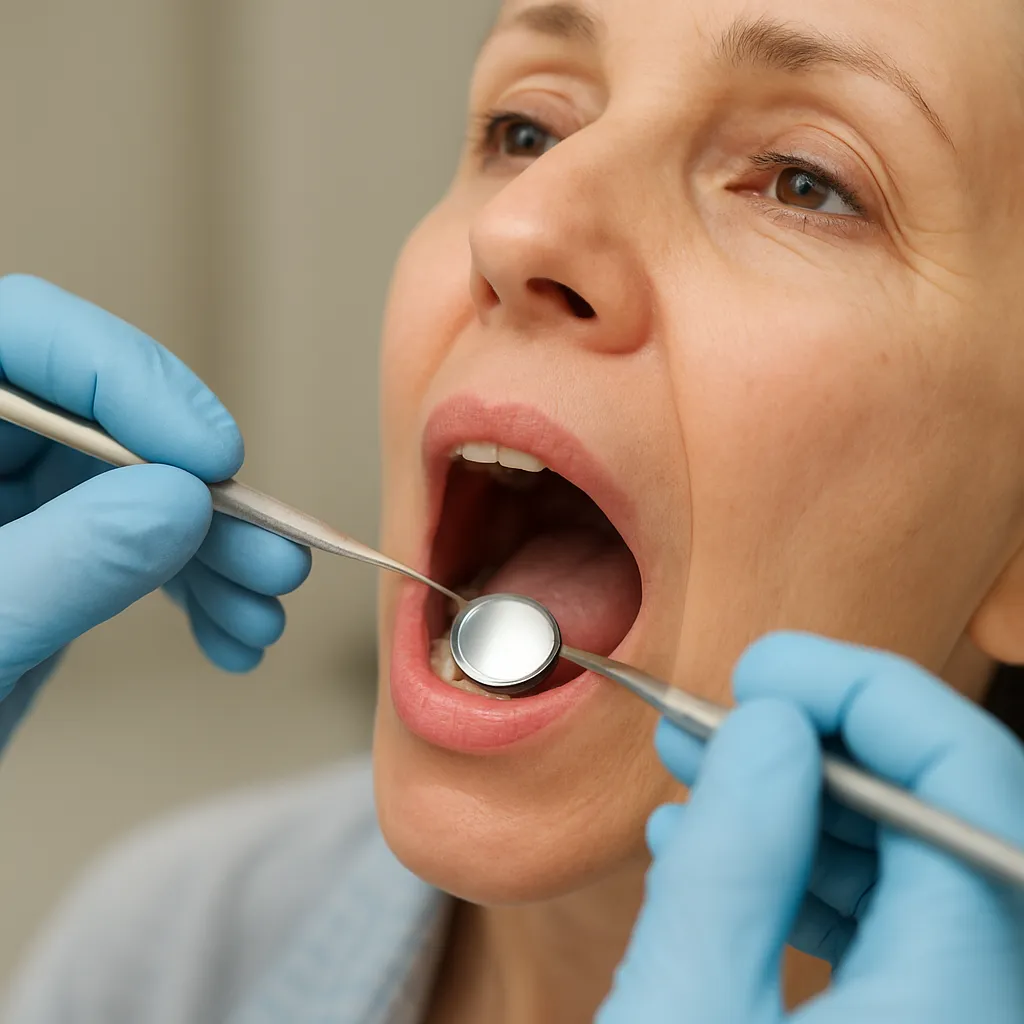
Oral health goes beyond maintaining a bright smile; it plays a pivotal role in overall well-being. Regular visits to a dentist provide an invaluable chance to detect abnormalities early, long before symptoms become pronounced. A systematic oral cancer check not only boosts confidence but also significantly improves survival rates by facilitating early detection of malignant changes. By integrating thorough screenings into every preventive appointment, dental teams uphold a high standard of care and safeguard patients against serious threats.
The Critical Role of Routine Oral Cancer Checks
Detecting oral malignancies in their initial stages often makes the difference between simple treatment and complex interventions. Dentists, as primary oral health providers, undertake comprehensive examinations that involve visual inspection and palpation of the lips, tongue, cheeks, floor of the mouth, and throat. This diligent process ensures that any unusual lesion, discoloration, or ulceration receives prompt attention.
Key advantages of a standardized screening protocol include:
- Timely identification of suspicious patches or lumps.
- Reduced need for extensive surgery and aggressive therapies.
- Lower healthcare costs associated with late-stage treatments.
- Improved chances of full recovery and preservation of oral function.
Embedding these checks into every check-up demonstrates a commitment to holistic care. It also reinforces trust between patients and their dental professionals, who become guardians of both smiles and general health.
Key Steps in the Oral Cancer Screening Process
Visual Examination
Every screening begins with a meticulous visual appraisal under bright lights. The dentist looks for white or red patches, sores that bleed easily, or any abnormal texture on oral tissues. These subtle cues can signify dysplastic changes or early malignancies.
Palpation
Next comes manual palpation—gently feeling the neck, jawline, and inside the mouth to detect lumps or thickened areas. Palpation helps identify growths that might not yet be visible, including hidden tumors beneath the mucosal surface.
Use of Adjunctive Tools
Modern clinics often employ specialized aids such as hand-held light systems, vital staining agents, and optical imaging devices. These tools highlight cellular abnormalities by enhancing contrast between healthy and suspicious tissues. When a clinician encounters a concerning area, they may recommend a biopsy, obtaining a tissue sample for definitive laboratory analysis.
Identifying and Managing Risk Factors
Certain behaviors and conditions drastically elevate the likelihood of developing oral malignancies. Patients presenting with any of the following should receive extra attention during routine visits:
- Tobacco use, including cigarettes, cigars, pipes, and smokeless products.
- Regular, heavy alcohol consumption.
- Human papillomavirus (HPV) infection, particularly strains linked to oropharyngeal cancers.
- Poor nutrition and weakened immune status.
- Chronic irritation from ill-fitting dentures or rough tooth surfaces.
During consultations, dentists discuss lifestyle modifications and preventive measures. They encourage smoking cessation, moderation of alcohol intake, and balanced diets rich in fruits and vegetables. By empowering patients to address modifiable risks, dental teams enhance overall outcomes and foster sustained well-being.
Advancements in Screening Technology
Recent innovations have transformed the landscape of oral diagnostics. Digital imaging, fluorescence visualization, and brush biopsy techniques now complement conventional methods, offering enhanced sensitivity and speed. These technologies detect molecular and cellular alterations before they manifest visually, enabling truly proactive care.
For example, autofluorescence devices excite tissues with specific light wavelengths, causing abnormal cells to fluoresce differently from healthy ones. Additional computer-aided analysis can quantify changes, flagging areas for further exploration. Such cutting-edge screening technology augments clinical judgment, reducing reliance on subjective assessment alone.
Portable tools also allow community dental programs to reach underserved populations. Mobile clinics equipped with handheld scanners can perform on-site evaluations in schools, senior centers, and rural areas, extending the benefits of early detection to those with limited access to traditional offices.
Empowering Patients Through Education
Patient engagement remains a cornerstone of effective oral cancer prevention. Dentists cultivate patient awareness by explaining the significance of self-examinations and recognizing warning signs such as persistent sores, unexplained bleeding, or unusual lumps. Educational materials—brochures, videos, and digital resources—reinforce these messages between visits.
Interactive demonstrations show individuals how to perform mirror exams at home, checking the lips, tongue, and inner cheeks for any anomalies. By understanding when to seek professional evaluation, patients become partners in safeguarding their health.
Ultimately, early intervention correlates directly with more favorable treatment outcomes, lower morbidity rates, and enhanced quality of life. When dentists, patients, and communities unite around the goal of regular oral cancer checks, they create a resilient front line against a disease that thrives on delay. Continuous training, open communication, and commitment to innovation ensure that every routine visit becomes an opportunity to save lives.