Optimal intake of essential minerals is crucial for maintaining oral health, and among these, calcium stands out as a key player in preserving tooth integrity and function. Dentists and dental hygienists rely on a deep understanding of how this mineral interacts with the hard tissues of the mouth, influences remineralization processes, and affects overall patient well‐being. This article explores the multifaceted role of calcium in dentistry, presenting insights into its biological mechanisms, sources, absorption factors, and clinical applications.
Structure and Composition of Dental Tissues
Enamel and Dentin Mineralization
The outer layer of the tooth, known as enamel, is the hardest substance in the human body. Beneath enamel lies dentin, which is slightly softer but still highly mineralized. Both tissues derive their strength from the deposition of hydroxyapatite crystals, a calcium phosphate complex. Adequate supply of calcium during tooth formation and throughout life supports the formation of a dense, protective mineral matrix.
Role of Calcium in Hydroxyapatite Formation
Hydroxyapatite (Ca10(PO4)6(OH)2) provides the structural framework for enamel and dentin. The pH of the oral environment and the presence of fluoride can modulate crystal growth. In acidic conditions, demineralization occurs as calcium ions are leached out, weakening the tooth. Conversely, when saliva is supersaturated with calcium and phosphate, remineralization can repair early lesions.
Sources and Absorption of Calcium
Dietary Sources
Obtaining sufficient calcium through diet is the first line of defense against demineralization. Common dietary sources include:
- Dairy products: milk, cheese, yogurt
- Leafy greens: kale, spinach, collards
- Fortified foods: cereals, plant-based milks
- Fish with edible bones: sardines, canned salmon
- Nuts and seeds: almonds, sesame seeds
These foods not only supply calcium but often contain co-factors such as vitamin D and magnesium, which enhance bioavailability.
Factors Affecting Absorption
Several factors influence how effectively calcium is absorbed:
- Vitamin D status: necessary for promoting active transport in the intestine
- Age: absorption decreases with aging
- Dietary components: oxalates and phytates can bind calcium and reduce uptake
- Hormonal regulation: parathyroid hormone modulates calcium homeostasis
- Medications and gastrointestinal health: acid blockers and malabsorption syndromes
Clinical Implications for Dental Practice
Prevention of Enamel Demineralization
Regular exposure to saliva supersaturated with calcium and phosphate is vital to counteract acid attacks. Professional care may include:
- Topical applications of calcium phosphates or gels
- Use of calcium‐enriched varnishes in high‐risk patients
- Prescription mouth rinses containing calcium salts
These measures support the remineralization of early carious lesions and strengthen enamel resilience.
Management of Root Caries and Sensitivity
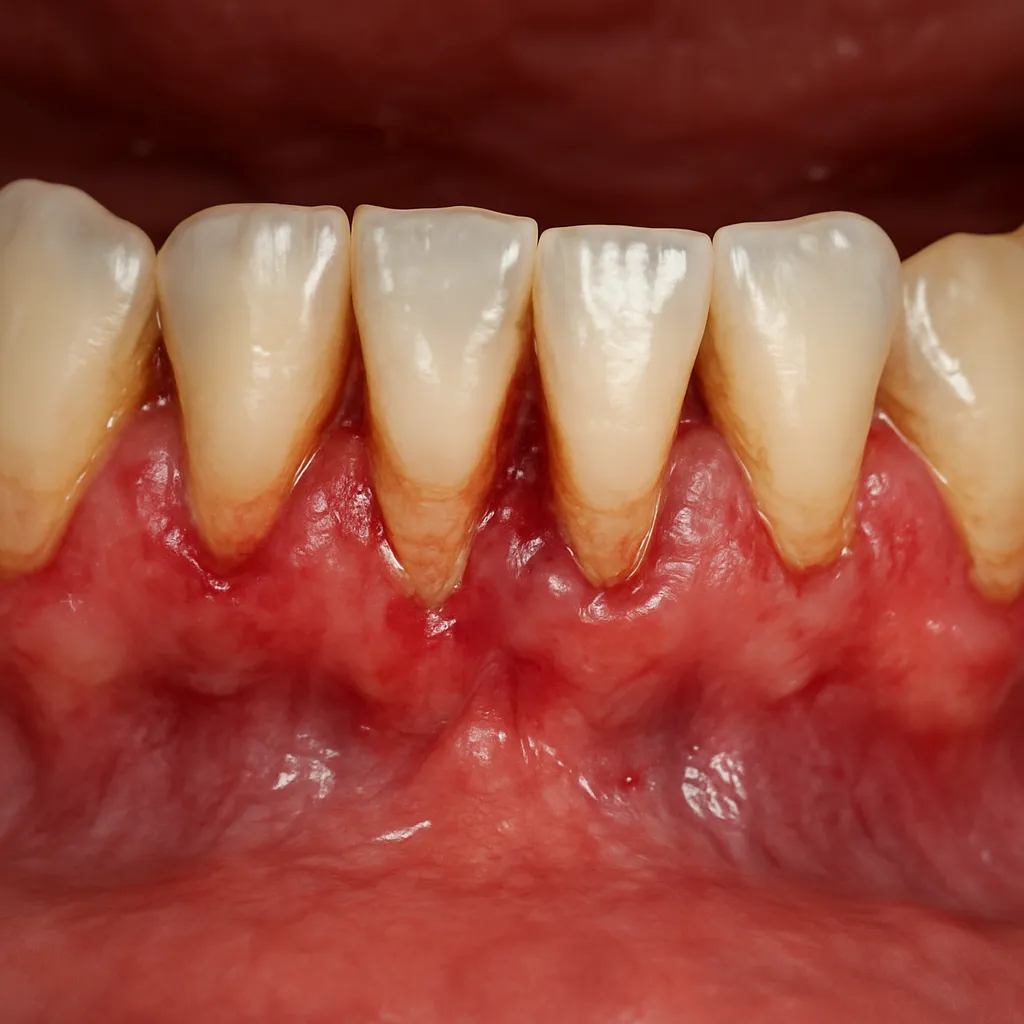
Dentin exposures, often due to gingival recession or erosion, can lead to hypersensitivity. Utilizing calcium-based desensitizing agents helps occlude dentinal tubules, reducing fluid flow and pain. Products combining calcium and phosphate ions with fluoride show synergistic effects in tubule occlusion and mineral deposition.
Patient Education and Dietary Counseling
Nutrition and Oral Health Communication
Dental professionals should incorporate dietary assessment into routine examinations. Key points to cover include:
- Identifying calcium‐rich foods and beverages
- Discussing diet patterns that minimize frequent acid challenges (e.g., sips of soda)
- Encouraging intake of dairy or fortified alternatives after meals
Supplementation Guidelines
When dietary intake is insufficient, supplementation may be indicated. Practitioners should consider:
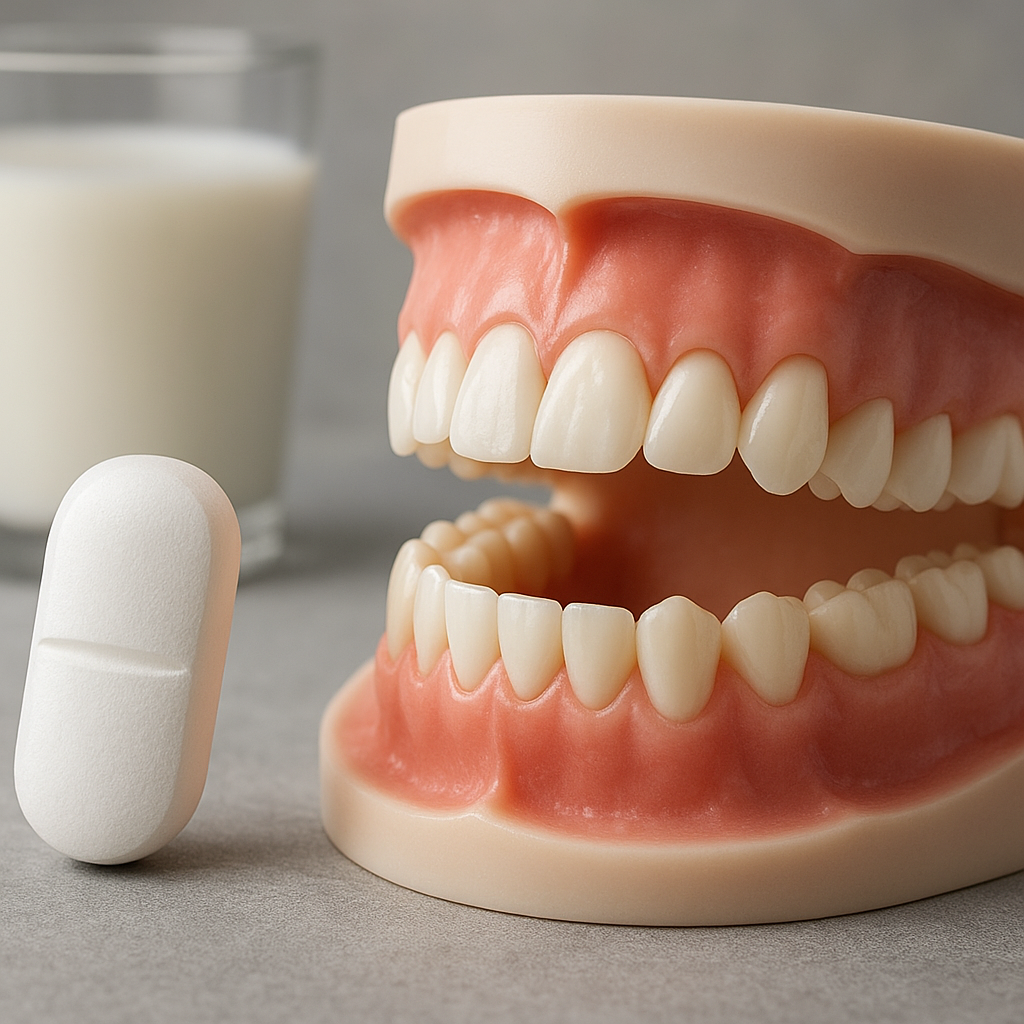
- Dosage: typically 500–1,000 mg elemental calcium daily, divided doses
- Formulation: calcium citrate for patients with low stomach acid; calcium carbonate when acid levels are adequate
- Interaction monitoring: check for concurrent iron or thyroid medication
Interdisciplinary Collaboration and Future Directions
Working with Nutritionists and Physicians
Dental teams can partner with healthcare providers to manage systemic conditions such as osteoporosis that share risk factors with dental demineralization. A coordinated approach optimizes salivary calcium levels and addresses overall bone health.
Innovations in Calcium Delivery
Emerging technologies include:
- Nanoparticulate calcium phosphate carriers for deeper enamel penetration
- Smart release systems triggered by pH changes
- Biomimetic peptides that promote crystal nucleation
These advancements promise targeted remineralization strategies and enhanced preventive care.