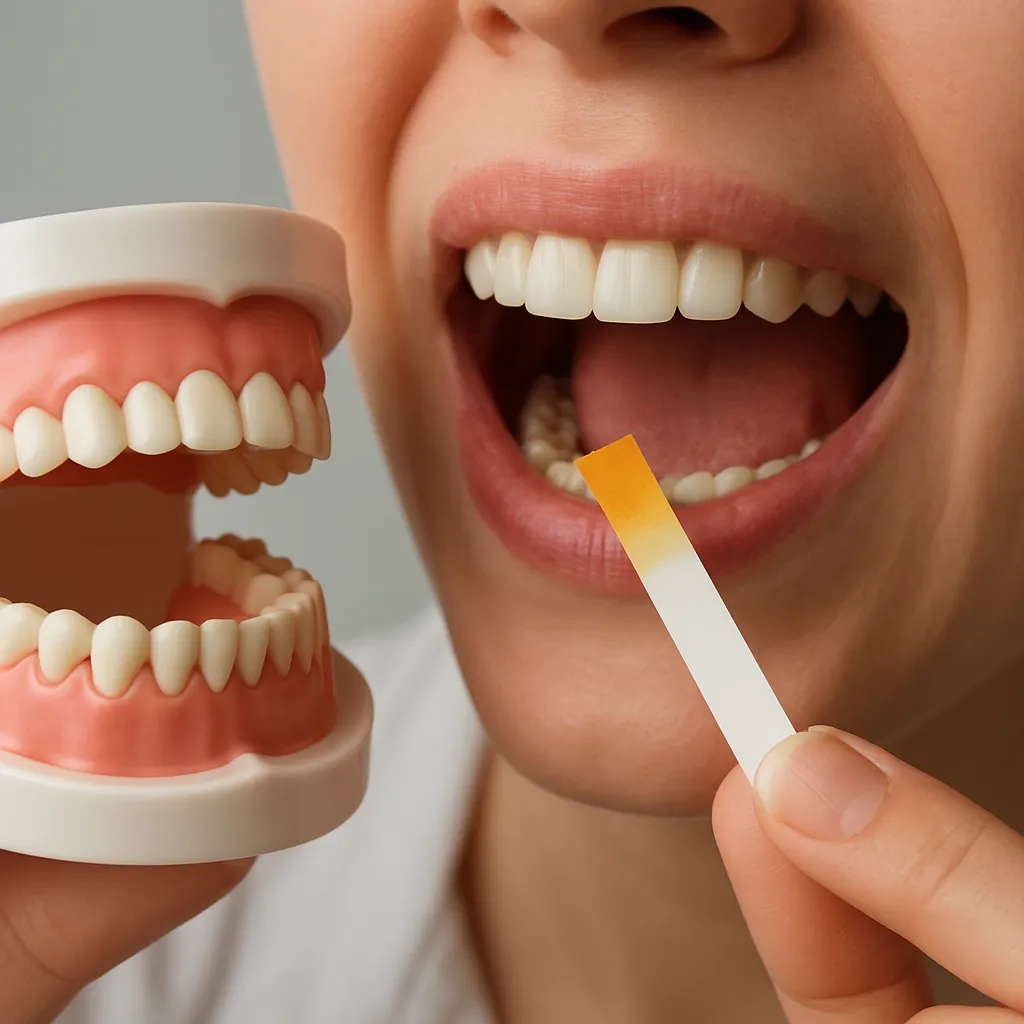
Maintaining a stable environment within the oral cavity is essential for preventing tooth decay and gum disease. The interplay between acids produced by microbial activity and protective factors like saliva and minerals determines whether teeth remain strong or begin to weaken. A balanced pH level in the mouth supports healthy enamel and fosters beneficial interactions among tissues, fluids, and resident microbes.
Understanding the Impact of pH on Oral Health
The pH Scale and Dental Implications
The pH scale ranges from 0 (most acidic) to 14 (most alkaline), with a neutral midpoint of 7. In the oral environment, a pH below 5.5 triggers demineralization of the tooth surface, a process in which acid dissolves calcium and phosphate ions from the enamel. Conversely, periods of neutrality or slight alkalinity encourage remineralization, where these essential minerals are redeposited.
- When pH drops, enamel softens and becomes more prone to erosion.
- Frequent acid exposure leads to micro-cracks and increased sensitivity.
- Consistent remineralizing phases strengthen enamel and reduce cavity risk.
Role of Oral Microbiome in pH Fluctuations
Oral bacteria ferment sugars and produce organic acids that lower pH. Certain strains like Streptococcus mutans thrive in acidic conditions, accelerating demineralization. A diverse and balanced microbial community, however, can neutralize acids and support continuous mineralization.
Key Factors That Influence Oral pH Balance
Dietary Influences
Food and beverages are among the most direct determinants of mouth acidity. High-sugar snacks provide fuel for acid-producing microbes, while acidic soft drinks and fruit juices immediately lower local pH.
- Sticky sweets cling to tooth surfaces, prolonging acid attacks.
- Citrus fruits and vinegars directly contribute to enamel erosion.
- Cheese, milk, and nuts supply calcium and phosphate, aiding remineralization.
Saliva: The Natural Buffer
Saliva is the mouth’s primary defense against acidity. Its buffering capacity comes from bicarbonate ions that neutralize acids. In addition, saliva provides calcium and phosphate ions needed for mineralization, and contains enzymes that inhibit harmful bacteria.
- Reduced saliva flow—xerostomia—leads to prolonged acidic episodes.
- Chewing sugar-free gum boosts saliva production and pH recovery.
- Certain medications and health conditions can impair salivary function.
Clinical and Preventive Strategies for pH Management
Professional Interventions
Dental professionals employ several tactics to restore and maintain optimal oral pH. Topical fluoride varnishes enhance enamel resistance by promoting mineral uptake. Custom trays with calcium phosphate gels can be prescribed for overnight remineralization.
- Application of sealants to vulnerable pits and fissures blocks acid penetration.
- Antimicrobial mouth rinses reduce pathogenic bacteria load.
- In-office polishing and cleaning remove plaque biofilm that harbors acids.
Home Care Recommendations
Daily habits play a critical role in preserving a favorable pH environment. Proper brushing and flossing remove substrate for acidogenic microbes. Rinsing with water after meals helps dilute and wash away acids.
- Use a soft-bristle brush and non-abrasive toothpaste twice a day.
- Incorporate a neutral or alkaline mouth rinse to support pH recovery.
- Limit snacking between meals to avoid constant acid challenges.
Innovations and Future Directions in pH Control
Emerging Biomaterials and Technologies
Researchers are developing smart dental materials that release buffering agents when pH drops. These bioactive coatings resist demineralization and facilitate ongoing mineralization. Nanotechnology is also being explored to enhance enamel repair at the molecular level.
Personalized Oral Care
Advancements in salivary diagnostics allow monitoring of individual pH fluctuations and microbial profiles. Custom-tailored preventive protocols, based on real-time data, promise more effective control of acid attacks and optimized mineralization cycles.


