Your smile plays a crucial role in self-confidence and overall well-being. When considering teeth whitening, it is essential to explore the science, methods, and long-term care that go beyond simply seeking a brighter shade. This article examines the truth about teeth whitening, guiding you through key aspects of professional procedures, at-home options, and strategies to prolong your radiant results.
Understanding Teeth Whitening
Teeth whitening relies on chemical reactions to break down staining compounds within the enamel layer. Discoloration arises from factors such as dietary choices, age-related wear, tobacco use, and certain medications. The primary active agents in whitening gels are hydrogen peroxide and carbamide peroxide, which penetrate the enamel to oxidize pigmented molecules.
How Whitening Agents Work
- Hydrogen peroxide: A strong oxidizing agent that acts quickly, often used in professional settings.
- Carbamide peroxide: Breaks down into hydrogen peroxide over time, ideal for at-home trays with longer exposure.
It is important to recognize that whitening does not alter the structure of enamel itself but targets the pigmentation lodged in microscopic pores. Overuse or overly concentrated products can weaken enamel, increasing the risk of sensitivity. A balanced approach ensures the integrity of tooth structure remains intact while achieving the desired shade.
Professional vs. At-Home Treatments
Choosing between in-office and at-home treatments involves evaluating longevity, cost, convenience, and safety. Both routes use similar whitening agents, but professional oversight can enhance effectiveness and reduce adverse effects.
In-Office Whitening
- Higher concentration gels (up to 40% hydrogen peroxide) applied by a trained dentist.
- Use of specialized lights or lasers to accelerate chemical reactions.
- Protective measures such as rubber dams and gingival barriers to shield soft tissues.
- Visible results in one or two sessions lasting about 45–60 minutes each.
Pros:
- Rapid shade improvement.
- Personalized treatment based on tooth sensitivity and existing restorations.
Cons:
- Higher upfront cost.
- Possible short-term sensitivity requiring desensitizing protocols.
At-Home Whitening
- Custom trays provided by a dental professional or over-the-counter strips and gels.
- Lower concentrations (10–20% carbamide peroxide) with longer wear time (several hours to overnight).
- More gradual color change over days or weeks.
Pros:
- Lower cost and convenience of home use.
- Ability to control the pace and duration of treatment.
Cons:
- Inconsistent results if trays or strips do not fit properly.
- Higher risk of overuse without professional guidance.
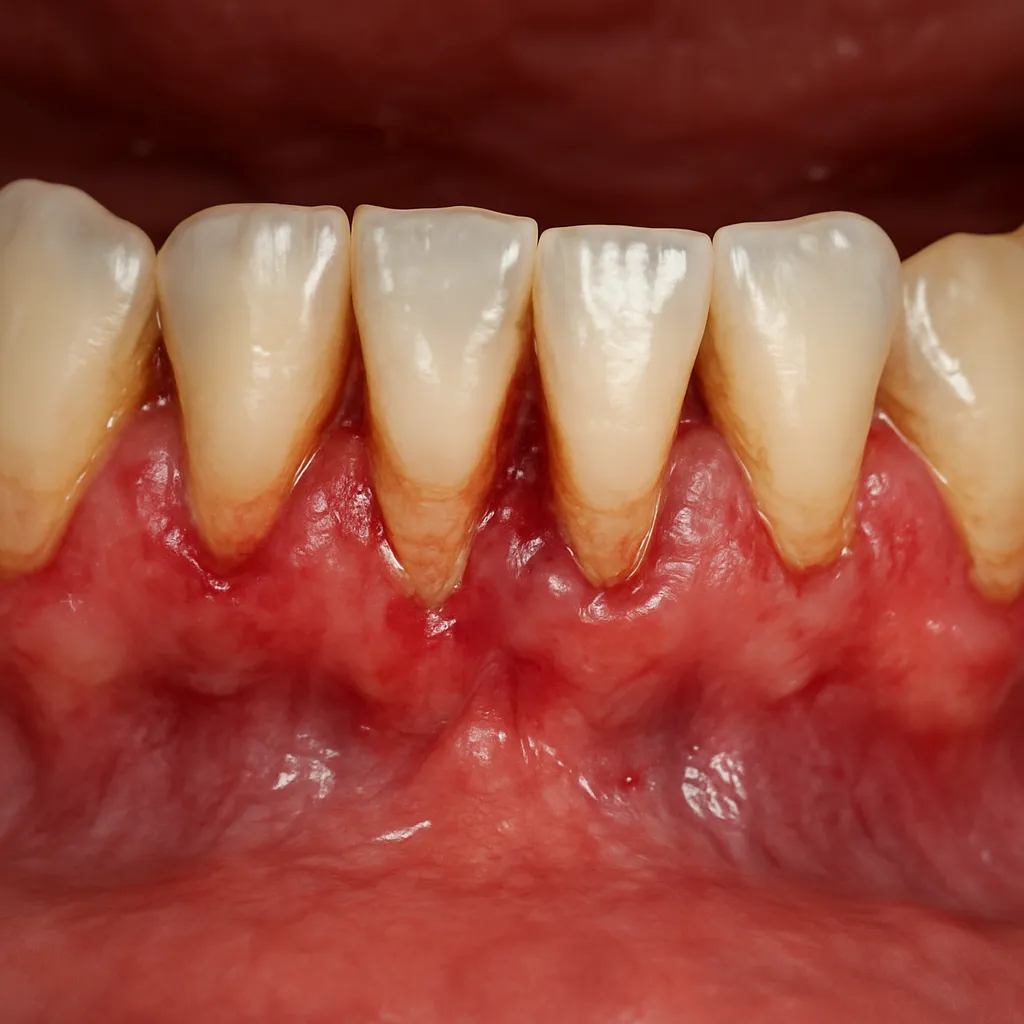
Selecting the right method depends on your lifestyle, budget, and enamel condition. A preliminary consultation with a qualified practitioner helps determine if you are a suitable candidate, especially if you have existing restorations, gum recession, or intrinsic discoloration from medical conditions.
Maintaining Results and Oral Health
After achieving your target shade, proper maintenance is vital to preserve whiteness and prevent recurrence of stains. Long-term success hinges on daily habits, periodic touch-ups, and professional monitoring.
Daily Care Tips
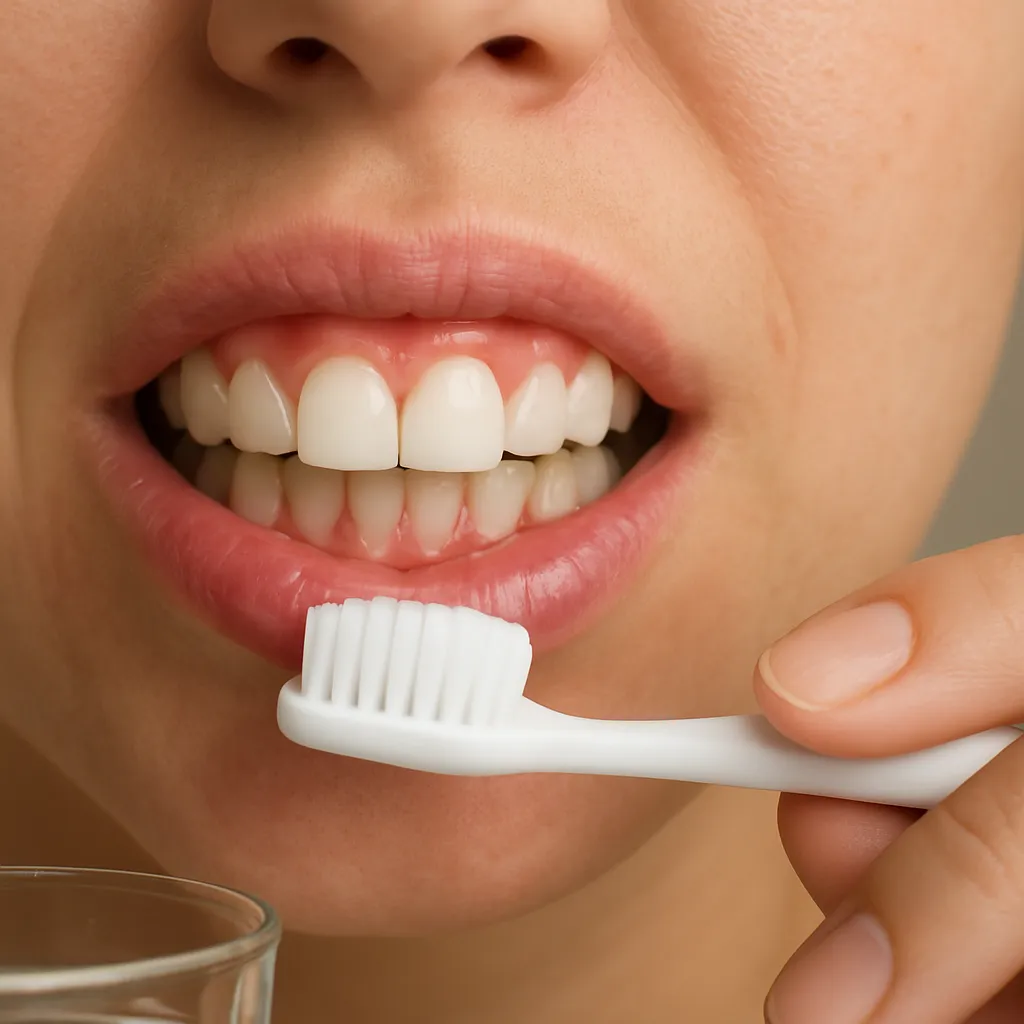
- Maintain diligent oral hygiene: Brush twice daily with a soft-bristle brush and fluoride toothpaste.
- Floss daily to remove plaque and prevent tartar buildup.
- Rinse with an antimicrobial mouthwash to reduce bacteria that contribute to staining.
- Limit consumption of staining foods and beverages: coffee, tea, red wine, and deeply pigmented sauces.
Periodic Touch-Ups
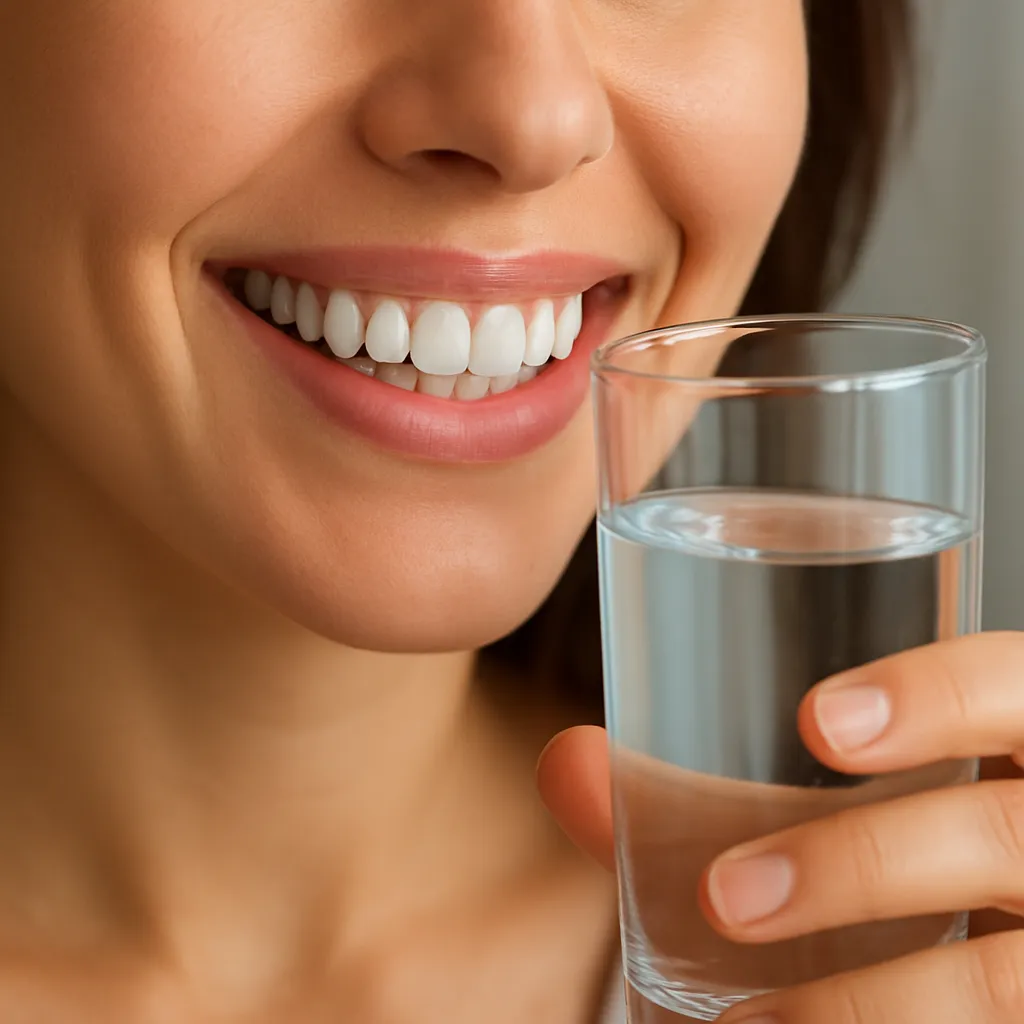
Many patients benefit from at-home booster kits containing lower-strength peroxide, applied once a month to counteract minor discoloration. Always follow the recommended duration and frequency to avoid enamel damage. Alternatively, schedule a brief in-office session every six to twelve months for a professional refresh.
Addressing Sensitivity
Sensitivity may occur due to peroxide penetrating the dentinal tubules. Desensitizing toothpastes with potassium nitrate or fluoride varnishes can alleviate discomfort. Consult your dentist if sensitivity persists beyond a few days post-whitening.
Other Considerations
- Dental restorations (crowns, veneers, fillings) do not respond to bleaching. Review existing work with your dentist to ensure color harmony.
- Smoking cessation not only improves oral health but also prolongs whitening effects.
- Regular dental check-ups and cleanings remove surface stains and allow early detection of issues like cavities or gum disease.
The Role of Technology and Future Trends
Innovations in whitening technology continue to emerge, offering more efficient and gentler solutions. Recent developments include:
- LED-activated gels that work at lower peroxide concentrations, reducing sensitivity.
- Whitening formulations with added remineralizing agents like nano-hydroxyapatite.
- Customized mobile apps to track whitening progress and remind patients of maintenance routines.
Researchers are also exploring plant-derived bleaching agents and nanotechnology to target stains more precisely. As methods evolve, the emphasis remains on achieving safe, sustainable results through evidence-based protocols.
Making an Informed Decision
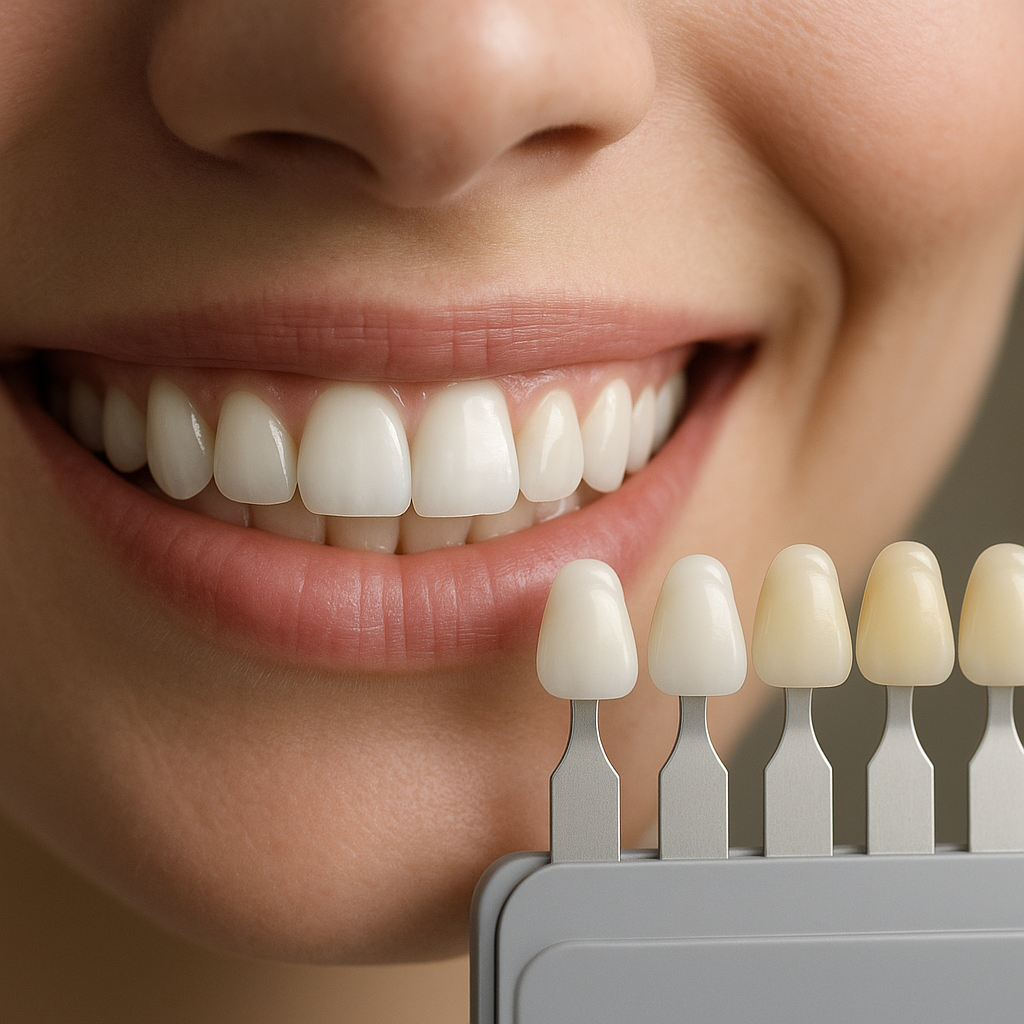
Whether you choose professional bleaching or an at-home system, the key to success lies in following instructions, consulting a qualified provider, and adopting an overall oral care regimen. Teeth whitening is not a one-size-fits-all procedure—individual factors such as enamel thickness, sensitivity thresholds, and lifestyle choices determine the optimal strategy.
By staying informed about active ingredients, realistic expectations, and maintenance practices, you can enjoy a brighter smile while safeguarding your dental health. The truth about teeth whitening is that it combines science, skill, and consistent care for lasting, confidence-boosting results.