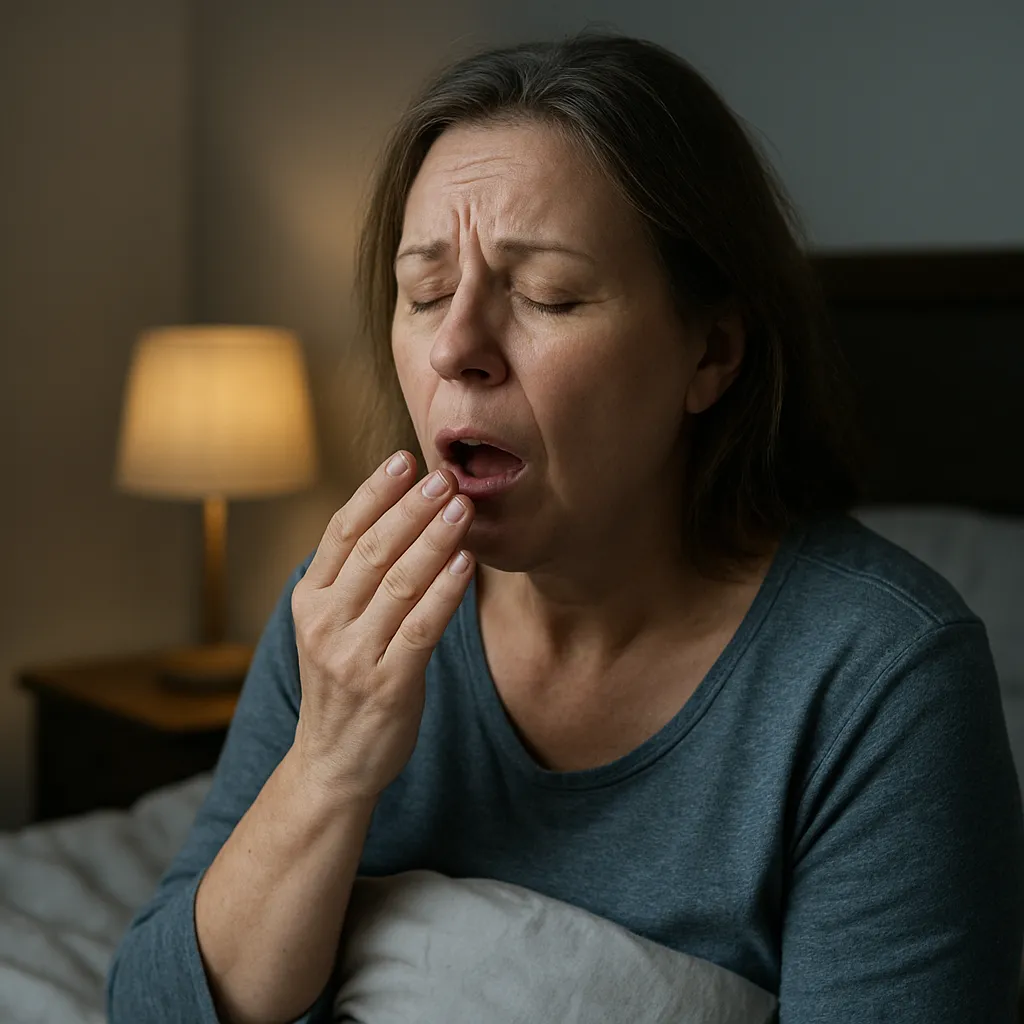
Nocturnal dryness of the mouth is a common yet often overlooked issue that affects many adults. Experiencing a cottony or parched feeling when you wake up can point to various underlying factors. Dentists and healthcare professionals emphasize the importance of identifying root causes to prevent long-term damage to the teeth and soft tissues. This article explores what leads to a persistently dry mouth at night, its impact on overall oral well-being, and practical steps to restore moisture and comfort.
Causes of Nocturnal Xerostomia
Medical Conditions Contributing
Several systemic disorders can interfere with normal saliva production, resulting in xerostomia during sleep. These include:
- Diabetes: Elevated blood sugar levels may alter fluid balance and impair gland function.
- Sjögren’s syndrome: An autoimmune disorder that directly attacks salivary glands, drastically reducing output.
- Neurological disorders: Conditions like Parkinson’s disease can disrupt neural signals that stimulate saliva flow.
- Radiation therapy: Treatment for head and neck cancers often damages salivary glands.
Lifestyle and Behavioral Factors
Habits and nighttime rituals also play a significant role in mouth dryness:
- Mouth breathing: Chronic nasal congestion or sleep apnea may force breathing through the mouth, accelerating moisture loss.
- Alcohol and caffeine: Both act as diuretics, leading to dehydration and reduced saliva secretion.
- Smoking: Tobacco use impairs glandular function and compromises tissue health.
- Poor bedtime routines, such as inadequate water intake, can increase the risk of waking up with a very dry oral cavity.
Consequences on Oral Health
Mouth dryness at night is more than just an uncomfortable sensation. The absence of adequate saliva creates an environment where harmful bacteria thrive, leading to several dental and systemic issues.
- Increased risk of dental caries: Saliva neutralizes acids and washes away sugars; without it, tooth enamel erodes faster.
- Gingivitis and periodontitis: A dry environment promotes plaque accumulation, inflaming gums and potentially causing bone loss around teeth.
- Fungal infections: Conditions like oral thrush become more frequent when natural antimicrobial components of saliva are lacking.
- Bad breath (halitosis): Reduced salivary flow allows volatile sulfur compounds to proliferate, producing persistent odor.
Systemic Implications
Chronic nocturnal xerostomia can affect sleep quality and overall well-being. Disturbed rest leads to daytime fatigue, reduced concentration, and may exacerbate existing medical conditions. Proper saliva function plays a part in digestion and immune defense, so any impairment has ripple effects across multiple body systems.
Prevention and Management Strategies
Hydration and Saliva Stimulation
Ensuring proper fluid balance and encouraging gland activity are first-line measures:
- Maintain consistent hydration throughout the day, focusing on water rather than sugary or caffeinated beverages.
- Use sugar-free chewing gum or lozenges containing xylitol to stimulate residual salivary function.
- Consider sipping water or using a bedside water spritzer before bed to moisten oral tissues.
Over-the-Counter and Prescription Options
If natural approaches aren’t sufficient, various commercially available products can help:
- Saliva substitutes: Gels, sprays, or rinses that mimic the lubricating properties of saliva and provide temporary relief.
- Prescription medications such as pilocarpine or cevimeline may be recommended to enhance gland output in qualified patients.
- Humidifiers placed near the bed can increase ambient moisture, reducing evaporation from the mouth.
Behavioral Adjustments and Professional Guidance
Implementing small changes in habits and seeking dental advice can yield significant improvements:
- Adopt nasal strips or treat allergies to discourage mouth breathing.
- Avoid alcohol and tobacco, particularly in the hours leading up to sleep.
- Schedule routine dental check-ups to monitor for early signs of decay or gum disease.
- Work with a dentist or specialist to customize a nightly oral care regimen, including gentle brushing and alcohol-free mouthwash.
Emerging Research and Technologies
Innovations in salivary diagnostics and glandular regeneration promise future solutions. Ongoing studies explore gene therapy and stem cell approaches to restore normal gland function. Until then, combining lifestyle management, hydration, and targeted treatments remains the foundation of effective nocturnal dry mouth relief.


