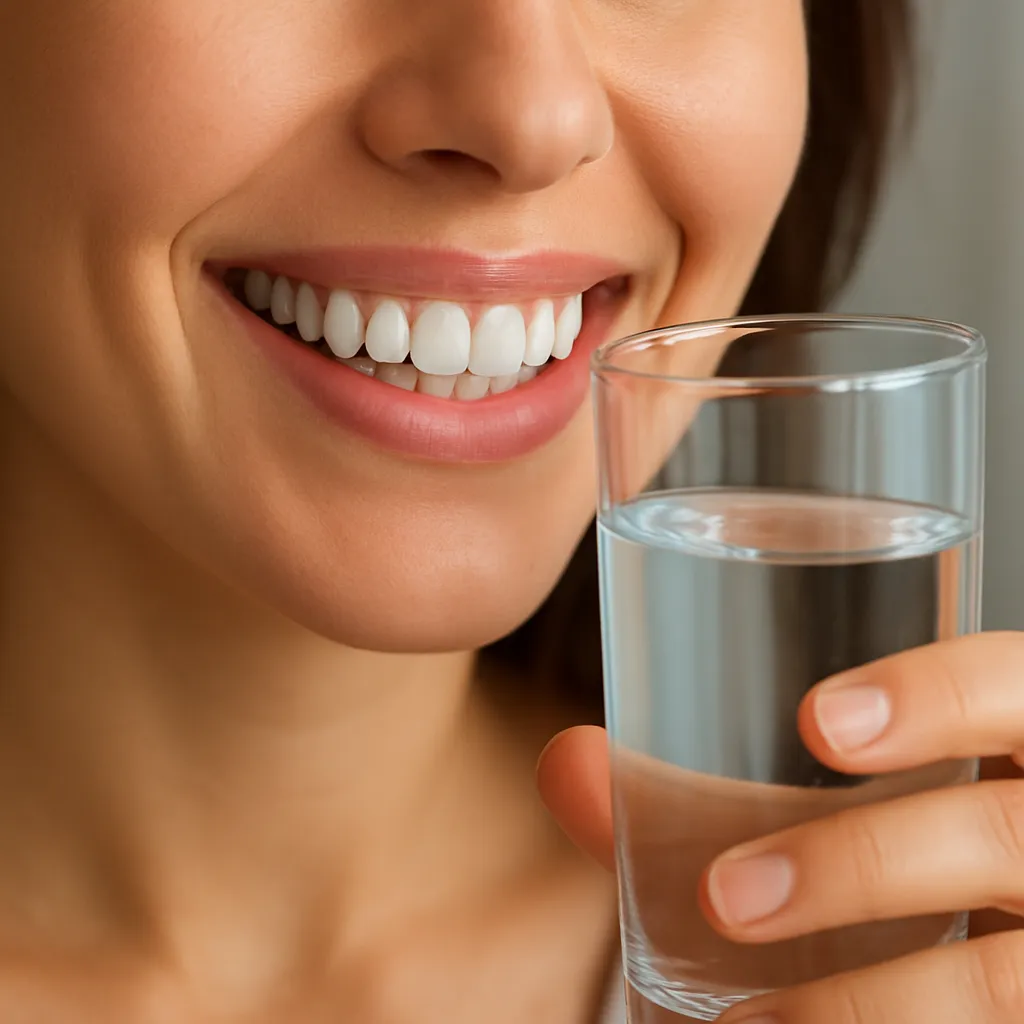
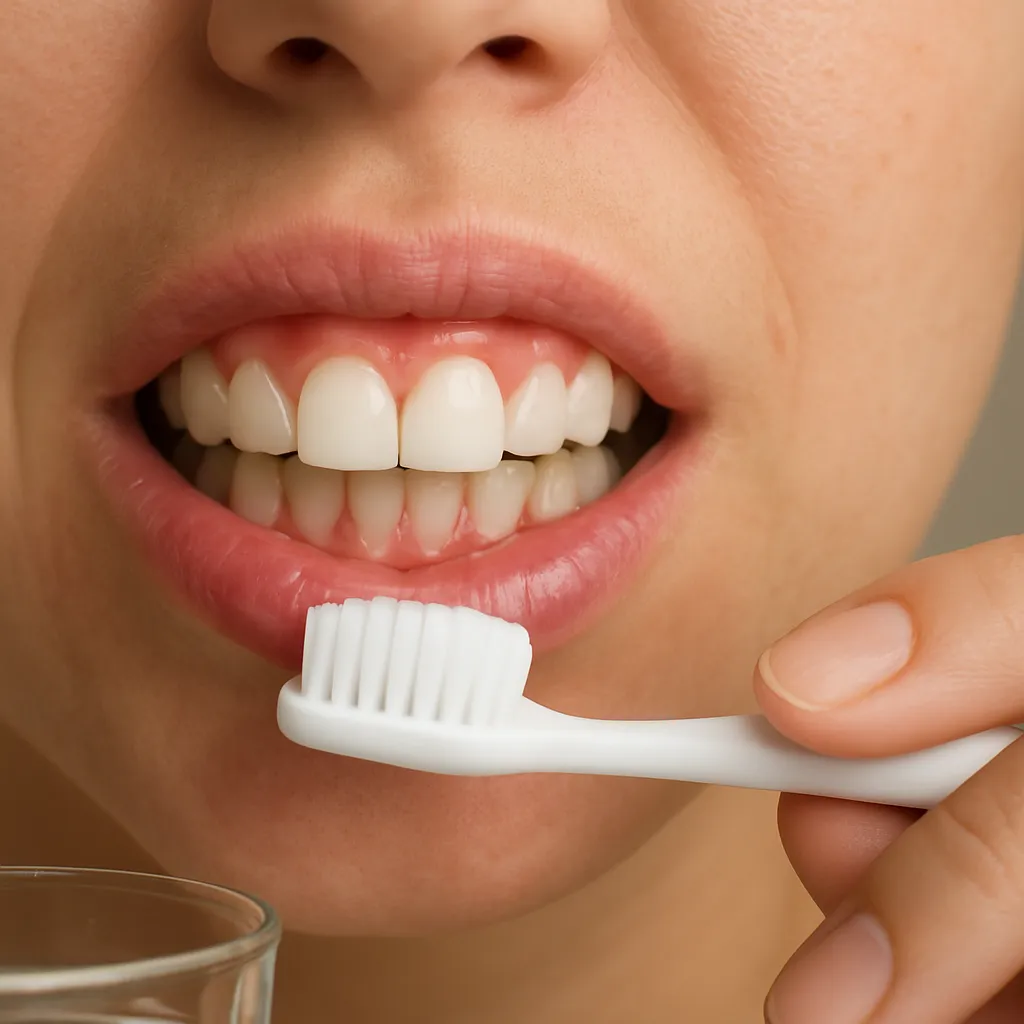
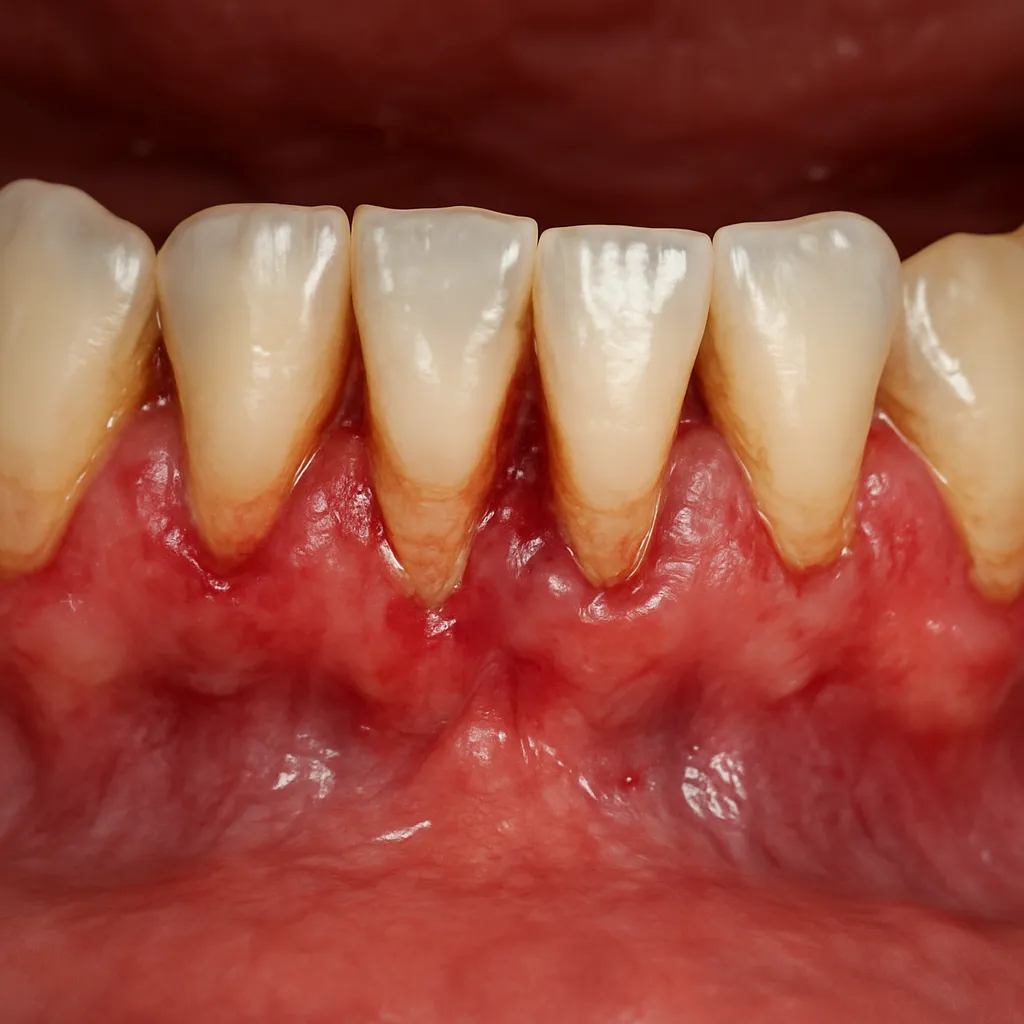
Uneven teeth can affect both the functionality of your bite and your self-esteem. While traditional braces remain a popular choice for many, advances in **orthodontics** and **aesthetics** now offer several alternatives for achieving a more balanced smile. This article explores various non-brace methods to correct misaligned teeth, including innovative treatments, pros and cons, and essential maintenance tips.
Understanding Uneven Teeth and Alternative Solutions
Minor misalignments, crowding, or spacing irregularities can result from genetics, habits such as thumb-sucking, or early tooth loss. Before deciding on a treatment path, it’s crucial to consult a qualified dentist or orthodontist. They will perform a comprehensive examination—often including X-rays and digital scans—to determine the severity of your condition and recommend an appropriate plan.
Common Causes of Dental Misalignment
- Genetic predisposition and jaw size discrepancies
- Early childhood habits: pacifier use or thumb-sucking
- Tooth loss and shifting of adjacent teeth
- Abnormal tooth eruption patterns
Key Assessment Criteria
- Degree of crowding or spacing
- Bite relationships (overbite, underbite, crossbite)
- Oral health status: gum condition and enamel integrity
- Patient goals and lifestyle considerations
Innovative Non-Braces Treatment Options
Technological advancements have introduced several **cutting-edge**, minimally invasive treatments that can align teeth without the need for metal brackets and wires. Below are some of the most popular alternatives:
1. Clear Aligner Therapy
Clear aligners, such as Invisalign®, SmileDirectClub®, and other brands, use a series of custom-made, transparent trays to gradually shift teeth into optimal position. Each tray is worn for about two weeks before progressing to the next.
- Benefits: Virtually invisible, removable for eating and cleaning, comfortable plastic material.
- Limitations: Requires patient compliance (20–22 hours daily wear), not ideal for severe cases.
2. Composite Bonding
Composite resin can be sculpted directly onto the tooth surface to reshape slightly crooked or gapped teeth. The dentist applies the **composite**, cures it with a special light, and polishes the restoration for a natural appearance.
- Benefits: Quick procedure (often completed in a single visit), cost-effective, conservative of tooth structure.
- Limitations: Less durable than veneers, potential staining over time, not suitable for major alignment issues.
3. Porcelain Veneers
Veneers are ultra-thin shells of **porcelain** or ceramic bonded to the front surface of teeth. They can mask minor misalignments by altering tooth shape, size, and color.
- Benefits: Highly aesthetic, stain-resistant, long-lasting (10–15 years with proper care).
- Limitations: Irreversible enamel reduction, higher cost, requires multiple appointments.
4. Enamel Contouring and Shaping
Also known as dental contouring, this technique involves removing small amounts of enamel to correct overlapped or uneven edges. It is typically combined with bonding for the best result.
- Benefits: Quick, painless, preserves most tooth structure.
- Limitations: Suitable only for very minor imperfections, limited scope of correction.
5. Retainers and Functional Appliances
Although retainers are usually associated with post-braces care, certain types—like spring aligners or clear removable retainers—can address mild crowding. Functional appliances can guide jaw growth in younger patients, indirectly improving alignment.
- Benefits: Low-profile options, can be used in growing children.
- Limitations: Only appropriate for minor cases, requires disciplined wear.
Maintenance and Aftercare for a Straighter Smile
Achieving your desired alignment is only the first step. Proper **retention**, oral hygiene, and periodic check-ups are vital to preserve results and safeguard overall dental health. Below are essential guidelines for long-term success:
Oral Hygiene Practices
- Brush twice daily with a fluoride toothpaste to prevent decay around bonded materials.
- Floss or use interdental brushes daily, especially around veneer margins and between crowded teeth.
- Consider an antimicrobial mouthwash if recommended by your dentist to minimize plaque buildup.
Retention Protocols
- Custom retainers, either fixed (bonded wire) or removable, prevent relapse.
- Follow your dentist’s instructions regarding wear time—often nightly for at least six months, then a few nights per week indefinitely.
- Schedule retention checks annually to adjust or replace worn appliances.
Regular Dental Visits
- Biannual cleanings and exams help detect any issues early, such as chipping of bonding or veneer detachment.
- Professional polishing maintains the **luster** of porcelain and composite surfaces.
- X-rays as needed to monitor root health and underlying bone support.
Lifestyle and Dietary Considerations
- Avoid biting hard objects (e.g., ice, pens) that can chip veneers or bonding.
- Limit staining beverages (coffee, tea, red wine) and tobacco to preserve color integrity.
- Wear a nightguard if you grind your teeth, protecting delicate corrective work.
Evaluating Pros and Cons Before Deciding
Each non-braces solution carries its own set of advantages and trade-offs. To make an informed decision, consider the following factors:
- Severity of Misalignment: Clear aligners address moderate crowding, while veneers mask minor irregularities without moving teeth.
- Budget: Composite bonding is often more affordable than porcelain veneers; clear aligner costs vary widely by provider.
- Time Frame: Contouring and bonding can be done in one visit, whereas aligners may take 6–18 months.
- Reversibility: Non-invasive options like aligners and retainers are fully reversible; veneers and hard resin bonding require permanent changes.
- Aesthetic Goals: Porcelain veneers offer superior color match and translucency for a **natural** appearance.
By weighing these considerations and working closely with your dental professional, you can select the most appropriate, **comfortable**, and efficient approach to correct your uneven teeth—no traditional braces required.