Invisible aligners have transformed the landscape of orthodontic care by offering a discreet, comfortable, and efficient alternative to traditional braces. Patients seeking a balance of aesthetics and functionality are increasingly choosing clear plastic appliances that gradually shift teeth into their optimal positions. This article explores several critical aspects of invisible aligners, highlighting their aesthetic benefits, patient comfort, clinical efficiency, and long-term oral health advantages.
Aesthetic Advantages of Clear Aligners
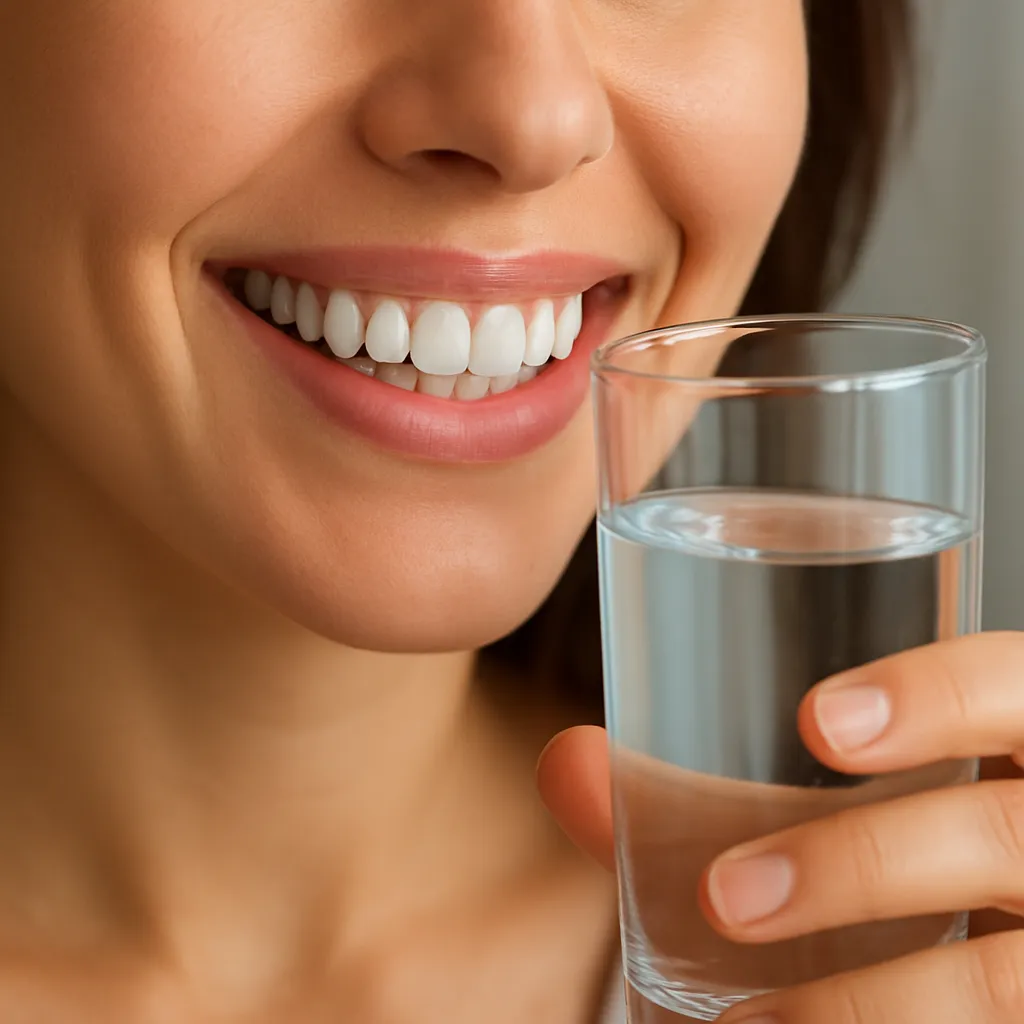
The primary appeal of invisible aligners lies in their ability to provide discreet treatment. Unlike metal braces, these aligners are crafted from transparent, medical-grade thermoplastic, making them virtually imperceptible when worn. Patients can maintain their regular social and professional interactions without feeling self-conscious about their orthodontic appliance. The seamless look contributes to a boost in confidence, allowing wearers to smile freely throughout the treatment process.
Additional aesthetic perks include:
- Transparency: The clear material blends with natural tooth color.
- Absence of metal brackets and wires, eliminating the classic “train track” appearance.
- The option to remove aligners during special events, photographs, or presentations.
With these features, aligners support a patient’s desire for an effective treatment that does not compromise their professional image or social lifestyle.
Enhanced Comfort and Oral Hygiene
Invisible aligners are designed to minimize irritation and soreness often associated with metal braces. Because they lack sharp edges and protruding components, aligners provide a more comfortable experience from day one. The snug, custom fit distributes corrective forces evenly across the dental arch, reducing localized pressure points.
Key comfort and hygiene benefits include:
- Removability: Patients can take out aligners to eat and maintain regular oral hygiene routines.
- Smooth surfaces: The aligner’s biocompatible plastic eliminates metal-induced soft tissue abrasions.
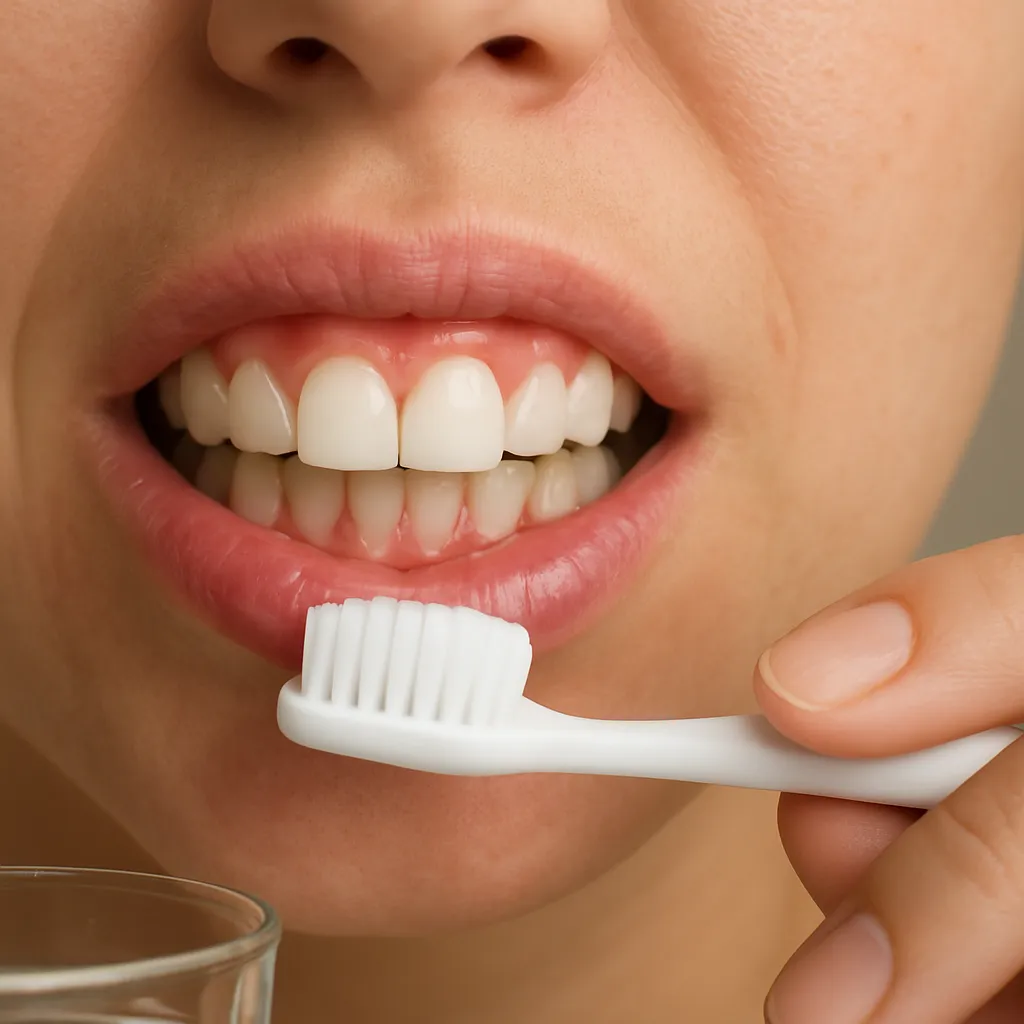
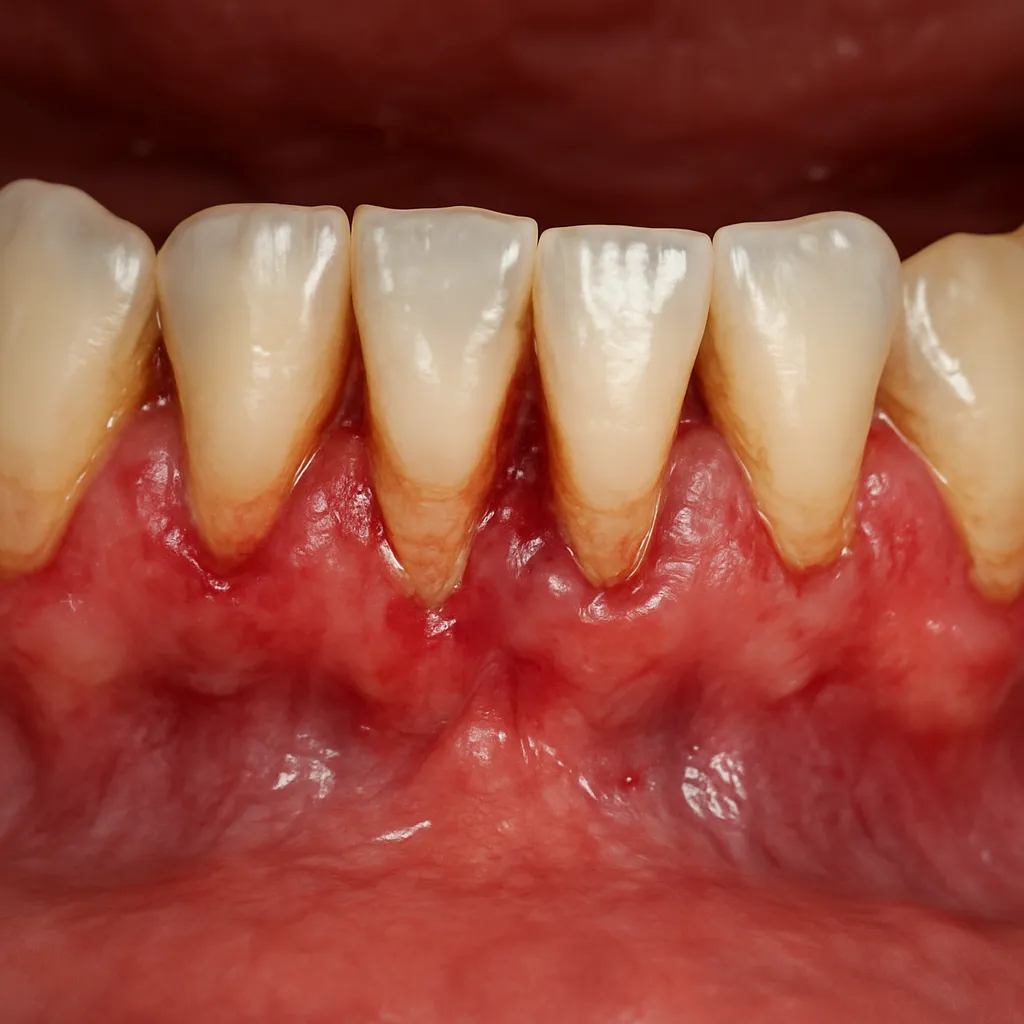
- Simple cleaning: Aligners are easily rinsed and brushed, preventing plaque buildup and reducing the risk of gum inflammation.
By encouraging proper brushing and flossing habits, invisible aligners help preserve enamel integrity and periodontal health throughout the treatment period. This emphasis on comfort and hygiene can translate to fewer emergency visits and a more pleasant overall experience.
Predictable and Efficient Treatment Planning
Advances in digital dentistry have revolutionized orthodontic workflows. High-resolution intraoral scanners capture precise 3D images of a patient’s dentition, enabling technicians to design customized treatment plans. Using sophisticated software, clinicians can simulate tooth movements in sequential steps, providing both the dentist and patient with a clear outline of the proposed trajectory—a process often referred to as virtual treatment staging.
Several factors contribute to the predictable outcomes of invisible aligners:
- Computer-guided force application ensures controlled, gradual tooth movement.
- Periodic monitoring through in-person visits or telehealth check-ins confirms treatment adherence.
- Refinements and attachments can be incorporated to address challenging bite issues or complex rotations.
The result is a streamlined approach that often leads to shorter overall treatment times compared to conventional braces. Patients appreciate the ability to visualize their future smile before therapy even begins, fostering greater engagement and compliance.
Clinical Considerations and Suitability
While invisible aligners offer numerous benefits, successful outcomes depend on proper case selection and patient cooperation. Not every malocclusion is best managed with clear aligners; severe skeletal discrepancies or complex bite corrections may still require traditional orthodontic interventions.
Candidate Assessment
- Evaluation of crowding or spacing severity
- Assessment of overbite, underbite, open bite, and crossbite presentations
- Review of periodontal health to ensure a stable foundation for tooth movement
- Determination of patient’s ability to adhere to a 20–22 hour wear schedule
During the initial consultation, dentists use digital records and clinical exams to develop a bespoke plan. In some cases, auxiliary attachments—small composite bumps bonded to selected teeth—are employed to enhance force delivery for complex rotations or upliftings.
Long-Term Stability and Follow-Up
Upon completion of active treatment, the deployment of retainers is essential to maintain properly aligned teeth. Depending on individual risk factors for relapse, patients may receive either removable clear retainers or fixed lingual wires. Regular follow-up appointments help monitor occlusion stability and periodontal health, ensuring the longevity of results.
Broader Impacts on Patient Well-Being
Beyond orthodontic correction, invisible aligners can have a profound effect on overall patient health. Patients who achieve proper alignment often experience:
- Improved mastication efficacy, reducing strain on the temporomandibular joint
- Decreased incidence of enamel wear from maladaptive biting patterns
- Enhanced speech clarity resulting from corrected tooth positions
Moreover, the psychological benefits of a straighter smile—such as elevated self-esteem and social comfort—can reinforce positive behavioral changes in nutrition and general self-care. By addressing both functional and aesthetic dimensions, clear aligner therapy embodies an innovative and patient-centered approach to modern orthodontics.
Future Directions in Clear Aligner Therapy
Ongoing research in material sciences and digital technologies continues to refine the aligner experience. Emerging trends include:
- Smart materials that adapt stress levels over time for efficacy and comfort.
- Integration of artificial intelligence to predict treatment outcomes and optimize aligner designs.
- Biodegradable thermoplastics reducing environmental impact.
As these advancements mature, dentists will have access to even more versatile and high-performance aligner systems. Patients stand to benefit from therapies that are not only predictable and comfortable but also environmentally conscious and tailored to individual lifestyles.