Your first trip to the dental office can feel both exciting and nerve-wracking. Understanding what happens before, during, and after your appointment helps you feel more confident, more at ease, and ready to maintain a healthy smile. This guide walks you through every stage of your initial visit so you know exactly what to expect and can focus on building a lasting relationship with your dental team.
Preparing for Your Visit
Proper preparation makes your appointment run smoothly. Taking a few steps in advance ensures you provide key information and arrive mentally ready.
Medical History and Insurance
- Complete any forms sent by your dental office. This includes your medical history, existing conditions, and medications.
- Have your insurance card or policy details on hand. If you’re uninsured, ask about payment plans or promotional offers.
- Note any allergies or past adverse reactions to medications.
Gathering Documents
- Government-issued ID and insurance details.
- List of current medications, vitamins, or supplements.
- Previous dental records or X-rays, if available. Electronic transfer between offices speeds up the process.
Calling ahead to confirm your appointment time, parking options, and arrival protocols (especially during health crises) prevents last-minute surprises.
The Dental Office Experience
From the moment you step into the waiting room, the dental team strives to make you comfortable. Modern offices often feature amenities designed to calm nerves and streamline processes.
Reception and Paperwork
- Front-desk staff greet you and verify your information.
- If you haven’t filled out forms online, you’ll complete them here. Staff members are available to answer questions.
- Some offices offer digital kiosks or tablets, while others rely on traditional pen-and-paper forms.
The Check-Up Procedure
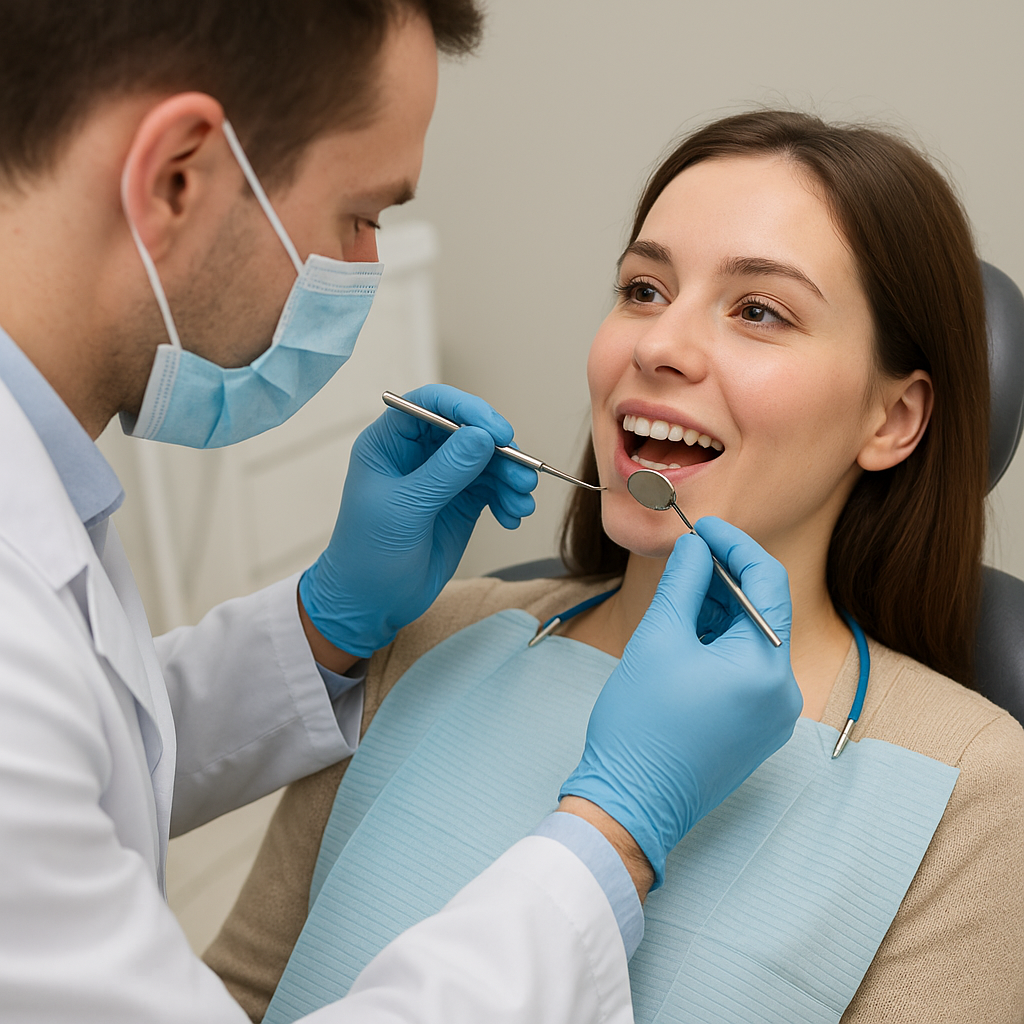
- A dental assistant escorts you to the examination room and reviews your chart.
- You’re settled into the dental chair, with adjustable headrest and chair positioning for comfort.
- The assistant takes vital signs—blood pressure, pulse, and sometimes oxygen saturation—especially for patients with systemic conditions.
- X-ray images may be taken to diagnose hidden issues like cavities between teeth or bone loss.
During X-rays, you’ll wear a lead apron to protect your body, and the assistant positions a small sensor or film inside your mouth. Modern digital radiography minimizes radiation exposure.
Detailed Oral Examination
Your dentist now performs a thorough evaluation, focusing on every aspect of your oral health.
Visual Inspection
- The dentist examines soft tissues—lips, cheeks, tongue, and throat—for abnormalities.
- Gums are checked for inflammation, recession, or bleeding.
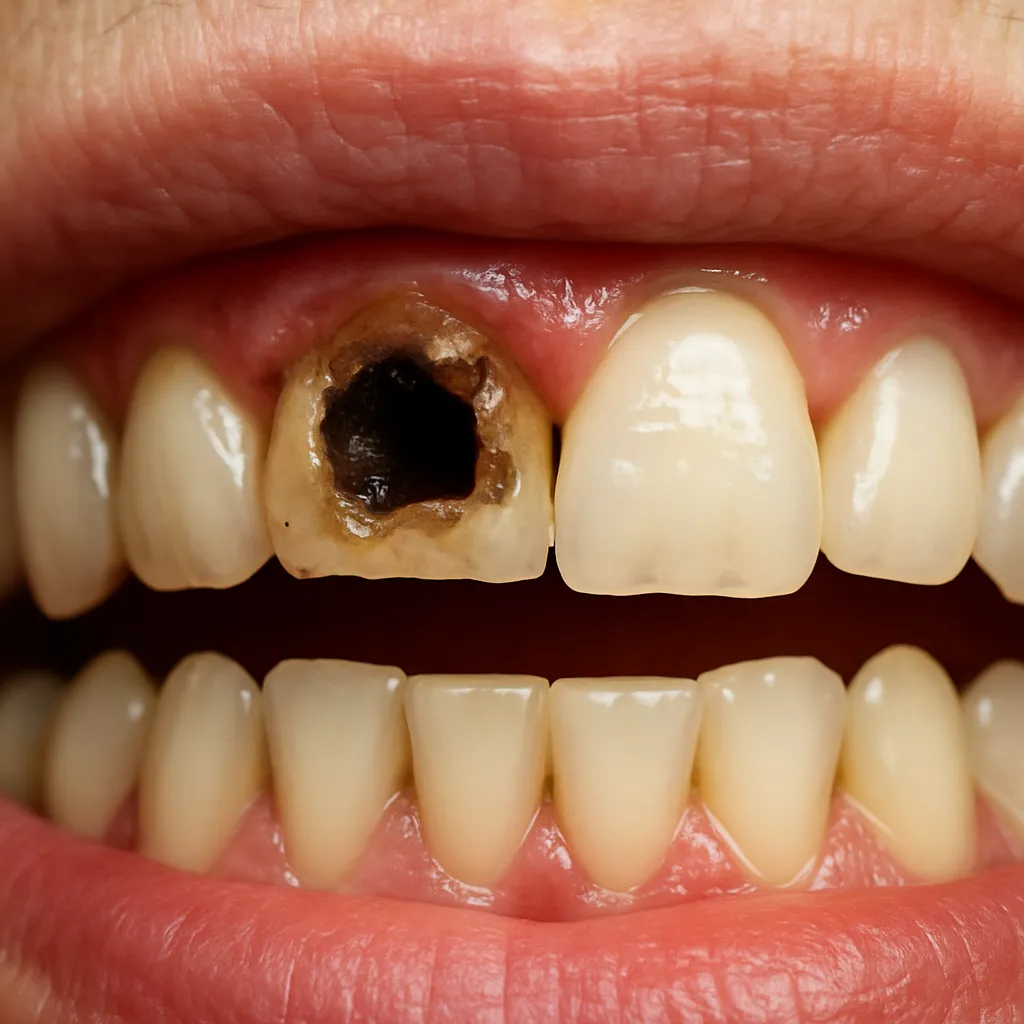
- Tooth surfaces are inspected for cracks, decay, and wear patterns.
Periodontal Assessment
- Using a probe, the dentist measures the depth of gum pockets around each tooth.
- Deeper pockets may indicate gingivitis or periodontitis requiring specialized care.
- Probing also checks for mobility or looseness of teeth.
Bite and Jaw Evaluation
- The dentist asks you to gently bite down and move your jaw side to side.
- Assessing your bite alignment can reveal issues with teeth contact or temporomandibular joint (TMJ) disorders.
Professional Cleaning and Hygiene Instruction
After the examination, a dental hygienist performs a professional cleaning to remove plaque and tartar buildup.
Scaling and Polishing
- Ultrasonic instruments break up larger deposits, followed by hand scaling to fine-tune the removal.
- Polishing with a gritty paste eradicates surface stains, leaving teeth smooth and shiny.
Fluoride Treatment
- An optional fluoride varnish or gel may be applied to strengthen enamel and prevent cavities.
- This is especially beneficial for children, teens, and adults prone to decay.
Personalized Oral Hygiene Plan
Your hygienist demonstrates proper brushing and flossing techniques, tailoring advice to your specific needs. You’ll learn:
- Effective brushing motions and selection of the right toothbrush.
- Proper flossing methods to reach between crowded teeth.
- Recommendations for mouth rinse, interdental brushes, or water flossers if needed.
After Your First Visit
Once the clinical portion concludes, you’ll meet with your dentist to go over findings and design a treatment roadmap.
Discussion and Next Steps
- The dentist reviews X-rays and exam results, highlighting areas of concern.
- A treatment plan is proposed, with options, timelines, and cost estimates.
- Prioritize urgent procedures (e.g., cavities, gum therapy) and schedule follow-up visits.
Building Trust and Communication
Open dialogue ensures you feel comfortable asking questions about procedures, anesthesia options, and financial arrangements. Establishing mutual trust reduces fear and anxiety in future treatment sessions.
Home Care and Prevention
Maintaining the momentum of professional care starts at home. Your dental team may suggest:
- Upgraded toothbrush (electric vs. manual), new toothpaste, or mouthwash formulas.
- Dietary adjustments to reduce sugar intake and acid exposure.
- Regular check-ups every six months, or more frequently if you have gum disease or other risk factors.
By following the guidance provided and adhering to scheduled follow-ups, you’ll be well on your way to lifelong oral health. Embrace preventive habits and remain proactive in your dental care to enjoy a confident, radiant smile for years to come.