Maintaining healthy gums is essential for overall oral health and can prevent serious conditions such as periodontitis and tooth loss. By adopting consistent daily routines and seeking professional guidance, you can support your gums’ natural defenses, reduce inflammation, and enjoy a confident smile. This article explores practical strategies and insights from the world of dentistry to help you keep your gums in prime condition.
Understanding Gum Health
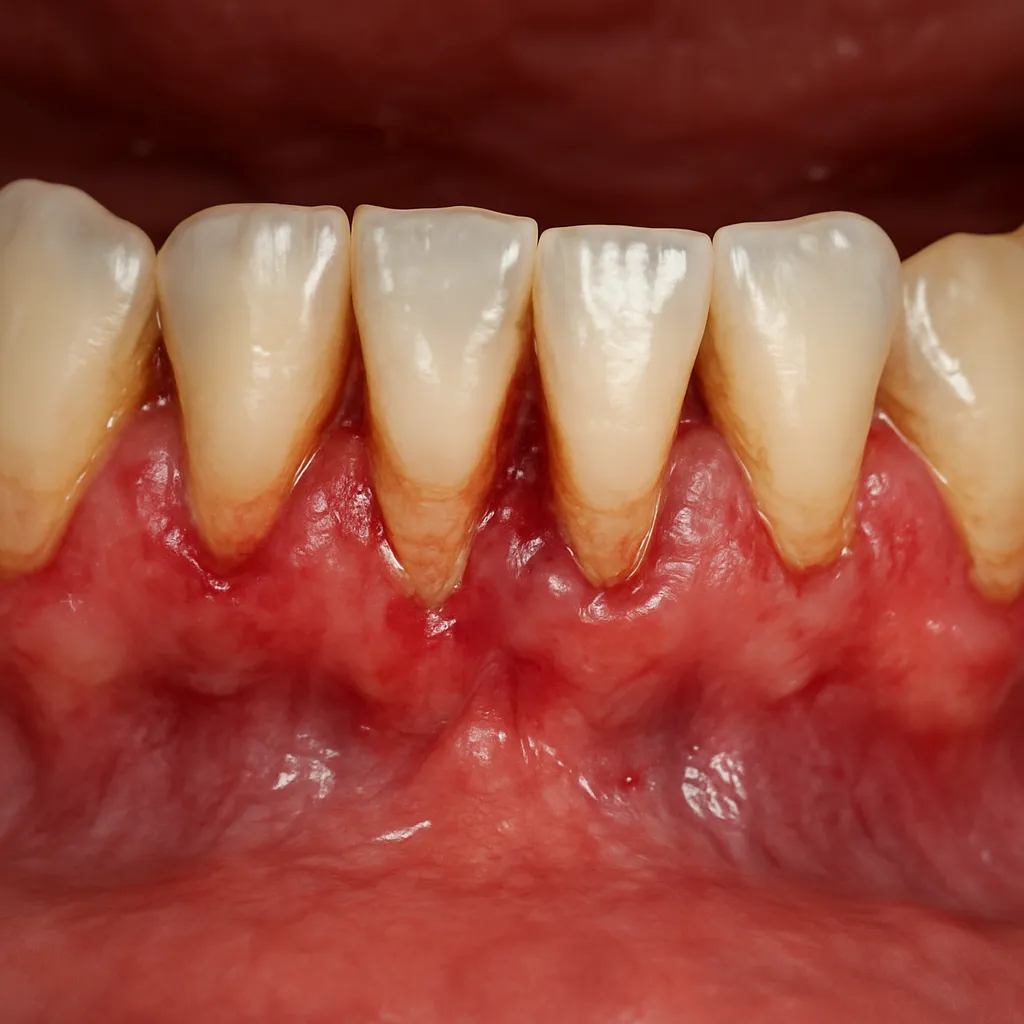
Healthy gums form a tight seal around your teeth, protecting the underlying bone and connective tissues. When bacteria-laden plaque accumulates along the gumline, it can lead to gingivitis, characterized by redness, swelling, and bleeding. If left unaddressed, gingivitis can progress into periodontitis, causing gum recession and bone loss.
The Role of Saliva and Oral Microbiome
Saliva plays a crucial role in controlling bacterial growth and neutralizing acids. It contains enzymes and minerals that help maintain the balance of the oral microbiome. Insufficient saliva production can disrupt this balance, increasing the risk of gum disease.
- Stimulates natural cleaning of the teeth and gums
- Neutralizes harmful acids produced by bacteria
- Delivers calcium and phosphate to enamel
Risk Factors for Gum Disease
Certain factors can increase your susceptibility to gum problems. Recognizing these helps you take targeted preventive measures.
- Tobacco use: Smoking impairs blood flow to the gums and weakens healing responses.
- Poor nutrition: Deficiencies in vitamin C and other nutrients can impair gum tissue repair.
- Systemic conditions: Diabetes and autoimmune disorders affect gum health.
- Genetics: A family history of periodontal disease can elevate risk.
Essential Daily Practices
Adopting a comprehensive daily oral care routine is the foundation for gum health. Simple but consistent habits can drastically reduce plaque buildup and inflammation.
Effective Brushing Techniques
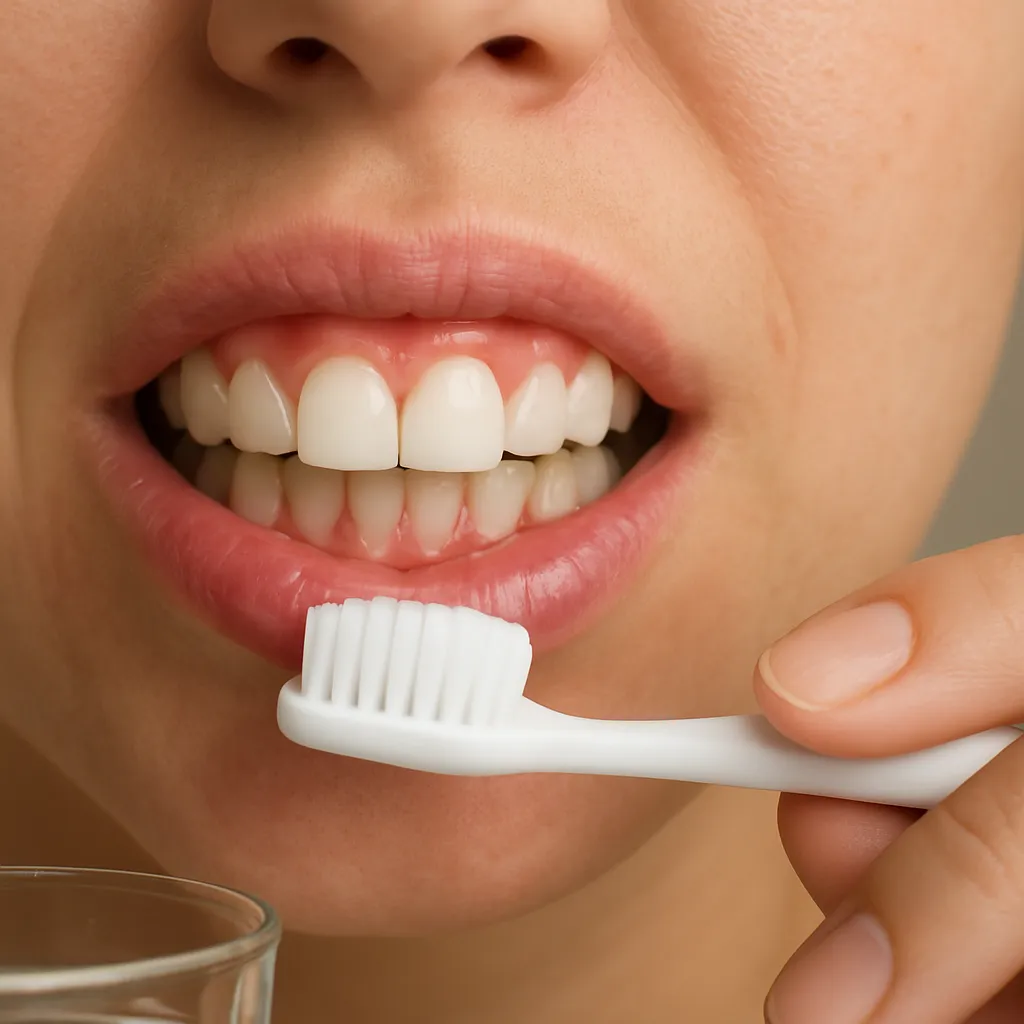
Brushing removes plaque and food debris, but doing it correctly is key. Use a soft-bristled toothbrush and follow these guidelines:
- Hold the brush at a 45° angle to the gumline.
- Use gentle, short strokes to avoid damaging gum tissue.
- Brush each tooth surface for at least two minutes.
- Replace your toothbrush every three months or after illness.
The Importance of Flossing
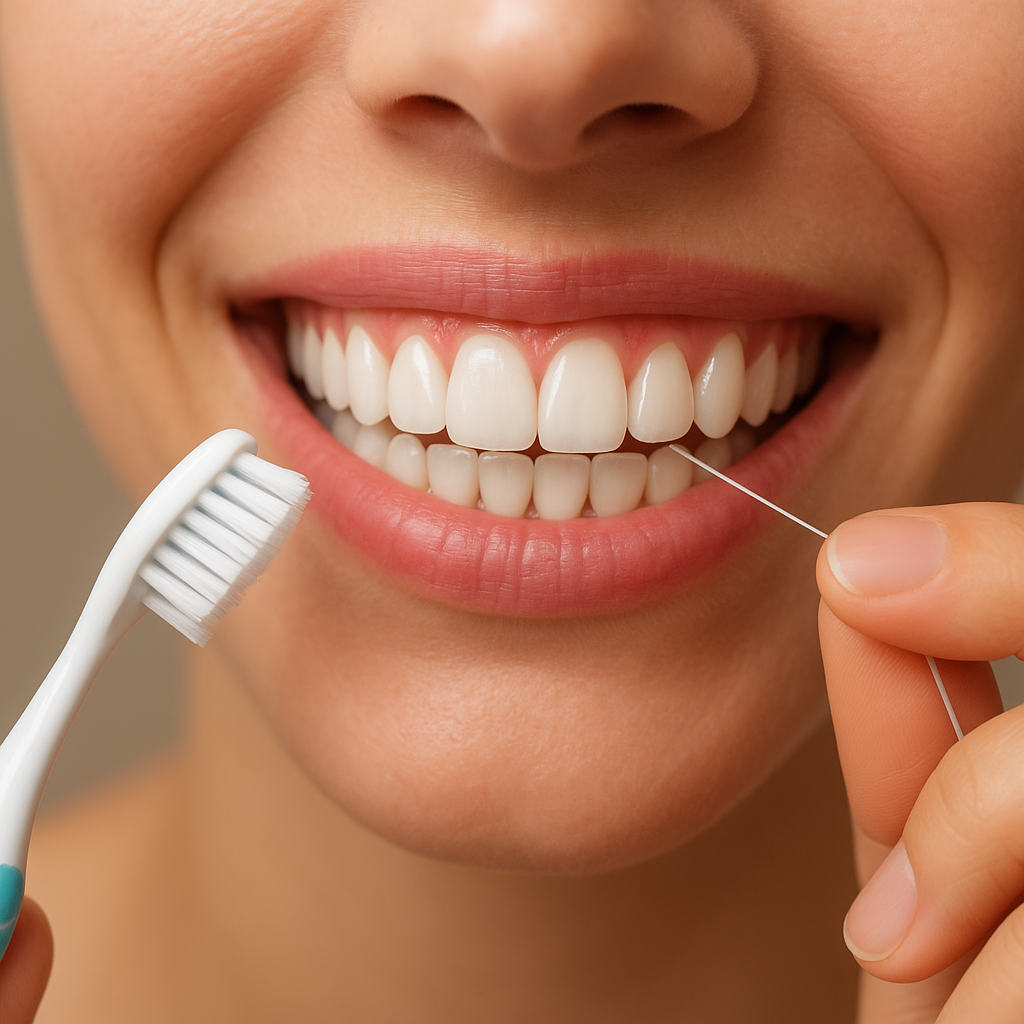
Flossing reaches areas that brushing cannot. Daily flossing disrupts plaque in interdental spaces and under the gumline.
- Use 18–24 inches of thread and wind it around your fingers.
- Curve the floss into a “C” shape against each tooth.
- Slide gently beneath the gumline, moving up and down.
- Consider interdental brushes or water flossers for tight contacts.
Antiseptic Mouthwashes and Rinses
Adding an antiseptic rinse to your routine can reduce bacterial load. Look for products containing chlorhexidine or essential oils. Swish for 30–60 seconds after brushing and flossing.
Nutrition and Hydration
A balanced diet supports gum tissue repair and immune function. Key nutritional tips include:
- Eat fresh fruits and vegetables rich in antioxidants.
- Incorporate lean proteins to aid tissue regeneration.
- Limit sugary and acidic foods that feed plaque bacteria.
- Stay hydrated to boost saliva production and maintain pH balance.
Professional Care and Advanced Tips
While daily home care is vital, regular visits to a dental professional ensure early detection and treatment of gum issues. Your dentist or hygienist can guide you through personalized strategies.
Routine Professional Cleanings
Professional cleanings remove hardened plaque (calculus) that cannot be eliminated by brushing alone. During these appointments, hygienists use specialized instruments to scale teeth and polish surfaces, reducing bacterial habitats.
Periodontal Assessments
Periodic evaluations assess gum pocket depths and detect inflammation. Early signs of gum disease can often be reversed with targeted treatments such as:
- Scaling and root planing to clean below the gumline.
- Localized antimicrobial therapy for stubborn pockets.
- Guided tissue regeneration in advanced cases.
Advanced Home Therapies
Some patients benefit from adjunctive therapies at home, including:
- Antibacterial gels or foams applied to gum pockets.
- Custom trays for at-home delivery of chlorhexidine.
- Daily application of hydrogen peroxide rinses under professional guidance.
Behavioral and Lifestyle Modifications
Modifying certain habits can significantly improve gum health:
- Quit smoking to enhance blood flow and healing.
- Manage stress to reduce inflammatory responses.
- Maintain optimal blood sugar levels if you have diabetes.
- Schedule regular checkups to monitor progress.
Integrating Gum Health into Your Lifestyle
Consistency is the secret to long-lasting gum health. Treat your oral care routine with the same importance as your overall wellness regimen. By combining effective home practices with professional support, you create a protective environment against gum disease.
Tracking and Motivation
Keep a simple journal or use digital reminders to track brushing, flossing, and dental visits. Celebrate milestones—such as consecutive days of proper flossing—to stay motivated.
Educating Family Members
Encourage loved ones to adopt healthy gum habits. Shared routines foster accountability and ensure that everyone benefits from stronger gums and healthier smiles.
Staying Informed
The field of dentistry continually evolves. Ask your dental team about new products, research, and techniques that can bolster your gum health. Staying informed helps you make the best choices for your oral care.