Embarking on a full mouth restoration involves a meticulous combination of expertise, cutting-edge technology, and patient collaboration. This comprehensive process aims to restore both the health and appearance of every tooth, ensuring optimal function and a confident smile.
Treatment Assessment and Planning
Every successful full mouth restoration begins with a comprehensive assessment. The initial phase includes:
- Medical and Dental History Review – Evaluating systemic conditions, medications, and previous dental work to identify potential complications.
- Clinical Examination – Checking gum health, tooth mobility, occlusion (bite), and soft tissues for signs of disease.
- Diagnostic Imaging – Employing digital X-rays, CBCT scans, and intraoral photographs to detect hidden pathology and plan implant positions accurately.
- Occlusal Analysis – Assessing how the teeth come together to avoid future wear or temporomandibular joint (TMJ) problems.
After gathering this data, the dentist collaborates with dental technicians and, when necessary, specialists in periodontics or endodontics. This multidisciplinary approach ensures all aspects—functional, biological, and esthetic—are addressed.
Restorative Procedures and Techniques
Based on the treatment plan, a sequence of procedures is executed to rehabilitate the mouth. Key components include:
Crowns and Bridges
Crowns restore individual teeth damaged by decay or fractures. Bridges replace one or more missing teeth by anchoring onto adjacent crowned teeth. Materials range from metal-ceramic to full-contour zirconia, selected for their biocompatible properties and durability.
Dental Implants
Implantology has revolutionized full mouth restoration by providing stable, root-form anchors. The steps involve:
- Implant placement into the jawbone under local anesthesia
- Osseointegration period (typically 3–6 months) during which the implant fuses with bone
- Attachment of abutments and permanent prosthetic crowns, bridges, or hybrid dentures
Implants preserve bone volume, enhance functionality, and prevent adjacent tooth preparation required by conventional bridges.
Removable and Fixed Prosthetics
For extensive tooth loss or severe wear, full-arch prosthetics become necessary:
- Fixed Hybrid Dentures – Secure prosthesis fastened to implants, combining acrylic teeth and gum for a natural look.
- Overdentures – Removable appliances supported by implants or existing teeth, offering improved retention over traditional dentures.
- All-on-4 or All-on-6 – Innovative protocols placing four or six implants in strategic positions to support a full-arch fixed bridge with immediate loading options.
These solutions enhance masticatory efficiency and restore confidence in speech and chewing.
Periodontal and Endodontic Therapies
Maintaining healthy gums and resolving root-related issues is vital before prosthetic work:
- Scaling and Root Planing – Deep cleaning to remove bacterial biofilm and calculus from periodontal pockets.
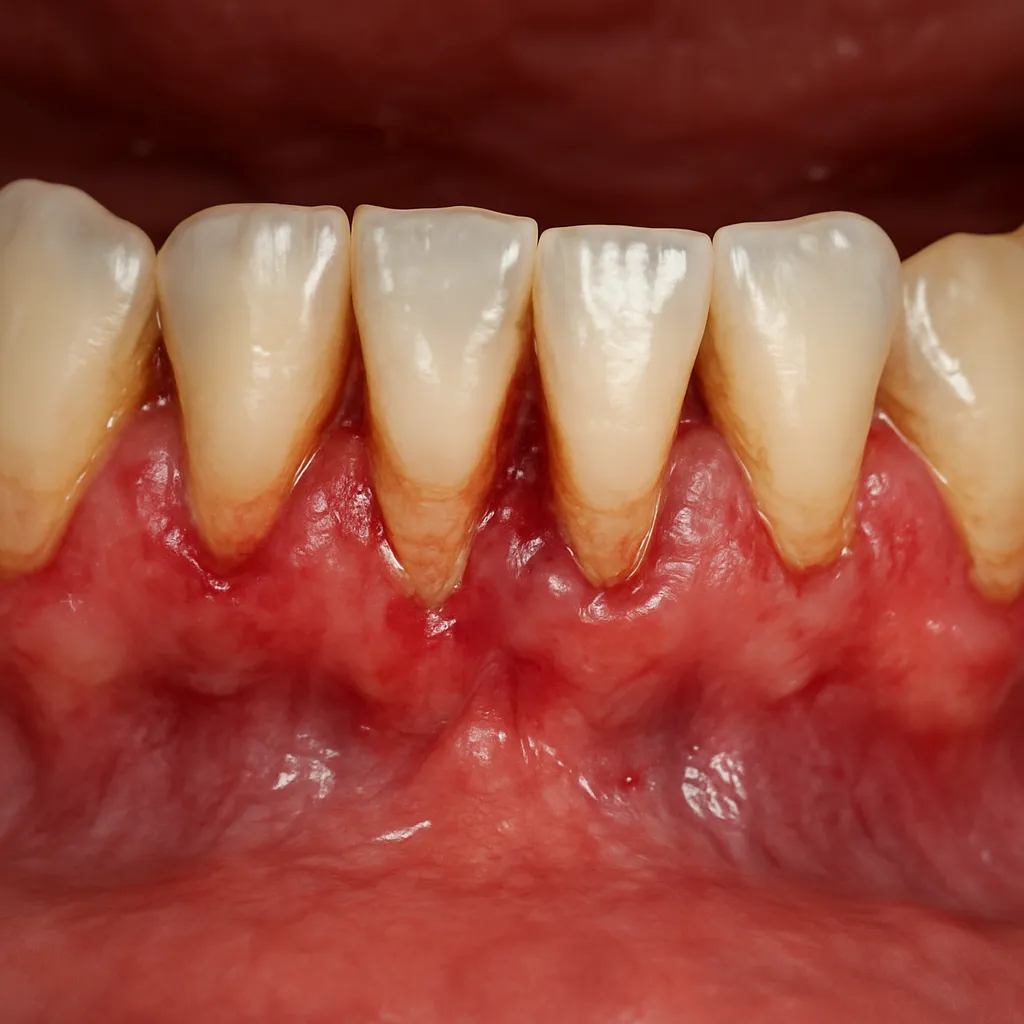
- Gum Grafting – Correcting gum recession to ensure proper esthetic contours around restorations.
- Root Canal Treatment – Eliminating infected pulp and sealing the canal, often followed by a crown to reinforce the tooth structure.
Advanced Technologies and Materials
Modern dentistry leverages innovation to enhance precision and predictability:
- Digital Smile Design (DSD) – Software-driven mockups that visualize the final outcome and guide preparations.
- CAD/CAM Milling – Computer-aided design and manufacturing of crowns, inlays, and bridges in a single visit or within days.
- 3D Printing – Rapid fabrication of surgical guides, temporary prostheses, and study models with exceptional accuracy.
- Biomaterials – Zirconia, lithium disilicate, and hybrid ceramics offering optimal strength, esthetics, and minimal wear on opposing teeth.
These technologies reduce treatment time, improve fit, and ensure a high level of predictability throughout the restorative journey.
Recovery, Maintenance, and Long-Term Care
Postoperative management is as crucial as the clinical procedures themselves. A structured follow-up regimen includes:
- Regular check-ups every 3–6 months for professional cleaning and evaluation of prosthetic integrity.
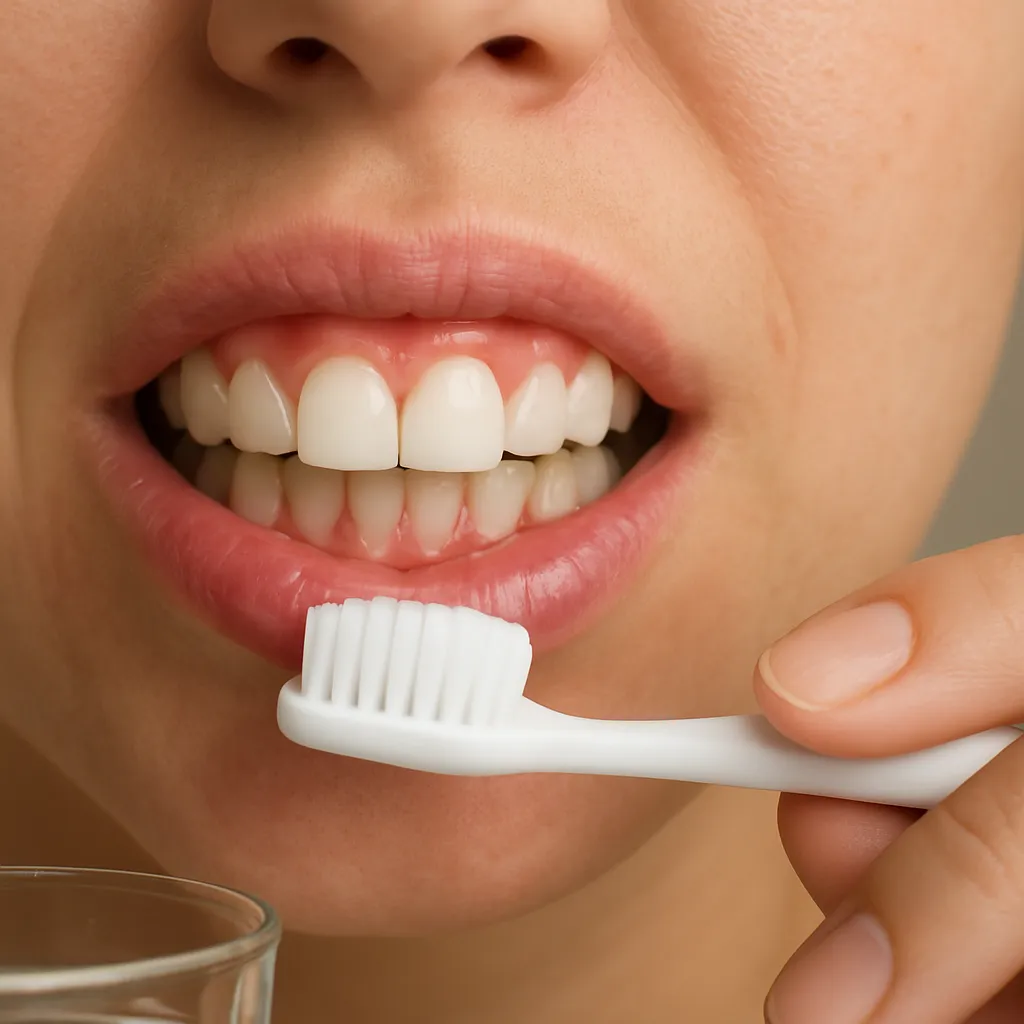
- Patient education on oral hygiene techniques, including the use of water flossers, interdental brushes, and antimicrobial rinses.
- Nightguards for patients with bruxism to protect restorations and prevent occlusal wear.
- Nutritional guidance to avoid excessive consumption of staining or acidic foods that could compromise materials.
Long-term success depends on patient adherence to recommendations and prompt attention to any emerging issues such as discomfort, loosening of prosthetics, or gum inflammation.
Psychological and Financial Considerations
Undergoing full mouth restoration can be a significant emotional and financial investment:
- Exploring payment plans or financing options to make care accessible and manageable.
- Counseling patients to set realistic expectations regarding treatment duration, phases, and potential discomfort.
- Providing visual aids and testimonials to reassure patients about the transformative impact on quality of life.
By addressing these factors, dental teams foster trust and ensure a smooth journey toward a fully restored, healthy smile.