Maintaining a bright and healthy smile is a key goal for both dental professionals and patients. One of the most effective strategies to achieve this objective is through professional fluoride treatments. These targeted applications go beyond everyday brushing and flossing, offering a powerful boost to oral health. By understanding how fluoride functions, dentists can help patients prevent cavities, enhance tooth durability, and support overall well-being.
Understanding Professional Fluoride Treatments
Unlike over-the-counter products, professional fluoride treatments use higher concentrations of fluoride to deliver a rapid and focused dose. These treatments can take several forms:
- Varnishes: A sticky resin that adheres to the tooth surface, allowing sustained fluoride release.
- Gels: Applied in trays or with brushes, these provide a more uniform coverage.
- Foams: Often used in trays to distribute fluoride evenly across all teeth.
Dental practitioners select the appropriate method based on each patient’s risk factors. High-risk individuals—such as those with a history of frequent decay, dry mouth, or orthodontic appliances—receive customized protocols to maximize protection.
How Fluoride Enhances Enamel Resistance
Remineralization Process
When acids produced by bacteria attack tooth enamel, minerals like calcium and phosphate are lost in a process called demineralization. Frequent acid exposure can lead to weakened enamel and eventual cavity formation. Professional fluoride treatments support the remineralization process by:
- Replenishing lost minerals at the tooth surface
- Forming a protective layer that is more acid-resistant than natural enamel
- Inhibiting bacterial metabolism and acid production
Strengthening Enamel
Regular exposure to high levels of fluoride converts hydroxyapatite crystals in enamel into fluorapatite, a mineral compound that is harder and more durable. As a result, teeth become better equipped to withstand everyday challenges like acidic foods, beverages, and plaque build-up.
Benefits for Different Age Groups
Children and Adolescents
Young patients benefit enormously from professional fluoride treatments due to their developing tooth structures. Fluoride applications can:
- Prevent early childhood caries by protecting newly erupted molars
- Reduce sensitivity in teeth with thinner enamel
- Encourage lifelong preventive habits under professional supervision
Adults
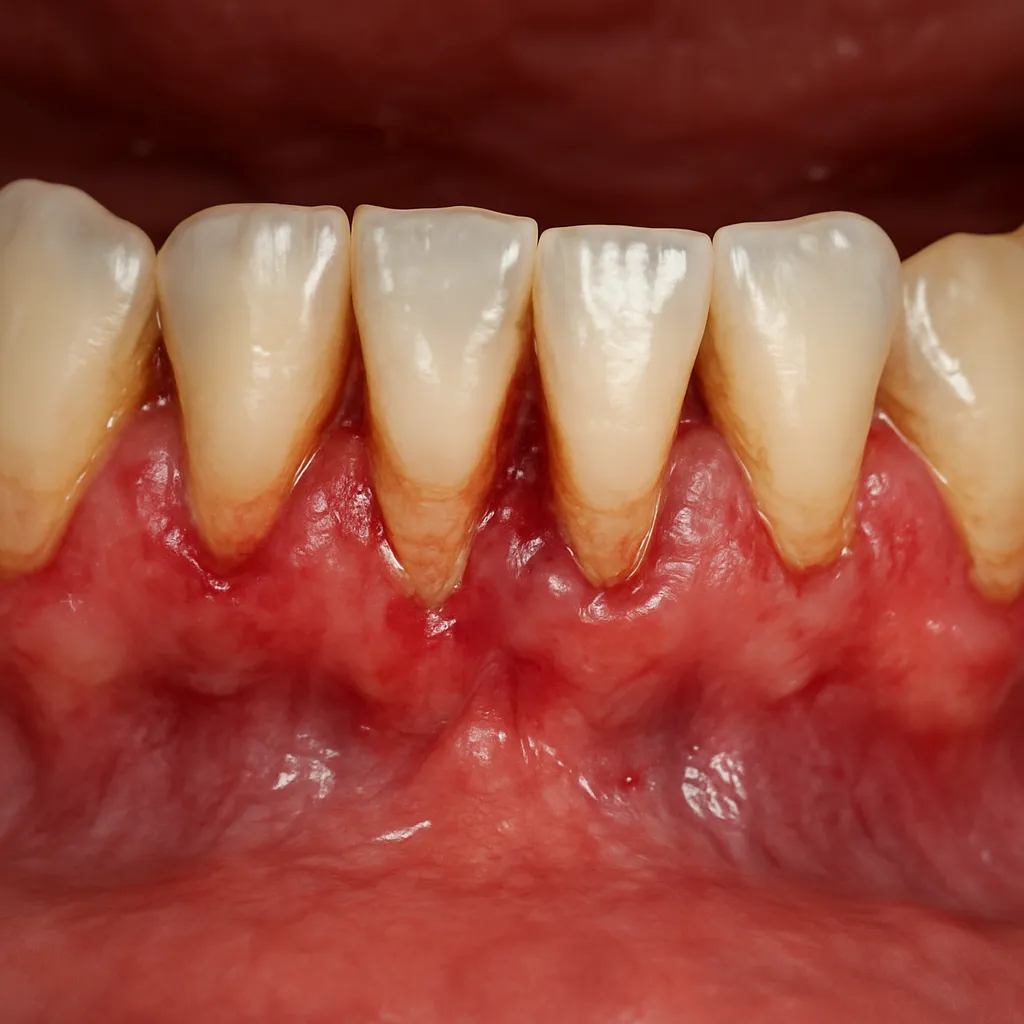
Adults face unique challenges such as gum recession, root exposure, and lifestyle factors that increase cavity risk. Professional fluoride can:
- Protect exposed root surfaces that are more prone to decay
- Mitigate damage from acidic diets and smoking
- Enhance outcomes of cosmetic and restorative procedures by fortifying surrounding enamel
Seniors
As patients age, they may experience dry mouth from medications or reduced saliva production. Fluoride applications help:
- Alleviate xerostomia-related decay risk
- Support maintenance of existing dental work, such as crowns and bridges
- Improve overall quality of life by minimizing dental discomfort
Procedures and What to Expect
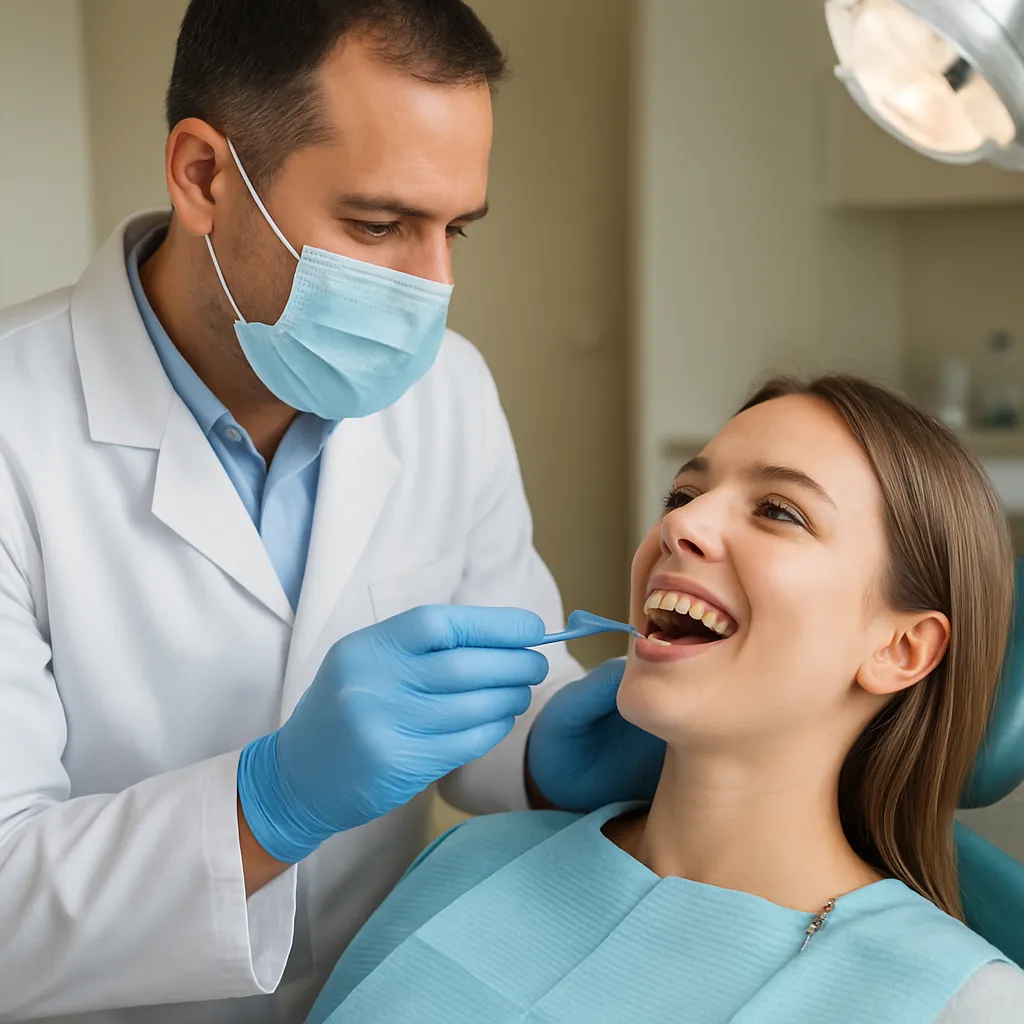
During a professional fluoride appointment, the dentist or hygienist typically follows these steps:
- Thorough cleaning to remove plaque and debris
- Isolation of teeth to prevent saliva contamination
- Application of the selected fluoride medium (varnish, gel, or foam)
- Brief wait time to allow fluoride absorption
- Post-treatment instructions, such as avoiding eating or drinking for 30 minutes
Most patients experience no discomfort, and the entire procedure takes under 10 minutes. Children often find the process quick and painless, especially when flavored varnishes are used. Adults appreciate the efficiency and the peace of mind that comes from an added layer of defense against cavities.
Integrating Fluoride Treatments into Dental Practice
Patient Assessment
A successful fluoride program begins with a comprehensive risk assessment. Dentists evaluate factors like past caries experience, dietary habits, oral hygiene routines, and medical history. This data guides the frequency and concentration of fluoride applications.
Scheduling and Follow-Up
Depending on risk level, patients may receive fluoride treatments every three to six months. Those at very high risk might benefit from more frequent visits. Combined with routine cleanings, these appointments become cornerstones of a robust preventive care plan.
Education and Motivation
Dental teams play a vital role in educating patients about the importance of professional fluoride. Clear explanations of how fluoride strengthens enamel and prevents decay foster patient compliance. Handouts, demonstrations, and digital resources help reinforce these messages between visits.
Emerging Trends and Research
Ongoing studies continue to refine fluoride protocols. Innovations include nano-fluoride particles for deeper enamel penetration and slow-release systems that provide extended protection. Collaborative research between dental schools and industry partners aims to optimize formulations for various age groups and risk profiles.
Digital impressions and AI-driven risk models also enhance personalized care, allowing practitioners to pinpoint when and how to apply fluoride treatments most effectively. These advances promise to elevate the standard of preventive dentistry in the years ahead.
Role of Dentists in Promoting Fluoride Adoption
Dental professionals serve as trusted advisors, guiding patients toward evidence-based interventions. By advocating for professional fluoride treatments, they uphold a commitment to long-term oral health. Integrating these services into routine care not only improves patient outcomes but also reinforces the dentist’s position as a leader in preventive medicine.
Ultimately, the collaboration between patient and practitioner in embracing fluoride therapies results in stronger teeth, fewer dental emergencies, and a brighter smile for life.