Saliva serves as a multifunctional fluid essential to maintaining oral homeostasis and overall well-being. Produced by major and minor salivary glands, this complex secretion not only initiates the digestive process but also provides a host of protective roles against microbial invasion, tooth demineralization, and mucosal irritation. Dentists recognize saliva as a vital component in diagnosing systemic conditions and managing common disorders like xerostomia and dental caries. Understanding its composition, functions, and clinical significance empowers dental professionals to design more effective prevention and treatment strategies tailored to each patient’s unique needs.
Salivary Composition and Mechanisms
Major Components
The three pairs of major salivary glands—parotid, submandibular, and sublingual—along with numerous minor glands, secrete a fluid composed of water, electrolytes, proteins, and glycoproteins. Key constituents include:
- Enzymes such as amylase and lipase, which initiate the breakdown of starches and fats.
- Mucins that contribute to the viscoelastic properties necessary for lubrication and speech.
- Electrolytes (sodium, potassium, calcium, phosphate), crucial for maintaining the pH balance and facilitating remineralization.
- Antimicrobial peptides (e.g., histatins, defensins) that form the first line of defense against pathogens.
- Immunoglobulin A (IgA), reinforcing mucosal immunity by neutralizing viruses and bacteria.
Secretion and Regulation
Salivary flow is regulated by autonomic innervation: parasympathetic stimulation produces a copious, watery secretion, while sympathetic activation yields a more viscous fluid rich in proteins. Factors influencing flow rate include:
- Age and systemic hydration status
- Medications (antihypertensives, antidepressants)
- Radiation therapy affecting glandular tissue
- Stress and anxiety levels
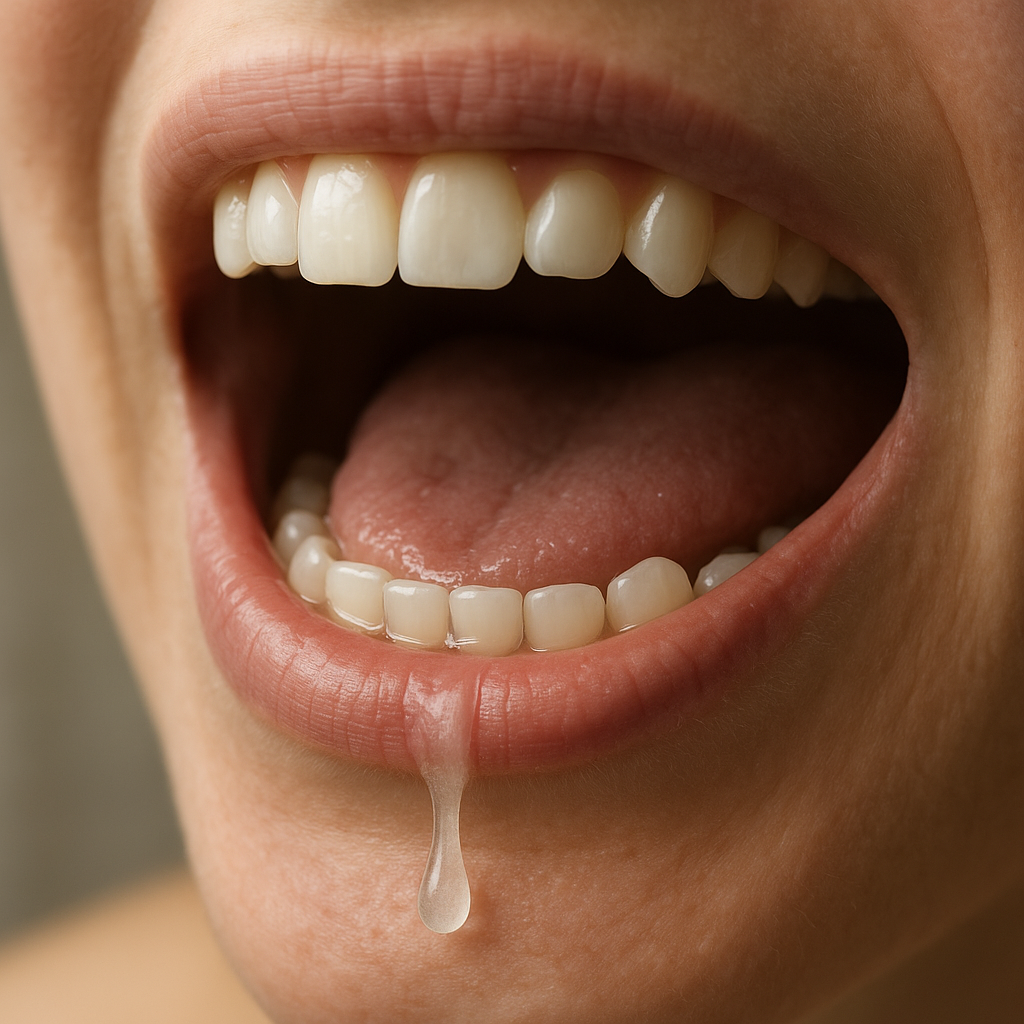
Resting secretion averages 0.3–0.4 mL/min, whereas stimulated flow can exceed 1.0 mL/min. Any significant deviation may compromise the mouth’s self-cleansing capacity and microbial homeostasis.
Protective Functions against Oral Diseases
Saliva’s multifaceted protective roles are instrumental in preventing a variety of oral pathologies. By maintaining a consistent film over the teeth and mucosa, saliva ensures critical barriers are in place:
- Lubrication, easing mastication, swallowing, and speech.
- Buffering acids produced by bacterial metabolism, thus stabilizing the oral pH.
- Remineralization through calcium and phosphate ion reservoirs that repair initial enamel demineralization.
- Antimicrobial action, where enzymes and immunoglobulins neutralize pathogens before they form destructive biofilms.
- Facilitating taste sensation by dissolving food molecules and interacting with taste receptors.
When salivary defenses falter—owing to reduced flow or altered composition—patients experience increased plaque accumulation, higher caries risk, mucosal lesions, and discomfort. Dental professionals emphasize the preservation of salivary function as a cornerstone of preventive care.
Clinical Implications in Dental Practice
Saliva offers a noninvasive medium for both diagnostic and therapeutic applications. Advanced assays detect biomarkers for systemic diseases such as diabetes, Sjögren’s syndrome, and HIV, highlighting its role in personalized medicine. Dentists leverage salivary diagnostics by analyzing levels of:
- Glucose and amylase for metabolic assessments.
- Cortisol as an indicator of stress and adrenal function.
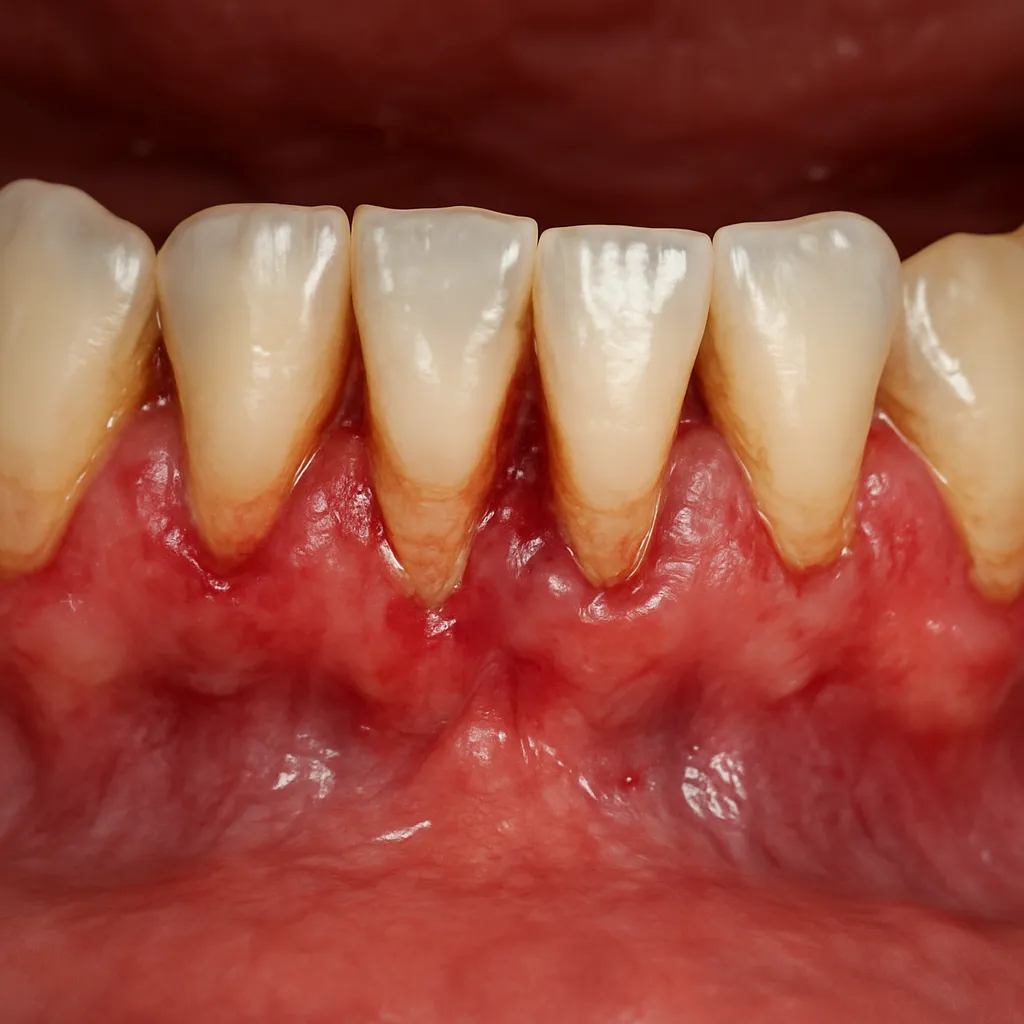
- Inflammatory cytokines to gauge periodontal disease activity.
Managing salivary dysfunctions, particularly xerostomia, involves multidisciplinary strategies:
- Topical agents (saliva substitutes, mouth rinses with fluoride).
- Systemic sialogogues (pilocarpine, cevimeline) to stimulate gland activity.
- Hydration counseling and dietary modifications to minimize acidic or sugary exposures.
- Customizable intraoral appliances to protect soft tissues and maintain moisture.
Proactive monitoring of salivary flow and composition allows dentists to tailor maintenance regimens, optimize restorative outcomes, and reduce treatment complications.
Salivary Disorders and Management
Various conditions can impair salivary function or alter its quality, necessitating targeted interventions:
- Autoimmune diseases (e.g., Sjögren’s syndrome) causing chronic glandular destruction and Sicca symptoms.
- Radiation-induced xerostomia following head and neck cancer therapy.
- Medication-related hyposalivation often seen with anticholinergics and diuretics.
- Obstructive sialolithiasis leading to episodic pain and swelling.
- Infectious sialadenitis from bacterial or viral agents.
Effective management includes comprehensive assessments—salivary gland imaging, flow rate measurements, and laboratory analysis—followed by individualized treatment plans. Emphasis is placed on:
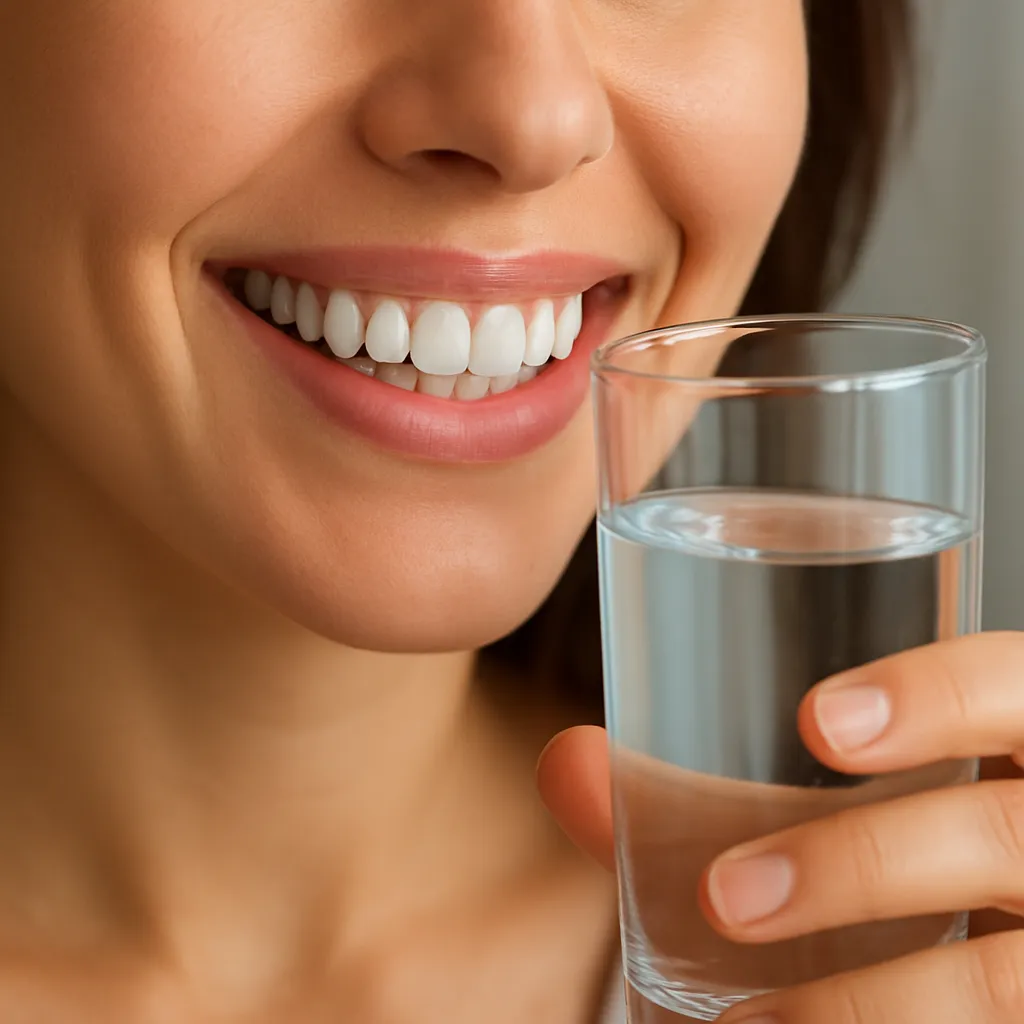
- Maintaining moisture through frequent sips of water and sugar-free chewing gum.
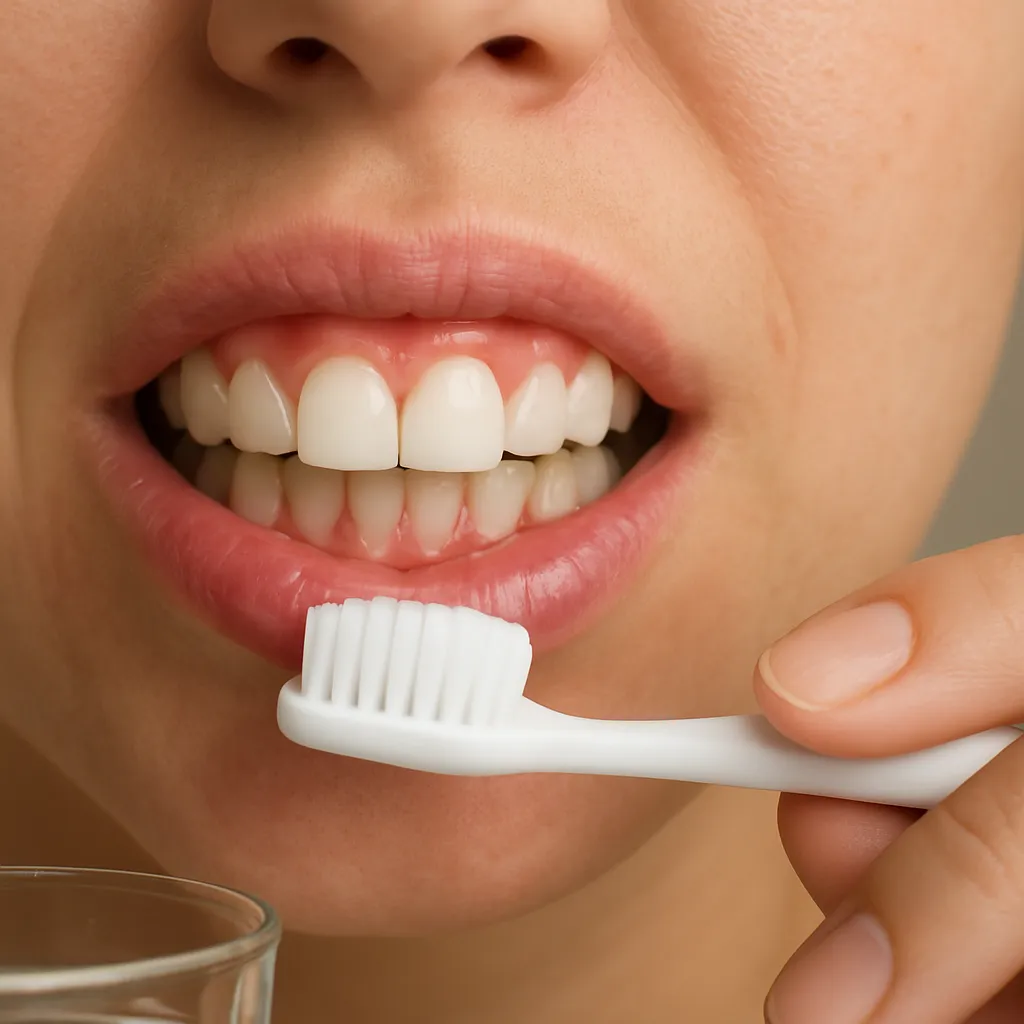
- Using fluoride varnishes and remineralizing agents to strengthen enamel.
- Employing behavioral strategies to avoid xerogenic substances like caffeine and alcohol.
- Incorporating antimicrobial mouthwashes to control opportunistic infections.
Through early detection and multidisciplinary care, dental teams can significantly improve patients’ oral function, comfort, and quality of life, affirming that saliva remains an underestimated yet indispensable ally in oral health.