Gum disease, also known as periodontal disease, can silently progress without causing severe discomfort at first. Recognizing the earliest indications allows individuals to take swift action, protecting their oral health and preventing more serious complications. Dentists emphasize the importance of routine checkups and informed self-observation. By deepening your knowledge about the warning signs and maintenance strategies, you’ll be better equipped to safeguard your smile and overall wellbeing.
Understanding Gum Disease
Gum disease typically begins with gingivitis, an inflammation of the gum tissue caused by the buildup of bacterial plaque. If left unchecked, it can advance to periodontitis, where the supporting structures of the teeth—including bone—are damaged. Knowing the progression stages and underlying causes is essential for early detection.
Causes and Risk Factors
- Poor brushing and flossing habits, which allow plaque to accumulate along the gumline.
- Smoking or tobacco use, a major contributor to periodontal breakdown.
- Genetic predisposition: some individuals have a higher susceptibility due to family history.
- Medical conditions such as diabetes can exacerbate gum inflammation and impair healing.
- Certain medications that reduce saliva flow, leading to a dry mouth environment where bacteria thrive.
Stages of Progression
The journey from healthy gums to severe periodontitis involves several steps:
- Initial Lesion: Bacterial toxins provoke an immune response, causing red, tender gums.
- Early Gingivitis: Characterized by slight bleeding during brushing and flossing, but still reversible.
- Established Gingivitis: More persistent inflammation, swelling, and deeper pockets forming between teeth and gums.
- Early Periodontitis: Bone loss begins and gum pockets deepen further, requiring professional intervention.
- Advanced Periodontitis: Significant bone destruction, gum recession, tooth mobility, and potential tooth loss.
Early Warning Signs
Detecting gum disease at its onset greatly improves the chances of reversing damage and avoiding invasive procedures. Individuals should remain vigilant for subtle changes in oral health and seek prompt dental evaluation when concerns arise.
Bleeding Gums
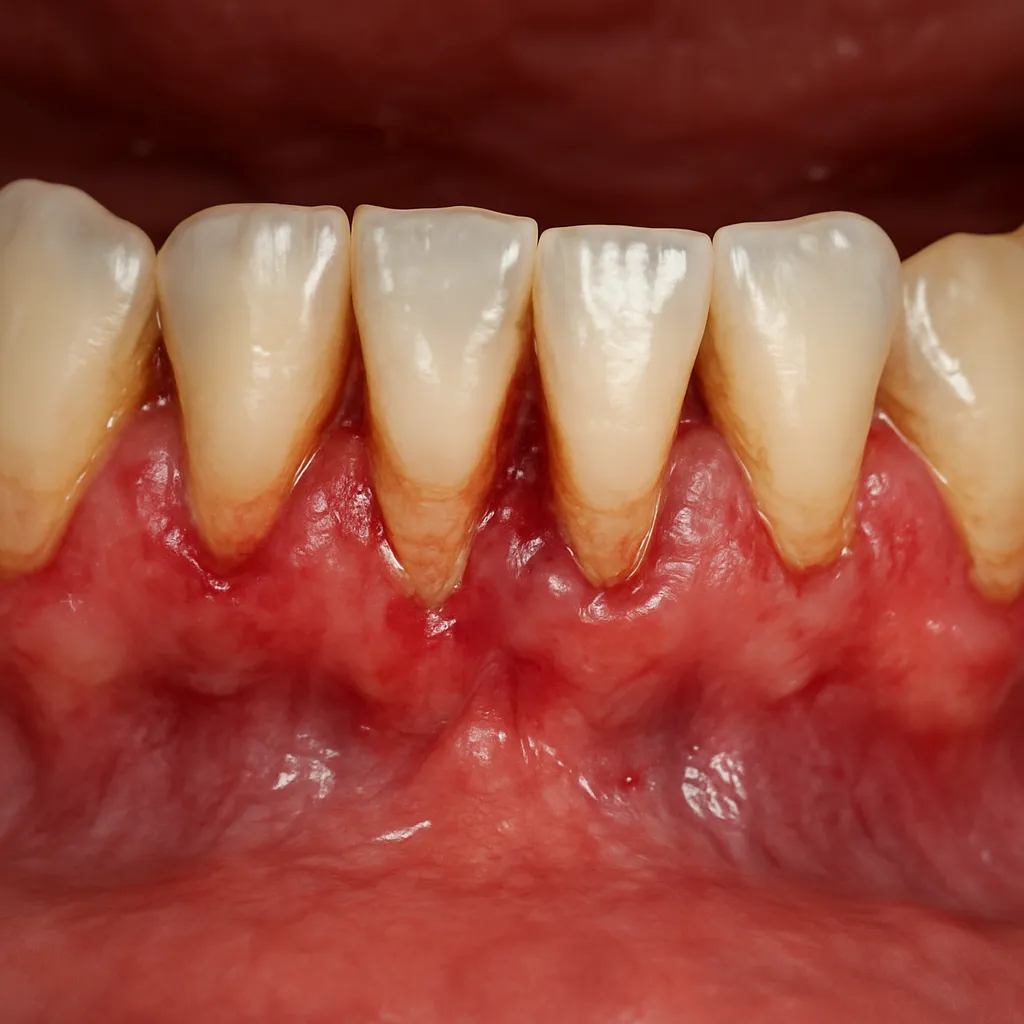
One of the most common and readily noticeable symptoms. Gums that bleed during gentle brushing or flossing indicate irritation and the presence of harmful bacteria. Ignoring bleeding can allow the condition to worsen.
Redness and Swelling
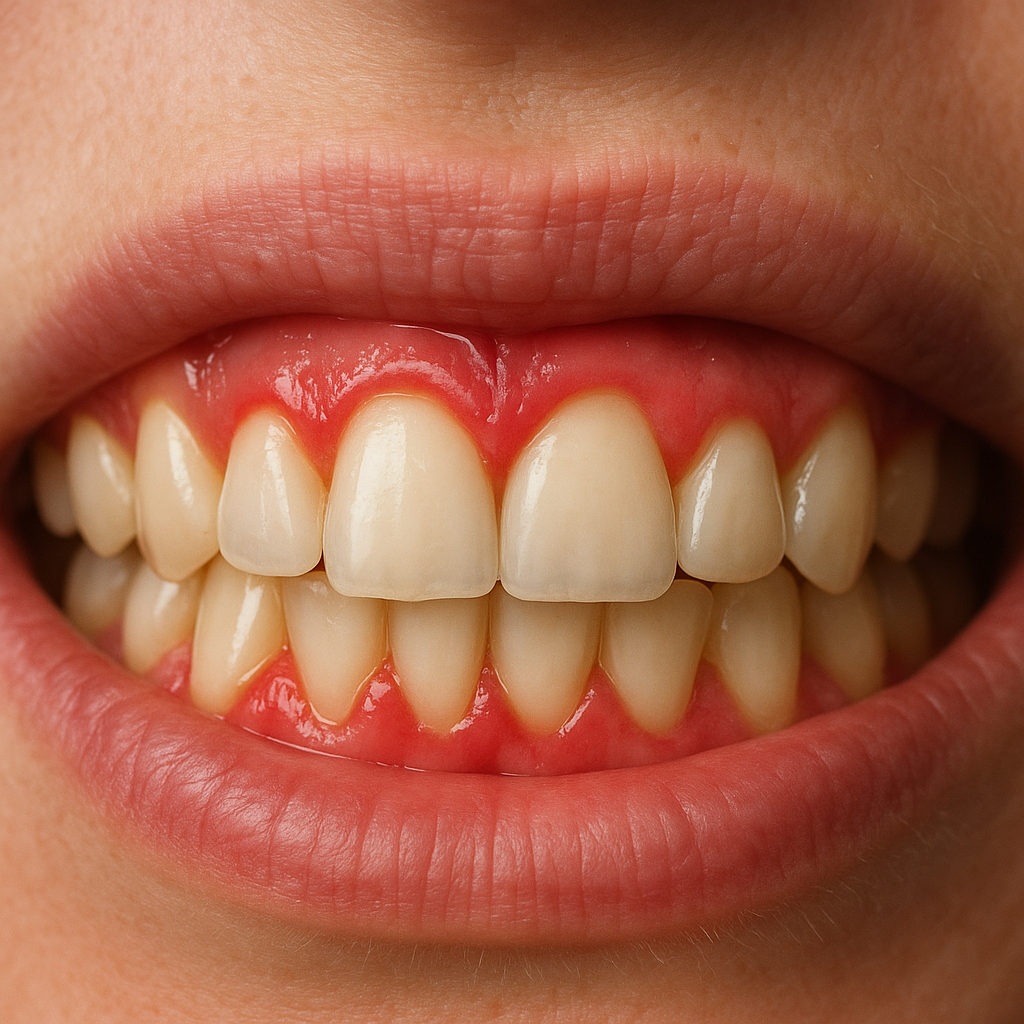
Healthy gums are typically pink and firm. Observe for any shifts in color or texture—gums that appear inflamed or puffed-up are signaling a response to bacterial invasion.
Sensitivity and Discomfort
A mild ache or sensitivity when consuming hot, cold, or sweet foods may suggest that the gum tissues are receding or that the underlying tooth root is becoming exposed. Early attention can prevent further recession.
Bad Breath and Unpleasant Taste
Persistent halitosis, especially when accompanied by an unpleasant metallic taste, often results from trapped food particles and toxins released by gum-damaging bacteria. Regular mouth rinsing may mask the problem but will not cure the root cause.
Receding Gums and Pocket Formation
As gums recede, they expose more of the tooth’s surface and roots. This process creates deep “pockets” between teeth and gums where plaque and tartar accumulate. Monitoring gum levels with a mirror or at-home periodontal probe can provide early clues.
Preventive Measures and Professional Care
Although genetics and systemic diseases play roles in gum health, consistent at-home care and professional guidance are the cornerstones of prevention. Establishing a collaboration between patient and dentist leads to optimal outcomes.
Daily Oral Hygiene Rituals
- Brush twice daily with a soft-bristled toothbrush and fluoride toothpaste. Focus on the gumline at a 45-degree angle to dislodge hidden plaque.
- Floss at least once per day, reaching below the gumline to remove debris and bacterial colonies.
- Use an antimicrobial mouthwash to reduce overall oral bacteria and maintain fresh breath.
- Consider interdental brushes or water flossers to clean deep gum pockets effectively.
Regular Dental Visits
Professional cleanings every six months are a standard recommendation. However, those with early signs of gum disease may require more frequent visits—up to every three or four months. During these appointments, dentists perform:
- Scaling and Root Planing: Deep cleaning to remove tartar and smooth root surfaces, promoting gum reattachment.
- Comprehensive periodontal charting to track pocket depths and identify problem areas.
- Tailored advice on improving daily care and monitoring progress.
Lifestyle and Nutritional Support
- Quit smoking to enhance gum blood flow and immune function.
- Adopt a balanced diet rich in vitamins C and D, which support tissue repair and immune defenses.
- Stay hydrated to maintain saliva production, which neutralizes acids and flushes away bacteria.
- Manage stress levels through exercise or mindfulness, as elevated stress hormones can lower resistance to infection.
Advanced Therapies and Interventions
When early efforts fall short, dentists may recommend adjunctive treatments:
- Local administration of antibiotic gels or fibers into gum pockets.
- Laser therapy to eliminate diseased tissue and promote regeneration.
- Surgical procedures, such as flap surgery or bone grafting, in cases of significant receding gums and bone loss.
Maintaining Long-Term Gum Health
Prevention is an ongoing commitment. Patients must adopt a proactive mindset, treating gum care with the same importance as general health maintenance. By recognizing signs early and partnering with a professional dental team, individuals can arrest disease progression and preserve a healthy, confident smile.
Key Takeaways for Daily Success
- Stay alert for any changes in gum appearance, feel, or response to daily care.
- Adopt thorough brushing, flossing, and rinsing habits without skipping routines.
- Schedule dental checkups at recommended intervals or more frequently if risk factors exist.
- Make informed lifestyle choices that bolster oral and systemic health.
Empowering Yourself Through Knowledge
Understanding the warning signals and taking immediate action can halt gum disease in its tracks. With dedication and the guidance of a trusted dentist, you’ll cultivate resilient gum tissues and enjoy a vibrant smile for years to come.