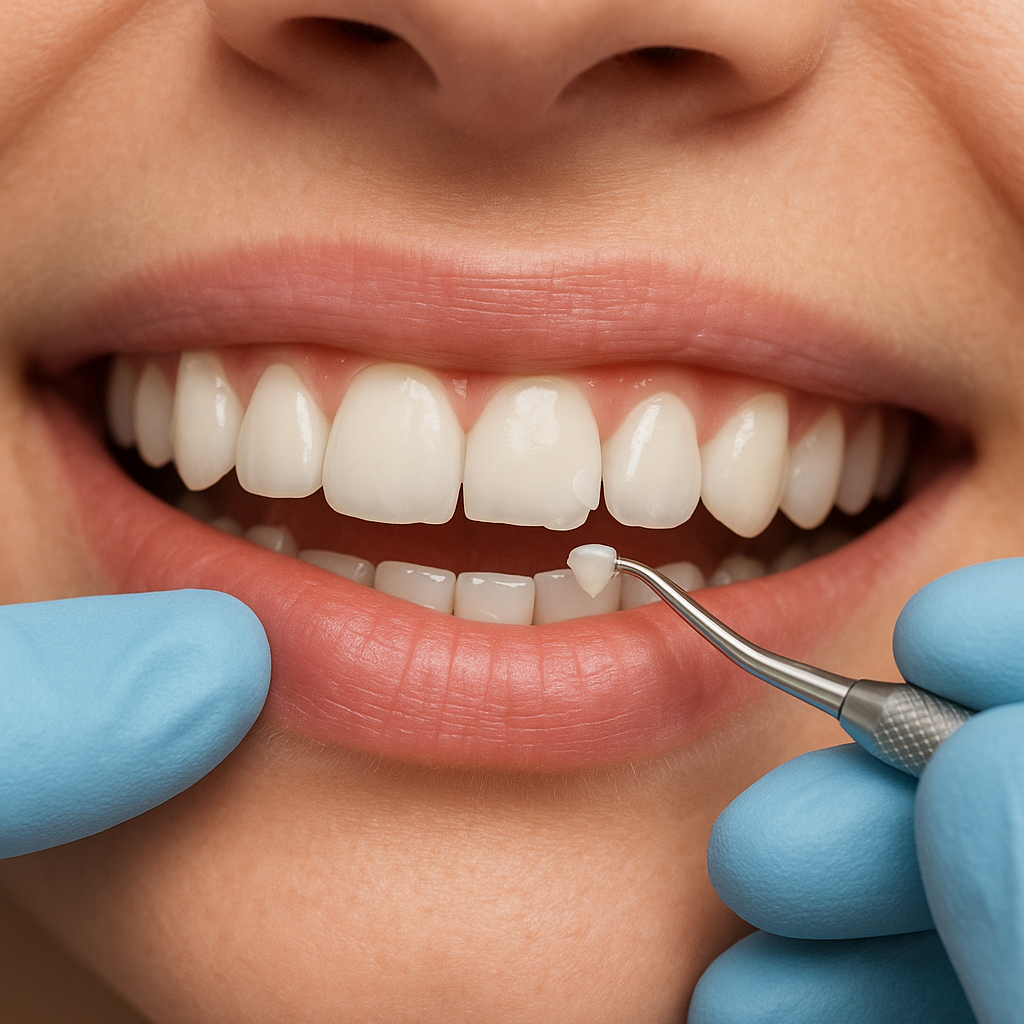
Discovering a small fragment missing from a front tooth can trigger worry and discomfort. A chipped tooth not only impacts the appearance of your smile but may also expose the inner layers of the tooth to bacteria, leading to potential pain or infection. Understanding how to address this issue promptly helps preserve dental health, restore functionality, and maintain confidence in your appearance.
Understanding Causes and Risks of a Chipped Tooth
Several factors can contribute to a tooth becoming chipped. Recognizing these causes helps both patients and dental professionals prevent recurrence and address underlying issues:
- Traumatic impact: A direct blow to the mouth during sports or accidents can crack enamel.
- Biting hard objects: Chewing ice, nuts, or hard candies may exceed enamel strength.
- Tooth decay: Cavities weaken tooth structure, making it prone to fractures.
- Bruxism: Chronic teeth grinding places stress on enamel and dentin.
- Age-related wear: Over time, enamel thins, reducing natural protection.
When enamel breaks away, the inner layers—dentin and, in severe cases, the pulp—become vulnerable. Exposure of nerve endings can result in sensitivity to temperature changes, discomfort when chewing, or even throbbing pain. Bacteria can infiltrate the exposed region, setting the stage for decay or an abscess if left untreated.
Assessing Severity
- Minor chips may involve only the outer enamel, often presenting no pain.
- Moderate fractures extend into dentin, causing discomfort under pressure or with sweet foods.
- Severe cracks can reach the pulp, generating intense pain and risking infection.
Prompt evaluation by a qualified dentist is essential. Early intervention reduces the likelihood of complications and ensures the most conservative treatment approach.
Diagnostic Procedures and Restorative Techniques
Upon examination, the dental professional uses both visual inspection and diagnostic tools to determine the chip’s extent and select the best restorative method. Common steps include:
- Clinical exam: Checking for visible damage, sharp edges, and signs of infection.
- Dental x-rays: Revealing underlying fractures and assessing proximity to the pulp chamber.
- Pulp vitality tests: Ensuring the nerve is healthy or identifying need for endodontic treatment.
Once the diagnosis is complete, various restorative options are available, each tailored to the chip’s severity, location, and patient preferences.
Composite Bonding
Composite resin bonding is a popular choice for minor to moderate chips. The procedure involves:
- Cleaning the tooth surface and roughening enamel to enhance bonding.
- Applying a etching gel to create micro-porosities.
- Layering tooth-colored resin and sculpting it to match natural contours.
- Curing with a special light to harden the material.
- Polishing the restoration for a smooth, life-like finish.
Benefits include minimal removal of healthy structure, affordable cost, and same-day results. However, composite may stain over time and requires careful maintenance.
Crowns and Onlays
For larger fractures or weakened teeth, a crown or onlay provides more robust protection:
- Preparation of the remaining tooth by removing decayed or fractured areas.
- Taking impressions to craft a custom-fit restoration from porcelain, zirconia, or metal-ceramic.
- Temporarily covering the prepared tooth until the permanent piece is ready.
- Cementing the final crown or onlay, restoring full shape and functionality.
Crowns encase the entire visible tooth, offering long-lasting durability and shielding against further damage.
Veneers and Enamel Shaping
When aesthetic enhancement is a priority, porcelain veneers can mask chips while improving overall smile symmetry. Enamel shaping or contouring may address minor irregularities without additional materials.
- Minimal-prep veneers require less enamel removal before bonding.
- Traditional veneers involve more enamel reduction for perfect alignment.
Both methods deliver a natural, translucent look that blends seamlessly with surrounding teeth.
Endodontic Treatment
If the chip extends into the pulp, a root canal may be necessary to remove infected tissue and prevent abscess formation. Following root canal therapy, the tooth is typically restored with a crown to reinforce structure and prevent fractures.
Preventive Strategies and Aftercare
Once restoration is complete, adopting preventive practices preserves the integrity of repaired teeth and minimizes future incidents.
- Use a mouthguard during high-impact sports to cushion forces.
- Avoid biting on hard substances such as ice, popcorn kernels, or non-food items.
- Address bruxism with a custom night guard or stress-reduction techniques.
- Maintain a balanced diet rich in calcium and phosphorus to support enamel health.
- Limit acidic and sugary foods that can erode enamel and weaken restorations.
Consistent oral hygiene is crucial:
- Brush at least twice daily with fluoride toothpaste.
- Floss once a day to remove plaque from interdental spaces.
- Rinse with an antibacterial mouthwash to reduce bacterial load.
- Schedule professional cleanings and check-ups every six months.
Regular dental visits allow early detection of wear, chips, or material degradation. The practitioner can polish restorations, replace worn bonding, and adjust occlusion to reduce stress on repaired teeth.
Maintaining open communication with your dentist about any new sensitivity or crack formation ensures swift action. By combining professional care with daily protective habits, you safeguard both natural enamel and any restorative work, preserving a healthy, confident smile for years to come.