The landscape of modern dentistry is undergoing a dramatic transformation thanks to a wave of technological breakthroughs. Practices around the globe are adopting innovative solutions to improve patient outcomes, streamline workflows and enhance diagnostic accuracy. From digital workflows to bioactive restoratives, these advancements are redefining the future of oral healthcare.
Cutting-Edge Digital Dentistry Tools
Advances in digital dentistry have empowered clinicians to capture highly accurate intraoral data and design restorations with unprecedented precision. Traditional impressions are being replaced by sophisticated scanning technologies that not only save time but also improve patient comfort and reduce errors.
Intraoral Scanners and 3D Imaging
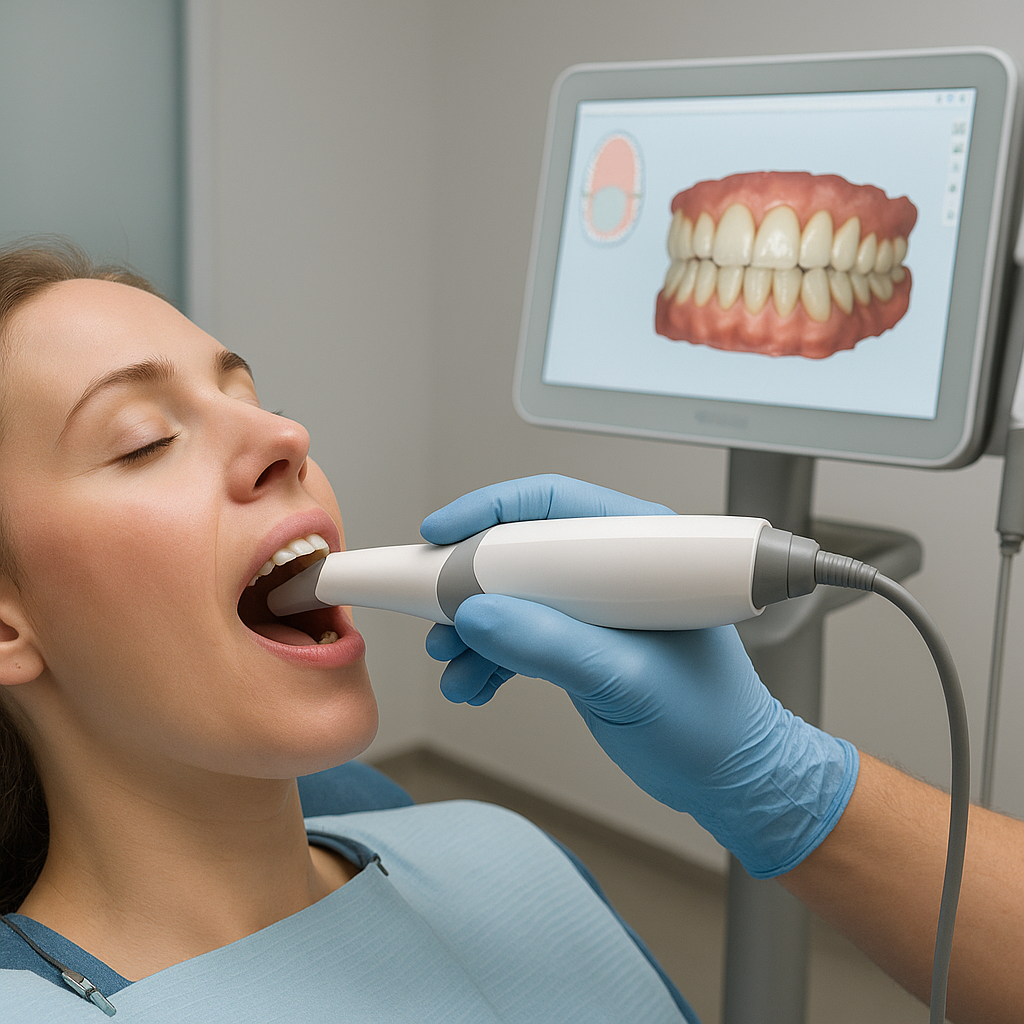
Modern intraoral scanners deliver detailed three-dimensional models of the dentition and surrounding tissues. By using structured light or laser triangulation, devices capture millions of data points in seconds. Clinicians leverage these scans to plan complex treatments such as implants, orthodontics or full-arch prostheses without relying on messy impression materials.
- Intraoral scanners reduce chair time and minimize patient discomfort.
- High-resolution 3D models allow precise margin detection and fit analysis.
- Integration with practice management software streamlines case documentation.
CAD/CAM Systems and Restorative Workflows
Computer-aided design and manufacturing (CAD/CAM) platforms have revolutionized prosthetic fabrication. By combining digital scans with powerful design software, dental laboratories and in-office milling units can produce crowns, inlays and veneers in a single visit.
- Automated milling machines ensure consistent material density and surface finish.
- Virtual articulation allows simulation of occlusal forces prior to fabrication.
- Materials such as zirconia and high-strength ceramics support both durability and esthetics.
Additive Manufacturing and 3D Printing
3D printing has unlocked new possibilities in surgical guides, orthodontic aligners and custom prostheses. This layer-by-layer fabrication technique enables the creation of complex geometries that were previously impossible or prohibitively expensive.
Materials Innovations
Recent developments in resin chemistry and photopolymerization have yielded biocompatible materials with high mechanical strength and excellent detail reproduction. Some resins are formulated to resist wear, while others incorporate fluorescence for easy identification in the lab.
- Clear aligner production benefits from transparent, flexible photopolymers.
- Surgical guide resins are sterilizable and maintain dimensional stability.
- Maxillofacial prosthetics employ color-matched materials for lifelike results.
Applications in Prosthodontics and Orthodontics
From temporary crowns to complete dentures, additive manufacturing has streamlined workflows:
- Printed models for diagnostic wax-ups accelerate case presentation and patient education.
- Direct print denture bases eliminate the need for analog flasking processes.
- Custom trays and implant guides enhance accuracy of bracket placement and drilling.
Artificial Intelligence and Tele-Dentistry
The integration of AI and tele-dentistry solutions is reshaping patient access and diagnostic capabilities. Machine learning algorithms analyze imaging data to detect pathologies at earlier stages, while remote consultation platforms bridge geographical gaps.
Diagnostic Algorithms
Deep learning models trained on large datasets can identify carious lesions, periodontal bone loss and even early signs of oral cancer. These AI-powered tools provide decision support by flagging suspicious areas on radiographs, ensuring clinicians don’t overlook critical findings.
- Automated screening reduces interpretation time and inter-observer variability.
- Integration with digital radiography systems offers real-time analysis.
- Continuous learning pipelines update algorithms as new cases are assessed.
Remote Consultations and Patient Monitoring
Tele-dentistry platforms enable video consultations, secure image sharing and electronic referrals. Patients in underserved areas can receive preliminary assessments without traveling long distances. Follow-up care, oral hygiene coaching and postoperative checks can also be conducted virtually, improving compliance and outcomes.
- Smartphone-based intraoral cameras empower patients to submit images from home.
- Cloud-based record systems ensure seamless data exchange between providers.
- Virtual triage reduces unnecessary in-office visits and lowers infection risk.
Bioactive Materials, Nanotechnology and Robotics
Innovations in bioactive materials, nanotechnology and robotics are bringing restorative and surgical procedures to new heights. These technologies work synergistically to enhance tissue regeneration, minimize invasive steps and improve clinical precision.
Smart Restorative Systems
Bioactive composites and glass ionomers release fluoride, calcium and phosphate ions to support remineralization. Incorporating nanofillers further improves mechanical properties and polishability. Self-adhesive materials dispense with separate bonding steps, simplifying restorative protocols.
- Ion-releasing materials contribute to secondary caries prevention.
- Nano-hydroxyapatite particles mimic enamel structure at the molecular level.
- Color-adaptive composites blend seamlessly with surrounding dentition.
Robotic Assistance in Implant Surgery
Robotic platforms guided by preoperative CBCT scans can execute osteotomies with submillimeter accuracy. Surgeons benefit from haptic feedback, real-time navigation and automated drilling sequences that reduce human error.
- Robotic arms maintain optimal angulation and depth control during implant placement.
- Software integration ensures alignment with the digital treatment plan.
- Enhanced stability minimizes trauma to adjacent tissues and promotes faster healing.
Augmented Reality for Education and Treatment Planning
Augmented reality headsets overlay digital models onto the patient’s anatomy during procedures. This immersive technology assists students in learning complex techniques and aids clinicians in visualizing treatment outcomes before cutting enamel or bone.
- Augmented reality enhances surgical rehearsal and team communication.
- Dynamic overlays guide incision lines, implant positions and prosthetic margins.
- Real-time adjustments support adaptive workflows in challenging clinical scenarios.