The integration of cutting-edge technologies is reshaping how dental professionals approach patient care, treatment planning, and restorative procedures. By leveraging advanced tools and software, modern practices are able to deliver faster, more accurate, and highly personalized dental services. This article explores the transformative potential of digital innovations across several key areas, highlighting the most significant advancements and the challenges that lie ahead.
Revolutionizing Diagnostics with 3D Imaging
One of the most impactful developments in recent years has been the adoption of 3D imaging solutions. Traditional two-dimensional X-rays, while still valuable, often require additional interpretive effort and can obscure critical anatomical details. With the rise of cone beam computed tomography (CBCT) and other volumetric imaging methods, dental teams can:
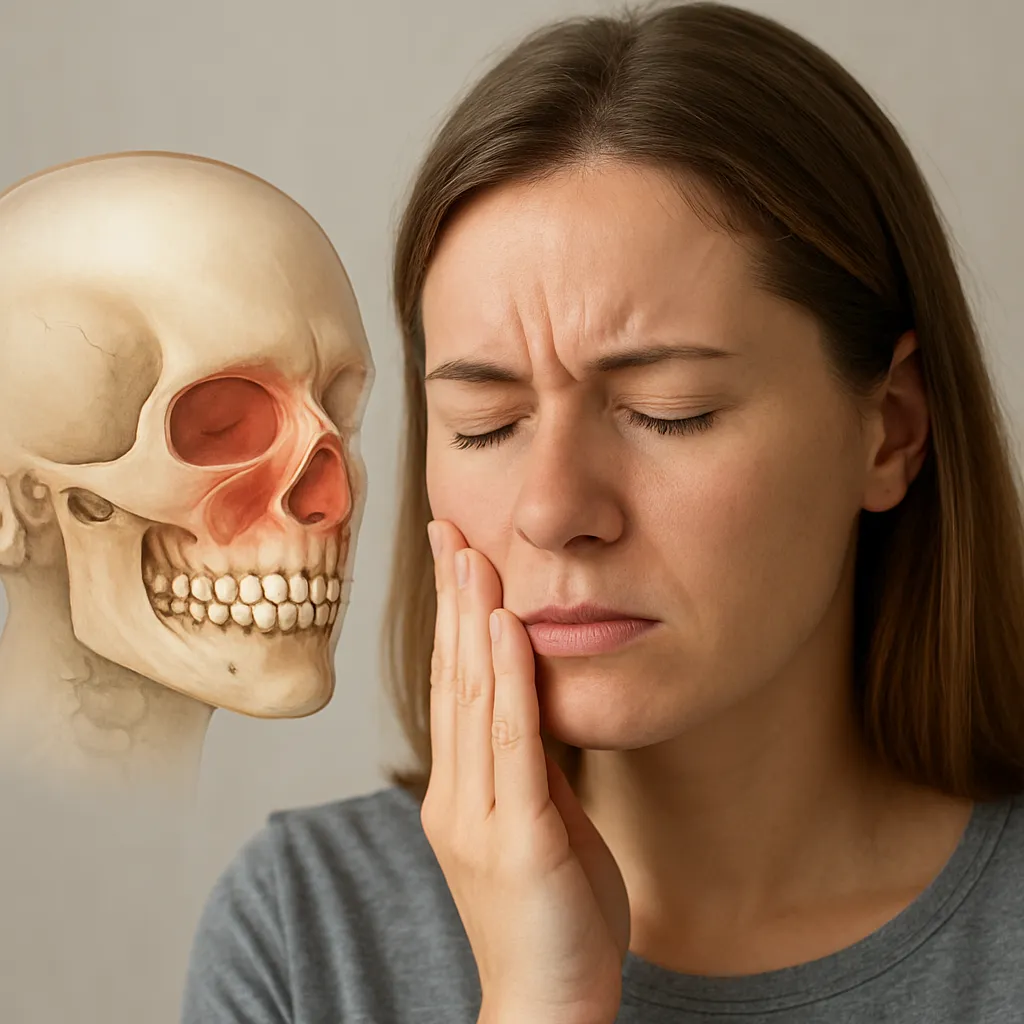
- Visualize complex structures such as the maxillofacial region in three dimensions
- Assess bone density and nerve pathways with unprecedented precision
- Identify hidden pathologies, including cysts and impacted teeth, earlier in the diagnostic process
Equipped with these rich data sets, clinicians are better positioned to formulate treatment plans that minimize risk and improve outcomes. Enhanced visualization also allows for more accurate measurement of anatomical landmarks, which is crucial for procedures like implant placement or orthognathic surgery.
Streamlining Treatment Planning through AI Integration
Artificial intelligence is no longer a futuristic concept but a practical component of many dental software platforms. By incorporating machine learning algorithms, systems can analyze large volumes of imaging and patient data to offer predictive insights. Key benefits include:
- Automated identification of caries, periodontal disease, and other anomalies
- Customized occlusal analysis to optimize bite forces
- Risk assessment models that forecast the likelihood of future oral health issues
AI-driven tools accelerate the planning phase while reducing human error. For example, algorithms trained on thousands of clinical cases can quickly highlight regions of concern on an image, allowing practitioners to focus on refining treatment decisions rather than spending hours on manual evaluation. Moreover, integrated AI systems facilitate dynamic adjustments to plans based on ongoing patient feedback and new diagnostic findings.
Enhancing Restorative Procedures with CAD/CAM Technology
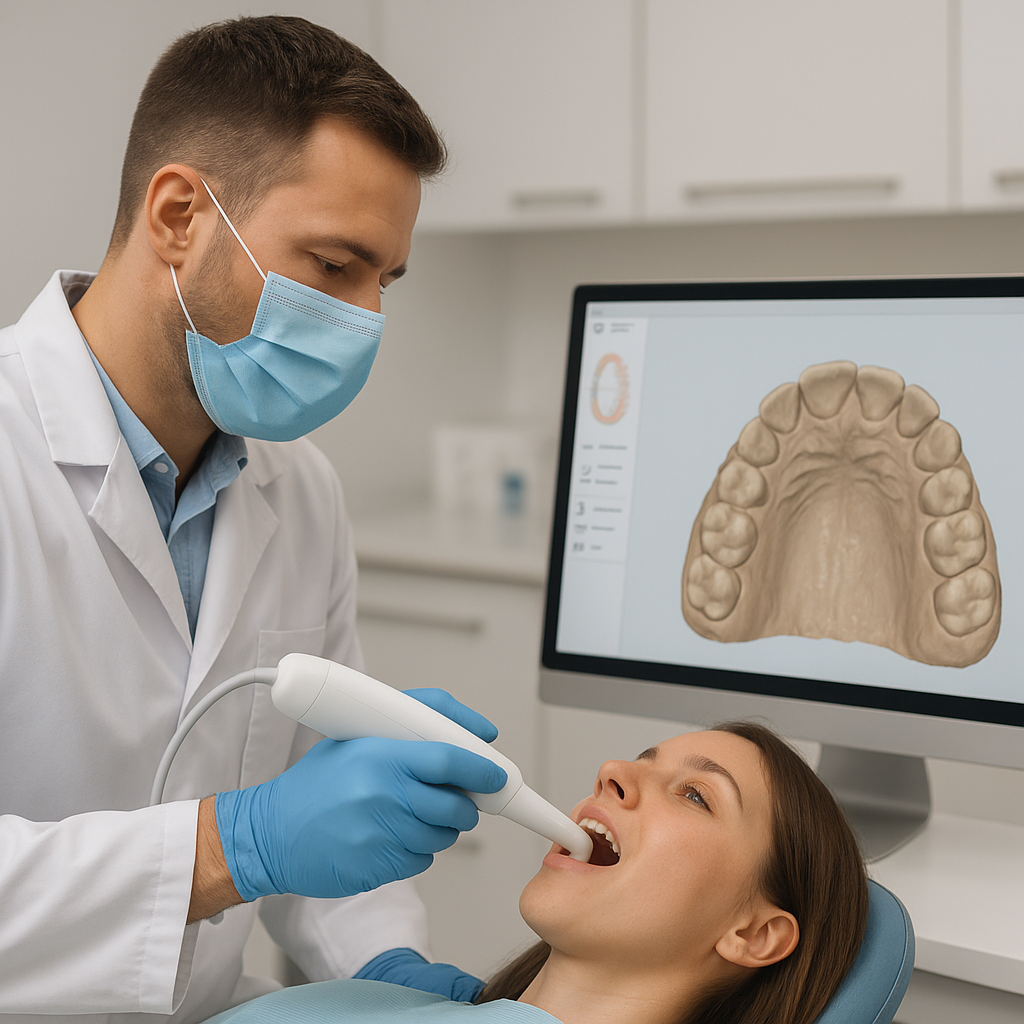
Computer-aided design and manufacturing has transformed the way crowns, bridges, and dentures are produced. By merging digital impressions captured via intraoral scanners with sophisticated design software, dental laboratories can create restorations that fit more accurately and look remarkably lifelike. Advantages include:
- Reduced turnaround time from impression to final prosthesis
- Higher consistency in restoration quality due to automated milling processes
- Greater material efficiency, minimizing waste of ceramics and metals
In many practices, same-day restorations have become a reality. Patients no longer need multiple visits for try-ins and adjustments. With milling units located on-site, a digital impression can be turned into a finished crown within hours. The combination of CAD/CAM and 3D printing also opens the door to innovative materials, including biocompatible resins and high-strength ceramics, further elevating the standard of care.
Improving Patient Engagement and Education with Virtual Tools
Effective communication is essential to building trust and ensuring patient compliance. Digital platforms offer interactive ways to demonstrate treatment plans and outcomes, making complex procedures easier to understand. Notable applications include:
- 3D animations that walk patients through the steps of implant surgery or root canal therapy
- Virtual simulators allowing individuals to preview orthodontic results before treatment begins
- Tele-dentistry portals for follow-up consultations, reducing the need for in-person visits
Such technologies contribute to a more immersive and transparent experience. Patients can see exactly why a procedure is recommended, view real-time progress, and even gain the option to participate in remote monitoring programs. This level of involvement tends to increase satisfaction rates and adherence to post-operative care instructions.
Personalization through 3D Printing and Custom Materials
Advances in additive manufacturing have enabled the production of highly personalized dental appliances. From surgical guides to orthodontic aligners, 3D printing offers unparalleled customization. Dental professionals can:
- Create patient-specific models for pre-surgical rehearsal
- Fabricate clear aligners that match the unique contour of each arch
- Produce occlusal splints and mouthguards tailored to individual bite patterns
Furthermore, ongoing research into novel biocompatible polymers and composite materials promises to extend the applications of 3D printing in regenerative dentistry. Soon, it may be possible to print scaffolds seeded with stem cells for guided tissue regeneration, pushing the boundaries of what restorative care can achieve.
Challenges and Future Directions
Despite the remarkable progress, several obstacles must be addressed to fully realize the potential of digital dentistry. These include:
- High initial investment costs for equipment and software
- Data security concerns related to cloud-based storage and patient records
- The need for ongoing training to ensure practitioners stay current with evolving tools
Looking ahead, the integration of teledentistry and remote diagnostics will continue to expand access to care, particularly in underserved regions. Wearable sensors and intraoral devices capable of real-time monitoring could revolutionize preventive strategies by detecting changes in saliva composition or bacterial activity. Enhanced interoperability among devices and platforms will further streamline workflows, enabling seamless data exchange between clinics, labs, and specialist centers.
As the field progresses, collaboration between software developers, material scientists, and dental professionals will be crucial. Together, they will refine technologies that emphasize patient comfort, clinical efficiency, and long-term oral health. The marriage of digital innovation and evidence-based dentistry is poised to usher in an era of unparalleled precision and personalization.