Maintaining a healthy mouth goes far beyond preventing tooth decay and gum disease. A well-cared-for smile plays a pivotal role in shaping the way we view ourselves and the world around us. When people feel confident about their teeth and gums, they carry themselves differently, speak more freely, and engage in social situations without hesitation. Understanding the interplay between oral care, regular visits to dentists, and personal self-esteem can empower individuals to take charge of their mental well-being and social presence.
Appearance and First Impressions
The condition of your teeth and gums often serves as the initial gauge for others when you meet for the first time. A bright, even smile can project friendliness and competence, while stained teeth or visible decay might trigger negative judgments—whether fair or not. Studies show that people with an attractive, well-maintained mouth are more likely to be perceived as trustworthy, successful, and approachable.
The Power of a Healthy Smile
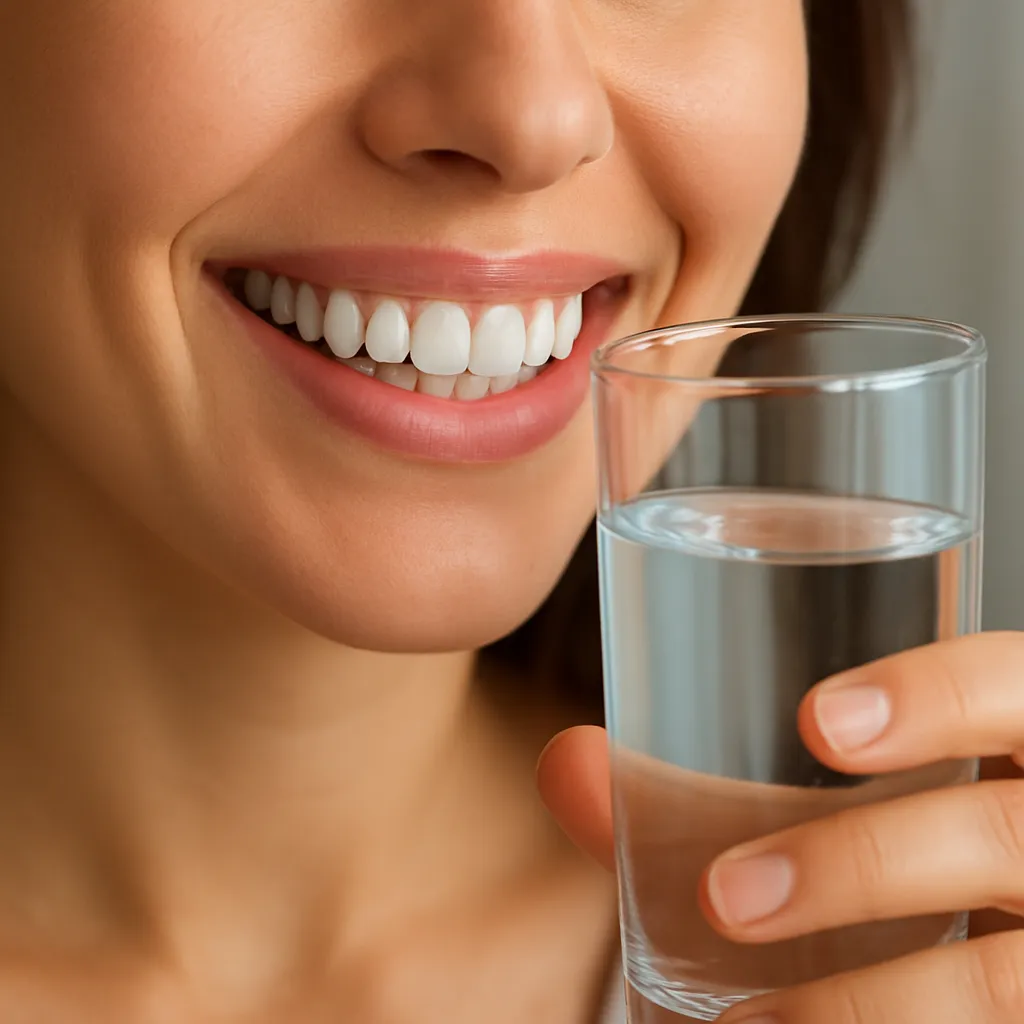
When you smile confidently, it releases endorphins that boost your mood and reduce stress. A radiant smile not only uplifts your own spirits but also signals positivity to those around you. This invisible feedback loop can strengthen social bonds and build rapport quickly. Even minor dental flaws, if corrected, can transform the way you interact in professional settings or during personal encounters.
Impact of Dental Imperfections
Common issues like cavities, chipped teeth, and discolored enamel can persistently draw attention away from your intended message. You might find yourself covering your mouth while laughing or avoiding close conversations. Over time, these habits reinforce negative self-talk and contribute to lower self-esteem. Addressing these imperfections with cosmetic or restorative dental treatments can remove barriers to open communication and positive self-image.
Psychological Impact of Oral Health
Oral health is inextricably linked to psychological well-being. Chronic dental pain or sensitivity can lead to irritability, anxiety, and constant distraction. Moreover, the fear of dental procedures—known as dental phobia—affects a significant portion of the population and discourages many from seeking timely professional care.
Fear of Judgment and Social Anxiety
An unhealthy mouth often becomes a source of shame. People may develop heightened social interactions avoidance, missing out on gatherings or important conversations. This cycle of avoidance can exacerbate feelings of loneliness and depression. By contrast, those who maintain consistent oral care routines typically exhibit stronger confidence and reduced social anxiety.
Correlation with Overall Mental Health
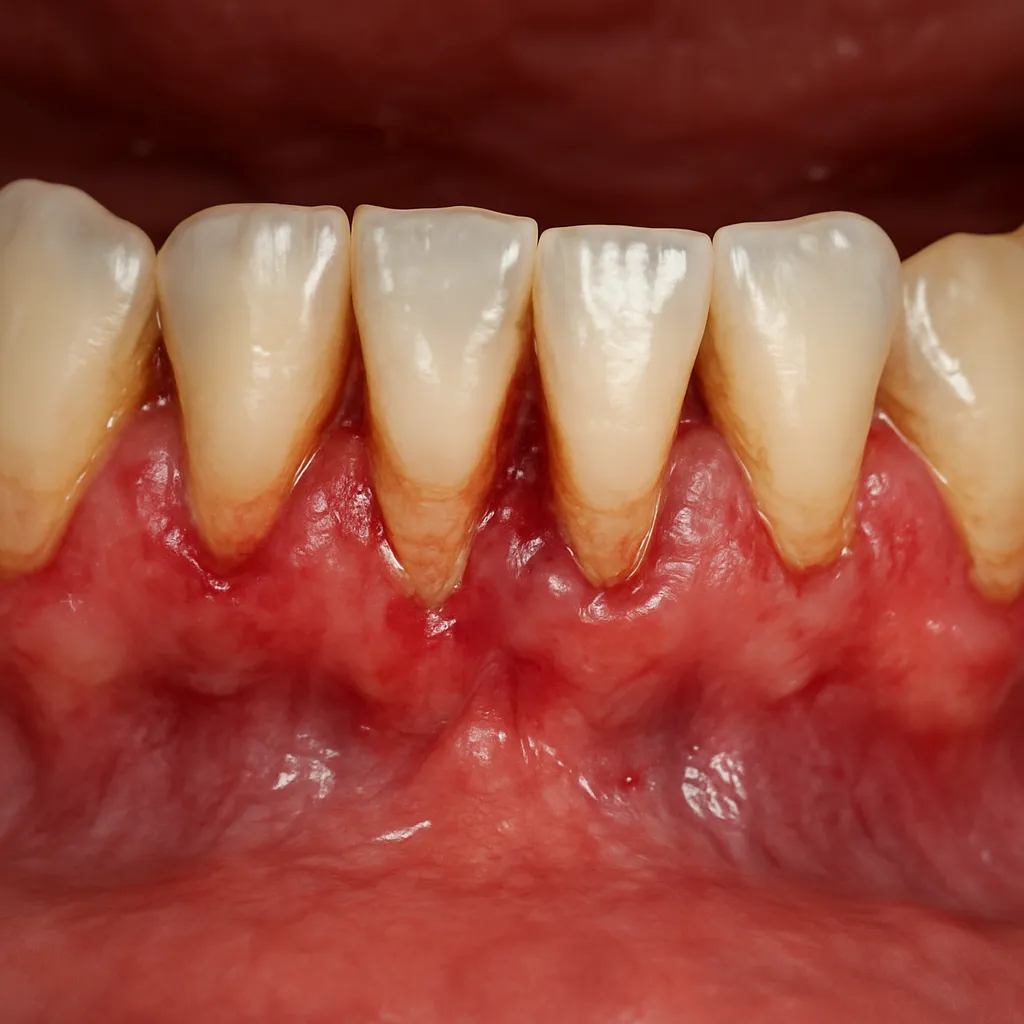
Research highlights a two-way relationship between depression and poor oral health. Depression can lead to neglectful hygiene habits, increasing the risk of periodontal disease, which in turn can fuel more depressive symptoms. Breaking this cycle involves both mental health support and proactive oral interventions. Dentists often collaborate with mental health professionals to address these interconnected challenges holistically.
Social and Professional Consequences
The quality of our teeth can influence key life events—from job interviews to first dates. Numerous surveys reveal that hiring managers are more inclined to hire candidates who seem well-groomed and communicative, traits closely tied to a confident smile. In social environments, people naturally gravitate toward those who smile freely, as it conveys warmth and approachability.
Confidence in Networking and Career Growth
Networking often hinges on one’s ability to make a memorable first impression. Whether you’re delivering a presentation or conversing at a corporate event, a healthy mouth allows you to focus on content rather than worrying about bad breath or stained teeth. Professionals with strong confidence perform better under pressure and tend to secure promotions more rapidly.
Relationship Building and Personal Life
On a personal level, dating apps and social meetups frequently rely on images. A bright, appealing smile can increase click-through rates on profiles and spark initial conversations. Once in person, sustaining eye contact and smiling openly foster attraction and trust. Conversely, dental concerns may lead individuals to downplay their personality or sidestep intimate moments, limiting the potential for deep connections.
Strategies to Boost Oral Health and Confidence
Improving your oral condition requires a blend of at-home habits and regular visits to a qualified dental professional. Establishing a routine and addressing issues early can safeguard both your mouth and your self-esteem.
Daily Oral Hygiene Practices
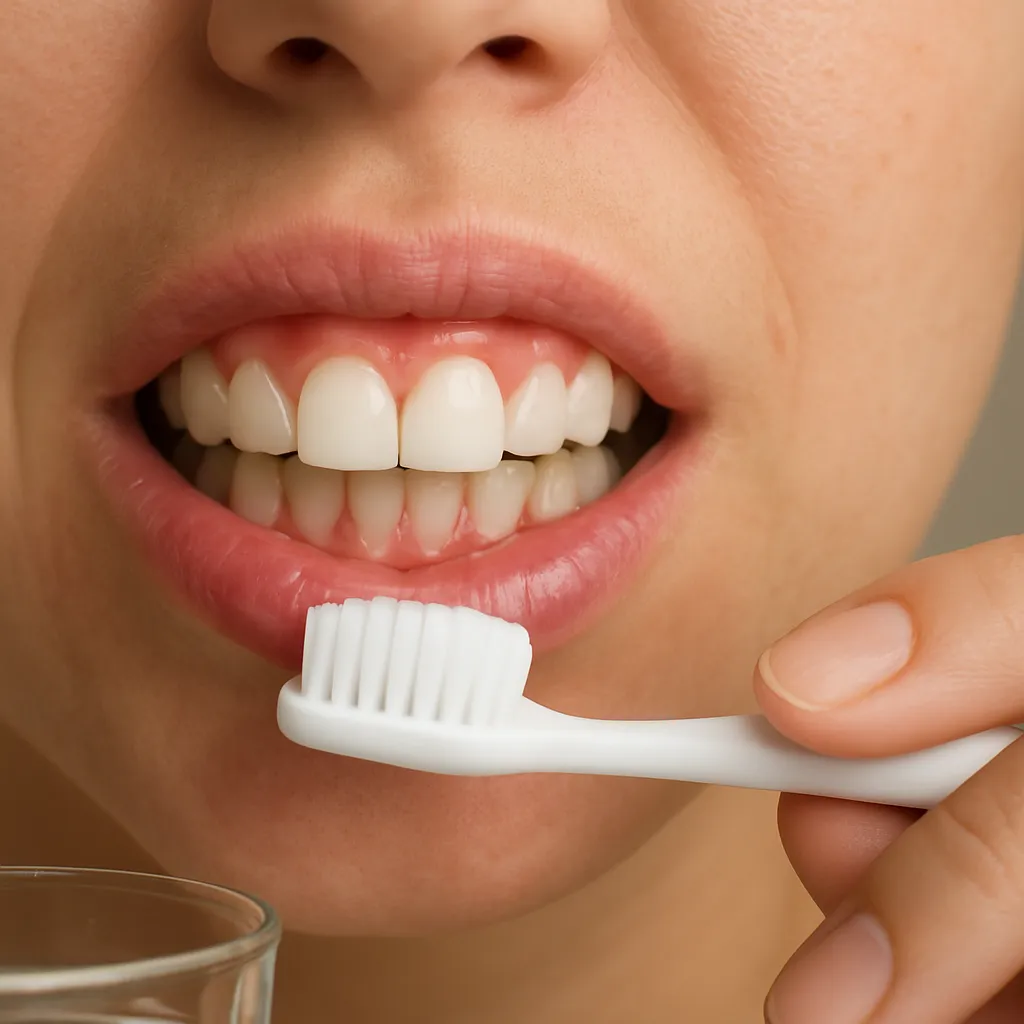
- Brush twice daily with fluoride toothpaste to prevent cavities and reinforce enamel.
- Floss daily to remove plaque from between teeth and below the gum line.
- Use an antiseptic mouthwash to reduce bacteria that cause bad breath and gum inflammation.
- Incorporate a tongue scraper to eliminate odor-causing debris.
Routine Dental Check-Ups
- Schedule professional cleanings every six months to maintain optimal gum health.
- Discuss cosmetic options—such as whitening or veneers—to address appearance concerns.
- Seek early treatment for any signs of periodontal disease or tooth decay.
- Ask your dentists about personalized preventive plans based on your oral health profile.
Lifestyle Adjustments for Lasting Results
- Limit sugary and acidic foods that erode enamel and promote bacterial growth.
- Stay hydrated to encourage saliva production, which naturally cleanses the mouth.
- Quit smoking and reduce alcohol consumption to decrease the risk of oral cancers.
- Incorporate stress management techniques—such as mindfulness or exercise—to prevent teeth grinding.
Collaborative Care and Support
For those struggling with dental anxiety or complex oral issues, partnering with a compassionate dentists team can be transformative. Many practices now offer sedation dentistry, behavioral support, and personalized communication strategies to ease patient fears. By merging modern technology with empathetic professional guidance, patients can restore not only their dental health but also a renewed sense of confidence.