The choice of toothpaste plays a crucial role in maintaining optimal oral health. Many patients and practitioners are exploring alternatives to fluoride-based formulations, intrigued by the potential advantages of a natural, non-toxic approach. This article examines the benefits of fluoride-free toothpaste from a dental perspective, highlighting key ingredients, the impact on the oral microbiome, and practical guidance for dentists and patients alike.
Understanding Fluoride-Free Toothpaste
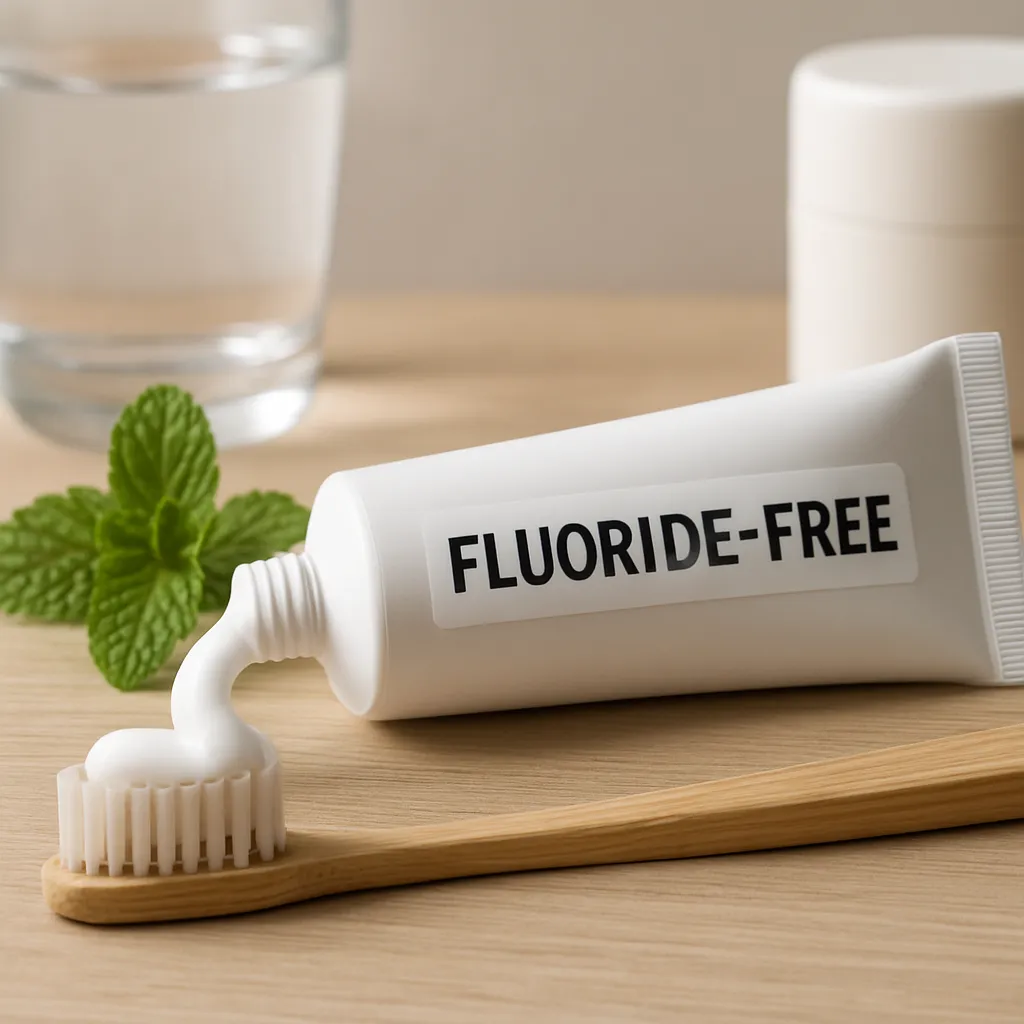
Fluoride has long been the cornerstone ingredient in conventional toothpaste due to its role in preventive dentistry and enamel strengthening. However, concerns over cumulative fluoride exposure, potential toxic effects at high levels, and risks of fluorosis have prompted interest in alternative formulations. Fluoride-free toothpaste omits fluoride salts and focuses on ingredients that support cleaning, remineralization, and microbial balance.
Many fluoride-free products utilize low-abrasivity silica or calcium carbonate to remove plaque gently. Manufacturers often promote biocompatibility and allergen-free labels, aiming to reduce irritation for sensitive patients. While the absence of fluoride may raise questions about cavity protection, a growing body of research suggests that specific combinations of calcium, phosphate, and herbal extracts can offer meaningful benefits.
- Gentle Abrasion: Rinses away debris without damaging enamel.
- pH Regulation: Maintains neutral environment to deter acidogenic bacteria.
- Natural Antimicrobials: Essential oils and plant extracts inhibit harmful biofilms.
By understanding the mechanism of action behind these components, dentists can make informed recommendations for patients seeking a holistic oral care routine.
Key Ingredients and Their Advantages
Fluoride-free toothpaste comes in diverse formulations. Below are commonly used ingredients and their specific roles:
- Baking Soda (Sodium Bicarbonate): A mild abrasive that neutralizes acids and whitens teeth naturally.
- Hydroxyapatite: A biomimetic mineral that supports enamel remineralization and enhances surface hardness.
- Calcium Phosphate Compounds: Act synergistically with dietary phosphates to restore mineral density.
- Herbal Extracts: Such as neem, chamomile, or green tea for antimicrobial activity and soothing properties.
- Essential Oils: Peppermint, tea tree, and eucalyptol to freshen breath and reduce bacterial load.
- Activated Charcoal: Adsorbs surface stains and toxins, though caution is needed due to higher abrasivity.
Each ingredient offers unique advantages. For instance, hydroxyapatite closely resembles the mineral component of teeth, promoting direct deposition of calcium and phosphate into demineralized areas. Meanwhile, baking soda’s high pH helps counteract the acidic byproducts of cariogenic bacteria. Combining these elements can create a synergistic effect that supports enzymatic cleaning and microbial equilibrium.
Manufacturers often avoid synthetic foaming agents, opting for mild surfactants like cocamidopropyl betaine. This reduces the risk of mucosal irritation and preserves salivary enzymes vital for digestion and defense. Dentists assessing toothpaste choices should consider the Relative Dentin Abrasivity (RDA) value to ensure enamel safety over long-term use.
Oral Microbiome and Long-Term Health
Maintaining a balanced oral microbiome is essential for preventing caries, gingivitis, and systemic inflammation. Fluoride-free formulations often emphasize prebiotic and probiotic components to support beneficial bacteria. Ingredients like inulin or xylitol serve as substrates for commensal species, inhibiting acidogenic pathogens.
Research indicates that excessive fluoride can alter microbial communities, potentially selecting for resistant strains. While fluoride remains effective for targeting S. mutans, alternatives seek to moderate biofilm architecture without disrupting overall microbial diversity. A stable ecosystem reduces the risk of opportunistic infections and promotes healthier gingival tissue.
Prebiotic and Probiotic Strategies
- Prebiotics: Nondigestible fibers that nourish symbiotic bacteria.
- Probiotics: Live cultures such as Lactobacillus reuteri introduced via mouth rinses or toothpaste.
Incorporating these strategies supports a holistic approach to oral care. By nurturing beneficial microbes, fluoride-free toothpaste can contribute to improved immune modulation and reduced inflammatory markers in periodontal tissues. Clinicians may consider adjunctive protocols, pairing microbial-supportive toothpaste with regular professional cleanings to optimize outcomes.
Choosing the Right Toothpaste for Your Patients
When recommending fluoride-free toothpaste, dentists should evaluate patient risk profiles and preferences. Consider the following factors:
- Caries Risk: Assess history of decay, dietary habits, and salivary flow.
- Sensitivity: Look for low-abrasivity formulas with soothing agents like aloe vera.
- Allergies: Confirm absence of common allergens, including sulfates and parabens.
- Age Groups: Pediatric patients may benefit from naturally sweetened, low-foam gels.
- Cosmetic Concerns: Activated charcoal can improve surface brightness but should be used intermittently.
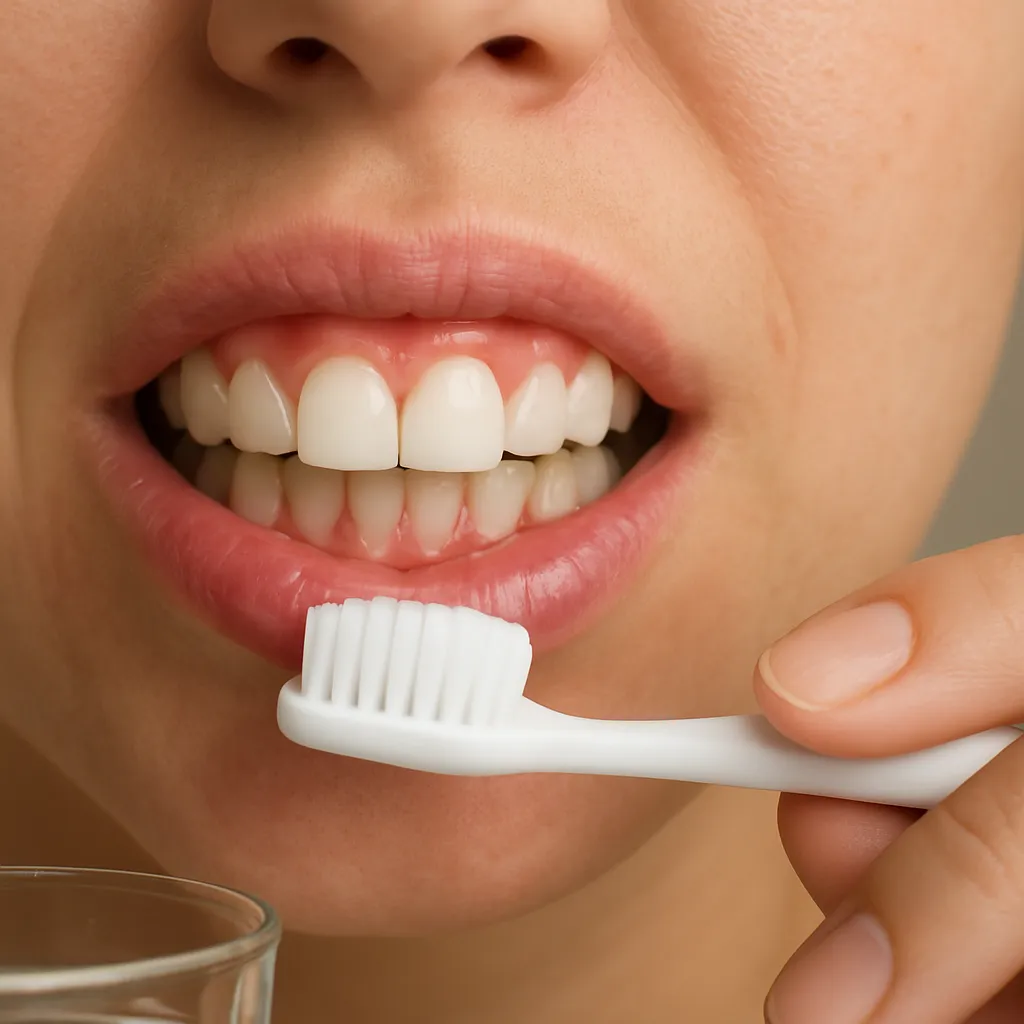
Educating patients on proper brushing technique is vital. Emphasize a pea-sized amount of toothpaste, gentle circular motions, and a 2-minute duration to maximize cleaning efficacy. Remind them to avoid rinsing vigorously after brushing, allowing active ingredients to remain in contact with enamel and soft tissues for extended periods.
For high-risk cases, combining fluoride-free toothpaste with professional fluoride varnish treatments can offer a balanced regimen—leveraging the protective benefits of fluoride in controlled settings while maintaining a daily natural routine. Dentists should monitor patients’ caries status through regular examinations and radiographs, adjusting recommendations as needed.
Ultimately, patient satisfaction and compliance often drive the success of any oral care protocol. Offering a range of flavor options, from mild herbal blends to refreshing mint, encourages consistent use. Highlighting the non-toxic and allergen-free aspects can address concerns about synthetic additives.
By staying informed about emerging research and new formulations, dental professionals can confidently guide patients toward toothpaste selections that align with both preventive goals and individual health philosophies. Fluoride-free products represent a valuable addition to the oral care arsenal, offering an alternative pathway for those seeking a more natural, supportive approach to daily hygiene.