Selecting the ideal mouthwash involves more than a quick pick from the store shelf. With so many formulations available, understanding how each product works can empower you to make informed decisions that support your oral health goals. Whether you aim to freshen breath, fight bacteria, or protect enamel, this guide will help you choose the mouthwash tailored to your needs.
Understanding Mouthwash Categories
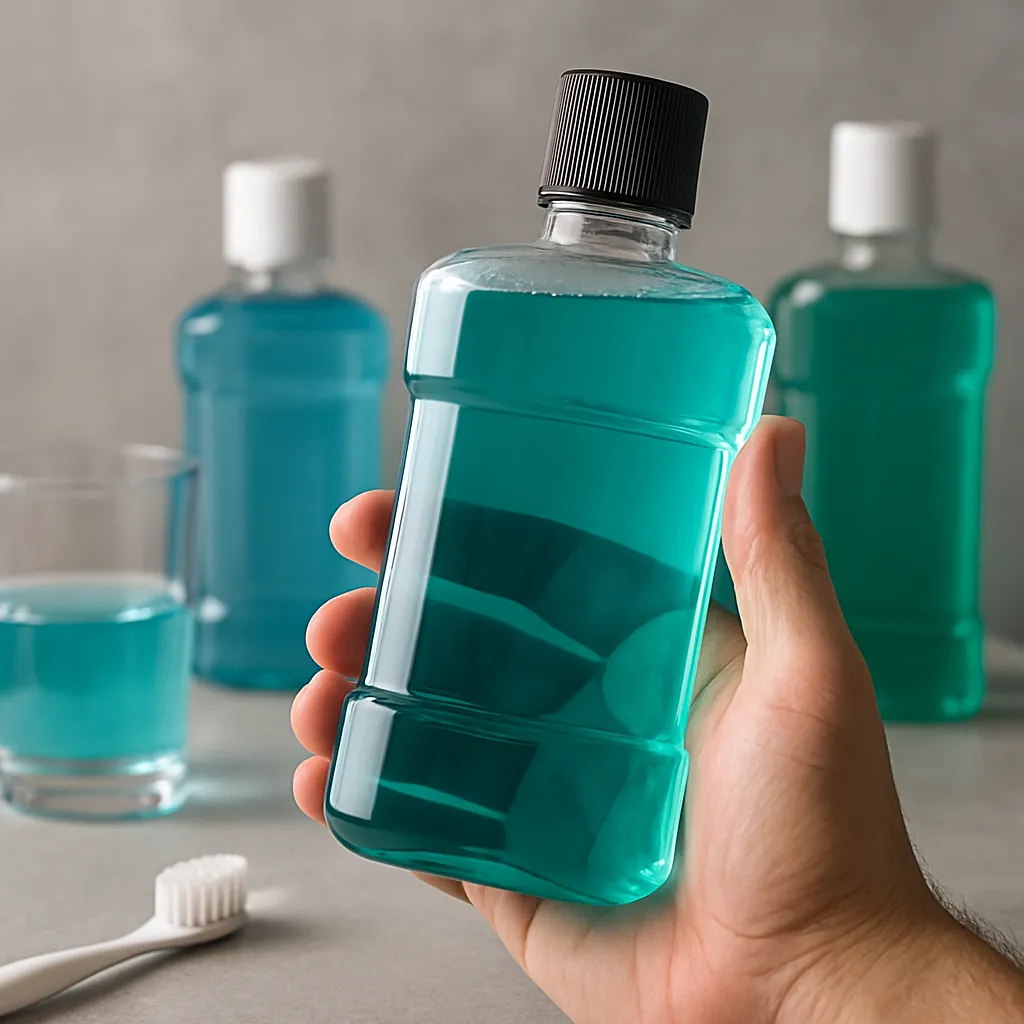
Not all mouthwashes serve the same purpose. Broadly, products fall into three main categories: cosmetic, therapeutic, and prescription. Recognizing these distinctions is the first step toward selecting a mouth rinse that meets your specific requirements.
1. Cosmetic Mouthwashes
- Primary function is to improve fresh breath.
- Often contain flavoring agents and mild agents that mask odors temporarily.
- Do not significantly reduce plaque or combat gum disease.
2. Therapeutic Mouthwashes
- Contain active ingredients targeting bacteria, plaque, or tooth decay.
- May include fluoride to strengthen enamel and prevent cavities.
- Often labeled with claims like “anti-gingivitis” or “antiseptic.”
3. Prescription Mouthwashes
- Prescribed by dental professionals for conditions such as severe gum disease.
- Common active ingredient: chlorhexidine gluconate, a potent antimicrobial agent.
- Used for limited durations due to potential side effects (e.g., staining).
Key Ingredients and Their Benefits
Different mouthwashes contain various active compounds. Here are the most common ingredients to consider:
Fluoride
- Strengthens enamel by remineralizing microscopic tooth defects.
- Helps prevent cavities when used regularly.
Chlorhexidine
- Powerful against bacteria that cause gum inflammation and gingivitis.
- Usually limited to short-term prescription use.
Essential Oils
- Natural oils such as eucalyptol, menthol, thymol offer antimicrobial effects.
- Often found in over-the-counter therapeutic rinses.
Cetylpyridinium Chloride (CPC)
- An antiseptic agent that reduces plaque and gingival bleeding.
- Frequently included in non-prescription formulas.
Hydrogen Peroxide
- Mild bleaching action for cosmetic whitening.
- Provides some antibacterial activity but may cause sensitivity when overused.
Selecting the Right Mouthwash for Your Needs
Your individual dental profile helps determine the ideal formulation. Consider the following factors:
Breath Freshening vs. Therapeutic Goals
If your primary concern is occasional bad breath, a cosmetic rinse with mint or herbal extracts may suffice. For persistent halitosis, look for therapeutic options containing antiseptic ingredients.
Cavity Prevention
Patients prone to decay benefit from mouthwashes enriched with fluoride. Daily use can complement brushing and flossing by delivering mineral reinforcement directly to tooth surfaces.
Gum Health
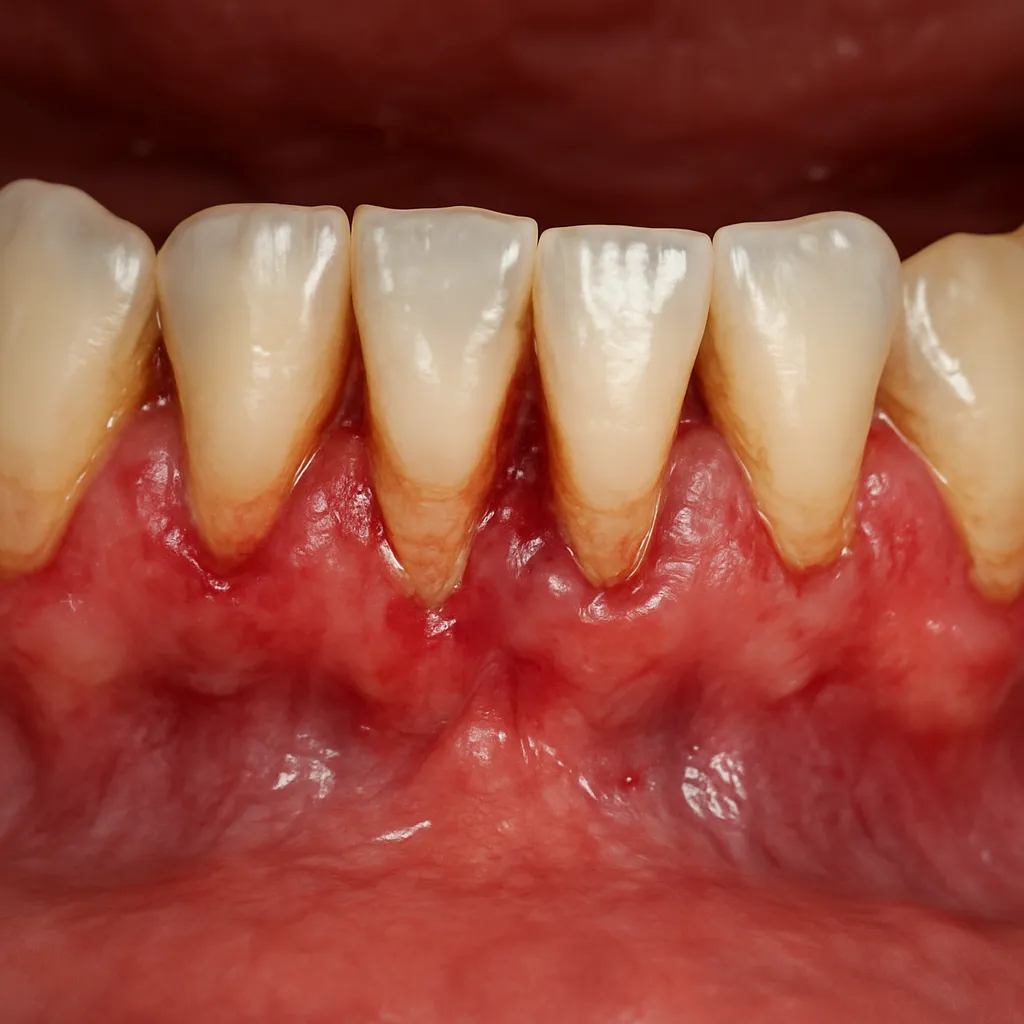
Signs of bleeding gums or early gingivitis call for an antimicrobial mouthwash such as one containing CPC or chlorhexidine (prescription). Pairing a rinse with regular dental cleanings maximizes gum protection.
Sensitivity Concerns
Individuals with sensitive teeth should seek alcohol-free formulas. Some rinses contain potassium nitrate to soothe nerve endings and minimize discomfort.
Preference for Natural Products
Those who prefer botanical extracts can choose mouthwashes featuring tea tree oil, aloe vera, or xylitol. Ensure these formulations still have clinically proven efficacy for your desired outcome.
Best Practices for Effective Use
Proper technique amplifies mouthwash benefits. Follow these guidelines to ensure safe and effective use:
- Measure the recommended dose using the cap provided; avoid estimating by eye.
- Swish for at least 30 seconds to one minute to allow active agents to contact all surfaces.
- Refrain from rinsing with water immediately after; letting residues linger extends protection.
- Avoid eating or drinking for 30 minutes post-rinse if using a fluoride-based product.
- Use mouthwash at a separate time from brushing to prevent dilution of toothpaste efficacy.
Special Considerations
Certain situations call for extra caution or guidance when selecting a mouthwash:
Children and Adolescents
- Choose alcohol-free, low-fluoride rinses appropriate for age.
- Supervise use to prevent accidental swallowing.
Pregnancy and Breastfeeding
- Consult your dentist before using products containing high levels of active agents.
- Prefer mild, alcohol-free formulations to reduce potential risks.
Dry Mouth (Xerostomia)
- Avoid alcohol-based rinses that can exacerbate dryness.
- Opt for specialized hydration formulas with lubricating agents like glycerin.
Oral Surgery or Implants
- Follow post-operative recommendations; a gentle prescription rinse may be advised.
- Timely use can prevent infection and support healing.