Early detection of dental caries is a cornerstone of modern dentistry, emphasizing intervention before extensive damage occurs. By identifying cavities at their initial stages, clinicians can employ minimally invasive treatments, preserve tooth structure and improve patient outcomes. This article explores the fundamentals of early cavity detection, reviews cutting-edge diagnostic tools and offers guidance on integrating proactive measures in everyday practice.
Understanding the Process of Cavity Formation
To effectively intercept tooth decay, dental professionals must grasp how demineralization and bacterial activity collaborate. Acid-producing microorganisms metabolize dietary sugars, creating an acidic environment that dissolves enamel and dentin. Key factors include:
- plaque accumulation: Biofilm harbors cariogenic bacteria, fostering sustained acid attacks.
- Frequency of sugar intake: Snacking between meals prolongs acid exposure.
- Salivary flow and composition: Reduced buffering capacity accelerates mineral loss.
- Enamel susceptibility: Variations in mineral density influence remineralization potential.
Early Signs and Symptoms
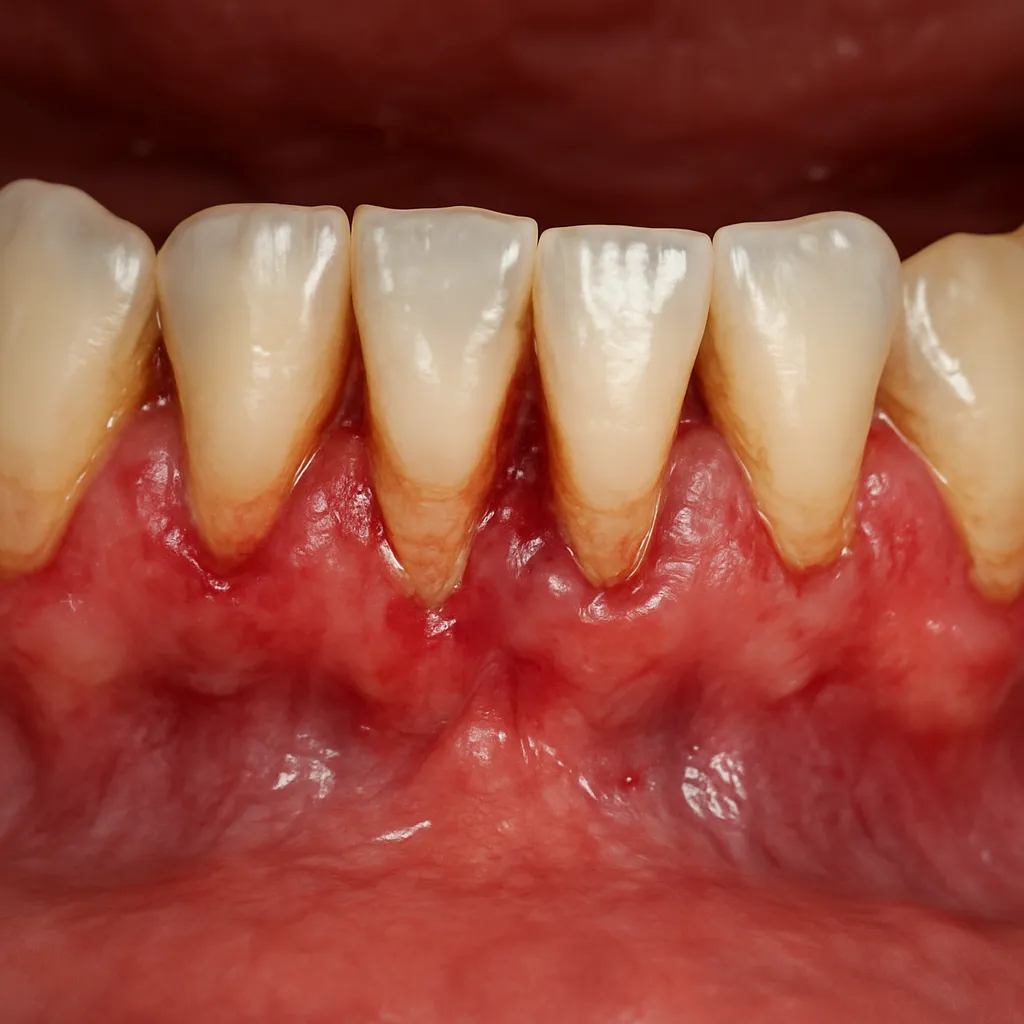
Initial carious lesions often manifest as white-spot lesions—areas of subsurface demineralization that retain a translucent outer layer. Clinicians should remain vigilant for these subtle presentations during routine exams. Ice-cold sensitivity or occasional discomfort when biting may also signal early decay, even before cavitation is visible on standard radiographs.
Advanced Diagnostic Techniques for Early Detection
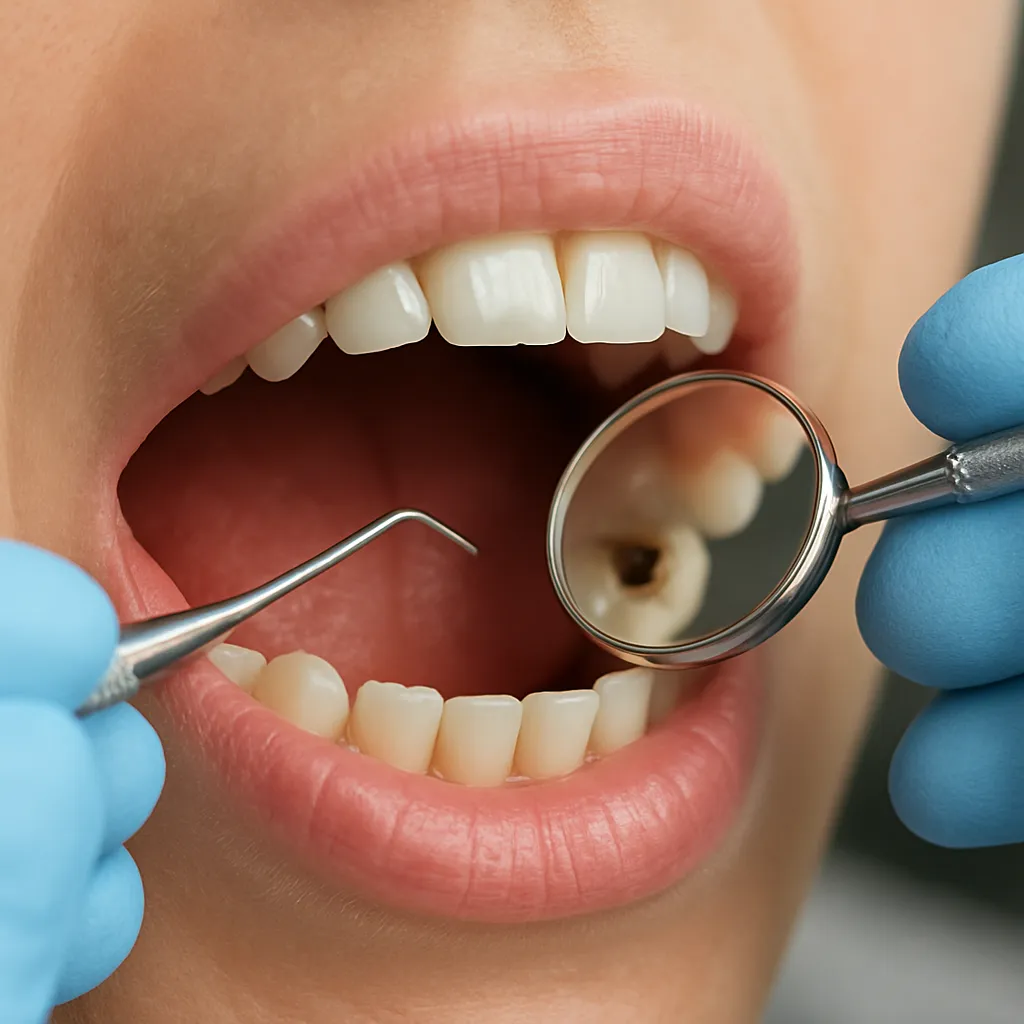
Traditional visual and tactile inspection, while invaluable, can miss lesions hidden between contacts or beneath the enamel surface. Modern tools complement conventional methods and enhance diagnostic accuracy.
Digital Radiography and Cone Beam Computed Tomography (CBCT)
- x-rays remain the gold standard for interproximal lesion detection, but digital sensors offer enhanced contrast and reduced radiation.
- CBCT provides three-dimensional imaging, enabling visualization of hidden decay in complex anatomical regions, such as root furcations.
Fluorescence and Transillumination Devices
Emerging technologies exploit light interactions with tooth tissues:
- DIAGNOdent employs laser fluorescence to detect changes in tooth structure, indicating early caries.
- Near-infrared transillumination (NIRT) shines light through the tooth to reveal dark shadows where demineralization has occurred.
Quantitative Light-Induced Fluorescence (QLF)
This technique captures fluorescence emitted by sound versus demineralized enamel, allowing precise measurement of lesion area and mineral loss. Frequent QLF monitoring supports objective tracking of remineralization efforts, enhancing evidence-based decision making.
Implementing Preventive Strategies in Clinical Practice
Detection is only the first step. A comprehensive preventive protocol integrates patient education with targeted interventions. Early intervention can arrest or reverse carious processes without resorting to invasive restorations.
Topical Fluoride Therapies
- High-concentration fluoride varnishes strengthen enamel and inhibit bacterial metabolism.
- Prescription toothpaste with elevated fluoride levels supports at-home remineralization.
Resin Infiltration and Sealants
Resin infiltration offers a microinvasive approach by penetrating porous enamel and halting lesion progression. Pit and fissure sealants shield vulnerable occlusal surfaces from cariogenic biofilms, dramatically reducing the incidence of new decay.
Behavioral and Dietary Modifications
Clinicians should counsel patients on optimizing oral hygiene routines and dietary habits:
- Reducing frequency of fermentable carbohydrate consumption.
- Encouraging chewing of sugar-free gum to stimulate protective saliva flow.
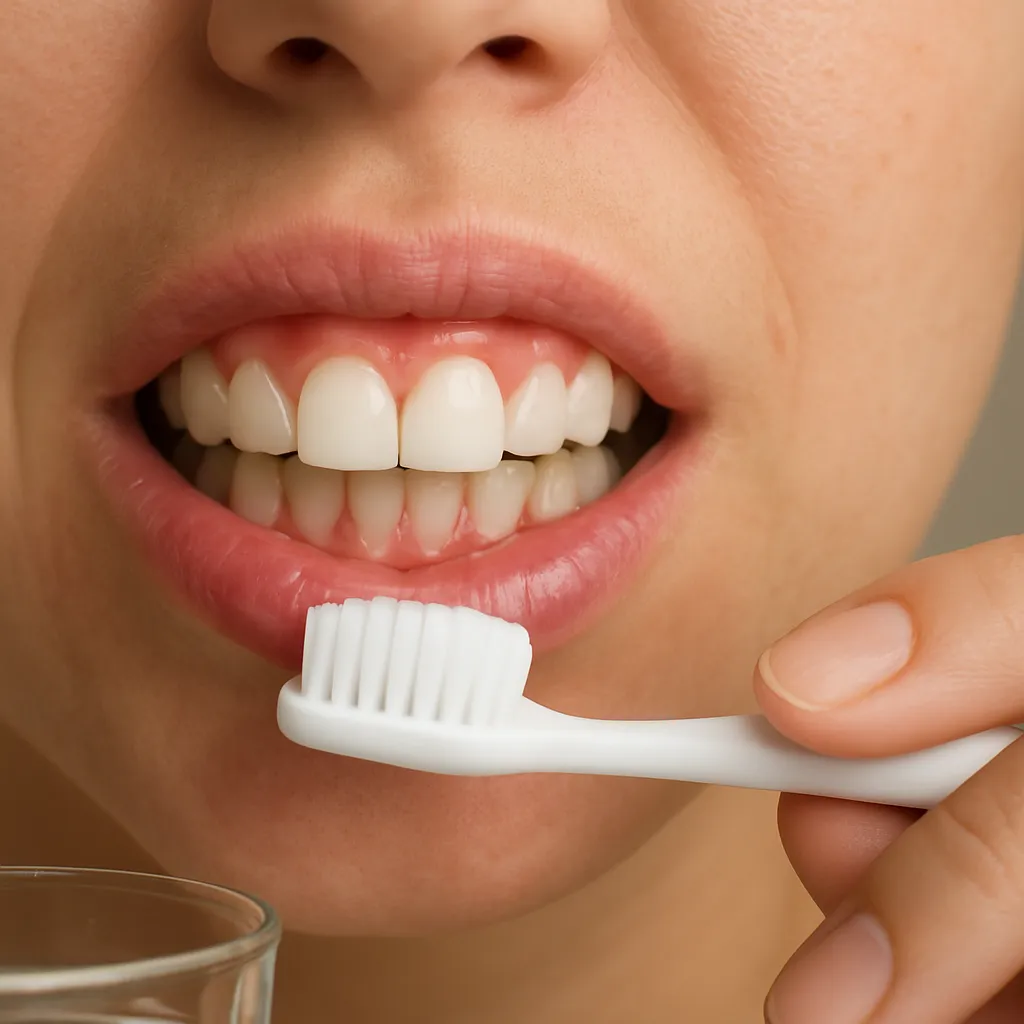
- Recommending electric toothbrushes with pressure sensors for effective plaque control.
Engaging Patients Through Education and Motivation
Empowering patients to become proactive stakeholders in their oral health enhances compliance and long-term success. Communication strategies may include:
- Demonstrating proper brushing and interdental cleaning techniques using models or intraoral cameras.
- Explaining the significance of saliva testing to identify high-risk individuals with low buffering capacity.
- Setting achievable goals, such as reducing intake of acidic beverages or scheduling regular fluoride applications.
Interdisciplinary Collaboration for Comprehensive Care
Early cavity detection benefits from a team-based approach. Collaborating with dental hygienists, nutritionists and medical professionals ensures holistic management of factors influencing caries risk. For instance, patients with gastroesophageal reflux disease or dry mouth from medication may require tailored preventive regimens.
Future Directions and Innovations
Ongoing research promises further enhancements in early caries detection. Nanotechnology may yield remineralizing agents that more effectively repair subsurface lesions. Artificial intelligence algorithms applied to radiographs and digital scans could automate the identification of lesions, improving consistency and efficiency. Embracing these advancements will continue to elevate the standard of care in dentistry, emphasizing diagnosis, conservative intervention and sustainable prevention.