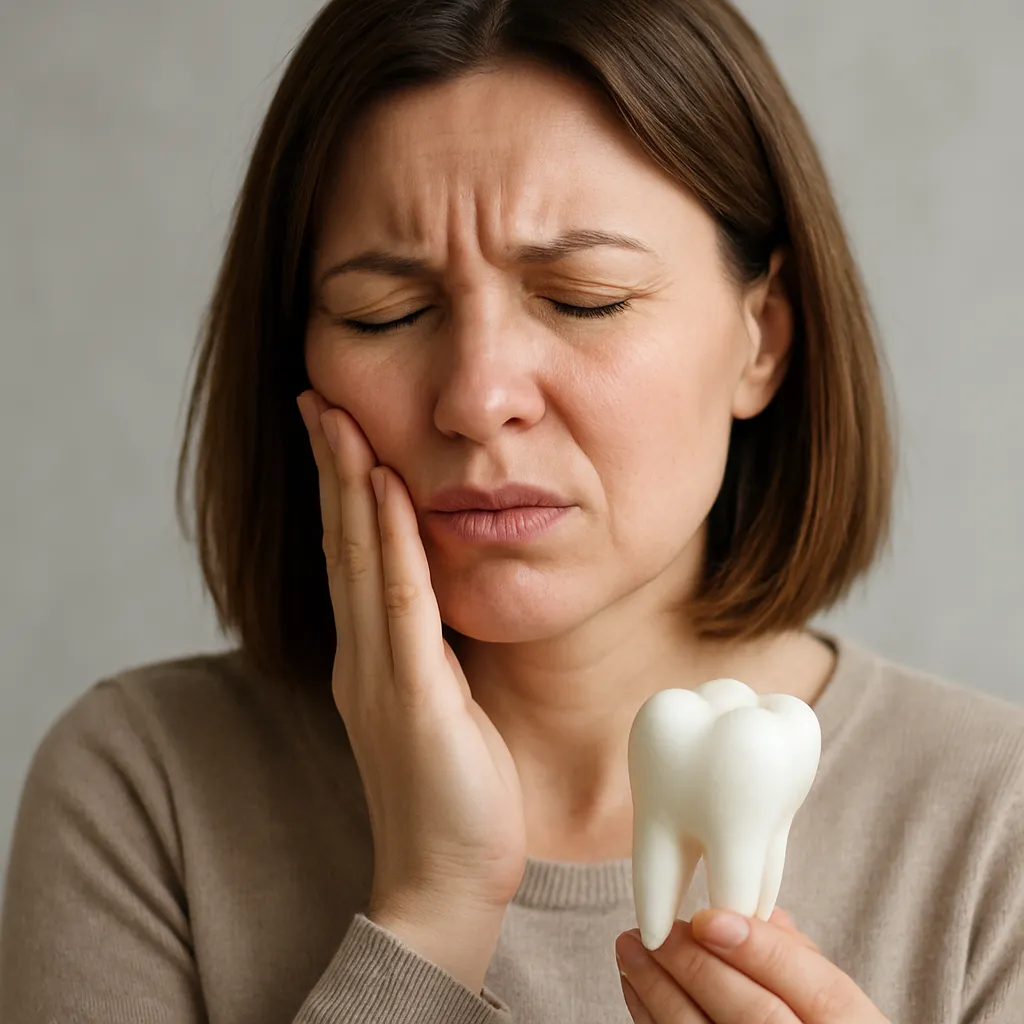
Many individuals experience sudden discomfort when enjoying a cold drink or biting into a sweet snack. This sharp, fleeting pain can interrupt daily life and lead to chronic avoidance of favorite foods. Yet, **tooth sensitivity** is more than a minor inconvenience—it may signal deeper oral health issues that deserve prompt attention. Understanding the causes, identifying warning signs, and exploring clinical and home-based remedies are essential steps toward lasting relief and a healthier smile.
Understanding Tooth Sensitivity
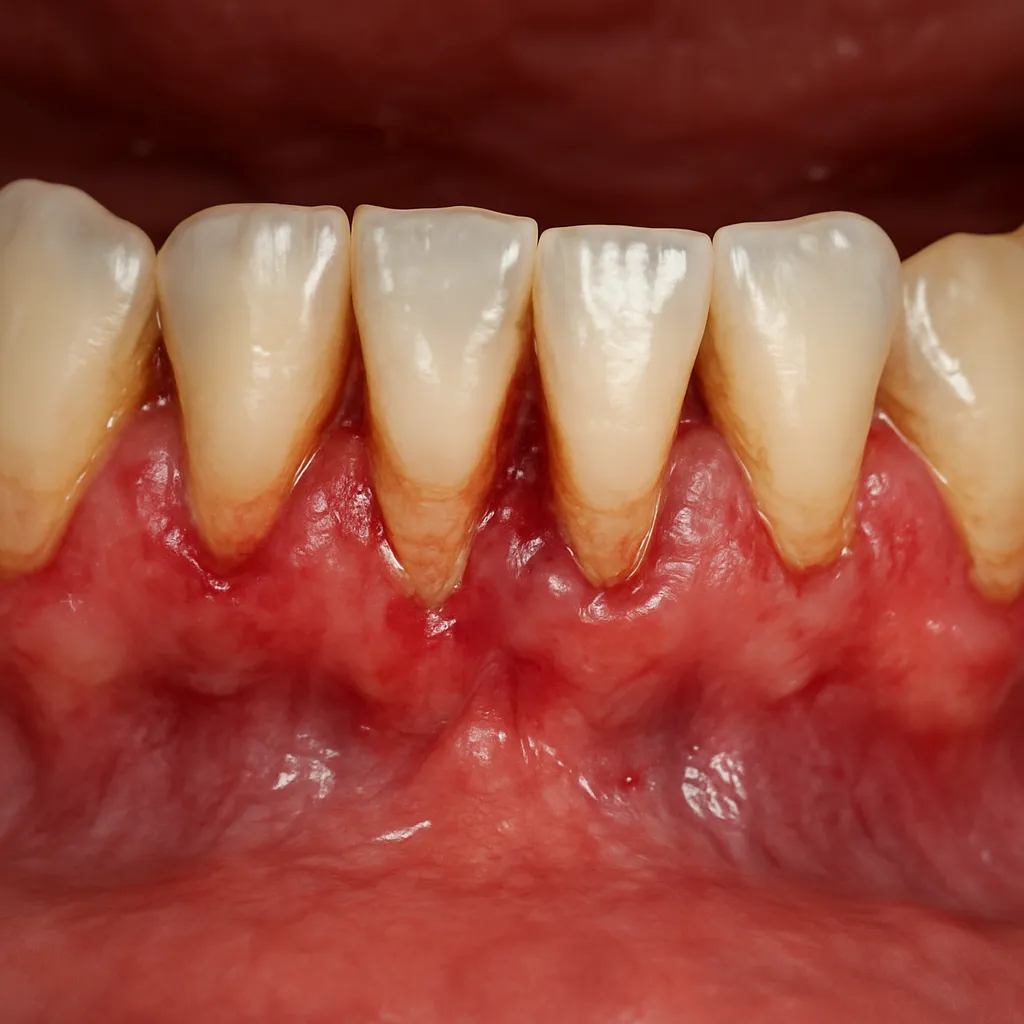
Tooth sensitivity occurs when the protective outer layer of a tooth, known as the enamel, becomes compromised. Beneath this hard shell lies the dentin, which contains microscopic channels called dentinal tubules. When enamel wears away or gums recede, external stimuli—hot, cold, sweet or acidic—reach the nerve endings in the dentin, triggering pain. Although occasional sensitivity is common, persistent or escalating discomfort warns of progressive damage. Ignoring these early signals can lead to more severe issues such as cavities, infections, or even loss of the tooth.
- Enamel erosion from acidic foods, beverages, or gastric reflux.
- Gum recession exposing root surfaces due to aggressive brushing or periodontal disease.
- Teeth grinding (bruxism) causing microfractures in enamel.
- Defective dental fillings or crowns allowing stimuli to penetrate.
- Whitening treatments or professional cleanings that irritate sensitive teeth.
Common Triggers and Warning Signs
Identifying what aggravates your sensitivity is key to tailoring effective remedies. Typical triggers include:
- Cold beverages like iced coffee or ice cream.
- Hot foods and drinks such as coffee, tea, or soup.
- Sugary or acidic foods, including candies, citrus fruits, and sodas.
- Cold air exposure while breathing through the mouth.
- Touching the gum line or exposed root areas during brushing.
If sensitivity arises only occasionally, you may manage it with over-the-counter solutions. However, frequent episodes, throbbing pain, or discomfort persisting beyond 30 seconds indicate the need for a professional evaluation. Early diagnosis can prevent complications like pulpitis, infections, and abscess formation.
Effective Diagnosis and Professional Treatment
A comprehensive dental examination includes visual inspection, gentle tapping, and thermal or electrical tests to pinpoint the source of sensitivity. Digital X-rays reveal underlying decay, fractures, or bone loss. Once the problem is identified, your dentist may recommend one or more interventions:
- Application of a fluoride varnish or gel to strengthen enamel and dentin, enhancing their resistance to stimuli.
- Placement of bonding resin to seal exposed dentinal tubules and protect the nerve endings.
- Prescription of occlusal guards for patients who grind or clench their teeth, preventing further enamel wear.
- Root canal therapy when sensitivity is caused by irreversible pulp inflammation.
- Gum grafts to cover exposed roots in severe cases of gingival recession.
At-Home Care vs. Professional Care
While simple at-home strategies offer quick relief, they complement rather than replace clinical treatments. Over-the-counter desensitizing rinses and toothpastes containing potassium nitrate or stannous fluoride block pain signals along the nerve pathways. Yet, if enamel loss or recession continues unchecked, professional care provides durable solutions. Combining home and office-based methods ensures the highest chance of success.
Daily Habits and Preventive Measures
Long-term relief from tooth sensitivity depends on embracing protective habits. Consider the following guidelines:
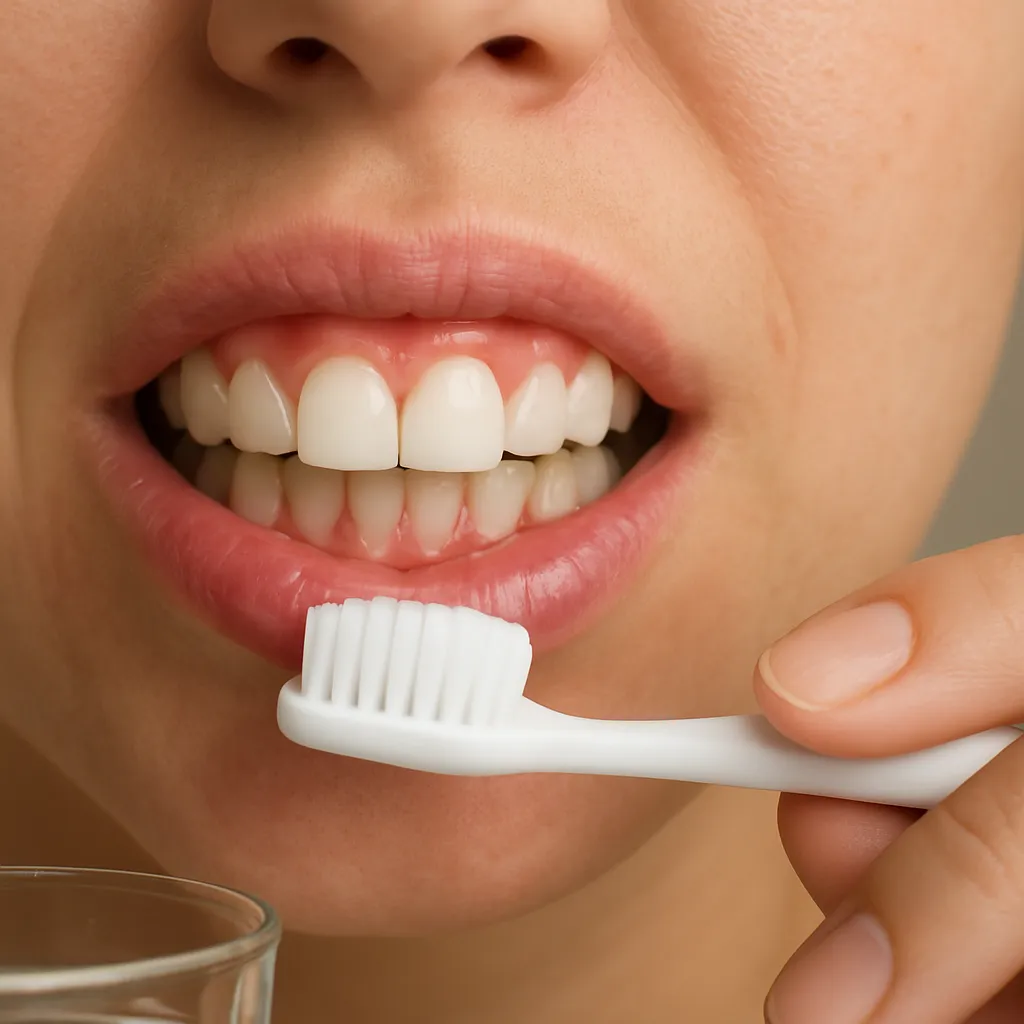
- Brush twice daily with a soft-bristled toothbrush, using gentle circular motions to avoid further enamel abrasion.
- Choose a toothpaste labeled for sensitive teeth, specifically a desensitizing toothpaste formula enriched with nano-hydroxyapatite or other remineralizing agents.
- Floss daily to reduce plaque buildup near the gum line, where bacteria can aggravate sensitivity.
- Avoid excessive consumption of acidic foods and drinks, or rinse with water immediately after indulging to neutralize acids.
- Implement a nighttime mouth guard if you suffer from bruxism, preventing enamel fractures and root exposure.
- Visit your dentist biannually for professional cleanings and fluoride treatments, reinforcing enamel integrity.
Adjunctive Therapies and Lifestyle Adjustments
In addition to conventional treatments, several adjunctive therapies can alleviate symptoms and support oral health:
- Topical application of remineralizing gels that contain calcium and phosphate.
- Laser therapy administered in the dental office to seal dentinal tubules.
- Use of medicated mouth rinses containing chlorhexidine or fluoride for enhanced protection.
- Dietary modifications focusing on calcium-rich foods like yogurt and cheese to support enamel repair.
When pain arises, avoid immediate reliance on over-the-counter analgesics. Instead, schedule a dental appointment to address the root cause. Temporary relief without proper treatment can mask serious conditions, leading to irreversible damage.
The Path to Lasting Comfort
Tooth sensitivity need not dictate your dietary choices or daily habits. Through timely intervention, accurate diagnosis, and a combination of professional and home-based protocols, you can reclaim a pain-free smile. Commitment to regular preventive care, mindful oral hygiene practices, and protective lifestyle changes ensures that sensitivity becomes a manageable issue rather than a lingering nuisance. Embrace these strategies to strengthen your enamel, soothe exposed dentin, and enjoy every meal without hesitation.