Understanding the intricate link between emotional strain and oral health is crucial for both patients and dental professionals. As stress levels rise, many individuals experience discomfort in their jaw muscles, sometimes progressing to chronic pain. This article explores how psychological factors translate into physical symptoms around the temporomandibular joint (TMJ), examines typical signs and diagnostic approaches, and outlines practical strategies for relief and professional interventions.
Understanding the Stress–Jaw Connection
Physiological Response to Stress
When the body encounters stress, it triggers a cascade of reactions controlled by the sympathetic nervous system. The fight-or-flight response releases hormones like adrenaline and cortisol, leading to elevated heart rate, increased blood pressure, and heightened muscle activity. In many cases, this manifests as muscle tension around the shoulders, neck, and notably, the jaw.
Jaw Muscles and Clenching Forces
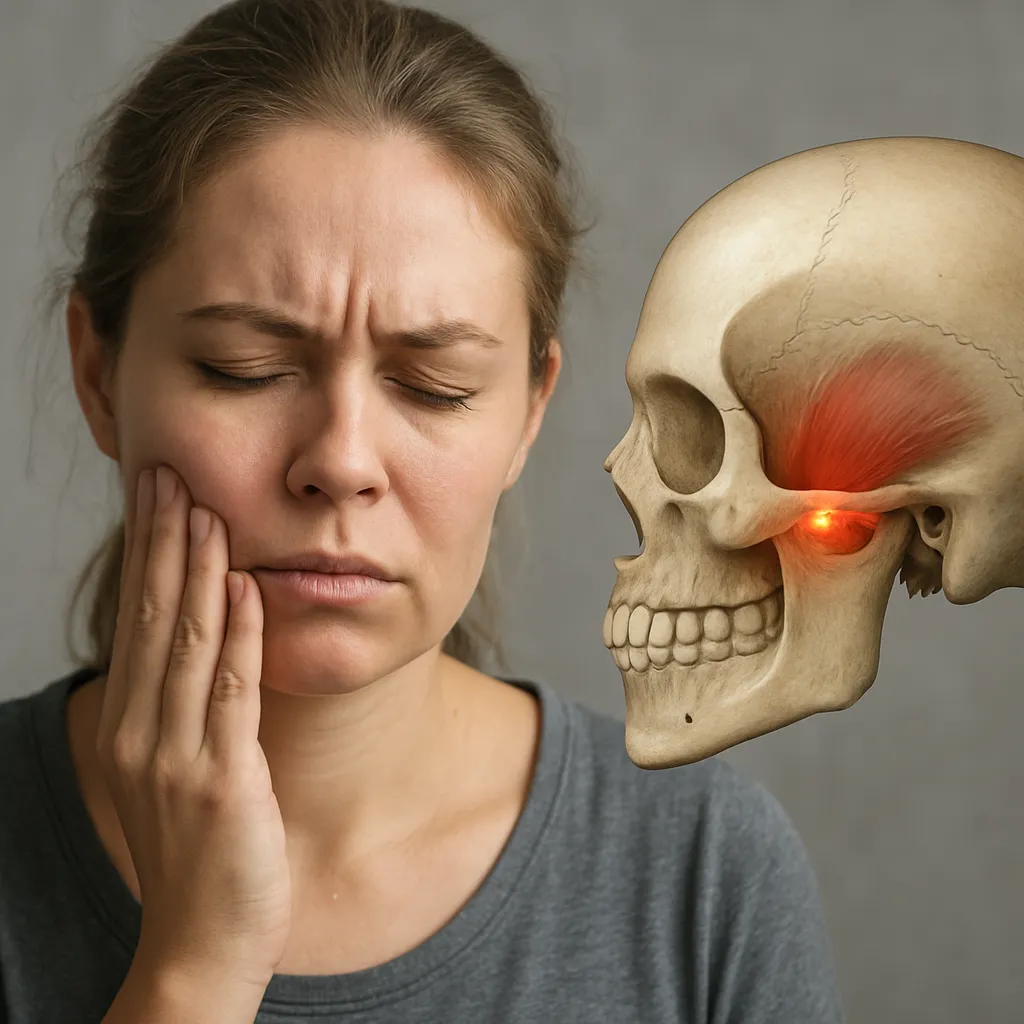
The masseter and temporalis muscles play a central role in chewing, speaking, and swallowing. Under stress, people often unconsciously clench or grind their teeth (bruxism), exerting up to 200 pounds of force per square inch on the dental arches. Over time, this repetitive strain can wear down enamel, infl ame muscle fibers, and irritate the TMJ, resulting in persistent discomfort or pain.
Progression to TMJ Disorders
Temporomandibular joint dysfunction encompasses various conditions affecting the joint, adjacent muscles, and related structures. When stress-induced tension is left unchecked, it may alter the alignment and movement of the joint’s articular disc, leading to inflammation, crepitus (clicking), and restricted jaw mobility. Such TMJ disorders frequently present with headaches, earaches, and facial pain, complicating daily activities like eating and speaking.
Common Symptoms and Diagnosis
Identifying Key Symptoms
- Jaw pain or tenderness, often worse upon waking due to overnight grinding.
- Audible clicking, popping, or grating sounds during jaw movement.
- Limited range of motion, such as difficulty opening the mouth wide.
- Referred pain to the ears, temples, or neck.
- Persistent headaches or migraines linked to muscle overactivity.
Diagnostic Tools and Techniques
A comprehensive evaluation begins with a detailed medical and dental history, focusing on stress levels, sleep patterns, and parafunctional habits. Clinical examination includes palpation of the masseter and temporalis muscles for tenderness, assessment of jaw range of motion, and auscultation for joint sounds.
Advanced imaging may be recommended in complex cases:
- Panoramic radiographs to rule out bony abnormalities.
- Magnetic resonance imaging (MRI) for soft tissue evaluation and disc displacement.
- Computed tomography (CT) scans for detailed joint architecture analysis.
Strategies for Prevention and Management
Behavioral and Lifestyle Modifications
- Develop consistent sleep routines to minimize nighttime bruxism.
- Practice relaxation techniques such as deep breathing, progressive muscle relaxation, or guided imagery to lower overall anxiety.
- Maintain ergonomic postures at work to prevent neck and shoulder tension that can radiate to the jaw.
- Monitor jaw position: keep lips together, teeth slightly apart, and tongue resting lightly on the roof of the mouth.
- Limit caffeine and alcohol intake, as both can exacerbate muscle irritation and sleep disturbances.
At-Home Therapeutic Exercises
Gentle stretching and strengthening of jaw muscles can restore balance and reduce strain. Recommended exercises include:
- Controlled mouth opening: insert two fingers between teeth and slowly open, hold for 5 seconds, then close.
- Chin tucks: align head over spine and gently retract chin to lengthen the back of the neck.
- Resisted jaw movements: use your hand to apply light pressure while opening, closing, and moving the jaw side to side.
Adjunctive Self-Care Approaches
- Cold or warm compresses: apply alternately to relieve muscle soreness and enhance circulation.
- Over-the-counter analgesics or NSAIDs for short-term pain management.
- Mindfulness meditation to cultivate awareness of stress triggers and habitual jaw clenching.
- Biofeedback devices that monitor muscle activity and alert users when tension rises.
Professional Treatment Options
Occlusal Splints and Night Guards
Custom-fit occlusal splints provide a protective barrier between the teeth, reducing damage from bruxism and redistributing occlusal forces. These appliances, worn at night or during high-stress periods, help relax the jaw muscles and prevent disc displacement.
Physical Therapy and Manual Techniques
Qualified physical therapists specialized in orofacial pain can employ myofascial release, massage, and stretching protocols to alleviate trigger points. Ultrasound and transcutaneous electrical nerve stimulation (TENS) are also effective in reducing inflammation and muscle spasms.
Cognitive Behavioral Therapy (CBT)
Since stress is a primary precipitant, psychological interventions like Cognitive Behavioral Therapy can teach coping skills, reframe negative thought patterns, and lessen physiological arousal. Patients learn to identify tension-related behaviors and replace them with healthier responses.
Pharmacological Interventions
- Short courses of muscle relaxants to ease acute spasms.
- Low-dose tricyclic antidepressants for chronic pain modulation.
- Anti-inflammatory agents guided by a physician’s evaluation.
When to Refer to a Specialist
Persistent or worsening symptoms despite conservative care warrant referral to an oral and maxillofacial specialist or a TMJ-focused practitioner. Advanced interventions may include arthrocentesis, corticosteroid injections, or, in rare cases, surgical correction of joint structures.