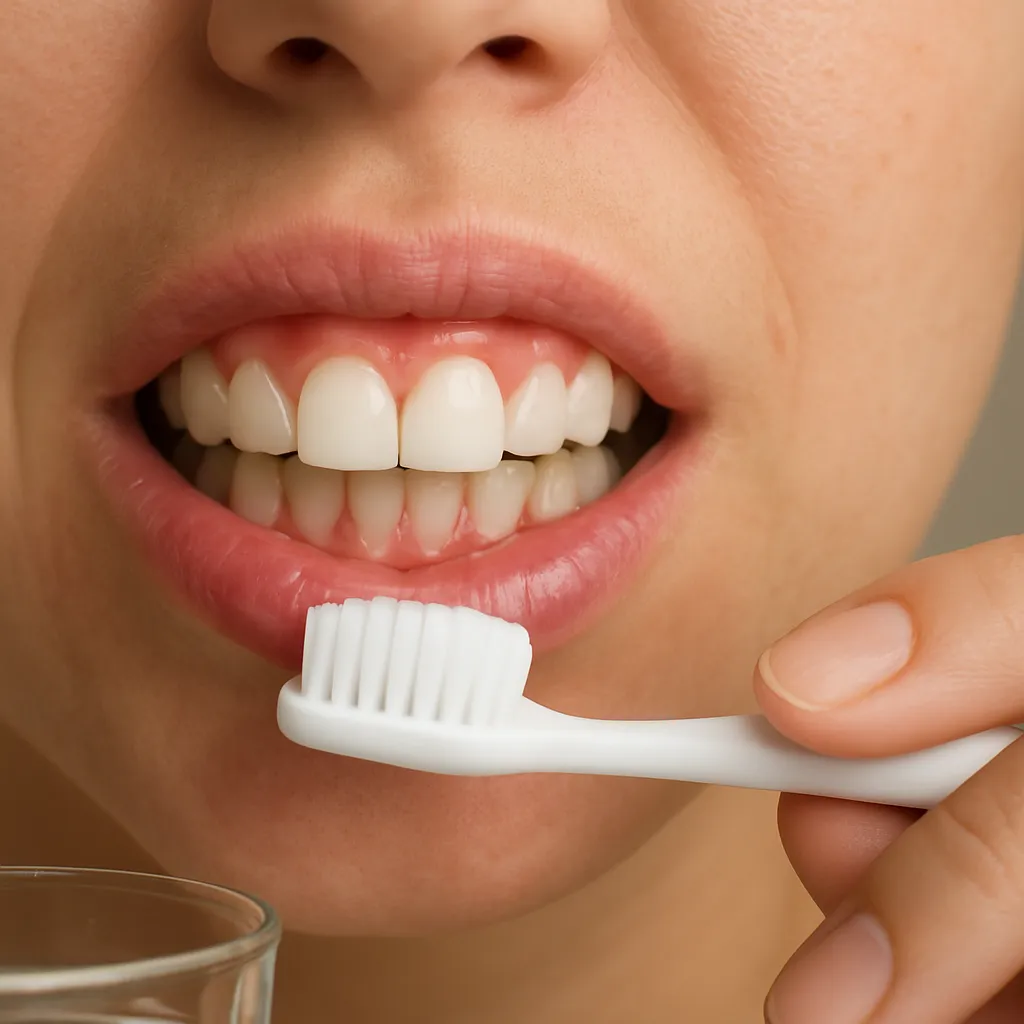
Preparing a young child for their inaugural dental appointment can transform nerves into enthusiasm and lay the groundwork for a lifetime of positive oral habits. By understanding the key steps—ranging from selecting a caring professional to fostering open dialogue—you’ll bolster your child’s confidence and ease any anxieties before they even step into the clinic.
Understanding the Importance of Early Dental Care
Starting dental visits as soon as the first tooth appears plays a crucial role in safeguarding your child’s developing smile. Establishing preventive habits during early years not only combats cavities but also teaches youngsters how to treat their mouth with respect and attention.
Why the first visit matters
That initial checkup sets the tone for future visits. A warm, gentle introduction helps build trust between the patient and the dental team. When a child associates the dental office with friendly faces and fun tools—rather than drills and discomfort—they’re more inclined to return willingly.
Benefits of a preventive approach
- Enhanced oral health through early detection of potential issues.
- Reduced dental anxiety by creating a positive, supportive atmosphere.
- Better development of proper chewing and speech skills.
- Opportunities to learn healthy eating and brushing habits from the start.
Choosing the Right Pediatric Dentist
Not every dental office is equipped to serve children, whose fears and needs differ from adults. A qualified pediatric dentist offers specialized training, lively decor, and a staff skilled in engaging young minds. Seek out practices that emphasize fun, interactive experiences—complete with colorful chairs, stickers, and age-appropriate illustrations.
Questions to consider
- Does the clinic focus on creating a reassuring environment?
- Are educational materials, such as toothbrushing charts or character-driven books, readily available?
- Do the dentists and hygienists exhibit patience and enthusiasm when interacting with children?
- Is the office layout safe, clean, and welcoming for both kids and parents?
Preparing Your Child Emotionally
Your attitude towards dentistry heavily influences your child’s perception. If you approach the subject with calm excitement and genuine enthusiasm, your child is more likely to mirror that positive outlook.
Open Communication
Engage in age-appropriate conversations about why dental visits are beneficial. Avoid words like “pain” or “shot.” Instead, describe the experience as an opportunity to have the dentist count, clean, and polish their teeth—much like getting a superhero inspection for a winning smile.
Role-Playing and Storytelling
- Host a “dentist clinic” at home using a toothbrush and a doll or stuffed animal.
- Read picture books that depict friendly dental visits and compassionate dentists.
- Encourage your child to “play dentist” on you, fostering a sense of exploration and cooperation.
Practical Tips for the Appointment Day
Attention to small details can greatly enhance a smooth experience. Plan ahead to minimize waiting times and ensure a calm start.
Selecting the Best Time
If possible, book the appointment when your child is most rested and focused—often mid-morning. Avoid scheduling at naptime or around mealtimes to keep irritability at bay.
What to Bring
- A favorite toy or blanket for comfort.
- Insurance information and any relevant medical history.
- Proof of vaccinations, if requested by the practice.
- Healthy snacks for afterward, especially if the wait runs long.
During the Visit
Once inside, the dental team will introduce themselves and demonstrate their tools—mirrors, toothbrushes, and gentle suction devices. Encourage your child to ask questions. Praise their willingness to sit still and open wide. Reinforce their bravery with words like, “You’re doing a great job,” to build further confidence.
- Allow the hygienist to show each tool’s function on a mirror or even on your finger first.
- Sing a familiar song to help your child relax during cleaning.
- Offer small rewards—stickers or a high-five—to celebrate cooperation.
Follow-Up and Ongoing Oral Care
After the appointment, maintain the momentum with consistent home care. Establishing a daily routine encourages lifelong habits. Two minutes of brushing twice a day, supervised by an adult, ensures that primary teeth stay strong until they naturally fall out.
Building Consistency
- Use a colorful chart or app to track brushing progress.
- Incorporate fun, flavored toothpaste approved for children.
- Floss or use interdental brushes once the teeth start to touch.
- Schedule regular visits every six months for ongoing monitoring.
Nurturing Healthy Habits
Balanced nutrition also contributes to dental strength. Limit sugary snacks, offer water instead of soda, and provide raw vegetables for natural cleaning action. Reinforce that taking care of our teeth is part of a holistic approach to overall health and growth.
Encouraging Future Visits
Create excitement for the next checkup by reflecting on positive memories from the first visit. Ask your child what they enjoyed most—the mirror that lights up, the friendly dentist, or the sticker they chose. This communication builds anticipation, turning future dental appointments into another chance for praise and learning.