Maintaining a healthy mouth goes beyond a bright smile—it lays the groundwork for efficient digestion and overall well-being. The complex interactions between teeth, gums, saliva, and the oral microbiome influence how food is processed, how nutrients are absorbed, and even how the body defends itself against pathogens. This article explores the critical links between saliva, enzymes, chewing mechanics, and gastrointestinal health, offering insight for both dental professionals and health-conscious readers.
The Role of the Oral Microbiome and Saliva in Digestion
The mouth hosts hundreds of bacterial species, collectively known as the oral microbiome. These microorganisms contribute to the first stage of digestion by initiating the breakdown of food particles. When balanced, they aid in absorption and help maintain a protective barrier against harmful invaders. However, dysbiosis—an imbalance in the microbial community—can trigger inflammation and dental disease, affecting downstream digestive processes.
Composition and Function of Saliva
- Salivary glands produce approximately 1–1.5 liters of saliva daily.
- Contains water, electrolytes, mucins, and enzymes such as amylase and lipase.
- Helps form the food bolus, protecting oral tissues and initiating starch and fat digestion.
Saliva’s buffering capacity neutralizes acids, protecting teeth enamel and fostering an environment where beneficial bacteria thrive. A deficiency in salivary flow—known as xerostomia—can increase the risk of cavities, periodontal issues, and even hinder initial digestion steps.
Oral Bacteria and Enzyme Activity
Certain bacterial strains produce enzymes that complement human salivary amylase, further breaking down complex carbohydrates. For example, Streptococcus species can ferment sugars into acids, which, if uncontrolled, weaken enamel. Conversely, beneficial commensals help maintain pH balance, preventing harmful acid spikes. This delicate ecosystem establishes the chemical conditions necessary for efficient nutrient breakdown before food reaches the stomach.
Chewing Efficiency and Mechanical Breakdown of Food
Proper mastication is the mechanical prelude to chemical digestion. Effective chewing reduces food into particles small enough for enzymatic action and efficient absorption in the intestines. Dental practitioners often emphasize the value of occlusion, alignment, and restoration work to preserve maximal chewing efficiency.
The Dynamics of Mastication
- Each food type—whether fibrous vegetables, proteins, or grains—requires distinct force patterns and timing of jaw movement.
- Teeth contact patterns influence how thoroughly food is broken down; worn or missing teeth can lead to larger particle sizes and slower gastric emptying.
- Neuromuscular coordination between the masseter, temporalis, and pterygoid muscles ensures efficient bolus formation.
Evidence indicates that poorly chewed food increases the workload on the stomach and small intestine, often leading to bloating, discomfort, or nutrient malabsorption. Dental conditions such as malocclusion, bruxism, and missing molars compromise the digestion cascade from the start.
Implications for Nutrient Uptake
Inadequate mastication can affect the bioavailability of key nutrients. Proteins shield vital amino acids in large clumps, reducing exposure to pepsin in the stomach. High-fiber foods, when not adequately broken down, can pass through the gastrointestinal tract largely intact, limiting the release of beneficial micronutrients and phytonutrients.
Oral Diseases and Their Impact on Gastrointestinal Health
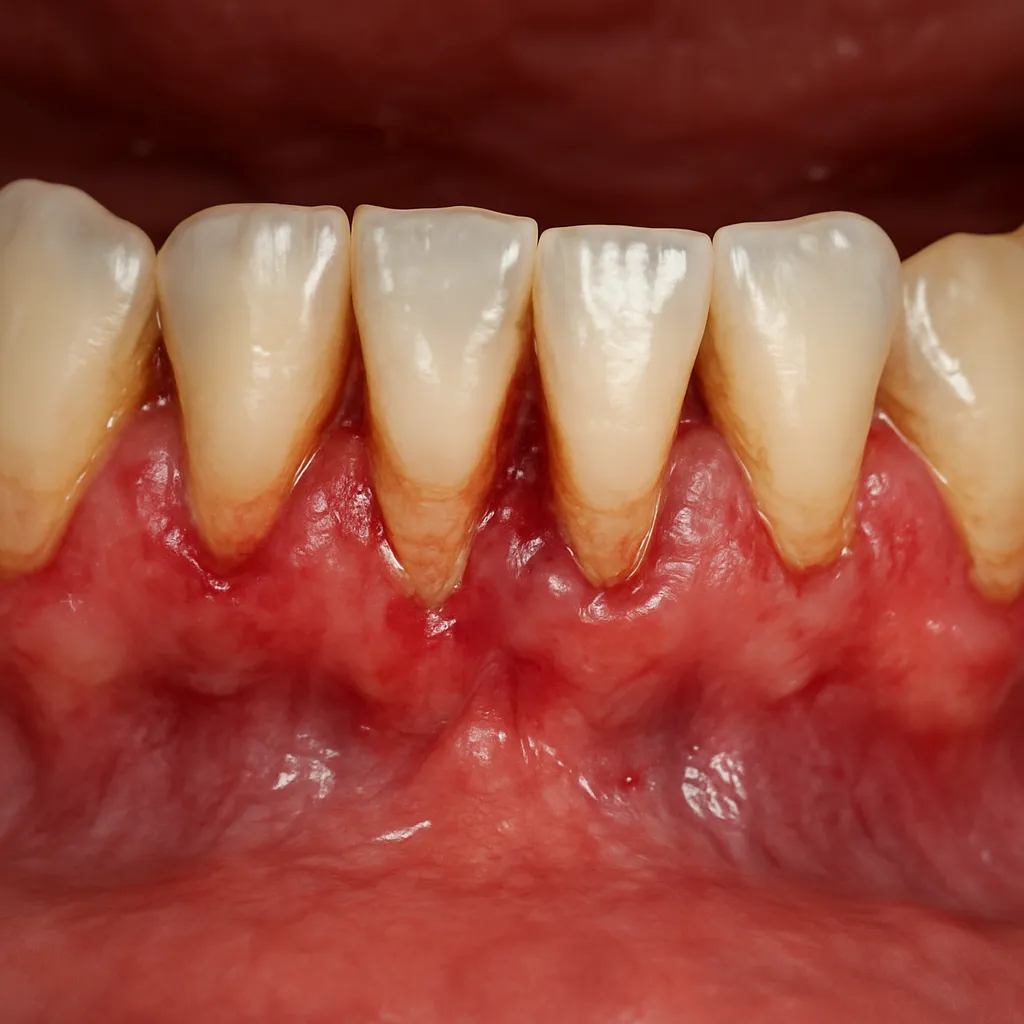
Emerging research reveals that chronic oral conditions—such as periodontitis, gingivitis, and dental caries—are linked to systemic ailments, including inflammatory bowel disease (IBD), liver disorders, and even certain cancers. Oral inflammation creates a reservoir of pro-inflammatory mediators that can reach the gut via saliva or blood circulation.
Periodontal Pathogens and Systemic Inflammation
- Porphyromonas gingivalis and Fusobacterium nucleatum are often found in inflamed periodontal pockets and correspond to higher inflammatory markers in the intestine.
- These pathogens can travel beyond the oral cavity, contributing to gut dysbiosis and barrier dysfunction.
- Systemic dissemination of cytokines may exacerbate conditions such as ulcerative colitis and Crohn’s disease.
Studies show that patients with advanced gum disease have altered gut microbiota profiles, characterized by reduced diversity and an overgrowth of opportunistic bacteria. This dysbiosis correlates with gastrointestinal symptoms, including pain, diarrhea, and malabsorption.
Oral-Gut Axis: Mechanisms and Clinical Observations
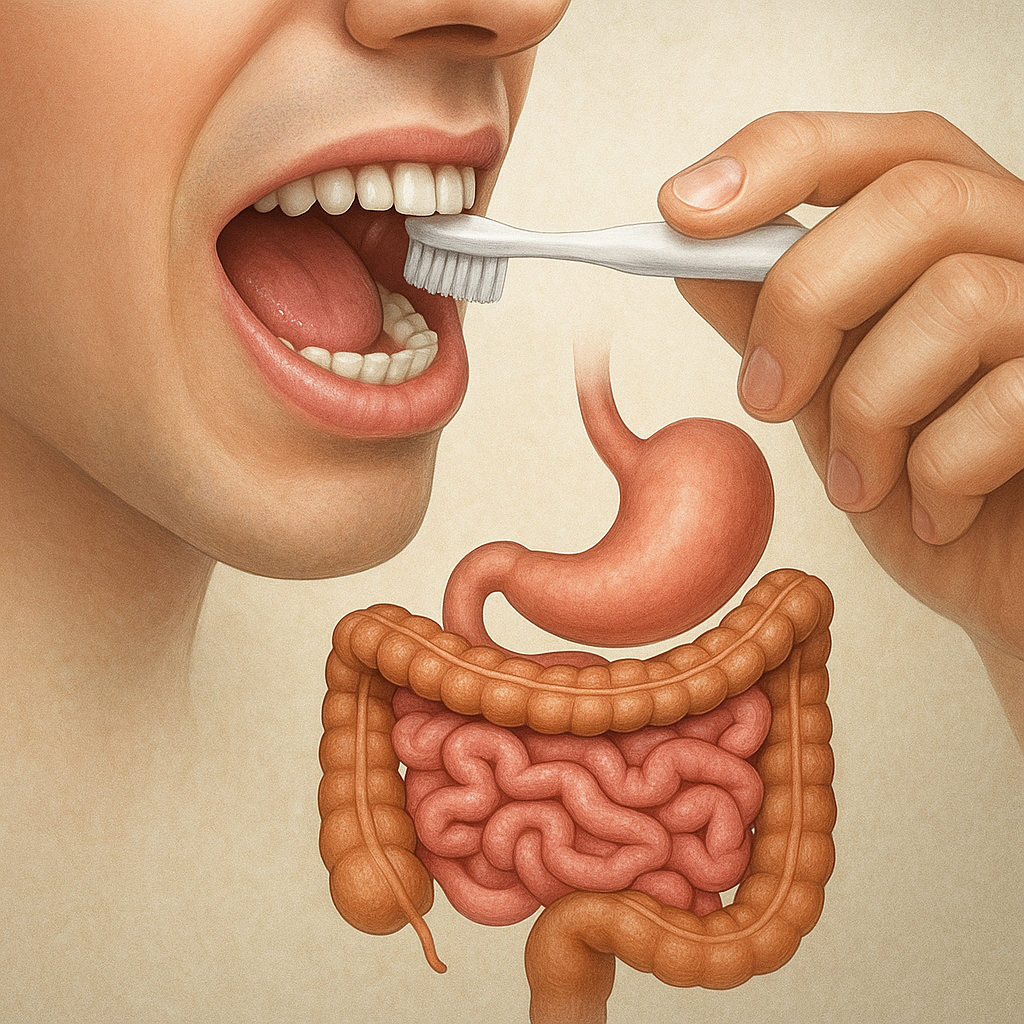
The concept of the oral-gut axis highlights bidirectional communication: oral health influences gut homeostasis, and gut conditions may also manifest orally. For instance, nutritional deficiencies from malabsorption can lead to enamel hypoplasia, mucosal lesions, and taste alterations. Dental professionals are therefore in a unique position to spot early signs of systemic disease during routine examinations.
Preventive Strategies and Tips for Practitioners and Patients
Dental teams and patients can collaborate to safeguard both oral and digestive health. Early intervention, patient education, and targeted therapies ensure that the mouth functions optimally as the portal to the digestive tract.
Oral Hygiene Protocols
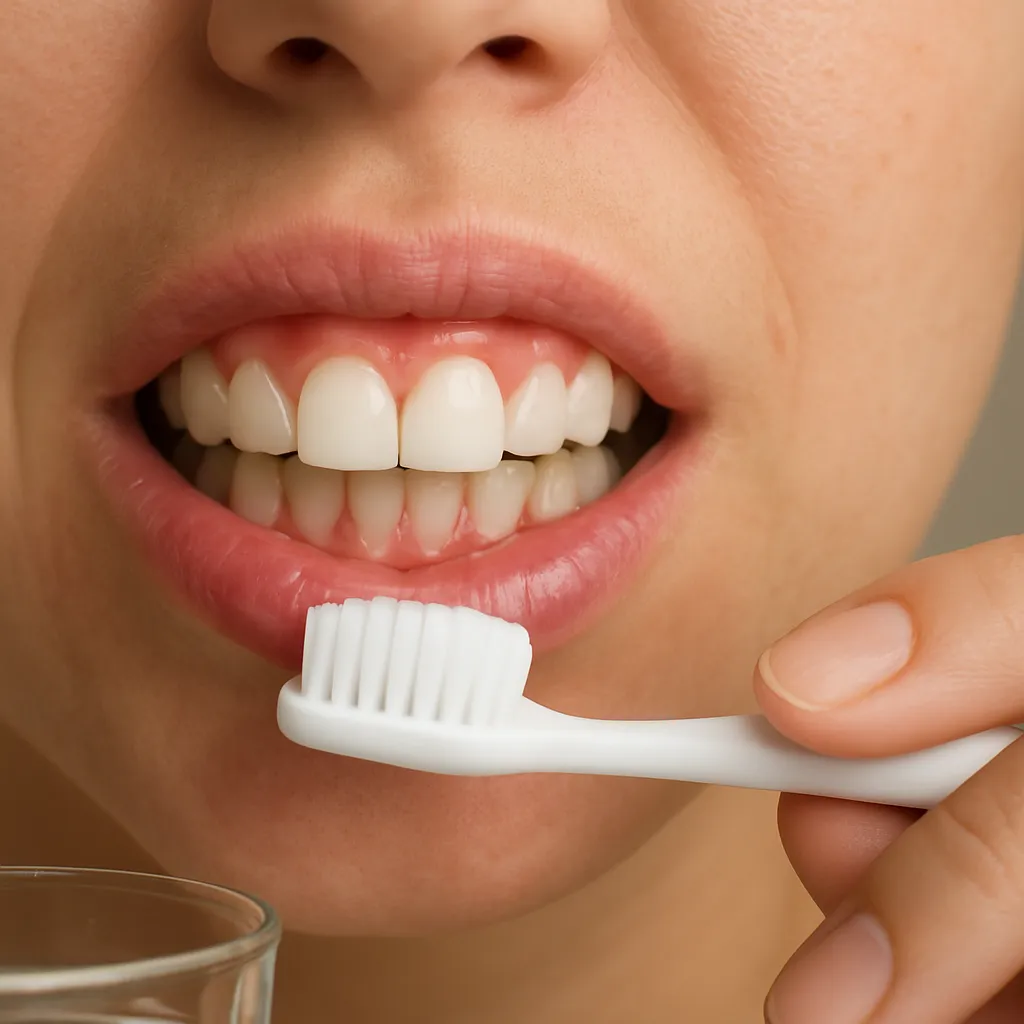
- Brush twice daily with fluoride toothpaste to disrupt bacterial biofilms.
- Use interdental brushes or floss to remove plaque in areas where saliva flow is limited.
- Consider antimicrobial mouth rinses in cases of high caries risk or gingivitis.
Nutrition and Lifestyle Recommendations
- Encourage a diet rich in fibrous fruits and vegetables to stimulate natural saliva production and mechanical cleaning.
- Limit sugar and acidic beverages to prevent enamel erosion and bacterial overgrowth.
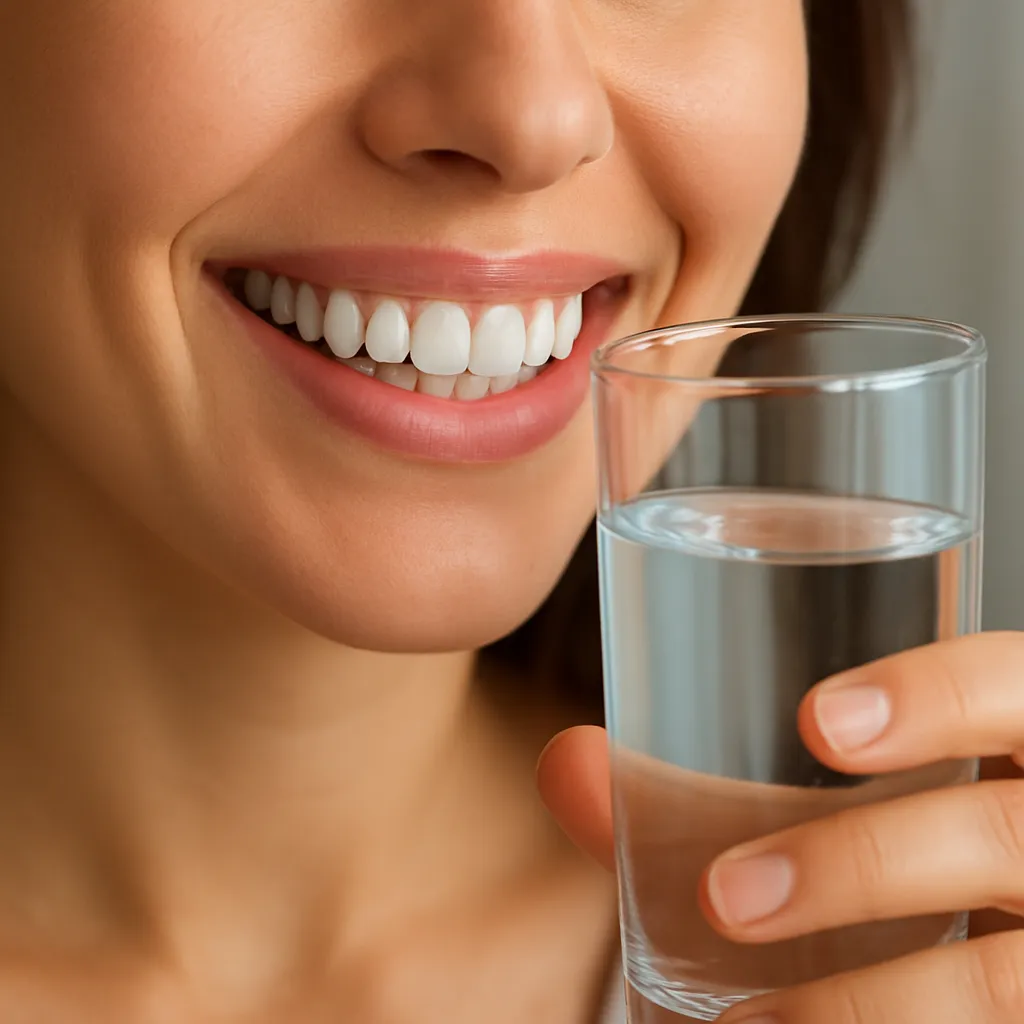
- Promote adequate hydration for optimal salivary function.
Professional Interventions
- Regular dental check-ups enable early detection of enamel wear, caries, and soft tissue changes.
- Occlusal adjustment or prosthetic rehabilitation can restore chewing efficiency.
- Collaborate with physicians and gastroenterologists when systemic links are suspected, ensuring a multidisciplinary approach to patient care.
By recognizing the interplay between oral structures, microbial communities, and digestive processes, dental professionals can elevate their role in promoting systemic health. A functional mouth not only enhances aesthetics and comfort but also fosters efficient nutrient extraction and a balanced gastrointestinal ecosystem.