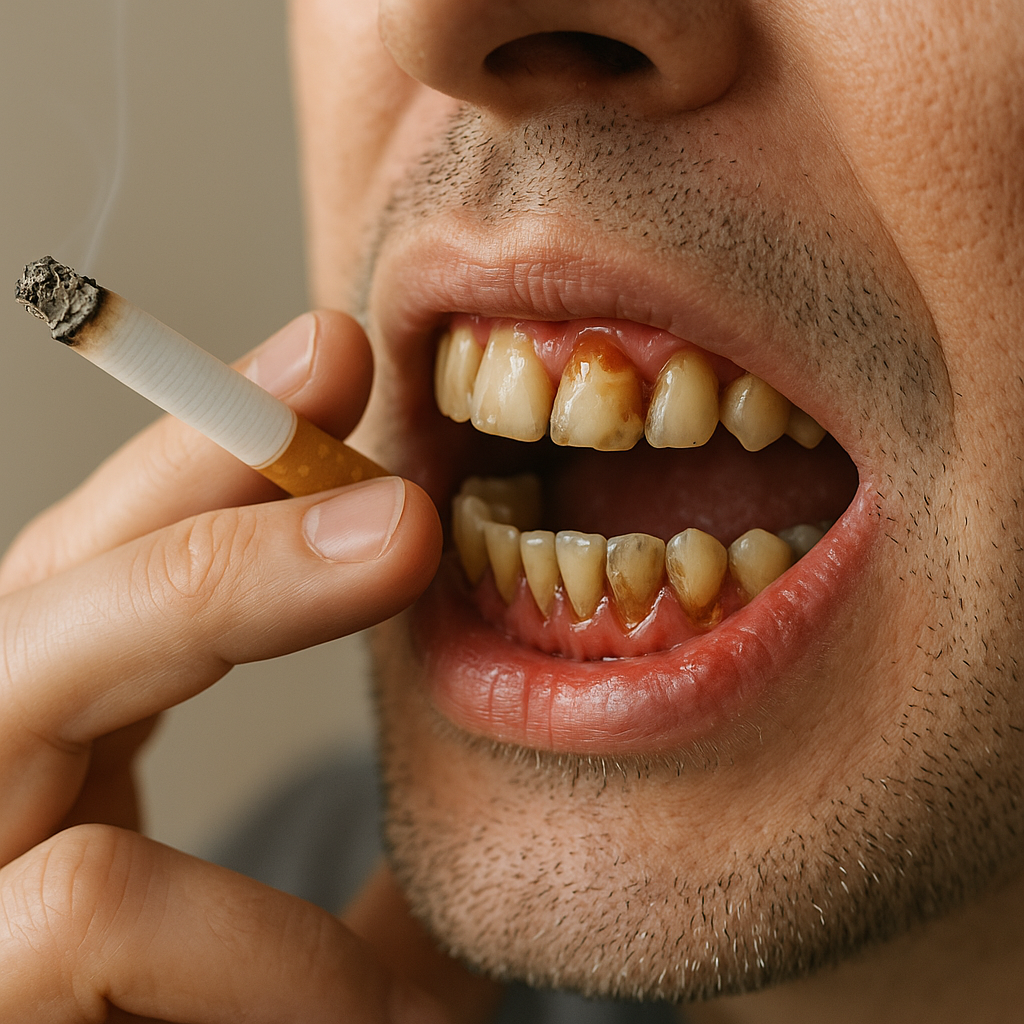
Smoking remains a pervasive habit that significantly compromises oral health, often presenting challenges for both patients and dental professionals. The detrimental effects extend beyond stained teeth, influencing soft tissues, overall oral function, and long-term treatment outcomes. This article explores the multifaceted impact of tobacco use on the mouth and highlights evidence-based strategies employed by dentists to mitigate these risks.
Etiology of Tobacco-Related Oral Damage
Regular exposure to tobacco smoke introduces a complex mixture of over 7,000 chemicals into the oral cavity, including numerous carcinogens. These substances disrupt the delicate balance of the oral environment, reducing salivary flow and impairing mucosal defenses. Chronic inhalation or mastication of tobacco products accelerates the accumulation of plaque and tartar, both of which serve as reservoirs for harmful bacteria. In addition, compounds such as polycyclic aromatic hydrocarbons and nitrosamines promote oxidative stress in gingival tissues, setting the stage for inflammatory processes and cellular mutations.
Moreover, the vasoconstrictive action of nicotine diminishes blood supply to the periodontium, effectively masking early symptoms of tissue breakdown. This impaired circulation delays wound healing and complicates professional interventions such as periodontal therapy and surgical procedures. The combination of bacterial colonization, reduced immune response, and impaired tissue repair mechanisms makes smokers particularly vulnerable to severe oral pathologies.
Oral Manifestations Observed by Dentists
Dental practitioners frequently encounter a spectrum of clinical signs that correlate with the duration and intensity of tobacco use. Common findings include:
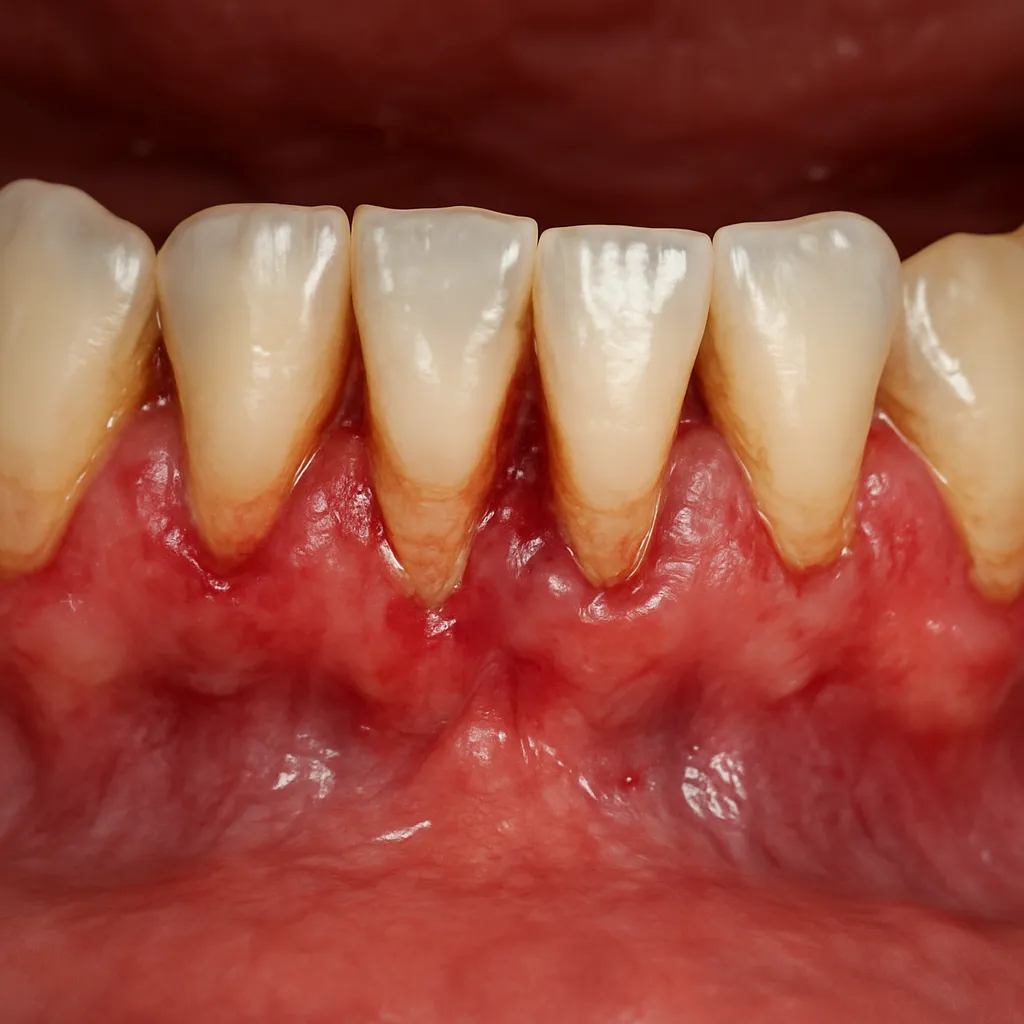
- Gum recession: The apical migration of gingival margins exposes root surfaces, increasing sensitivity and caries risk.
- Periodontal disease: Enhanced probing depths, bone loss, and eventual tooth mobility are more prevalent among smokers.
- Altered mucosal health: Persistent leukoplakia, erythroplakia, and other premalignant lesions often manifest in habitual tobacco users.
- Oral cancer: Smokers exhibit a markedly higher incidence of squamous cell carcinoma affecting the tongue, floor of the mouth, and oropharynx.
- Implant complications: Smokers demonstrate a higher failure rate of dental implants due to compromised osseointegration.
Soft Tissue Changes
The continuous heat and chemicals from tobacco lead to epithelial alterations such as thickening, keratosis, and disruption of normal cellular turnover. These modifications may remain asymptomatic for extended periods, delaying diagnosis. Dentists must maintain a high index of suspicion and perform thorough soft tissue examinations, including biopsy of suspicious areas.
Hard Tissue Effects
Enamel erosion and increased incidence of tooth decay are also linked to smoking. Reduced saliva production diminishes the natural buffering capacity and mineral replenishment essential for enamel maintenance. As a result, patients may present with extensive restorations or require root canal treatments at a younger age compared to non-smokers.
Diagnostic and Preventive Strategies
Early detection and intervention are crucial. Dentists employ a combination of clinical assessments and adjunctive tools, such as digital imaging, for bone-level evaluation and cytological sampling to rule out dysplastic changes. Routine periodontal charting should be accompanied by detailed photographic records to monitor lesion progression.
- Risk assessment: A comprehensive history-taking protocol identifies smoking frequency, duration, and type of tobacco product used.
- Salivary diagnostics: Analysis of biomarkers like inflammatory cytokines can quantify the patient’s oral disease risk.
- Professional cleaning: More frequent prophylaxis appointments help control biofilm accumulation and reduce bacterial load.
- Fluoride therapies: High-concentration varnishes and prescription gels strengthen enamel and inhibit demineralization.
- Antimicrobial rinses: Chlorhexidine and essential-oil mouth rinses aid in disrupting pathogenic colonies.
It is equally important to tailor preventive regimens to each individual’s needs. Patients with significant attachment loss or heavy tobacco use may benefit from localized drug delivery systems or host-modulating agents to attenuate inflammatory mediators.
Cessation Support and Patient Education
Smoking cessation is the most effective measure to improve oral health outcomes. Dentists play a pivotal role by integrating behavior-change counseling into routine care. Key elements of an effective tobacco cessation program include:
- Personalized counseling: Utilizing motivational interviewing techniques to enhance readiness to quit.
- Pharmacotherapy: Nicotine replacement therapies, bupropion, or varenicline under medical supervision.
- Follow-up visits: Scheduled check-ins to reinforce progress and address relapses.
- Educational materials: Visual aids demonstrating the impact of smoking on oral and systemic health.
- Support networks: Referrals to support groups, quitlines, and online communities.
By fostering a supportive environment and demonstrating empathy, dental teams can significantly increase cessation success rates. Regular reinforcement of positive behavioral changes and recognition of milestones further motivate patients to remain tobacco-free.
Advanced Therapeutic Interventions
For patients presenting with advanced periodontal destruction or oral cancer, multidisciplinary collaboration is essential. Periodontists, oral surgeons, oncologists, and prosthodontists must coordinate treatment plans that may include surgical debridement, reconstruction, and rehabilitation with prosthetic devices.
Laser therapy has emerged as a valuable adjunctive modality for managing precancerous lesions and enhancing soft tissue healing. Furthermore, tissue engineering approaches, such as growth-factor–enriched membranes, are under investigation to improve outcomes in smokers who require grafting procedures.
Conclusion
Understanding the profound effects of smoking on the mouth empowers dental professionals to deliver targeted care and prevention. Comprehensive risk assessment, early intervention, and robust cessation support form the cornerstone of mitigating tobacco’s harm. Integrating innovative diagnostics and advanced therapies further enhances the quality of treatment for patients striving to overcome the oral health challenges posed by smoking.