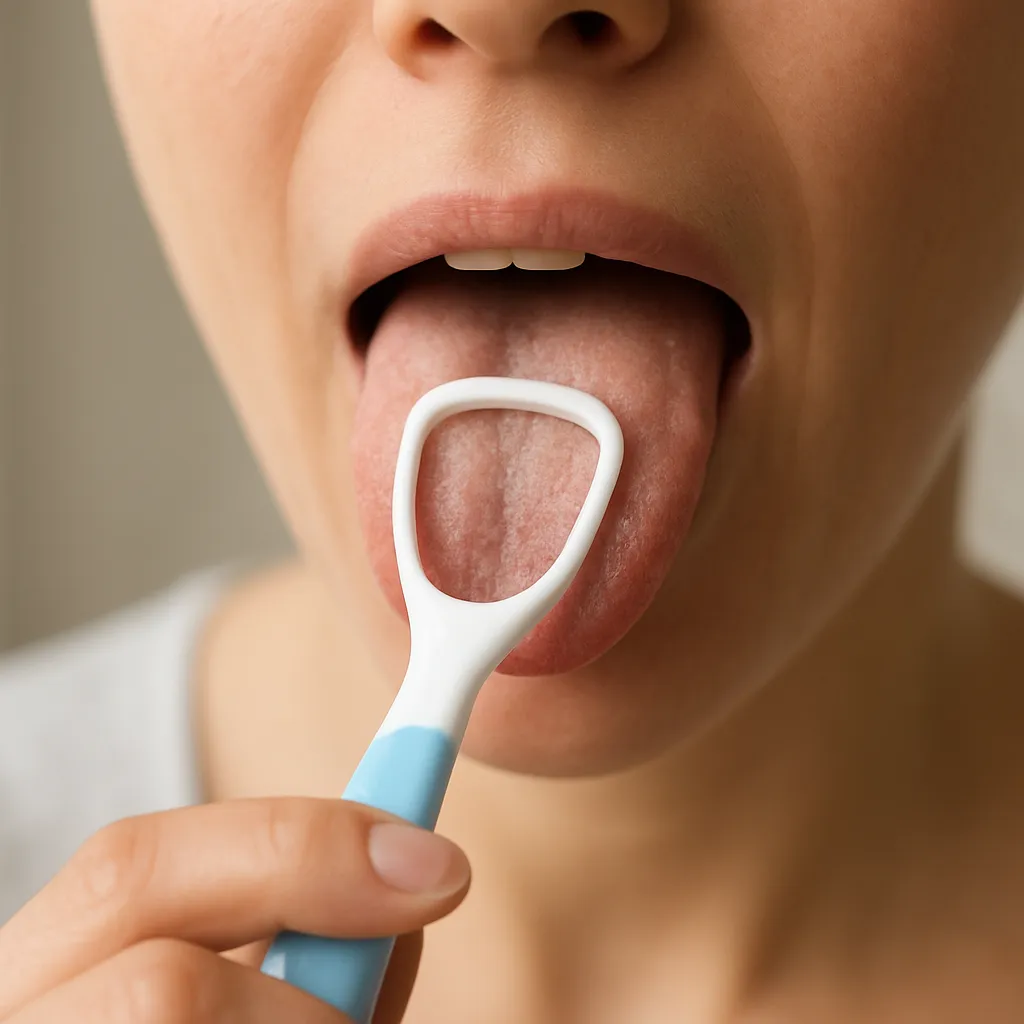
Maintaining optimal oral hygiene requires more than brushing and flossing. Neglecting the tongue can leave behind a reservoir of bacteria and debris that contributes to bad breath, plaque buildup, and even potential health complications. This guide explores the most effective ways to clean your tongue, explains why it is crucial for overall oral health, and offers practical advice recommended by dental professionals.
Why Proper Tongue Cleaning Matters
The surface of the tongue is covered with tiny projections called papillae, which create crevices where food particles and microbes can accumulate. Over time, this accumulation forms a coating that not only harbors bacteria but also impairs taste sensitivity and contributes to unpleasant odors. Here are key reasons why tongue cleaning is essential:
- Reduces Bacterial Load: Regular removal of biofilm on the tongue lowers the risk of gum disease and tooth decay by preventing bacterial migration.
- Improves Breath Quality: Many cases of halitosis originate on the tongue; cleaning helps achieve fresh breath throughout the day.
- Enhances Taste Perception: Clearing debris from the taste buds allows for a fuller appreciation of flavors.
- Promotes Overall Health: Oral bacteria have been linked to systemic conditions such as cardiovascular disease and diabetes, making tongue hygiene a critical component of preventive care.
Effective Tools and Techniques for Tongue Cleaning
Dental professionals recommend a variety of tools and methods to address tongue coating. Each method has its own advantages, so you can choose the one that fits your comfort level and needs.
1. Tongue Scraper
A tongue scraper is specifically designed to remove the sticky layer of bacteria and debris from the tongue’s surface:
- Choose a scraper made of stainless steel or medical-grade plastic to ensure durability and hygiene.
- Extend your tongue gently and place the scraper as far back as comfortably possible.
- Pull the device forward with even pressure to collect residue, then rinse and repeat.
- Perform this action 5–10 times, rinsing the scraper after each pass.
2. Toothbrush Technique
If you don’t have a tongue scraper, a soft-bristled toothbrush can be an effective alternative:
- Use your regular toothbrush or a dedicated tongue-cleaning brush head.
- Brush the tongue gently in a sweeping motion, starting from the back and moving forward.
- Rinse your mouth and toothbrush thoroughly after each session.
3. Antimicrobial Mouthwash
An antimicrobial or antiseptic mouthwash can help reduce surface bacteria when used in conjunction with mechanical cleaning:
- Swish the mouthwash for 30 seconds, making sure it coats the tongue.
- Spit out the solution—do not swallow.
- Use once or twice daily as directed by your dentist.
4. Natural Remedies
Some individuals prefer natural approaches to boost cleaning and freshen breath:
- Rinse with a diluted solution of hydrogen peroxide (1:1 ratio with water) to help whiten and disinfect.
- Chew fresh parsley or mint leaves to neutralize odors naturally.
- Gargle with warm salt water to soothe irritation and loosen particles.
Best Practices and Tips for Consistent Tongue Care
Integrating tongue cleaning into your daily regimen ensures lasting benefits. Here are professional tips and recommendations:
- Establish a Daily Routine: Clean your tongue every morning before or after brushing your teeth to remove overnight buildup.
- Stay Hydrated: Adequate water intake supports saliva production, which naturally helps clean the oral cavity.
- Be Gentle: Excessive force can damage the delicate papillae on your tongue; aim for moderate, even pressure.
- Replace Tools Regularly: Swap out tongue scrapers or brush heads every 3–4 months or sooner if they show wear.
- Monitor Changes: A persistent white or discolored coating may indicate an underlying issue; schedule a check-up with your dentist.
- Combine Methods: For maximum effectiveness, use both a scraper and an antimicrobial rinse.
When to Seek Dental Advice
If you notice persistent tongue pain, unusual discoloration, or a change in texture that does not respond to regular cleaning, consult a dental professional. Conditions such as oral thrush, geographic tongue, and leukoplakia require specialized evaluation and treatment. Early detection and management by a qualified clinician can prevent complications and maintain the integrity of your oral health.
Conclusion
Consistent tongue cleaning is a simple yet powerful habit that enhances breath, taste, and overall hygiene. By selecting the right tool, practicing gentle technique, and consulting your dentist when necessary, you can ensure that your tongue remains a clean, healthy component of your daily oral care routine.


