The interplay between hormonal fluctuations and oral well-being presents a multifaceted challenge for dental practitioners and patients alike. From puberty to menopause and beyond, shifts in endocrine levels can trigger a cascade of effects on gum tissues, salivary flow and the balance of the oral microbiome. Understanding these dynamics enables dentists to tailor preventive strategies and therapeutic interventions for individuals undergoing significant hormonal transitions.
Adolescence and Puberty: A Surge in Oral Risk Factors
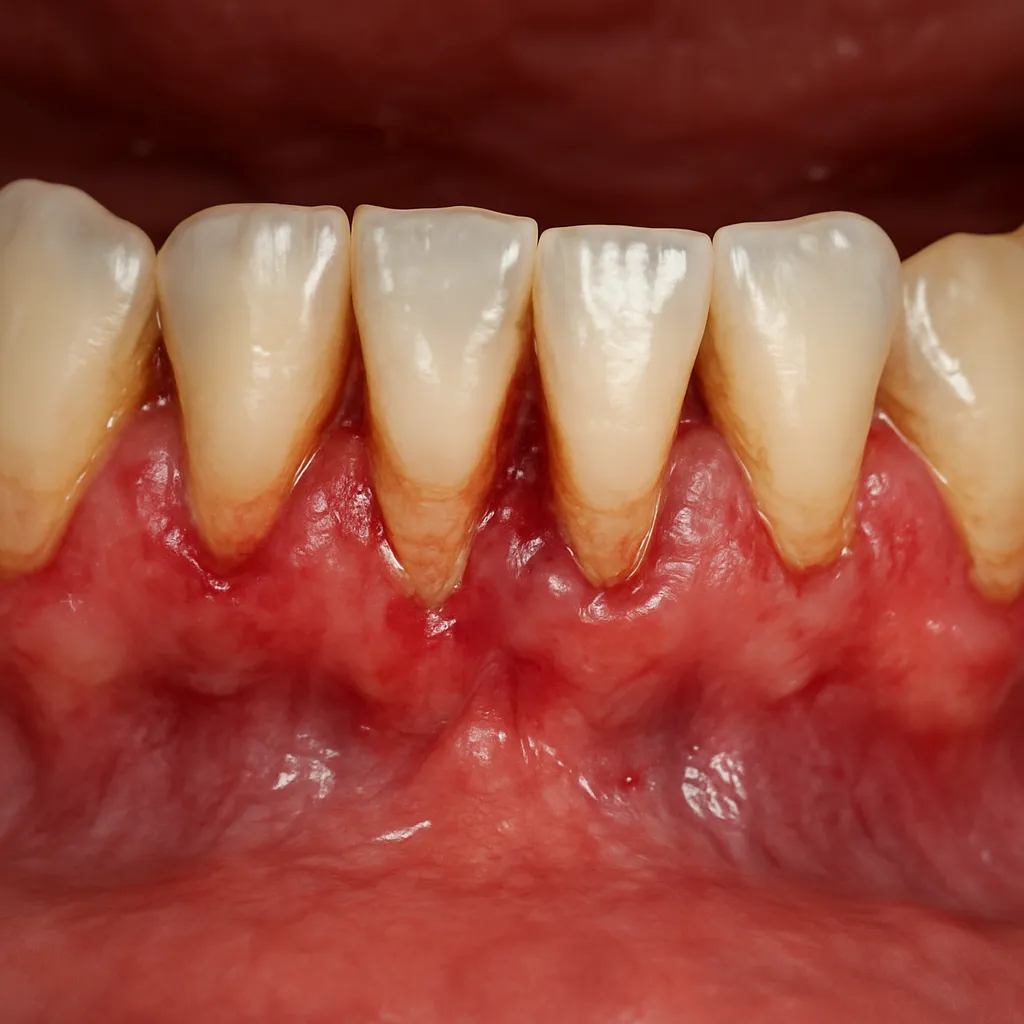
During puberty, levels of estrogen and progesterone rise sharply, leading to increased vascular permeability in gingival tissues. Many teenagers experience:
- Puberty gingivitis characterized by erythema, swelling and bleeding gums.
- Heightened sensitivity to dental plaque, even when oral hygiene routines are maintained.
- Alterations in saliva composition that can affect enamel remineralization.
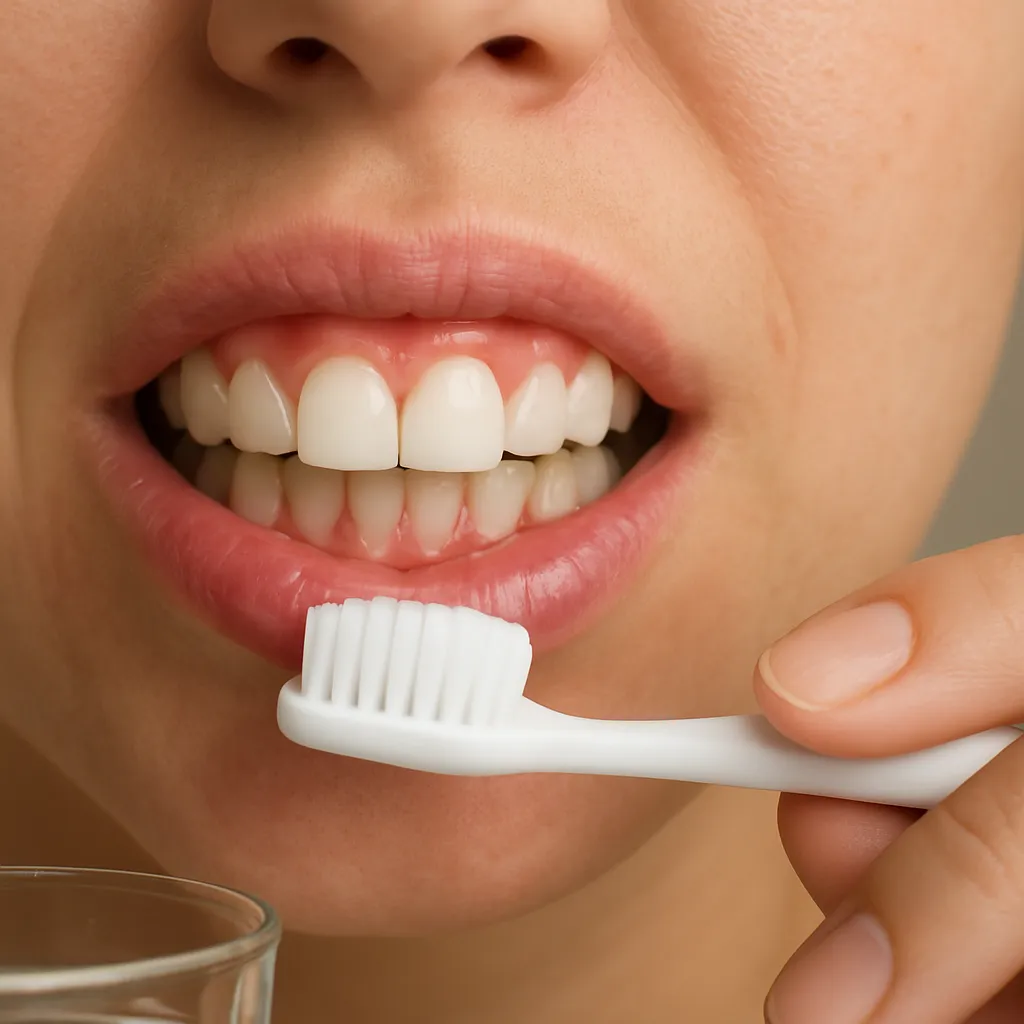
The combination of hormonal surges and irregular brushing habits can exacerbate inflammation. Dental professionals should emphasize consistent cleanings and reinforce the importance of brushing with a soft-bristled toothbrush and flossing daily. Adjunctive use of antimicrobial mouth rinses may help control microbial buildup while minimizing tissue irritation.
Menstruation, Pregnancy and Oral Health
Throughout the menstrual cycle, cyclic hormone variations can impact periodontal tissues. Some women report premenstrual flare-ups of gum tenderness and bleeding. The effects intensify during pregnancy when estrogen and progesterone levels reach their peak:
- “Pregnancy gingivitis” in about 60–75% of expectant mothers.
- Localized areas of hyperplastic gingival tissue known as “pregnancy tumors” or pyogenic granulomas.
- Increased risk of periodontitis, which has been associated with adverse pregnancy outcomes like preterm birth.
To mitigate these risks, dental visits should be scheduled ideally in the second trimester. Professional prophylaxis every three months can help control plaque-induced inflammation. Nutritional counseling on calcium, vitamin D and folic acid supports both maternal bone health and fetal development. Additionally, stress the importance of gentle yet thorough home care, perhaps incorporating an electric toothbrush to improve plaque removal.
Perimenopause, Menopause and Osteoporotic Concerns
As women approach menopause, declining estrogen levels contribute to systemic bone density loss. This process can extend to the alveolar bone supporting the teeth, leading to increased tooth mobility and higher susceptibility to periodontal disease. Key considerations include:
- Reduced salivary flow causing xerostomia and a higher risk of dental caries.
- Altered mucosal resilience resulting in atrophic changes and discomfort.
- Association between osteoporosis medications and the rare occurrence of medication-related osteonecrosis of the jaw (MRONJ).
Effective management involves collaboration with physicians prescribing bisphosphonates or denosumab to weigh the benefits versus oral risks. Regular radiographic monitoring of bone levels, use of saliva substitutes or stimulants, and fluoride varnishes can all play a role in preserving oral health through menopause and beyond.
Hormone Replacement Therapy and Oral Implications
Hormone replacement therapy (HRT) aims to alleviate vasomotor symptoms and reduce osteoporosis risk in postmenopausal women. Yet HRT may also influence periodontal status. Research indicates:
- Potential improvement in gingival inflammation due to stabilized hormone levels.
- Variability in salivary gland function and composition.
- Controversial effects on oral cancer risk, necessitating careful patient evaluation and history-taking.
Dentists should document HRT use, assess any medication side effects, and remain vigilant for oral mucosal changes. Communication with gynecologists or endocrinologists ensures a holistic approach to patient care.
Hormonal Therapies in Transgender Patients
Transgender individuals undergoing gender-affirming hormone therapy (GAHT) face unique oral considerations. Feminizing regimens include estrogens and anti-androgens, while masculinizing regimens rely on testosterone. Observed oral manifestations may include:
- Changes in gingival vascularity and inflammatory response.
- Variations in salivary pH, potentially altering microbial colonization.
- Differences in bone density patterns around the jaws over long-term therapy.
Creating an inclusive environment and obtaining a thorough medical history are essential. Tailored preventive protocols, focused periodontal maintenance and culturally competent communication foster trust and improve outcomes for transgender patients.
Thyroid Disorders and Oral Manifestations
Thyroid hormones influence metabolic rate and connective tissue turnover. Both hyperthyroidism and hypothyroidism can lead to distinct oral signs:
- Enlarged tongue (macroglossia) in hypothyroid patients.
- Accelerated tooth eruption and bone loss in hyperthyroidism.
- Increased risk of burning mouth syndrome and altered taste perception.
Monitoring thyroid function tests and collaborating with endocrinologists supports comprehensive management. Modifying local anesthetic dosages and stress-reduction protocols may be necessary for patients with uncontrolled thyroid conditions.
Addressing Oral Microbiome Shifts
Oral microbiome homeostasis is sensitive to hormonal influences. Dysbiosis can lead to overgrowth of pathogenic bacteria such as Porphyromonas gingivalis. Strategies to maintain microbial balance include:
- Periodic professional debridement to reduce biofilm accumulation.
- Supplemental probiotics targeting oral pathogens.
- Patient education on diet modifications to limit fermentable carbohydrates.
By integrating microbiological assessments into routine exams, clinicians can detect early microbial shifts and intervene promptly, reducing the progression of periodontal disease.
Psychosocial Stressors and Hormonal Interactions
Stress triggers the release of cortisol, affecting both hormonal equilibrium and immune response. Chronic stress may exacerbate periodontal inflammation and impair wound healing. Dental teams should recognize stress-related behaviors such as bruxism and enamel erosion. Incorporating stress-management resources and relaxation techniques can support both oral and overall well-being.
Future Directions in Hormone-OraI Health Research
Emerging fields such as epigenetics and salivary diagnostics hold promise for personalized oral healthcare. Point-of-care tests to quantify hormone metabolites in saliva could offer real-time insights into a patient’s endocrine status, enabling tailored preventive regimens. Continued collaboration between dental researchers, endocrinologists and microbiologists will expand our understanding of how hormonal dynamics shape oral disease susceptibility and guide innovative therapies.