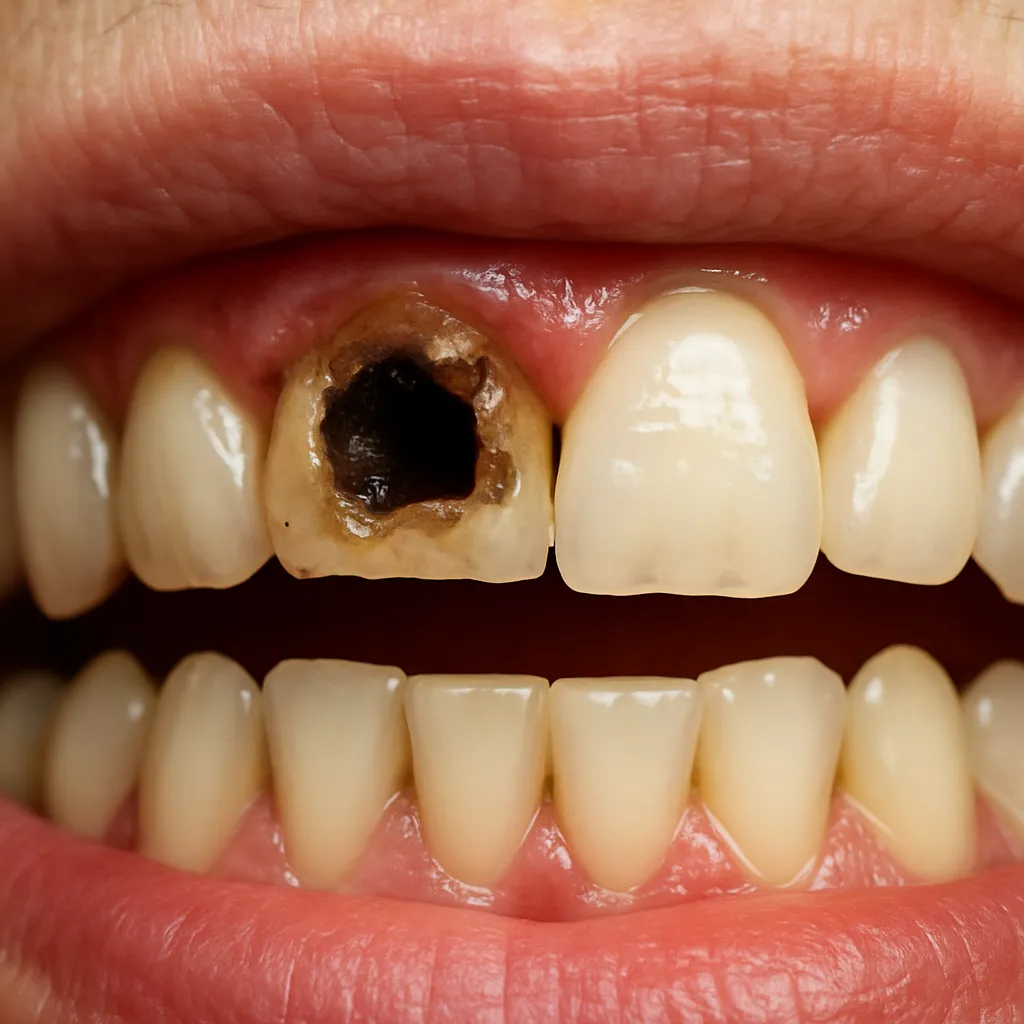
Dealing with a detached dental crown can be a stressful experience, but understanding the correct steps to take can help you manage the situation effectively. This article will guide you through immediate actions, safe temporary solutions, and when to seek professional help to ensure your oral health remains intact.
Understanding Why Crowns Become Dislodged
Dental crowns are designed to protect weakened or damaged teeth, restoring their function and appearance. However, several factors can compromise their retention:
- Adhesive breakdown over time due to wear.
- Chewing on very hard foods or objects.
- Plaque accumulation at the margins leading to micro-movements.
- Underlying tooth decay or fracture.
- Constant grinding or clenching (bruxism).
Signs Your Crown May Be Loose
- Feeling of slight movement when biting.
- Sensitivity to hot or cold beverages.
- Pain or discomfort around the crowned tooth.
- Visible gap between the crown and the gum line.
Immediate Actions to Take at Home
When a crown falls off, swift and careful handling can prevent further complications:
Save the Crown
- Rinse it gently under lukewarm water to remove debris. Avoid scrubbing the inner surface.
- Inspect the crown for cracks or damage.
- Place it in a clean container filled with water or saliva to keep it moist.
Assess Your Oral Condition
- Check the exposed tooth for sharp edges, chips, or ongoing pain.
- Rinse your mouth thoroughly with warm salt water to cleanse the area and soothe tissues.
- If bleeding is present, apply gentle pressure with a clean gauze or cloth.
Deciding on Self-Care vs. Seeking Help
If you experience severe pain or notice a significant part of the tooth structure missing, treat the situation as an emergency and contact your dentist immediately. In less urgent cases, you may follow short-term self-care steps before arranging an appointment.
Temporary Solutions Until Your Appointment
While waiting for professional intervention, you can employ safe methods to protect the exposed tooth:
- Use over-the-counter temporary cement or dental wax to re-seat the crown. Follow package instructions carefully.
- If you lack cement, a small dab of toothpaste can work momentarily (avoid colored gels with potential staining agents).
- Chew on the opposite side to reduce pressure on the exposed tooth.
How to Re-Cement the Crown Yourself
- Clean the crown interior and the tooth surface with a dry, lint-free cloth.
- Apply a small amount of temporary cement (temporary kits are available at pharmacies).
- Position the crown gently over the tooth and bite down slowly to ensure proper fit.
- Remove excess cement with floss—slide the floss down next to the crown to eliminate residual material.
Remember, these are short-term fixes. At-home recementation might not restore full strength, so avoid hard or sticky foods.
When to Consult Your Dentist
Your dental professional will evaluate the situation and offer the most appropriate course of action. Consider making an appointment if you experience any of the following:
- Persistent pain or bleeding around the exposed tooth.
- Visible cracks or chips in the crown.
- Loss of a significant portion of the natural tooth structure.
- Repeated dislodgement, indicating a recurring problem.
Professional Re-Cementation vs. Replacement
During your visit, your dentist will:
- Examine the integrity of both crown and underlying tooth.
- Perform X-rays if decay or fracture is suspected.
- Thoroughly clean the tooth to remove any residual cement or debris.
- Choose between re-cementing the existing crown or fabricating a new one for better long-term results.
Professional adhesives are significantly stronger and more durable than over-the-counter products, reducing the risk of future incidents.
Long-Term Prevention and Maintenance
Protecting your crown and natural teeth involves consistent oral hygiene and mindful habits:
- Brush twice daily with fluoride toothpaste, paying special attention to crown margins.
- Floss gently to remove trapped food particles and plaque.
- Use an antimicrobial mouthwash to lower bacteria levels and prevent infection.
- Wear a night guard if you habitually grind your teeth.
- Attend regular dental check-ups for professional cleaning and crown assessments.
Healthy Habits for Crown Longevity
- Avoid chewing hard objects such as ice, pens, or fingernails.
- Limit sticky candies and hard nuts that may dislodge restorations.
- Maintain balanced nutrition to support strong tooth structure and gum health.
Consistent care and timely dental visits ensure your crown remains functional and comfortable for years, preventing unnecessary discomfort and costly repairs.
Final Thoughts on Managing a Fallen Crown
While finding a loose or missing crown can be alarming, prompt and informed action minimizes complications. By saving the crown, using safe temporary measures, and contacting your dentist promptly, you protect both your oral health and smile. Long-term success relies on diligent hygiene, professional care, and addressing issues early through proper temporization.