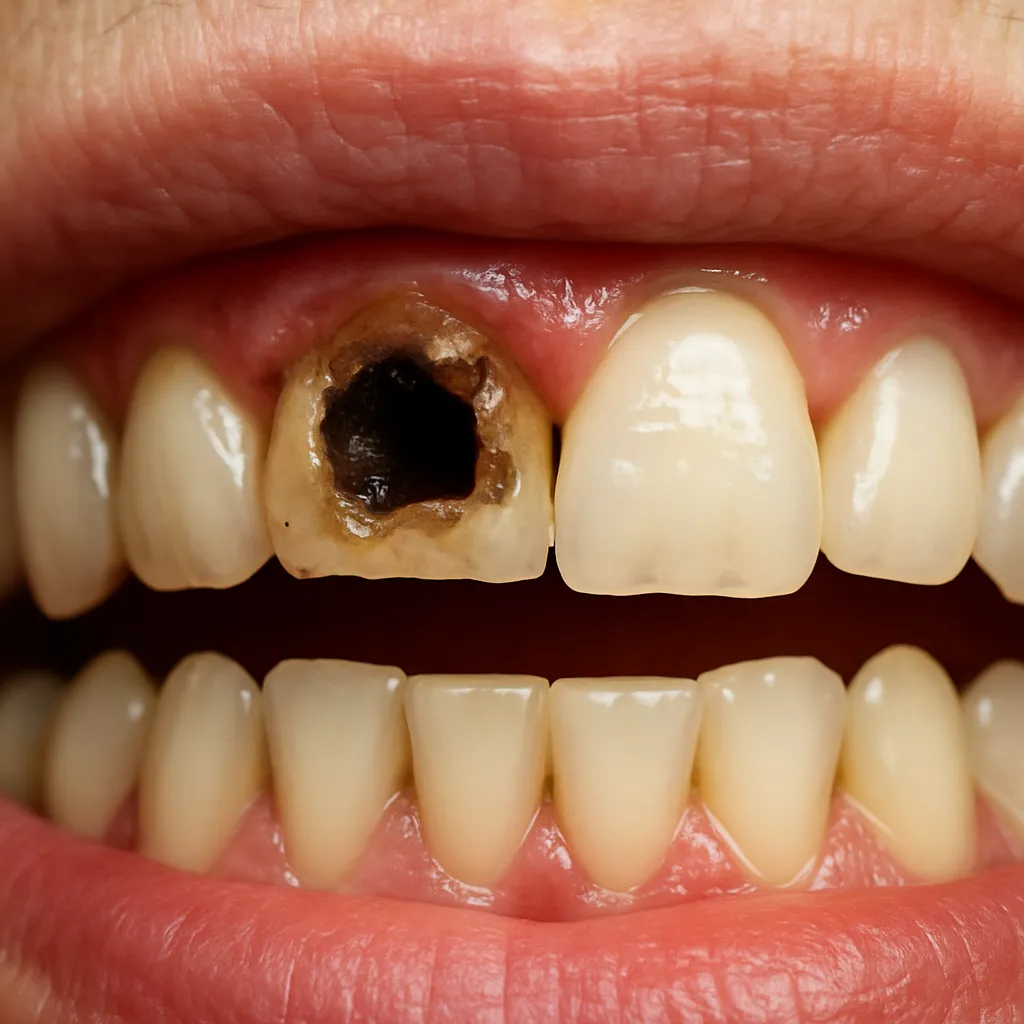
Oral health professionals increasingly recognize the pivotal contribution of zinc to maintaining a balanced oral environment. As a trace element, it exerts multifaceted effects on plaque control, enamel remineralization, and mucosal integrity. This article explores the biochemical mechanisms, preventive roles, and clinical applications of zinc in dentistry, providing insights into how dental practitioners can harness its benefits for improved patient outcomes.
Biochemical Foundations of Zinc in the Oral Cavity
Zinc is an essential cofactor for over 300 enzymes, including those involved in protein synthesis and tissue repair. In saliva, zinc binds to salivary proteins, influencing their structure and function. Its high affinity for sulfhydryl groups allows zinc to stabilize cellular membranes and protect epithelial cells from oxidative damage.
Enzymatic Activities Mediated by Zinc
- Zinc-dependent metalloenzymes, such as carbonic anhydrase, play a role in pH buffering of the oral environment, helping to neutralize acids produced by cariogenic bacteria.
- Matrix metalloproteinases (MMPs), regulated by zinc, participate in the remodeling of collagen and extracellular matrix during wound healing and periodontal repair.
Impact on Mineral Homeostasis
The dynamic equilibrium between demineralization and remineralization is central to enamel health. Zinc inhibits demineralization by competing with hydrogen ions at enamel surfaces, reducing acid dissolution. Moreover, zinc ions can integrate into hydroxyapatite crystals, enhancing their mechanical resistance.
Zinc’s Preventive Role Against Oral Diseases
Modern preventive dentistry emphasizes the control of microbial biofilm. Zinc compounds exhibit broad-spectrum antimicrobial action, targeting key pathogens in dental plaque. By disrupting bacterial adhesion and metabolic pathways, zinc reduces the pathogenicity of oral biofilms.
Reduction of Plaque and Calculus Formation
- Zinc citrate and zinc chloride interfere with bacterial glycolysis, limiting acid production that leads to enamel demineralization.
- Inhibition of bacterial proteases diminishes proteolytic breakdown of gingival tissues, lowering risk of gingivitis and periodontitis.
Modulation of Oral Inflammation
Zinc’s anti-inflammatory properties attenuate cytokine release by immune cells in periodontal tissues. It downregulates pro-inflammatory mediators such as interleukin-1β and tumor necrosis factor-α, promoting resolution of gingival inflammation and preventing tissue destruction.
Clinical Applications of Zinc in Dentistry
Dental formulations enriched with zinc have become staples in preventive care protocols. Both over-the-counter and professional products leverage zinc’s therapeutic attributes to combat cariogenic and periodontal challenges.
Zinc-Containing Dentifrices and Mouthrinses
- Toothpastes with zinc citrate or zinc lactate reduce halitosis by neutralizing volatile sulfur compounds produced by oral bacteria.
- Mouthwashes formulated with zinc chloride offer adjunctive benefits in gingivitis control through sustained antimicrobial activity.
Restorative Materials and Cements
In restorative dentistry, glass ionomer cements incorporating zinc oxide demonstrate enhanced mechanical strength and fluoride release. Zinc oxide–eugenol cements remain popular for provisional restorations due to their soothing effect on the pulp and antimicrobial properties.
Professional Topical Applications
- High-concentration zinc varnishes applied in-office can promote remineralization of early enamel lesions and reduce dentin hypersensitivity.
- Custom trays for fluoride and zinc ion delivery ensure intimate contact with tooth surfaces, maximizing uptake into surface layers.
Challenges and Considerations in Zinc Supplementation
While zinc offers clear benefits, clinicians must consider dosage, bioavailability, and potential interactions. Excessive zinc intake can interfere with copper absorption, leading to hematological disturbances. Therefore, supplement regimens should be tailored, balancing systemic and topical needs.
Systemic vs. Topical Delivery
- Oral zinc supplements can correct systemic deficiencies that manifest as oral lesions, delayed wound healing, or taste disturbances.
- Topical formulations deliver high local concentrations without significant systemic absorption, reducing risk of toxicity.
Formulation Stability and Patient Compliance
Ensuring the chemical stability of zinc in complex formulations poses a challenge. Chelation techniques and stable zinc salts enhance shelf life and bioactivity. Additionally, palatability and ease of use influence patient adherence to zinc-based preventive regimens.
Emerging Research and Future Directions
Ongoing studies are evaluating novel zinc nanoparticles for targeted antimicrobial therapy, aiming to disrupt resilient biofilms without affecting the beneficial oral microbiome. Investigations into synergistic interactions between zinc and other trace minerals such as fluoride and calcium may yield advanced formulations that optimize enamel remineralization.
Biomaterials Enhanced with Zinc
- Zinc-doped bioactive glass scaffolds for periodontal regeneration show promise in stimulating osteogenic differentiation and periodontal ligament repair.
- Composite resins with embedded zinc ions are under development to impart long-term antimicrobial properties to restorative restorations.
Personalized Zinc Therapies
Genetic variations affecting zinc transporters and metalloproteins may influence individual responses to zinc therapies. Personalized approaches could tailor zinc dosing and delivery based on patient-specific biomarkers, maximizing efficacy while minimizing adverse effects.
Practical Recommendations for Dental Practitioners
Incorporating zinc into clinical practice involves evidence-based selection of products and patient education. Dentists should evaluate patients for signs of zinc deficiency and recommend zinc-enriched dentifrices or mouthrinses as part of comprehensive preventive strategies. Monitoring for potential interactions with other supplements and medications ensures safe and effective care.
Ultimately, a deeper understanding of zinc’s molecular actions and thoughtful integration into treatment protocols can enhance oral disease management and support long-term patient oral health.