Maintaining a healthy smile goes beyond aesthetic appeal; it’s essential for overall well-being. Dental plaque, a sticky film of microorganisms, can lead to cavities, gum disease, and even systemic health issues if left unchecked. By adopting a comprehensive approach that combines proper daily habits, professional care, and smart product choices, you can significantly reduce plaque buildup and protect your teeth and gums.
Understanding Dental Plaque Formation
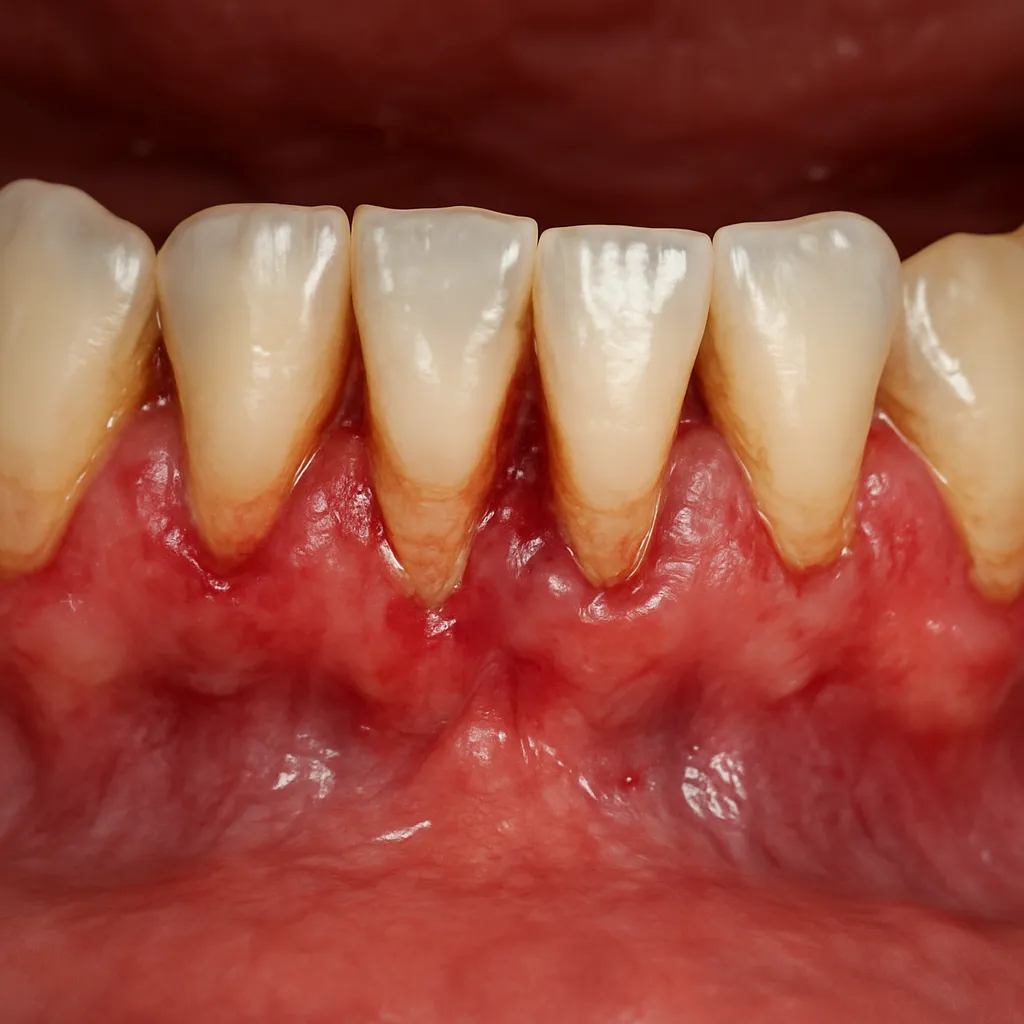
Dental plaque is formed when bacteria in the mouth mix with saliva and food particles. This biofilm adheres to tooth surfaces, especially along the gum line, creating an environment where acids can erode enamel and lead to decay.
- Initial Attachment: Within minutes after brushing, a thin pellicle layer forms on teeth, providing a surface for bacterial colonization.
- Biofilm Maturation: Microorganisms multiply and produce extracellular substances, strengthening the bond to tooth surfaces.
- Acid Production: As plaque bacteria metabolize sugars, they generate acids that dissolve minerals in enamel, increasing the risk of cavities.
- Tartar Development: If left undisturbed, mineral deposits harden plaque into tartar, which can only be removed by a dental professional.
Understanding this process highlights why consistent cleaning is crucial: interrupting plaque formation at its earliest stage prevents hardening and potential damage.
Essential Daily Oral Hygiene Practices
Brushing Techniques and Tools
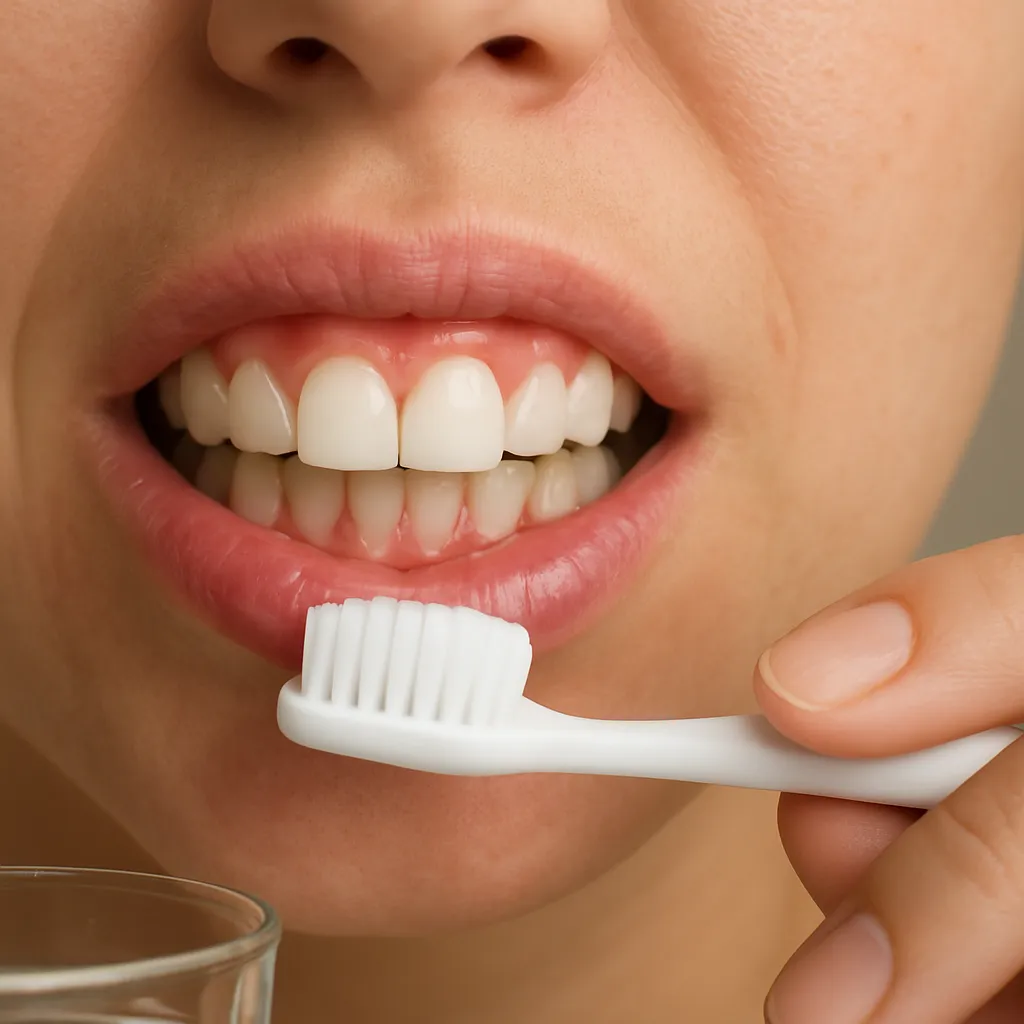
Effective brushing is the first line of defense against plaque. Follow these guidelines for optimal results:
- Use a soft-bristled brush or an electric toothbrush to reach all surfaces gently without damaging gums.
- Angle the bristles at 45 degrees toward the gum line to sweep away plaque at the margin.
- Employ small circular motions and divide your mouth into quadrants, spending at least 30 seconds on each area.
- Choose a toothpaste containing fluoride to strengthen enamel and resist acid attack.
- Replace your toothbrush or brush head every three months or sooner if bristles fray.
Flossing and Tongue Care
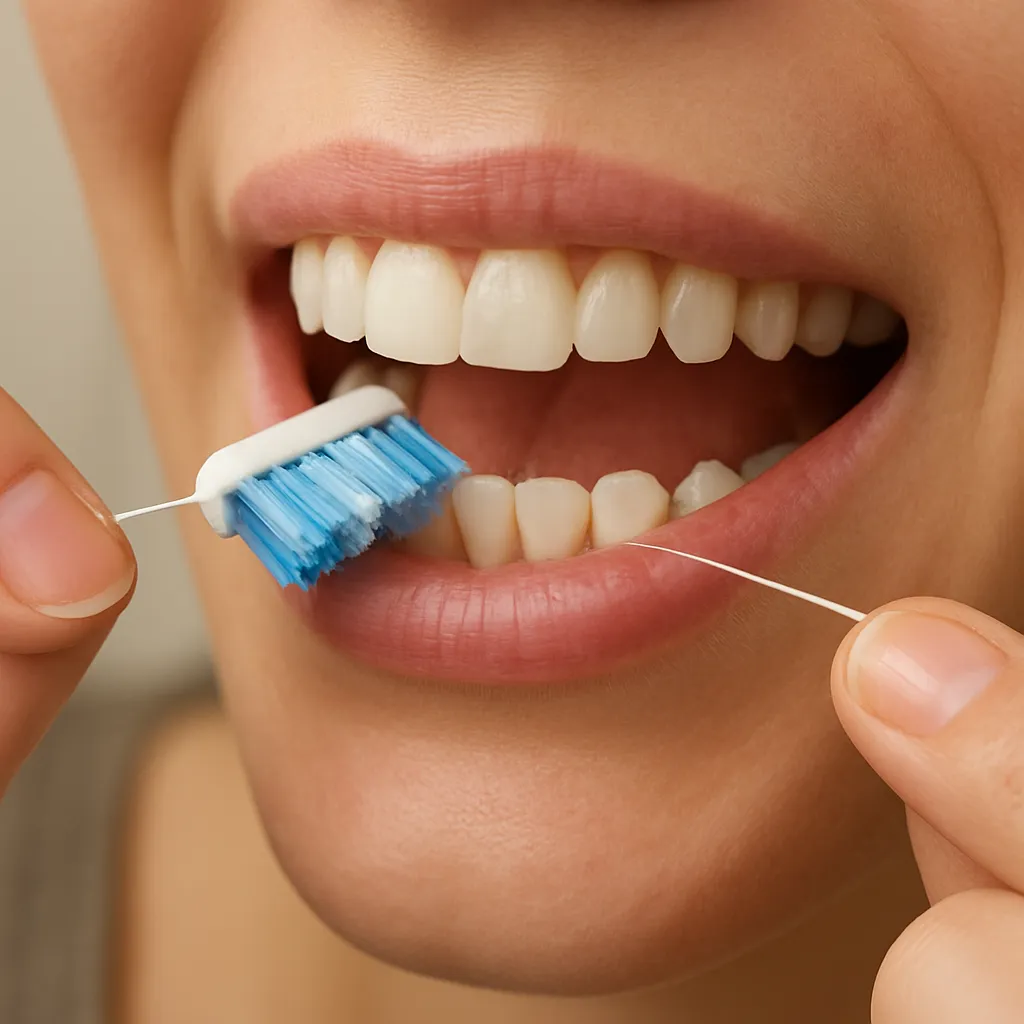
Up to 40% of tooth surfaces reside between teeth and below the gum line, areas unreachable by a brush alone. Daily flossing or interdental cleaning helps remove hidden plaque.
- Slide floss gently up and down each side of the tooth, forming a C-shape around the base to dislodge debris.
- Consider water flossers or interdental brushes for tight spaces or braces.
- Perform tongue cleaning with a scraper or brush to reduce bacterial load and freshen breath.
Professional Preventive Care
Regular Dental Appointments
Even the most diligent home care cannot eliminate all plaque and tartar. Scheduling professional cleanings every six months (or more frequently if recommended) ensures removal of hardened deposits and early detection of issues.
- Scale and Polish: Dental hygienists use specialized tools to remove tartar and polish tooth surfaces, making them less prone to new plaque buildup.
- Oral Exams: Routine check-ups identify cavities, gum inflammation, and other conditions before they become serious.
- Customized Advice: Professionals can tailor recommendations based on your unique risk factors such as diabetes, dry mouth, or orthodontic appliances.
Advanced Preventive Treatments
Certain therapies offer additional protection against plaque accumulation and decay:
- Dental sealants: Thin protective coatings applied to molar grooves block out food particles and bacteria.
- Professional fluoride varnishes: High-concentration fluoride treatments strengthen enamel and reverse early mineral loss.
- Antimicrobial rinses: Prescribed solutions reduce harmful bacterial levels in hard-to-reach areas.
Dietary and Lifestyle Strategies
What you eat and drink influences plaque formation. Adjusting your diet and habits can enhance the effectiveness of your oral hygiene routine.
- Limit sugary and starchy foods, which fuel acid-producing bacteria.
- Choose tooth-friendly snacks such as raw vegetables, cheese, and nuts that stimulate saliva flow and neutralize acids.
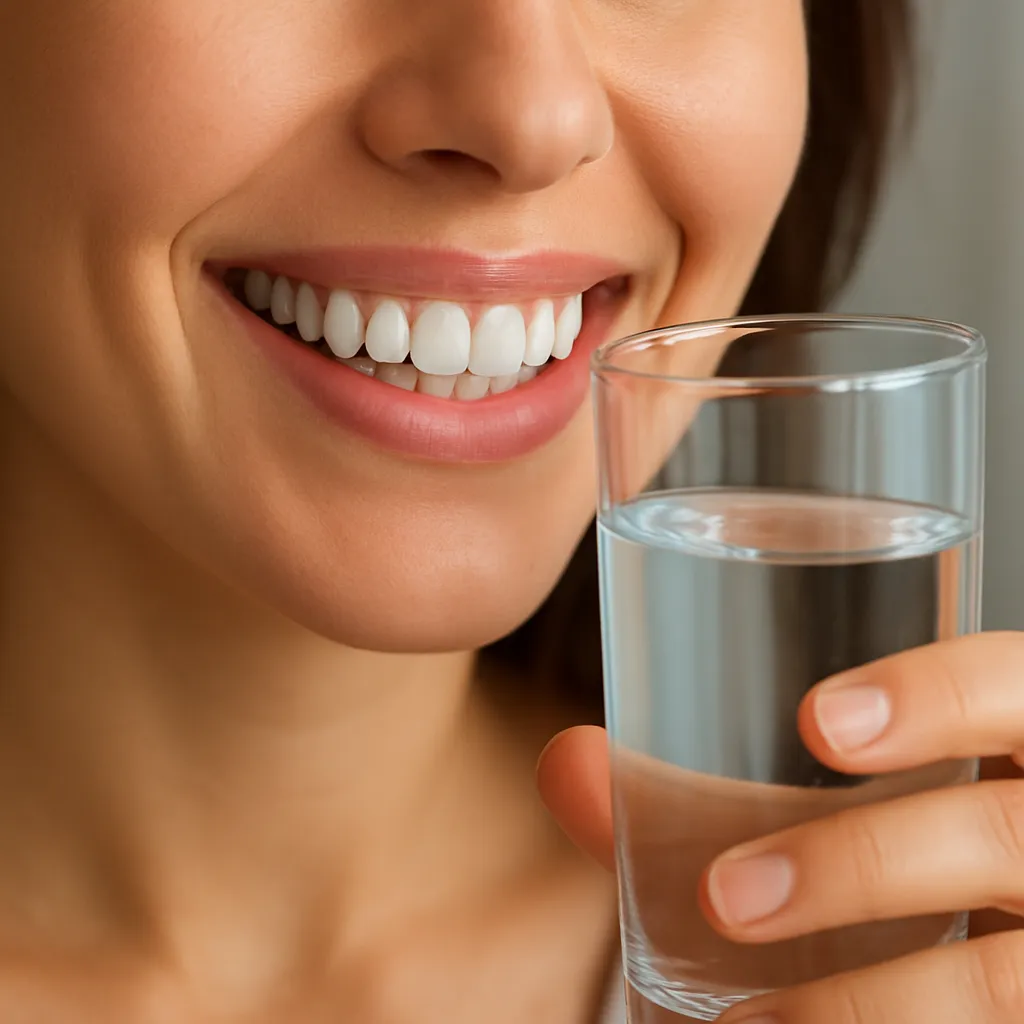
- Drink plenty of water throughout the day to wash away food debris and maintain moisture, especially if you experience dry mouth.
- Chew sugar-free gum containing xylitol to promote salivary cleansing and inhibit bacterial growth.
- Avoid tobacco and limit alcohol consumption, as these habits increase plaque retention and gum disease risk.
Modern Tools and Products to Combat Plaque
Innovations in oral care technology can boost your plaque-control efforts and simplify daily routines.
- Electric toothbrush: Oscillating or sonic models provide consistent power and timing features for more thorough cleaning than manual brushes.
- Water flosser: A pulsating water stream flushes out plaque and debris around braces, bridges, and implants.
- Antiseptic mouthwash: Daily rinsing reduces bacterial colonization on soft tissues and between teeth.
- Interdental brushes and picks: Available in multiple sizes to fit various gap widths for targeted cleaning.
- Chewable tablets that reveal plaque by turning it visible, helping you identify missed areas during brushing.
Maintaining Long-Term Oral Health
Consistency, combined with timely professional interventions and smart lifestyle choices, ensures that plaque remains under control. By understanding the mechanisms behind plaque formation, practicing diligent daily care, leveraging advanced products, and seeking regular dental support, you’ll build a resilient defense against decay and gum disease.