Dry mouth, or xerostomia, can affect daily comfort, oral health, and overall well-being. Whether you’re sipping water at your desk or coping with side effects from medications, understanding how to maintain adequate saliva production is essential. This article explores key factors contributing to dry mouth, offers practical prevention strategies, and highlights when to seek professional guidance from your dentist.
Understanding Dry Mouth and Its Causes
Saliva plays a multifaceted role in oral health: it lubricates tissues, buffers acids, aids digestion, and helps prevent tooth decay. When saliva flow diminishes, the condition is known as xerostomia. Recognizing underlying triggers can guide effective prevention.
Common Medical and Medication Triggers
- Prescription and over-the-counter drugs, especially anticholinergic agents, antihistamines, and certain antidepressants
- Radiation therapy to the head and neck, which can damage salivary glands
- Systemic diseases such as diabetes, Sjögren’s syndrome, and Parkinson’s disease
Lifestyle and Environmental Factors
- Smoking and tobacco use, which can constrict blood vessels in gland tissue
- Chronic mouth breathing, often due to nasal congestion or sleep apnea
- Dehydration from excessive caffeine or alcohol intake
Impact on Oral Health
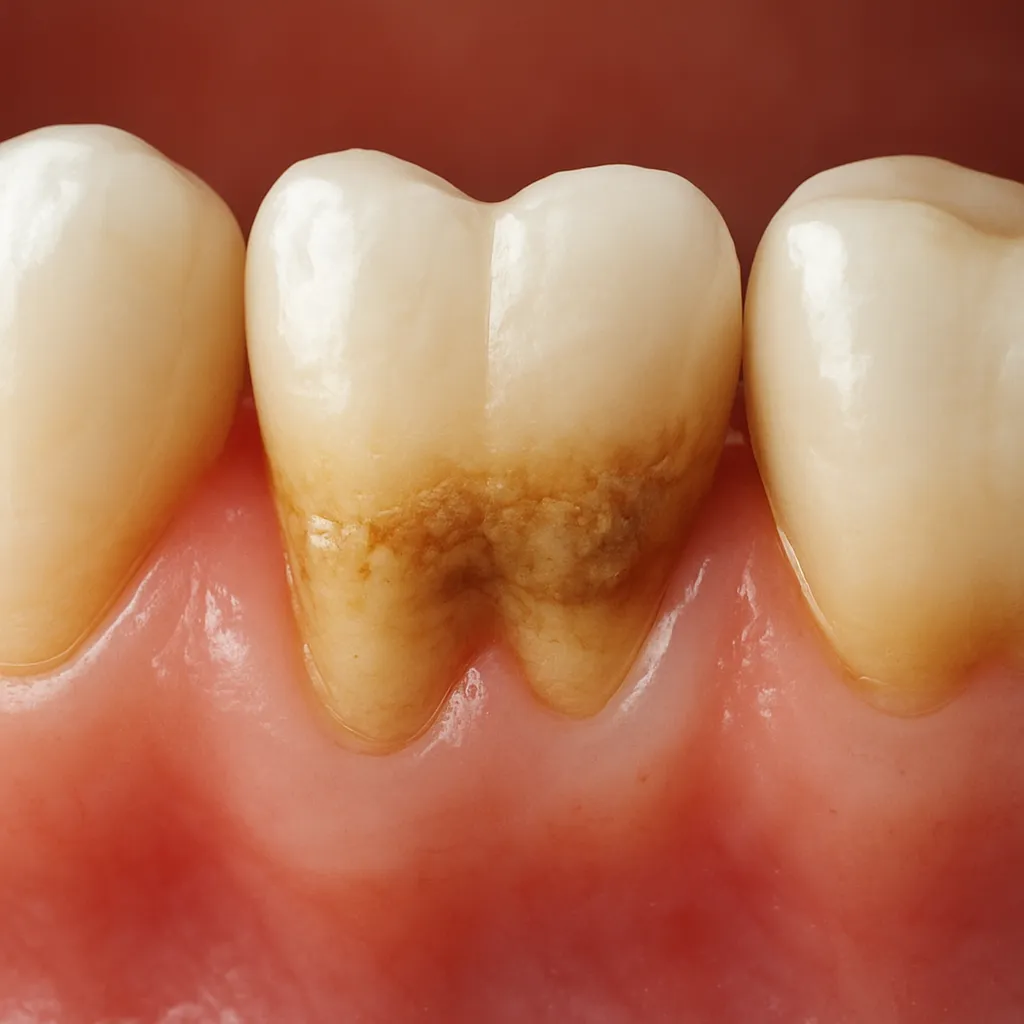
Without adequate saliva, enamel becomes vulnerable to acid attacks. Food debris and bacteria accumulate more easily, increasing the risk of cavities, gum disease, and oral infections. Patients may experience burning sensations, difficulty speaking, or impaired taste.
Effective Strategies for Daily Prevention
Preventing dry mouth begins with simple lifestyle adjustments. Consistency in daily routines can maintain a balanced environment in your mouth and support gland function.
Hydration and Diet
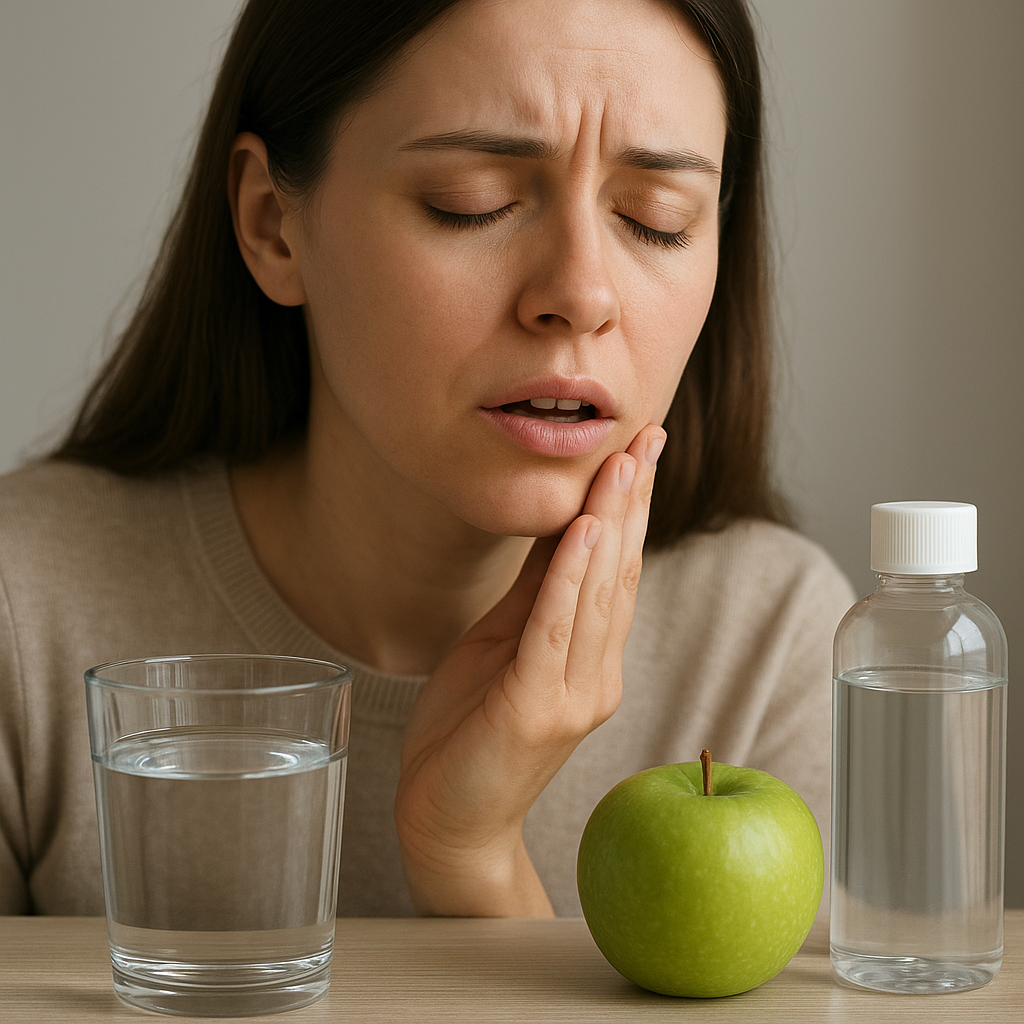
- Drink plain water regularly—aim for at least eight 8-ounce glasses daily. Keep a refillable bottle handy to prompt frequent sips.
- Limit drinks that contribute to fluid loss, such as coffee, tea, and alcohol.
- Incorporate water-rich fruits and vegetables, like cucumbers, watermelon, and celery, which provide both fluids and essential nutrients.
Chewing and Saliva Stimulation
- Chew sugar-free gum or suck on sugar-free lozenges to mechanically stimulate saliva flow.
- Avoid acidic or highly sugared candies that can worsen enamel erosion and promote bacterial growth.
Oral Hygiene Habits
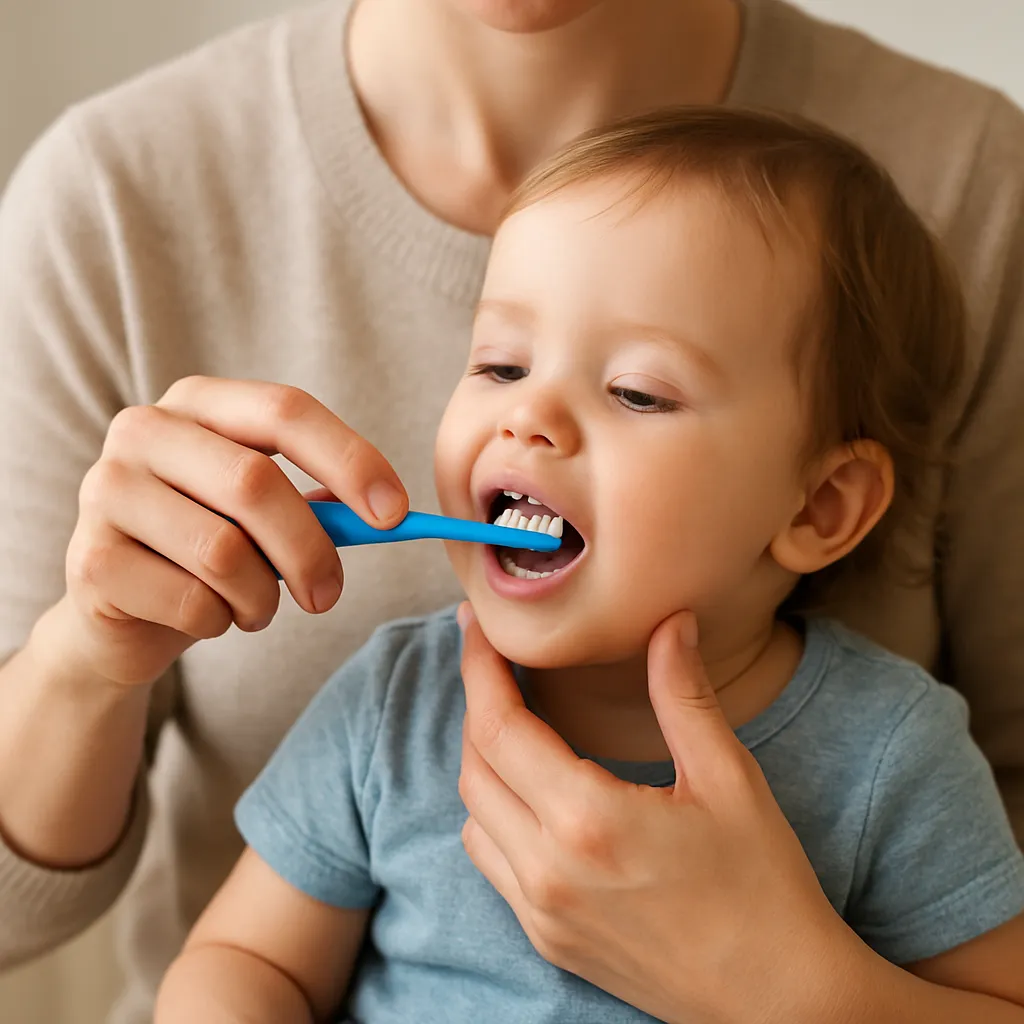
Maintaining pristine oral hygiene helps compensate for reduced spit. Use a soft-bristled brush and fluoride toothpaste; brush twice daily and floss once daily. Consider an alcohol-free mouthwash with fluoride to minimize dryness while protecting enamel.
Products and Over-the-Counter Aids
Several accessible products can relieve symptoms and mimic natural saliva functions:
- Saliva substitutes in spray, gel, or lozenge form; these help lubricate oral tissues and can be used multiple times per day.
- Specialized mouth rinses designed for dry mouth that contain ingredients such as xylitol to inhibit bacterial growth.
- Fluoride varnishes or high-concentration fluoride toothpaste prescribed by your dentist to strengthen enamel and reduce decay risk.
- Humidifiers placed near the bed to maintain moisture in the air, preventing nighttime dryness.
Professional Dental Interventions and Advice
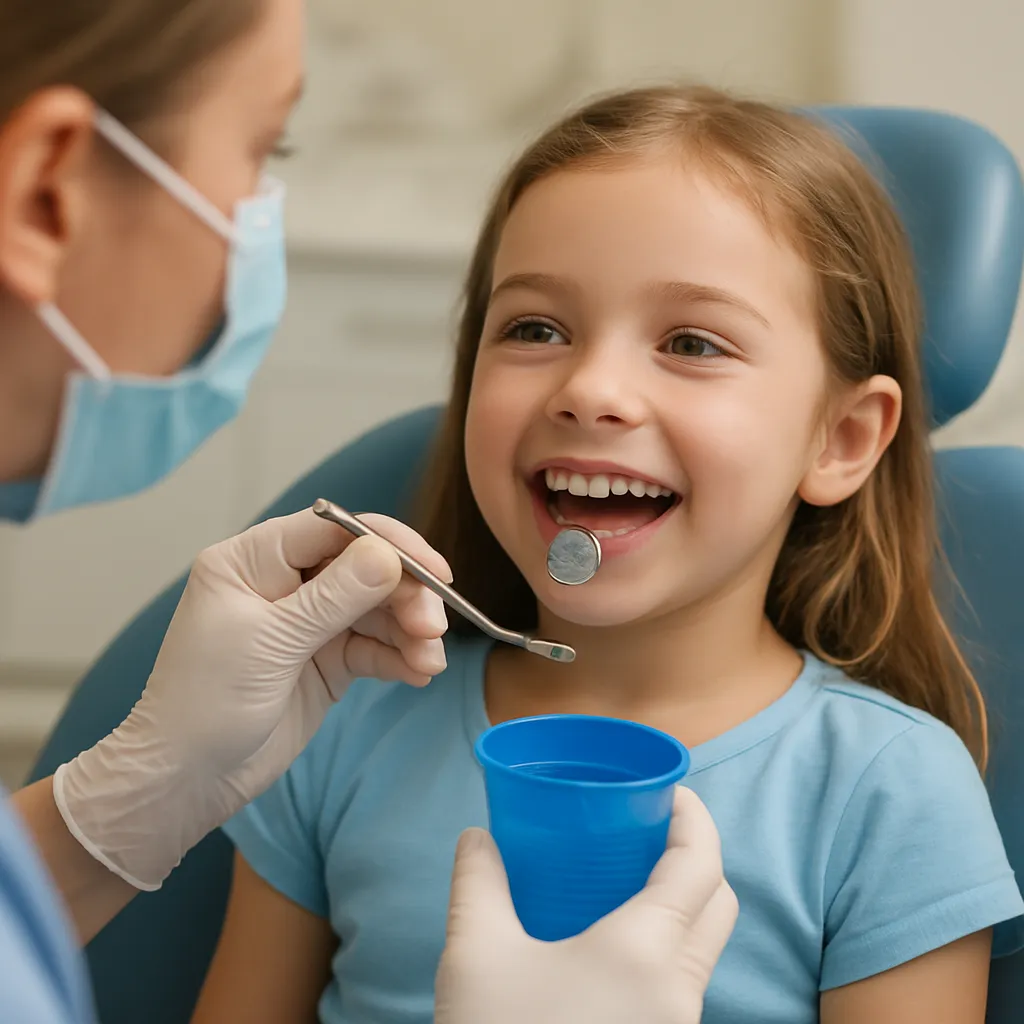
When self-care measures aren’t enough, collaborate closely with your dental team. Regular checkups allow early detection and tailored treatment plans.
Diagnostic Assessment
Your dental professional will perform a comprehensive evaluation, which may include:
- Salivary flow rate testing to quantify production levels
- Oral examination for signs of tissue dryness, dental decay, or candidiasis
- Review of medical history and current medications to identify potential contributors
Prescription Therapies
- Cholinergic agonists such as pilocarpine or cevimeline to stimulate gland output—these require careful dosage management to minimize side effects.
- Topical prescription gels with bio-adhesive polymers that coat the mucosa and retain moisture.
Customized Oral Care Plans
Based on your individual risk factors, a dentist may recommend a combination of:
- Specific brushing and flossing techniques to protect vulnerable enamel
- Professional fluoride treatments or sealants applied to reduce caries risk
- Approval for dietary modifications or referrals to specialists for underlying health conditions
Maintaining Long-Term Oral Comfort
Combating dry mouth is an ongoing process that requires vigilance and adaptation. Here are additional tips to ensure lasting relief:
- Monitor your mouth daily for sticky or ropey saliva, mirror any redness or fissures, and report changes promptly to your dentist.
- Adjust your sleep environment: prop your head up slightly to reduce mouth breathing and employ nasal strips if congestion is an issue.
- Stay informed about new dryness relief innovations, such as bio-engineered salivary gland therapies under research.
By combining consistent home care, appropriate products, and professional support, patients can significantly reduce the discomfort and oral health risks associated with dry mouth. Prioritizing hydration, focusing on oral hygiene, and seeking timely dental guidance will help keep your smile healthy and comfortable.